


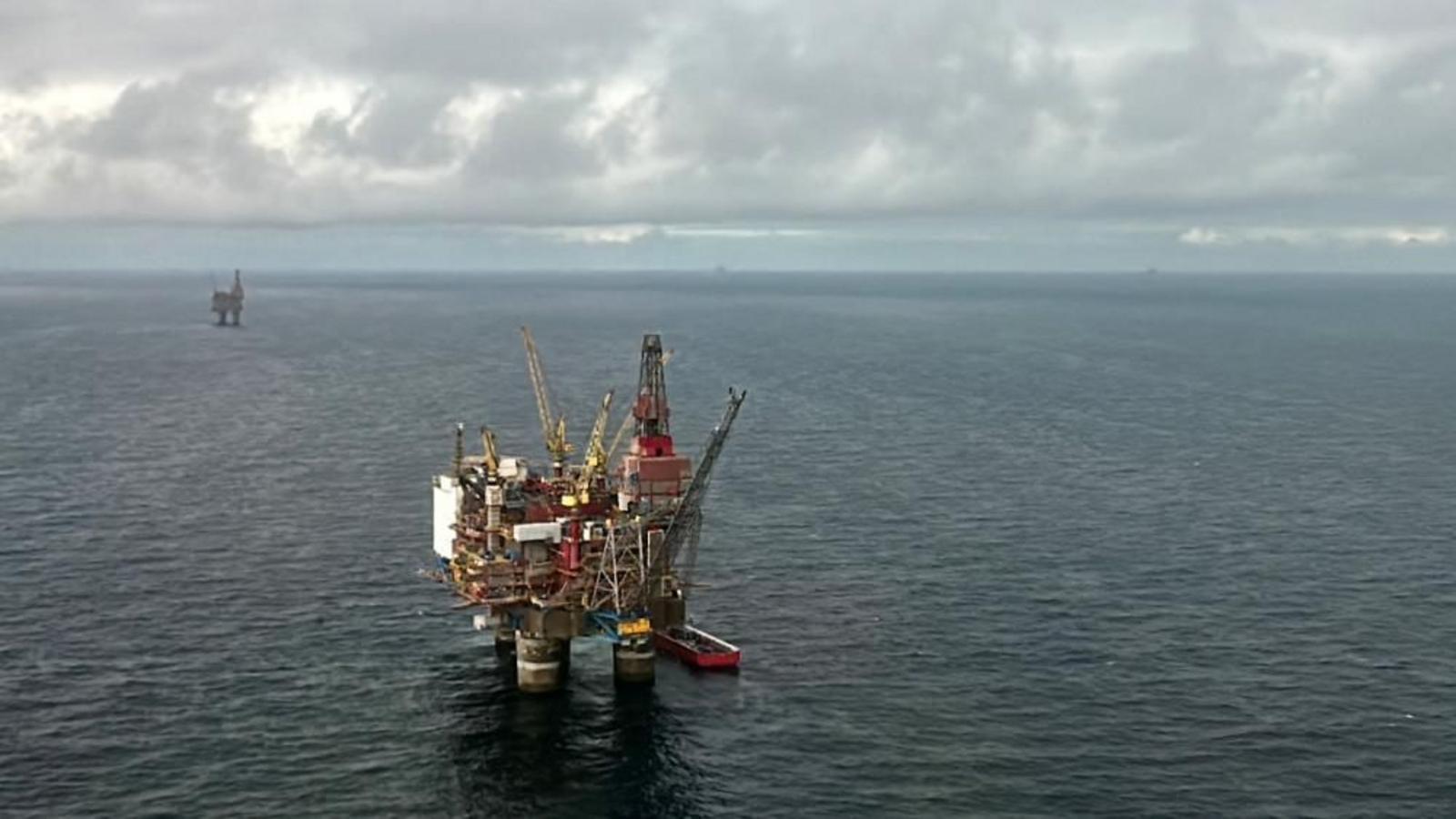
The plan is positioned as a response to rising energy prices and the need for greater domestic production, particularly in light of the ongoing geopolitical tensions affecting global energy supplies. Labour’s leadership argues that increasing drilling could help stabilize energy costs for consumers while ensuring the UK meets its energy demands. For more insights on this topic, see our article on the New Labour plan allows for increased North Sea drilling.
Critics of the proposal, including various environmental groups, warn that expanding fossil fuel extraction could undermine the UK’s climate commitments. They emphasize the potential long-term environmental impacts and advocate for a more robust investment in renewable energy technologies as a sustainable alternative.
The debate is further complicated by the timing of the proposal, as the UK prepares for the next general election. With energy policy being a critical issue for voters, Labour’s stance may serve to attract support from both traditional energy sectors and those concerned about climate change.

As discussions unfold, the implications of this proposal will likely shape the future of the UK’s energy landscape and its commitment to environmental sustainability. Stakeholders from various sectors are closely monitoring the situation as the Labour Party seeks to balance economic needs with ecological responsibilities.
Understanding the background of North Sea drilling policies
The North Sea has long been a focal point for the United Kingdom’s energy policy, particularly since the discovery of significant oil reserves in the late 1960s. This discovery transformed the UK from a net importer to a producer of oil, leading to a boom in the economy and significant investments in infrastructure. The 1970s marked the beginning of large-scale drilling operations, which were supported by both political parties as a means to ensure energy independence and economic growth.
Over the decades, the approach to North Sea drilling has evolved in response to changing political climates and environmental concerns. The 1990s and early 2000s saw a push towards deregulation and increased exploration, driven by the need to maximize output from aging fields. However, as climate change became a pressing global issue, calls for a transition to renewable energy sources intensified, leading to stricter regulations and a decline in new drilling initiatives.
In recent years, the Labour Party has faced pressure to balance economic recovery with environmental commitments. The new Labour plan to allow more North Sea drilling reflects a significant shift in strategy, aiming to address rising energy prices and secure jobs in the oil and gas sector. This decision has sparked debate over the implications for the UK’s climate goals and the future of its energy landscape, touching on themes discussed in related articles.

Key milestones in North Sea drilling policy
Several key milestones have shaped the current landscape of North Sea drilling policies. The introduction of the Oil Taxation Act in 1975 established a framework for taxation that encouraged exploration and development. In contrast, the 2019 Climate Change Act set legally binding targets for reducing greenhouse gas emissions, complicating the narrative around fossil fuel extraction. The recent announcement by Labour to increase drilling activity can be seen as a response to both economic pressures and the need to maintain energy security amidst a global shift towards renewable sources.
Key stakeholders and issues surrounding the drilling plan
The recent proposal by the Labour Party to allow more drilling in the North Sea has sparked a complex web of interests among various stakeholders. Key actors include government bodies, environmental organizations, energy companies, and local communities. Each group has distinct motivations that influence their stance on the drilling initiative.
Government officials, particularly those in the Labour Party, argue that increased drilling is essential for energy security and economic growth. They believe that tapping into domestic resources can reduce reliance on foreign oil, which is particularly pertinent given the current geopolitical tensions affecting global energy markets. However, this perspective is often challenged by environmental groups who advocate for a transition to renewable energy sources.
Environmental organizations, such as Greenpeace and the World Wildlife Fund, are staunchly opposed to the drilling plan. They contend that increased fossil fuel extraction could exacerbate climate change and threaten marine ecosystems. Their concerns highlight a significant conflict between economic development and environmental protection, raising questions about the long-term sustainability of such initiatives, similar to issues discussed in other contexts like the Roblox CEO views predator issue as an opportunity for growth.

Local communities also play a crucial role in this debate. Many residents in coastal areas may welcome potential job opportunities and economic benefits from increased drilling. However, there is a palpable fear regarding the environmental risks associated with oil spills and pollution. This dichotomy presents a trade-off between immediate economic benefits and the potential for long-term environmental harm.
- Energy Security: The Labour Party’s aim to enhance national energy independence.
- Environmental Concerns: Risks of climate change and ecological damage raised by activists.
- Economic Impact: Potential job creation versus the long-term sustainability of fossil fuel reliance.
- Community Interests: Local support for economic benefits weighed against environmental risks.
- Legal Challenges: Possible regulatory hurdles and compliance issues surrounding drilling operations.
Potential impacts on the environment and energy markets
The decision to allow more drilling in the North Sea under the new Labour plan will have significant implications for various groups and industries. Primarily, the oil and gas sector stands to benefit from increased exploration and extraction activities. Companies involved in drilling, equipment manufacturing, and support services are likely to see a surge in demand, leading to potential job creation in these areas.
Regions surrounding the North Sea, particularly those with existing oil and gas infrastructure, will experience both economic opportunities and environmental challenges. Local economies may receive a boost from increased investments, but communities also face the risks associated with drilling, such as potential oil spills and habitat disruption.

In the short term, businesses directly linked to the energy sector may experience a positive impact as contracts for drilling and related services increase. However, the mid-term effects could lead to heightened scrutiny and regulatory changes as environmental concerns mount. This could result in stricter compliance requirements and potential delays in project approvals.
- Economic opportunities: Job creation in drilling and support services.
- Environmental risks: Potential for oil spills and habitat destruction.
- Regulatory changes: Increased scrutiny and compliance requirements.
- Energy prices: Possible fluctuations in energy prices due to increased supply.
While the plan may provide short-term economic relief, it also raises questions about the long-term sustainability of fossil fuel reliance. The balance between economic growth and environmental protection will be a critical issue for policymakers, businesses, and the public as they navigate the implications of expanded drilling in the North Sea.
A: The new Labour plan proposes to allow more drilling in the North Sea to boost energy production. This initiative aims to address the UK’s energy needs while balancing environmental concerns. A: Critics argue that increased drilling could lead to significant environmental degradation, including risks to marine life and increased carbon emissions. Proponents believe it can be managed sustainably. A: Supporters include energy companies looking to increase production and some political figures who argue it will enhance energy security. However, environmental groups are largely opposed. A: The plan could create jobs in the energy sector and stimulate local economies. However, it may also face backlash from industries focused on renewable energy. A: The timeline for implementation is still under discussion, with various regulatory approvals needed before any drilling can commence.
Frequently asked questions about the new drilling plan
Outlook on the future of North Sea drilling under Labour
The Labour Party’s recent decision to permit increased drilling in the North Sea marks a significant shift in energy policy, reflecting a balancing act between energy security and environmental concerns. This approach could lead to a series of developments that reshape the energy landscape in the UK, influencing both the economy and the environment.
As the government moves forward with this plan, stakeholders will need to monitor the implications for investment in renewable energy, the potential for job creation in the oil and gas sector, and the response from environmental groups. The decisions made now will have lasting effects on the UK’s energy strategy and its commitment to sustainability.
- Increased investment in North Sea oil and gas projects may stimulate economic growth and job creation in the sector.
- Watch for potential pushback from environmental organizations advocating for a transition to renewable energy sources.
- Monitor government policies that could emerge to balance fossil fuel extraction with climate change commitments.
- Consider the impact on energy prices and supply stability as drilling activities ramp up.
- Evaluate the long-term implications for the UK’s energy independence and its role in global energy markets.