


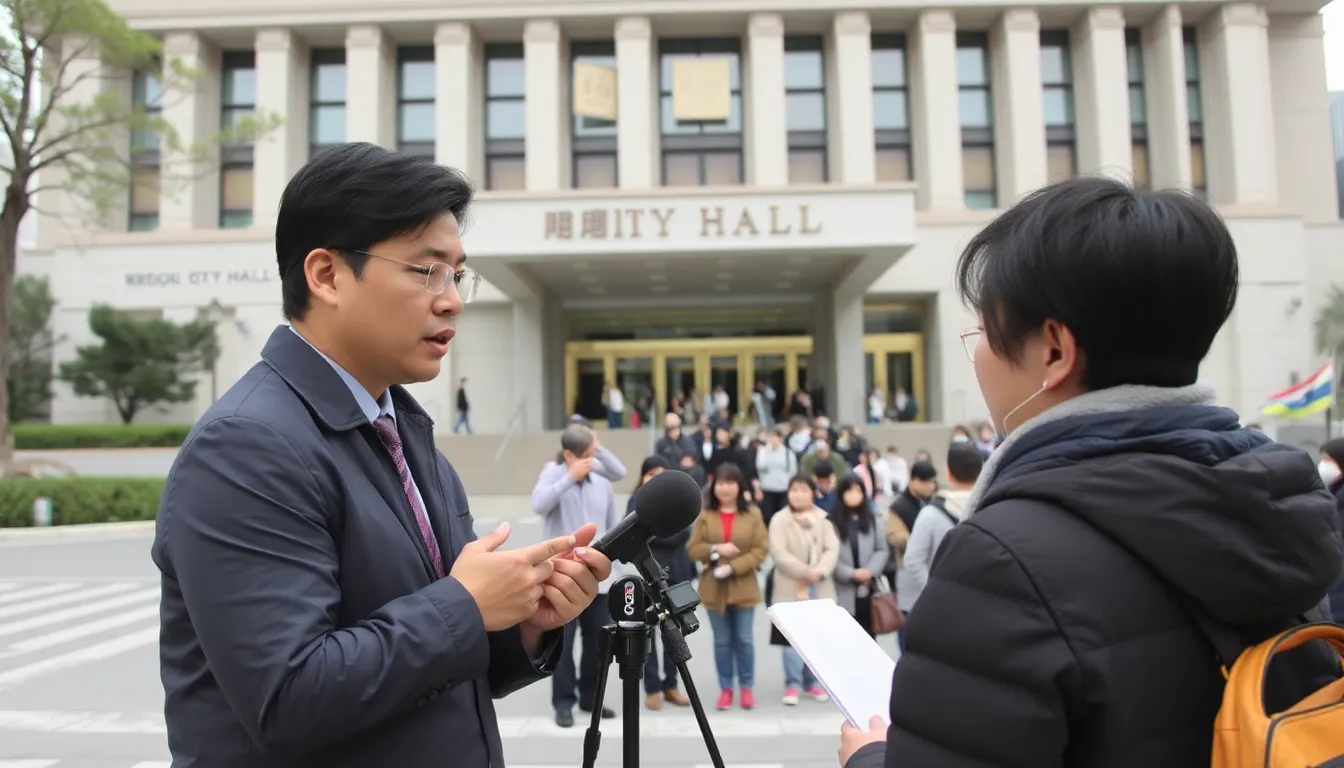
On October 15, a prominent presenter has been brought in to host a special segment dedicated to discussing air quality issues. This initiative aims to inform the public about the impacts of poor air quality on health and the environment. The program will feature expert opinions, data analysis, and practical tips for individuals to mitigate their exposure to harmful air pollutants.
Recent studies indicate that air quality has deteriorated significantly in urban areas, with some locations reporting levels of pollution that exceed safe thresholds. For instance, cities like Los Angeles and New Delhi have recorded alarming spikes in smog and particulate matter, raising concerns about respiratory illnesses among vulnerable populations. This trend highlights the urgent need for community engagement and policy action to address air quality challenges.
The special broadcast is expected to attract a diverse audience, including families, health professionals, and policymakers. By harnessing media influence, the initiative seeks to elevate public discourse around environmental health and encourage proactive measures. With air quality being a pressing global issue, this event aims to inspire collective action towards cleaner air.
Understanding the background of air quality concerns
Air quality has emerged as a critical public health issue over the past few decades, driven by a combination of industrialization, urbanization, and increasing vehicle emissions. The rise of manufacturing in the late 19th and early 20th centuries marked the beginning of significant air pollution, particularly in industrial cities. As economies grew, so did the demand for energy, leading to the burning of fossil fuels, which released harmful pollutants into the atmosphere.

In response to growing health concerns, the mid-20th century saw the establishment of environmental regulations aimed at curbing air pollution. The United States, for example, enacted the Clean Air Act in 1963, which was later amended in 1970 and 1990 to strengthen air quality standards.
The Role of Climate Change
In recent years, the conversation around air quality has become intertwined with discussions on climate change. The burning of fossil fuels not only contributes to poor air quality but also emits greenhouse gases that drive global warming.
Milestones such as the Paris Agreement in 2015 have further highlighted the global commitment to reducing emissions and improving air quality. Countries around the world are now recognizing that air pollution is not just a local issue but a global challenge that requires cooperation and innovative solutions. As a result, initiatives to monitor air quality and promote public awareness have become increasingly common, reflecting a collective effort to tackle this pressing issue.
Key stakeholders and issues surrounding air quality
The issue of air quality involves a diverse set of stakeholders, each with their own interests and objectives. Key actors include government agencies, environmental organizations, public health advocates, and the general public. Each group plays a crucial role in shaping policies and awareness around air quality, which has far-reaching implications for health, the environment, and economic stability.
Government agencies, such as the Environmental Protection Agency (EPA) in the United States, are responsible for establishing and enforcing air quality standards. Their primary interest is to protect public health and the environment, but they often face pressure from industrial sectors that may resist regulations due to economic concerns. This creates a conflict between regulatory mandates and economic interests, particularly in regions dependent on manufacturing and fossil fuel industries.
Environmental organizations advocate for stricter air quality measures to combat pollution and its effects on climate change. They aim to raise public awareness and influence policy decisions to prioritize sustainable practices. However, their efforts can sometimes clash with the interests of businesses that may view such regulations as a threat to profitability. This tension highlights the trade-offs between environmental protection and economic growth.
- Public Health Concerns: Poor air quality is linked to respiratory diseases, cardiovascular issues, and other health problems, which raises the stakes for public health advocates.
- Economic Implications: Industries may argue that stringent air quality regulations could lead to job losses and increased operational costs.
- Legal Framework: The enforcement of air quality standards often leads to legal challenges, as businesses may contest regulations they perceive as overly burdensome.
- Community Engagement: Local communities affected by air pollution may push for more transparency and involvement in decision-making processes related to air quality management.
- Technological Innovations: Advances in technology can offer solutions for reducing emissions, but the adoption of these technologies may be hindered by financial constraints or lack of awareness.
In summary, the interplay between these stakeholders reveals a complex landscape where public health, environmental sustainability, and economic viability must be balanced. Understanding these dynamics is essential for fostering informed discussions about air quality and its broader implications for society.
The impact of air quality on communities and markets
Air quality is a critical concern that affects various groups, including urban residents, children, the elderly, and individuals with pre-existing health conditions. Regions with high levels of pollution, such as industrial cities or areas near major highways, are particularly vulnerable. These communities often experience increased health risks, leading to a greater demand for healthcare services and interventions.
In the short term, poor air quality can lead to immediate health issues such as respiratory problems, exacerbating chronic illnesses. This not only impacts individuals but also places a strain on local healthcare systems. Businesses may face disruptions as employees take sick leave or as regulatory measures are implemented to address air quality concerns. For instance, construction projects may be halted or modified to comply with air quality regulations.
In the mid-term, the impacts on daily life can extend to economic sectors such as tourism, agriculture, and real estate. Areas known for their natural beauty may see a decline in visitors if air quality is poor, while agricultural yields can suffer from pollution-related issues. Additionally, property values in polluted regions may decrease, affecting homeowners and local economies.

Despite these challenges, there are potential opportunities for innovation and improvement. The push for better air quality can lead to advancements in green technologies and renewable energy sources. Businesses that invest in sustainable practices may find new markets and customer bases, while policymakers may be encouraged to develop stricter regulations that could ultimately benefit public health.
- Increased healthcare costs due to pollution-related illnesses.
- Economic downturns in tourism and real estate sectors.
- Opportunities for green technology and sustainable business practices.
- Potential for policy changes that prioritize air quality improvements.
A: The air quality special aims to highlight the current state of air pollution and its effects on health and the environment. A: The special will feature a renowned environmental expert who has extensive experience in air quality research. A: The air quality special is scheduled to air on the upcoming weekend, providing viewers with timely information. A: Viewers can engage through social media platforms by sharing their thoughts and questions during the broadcast. A: The special aims to raise awareness and encourage action towards improving air quality in local communities.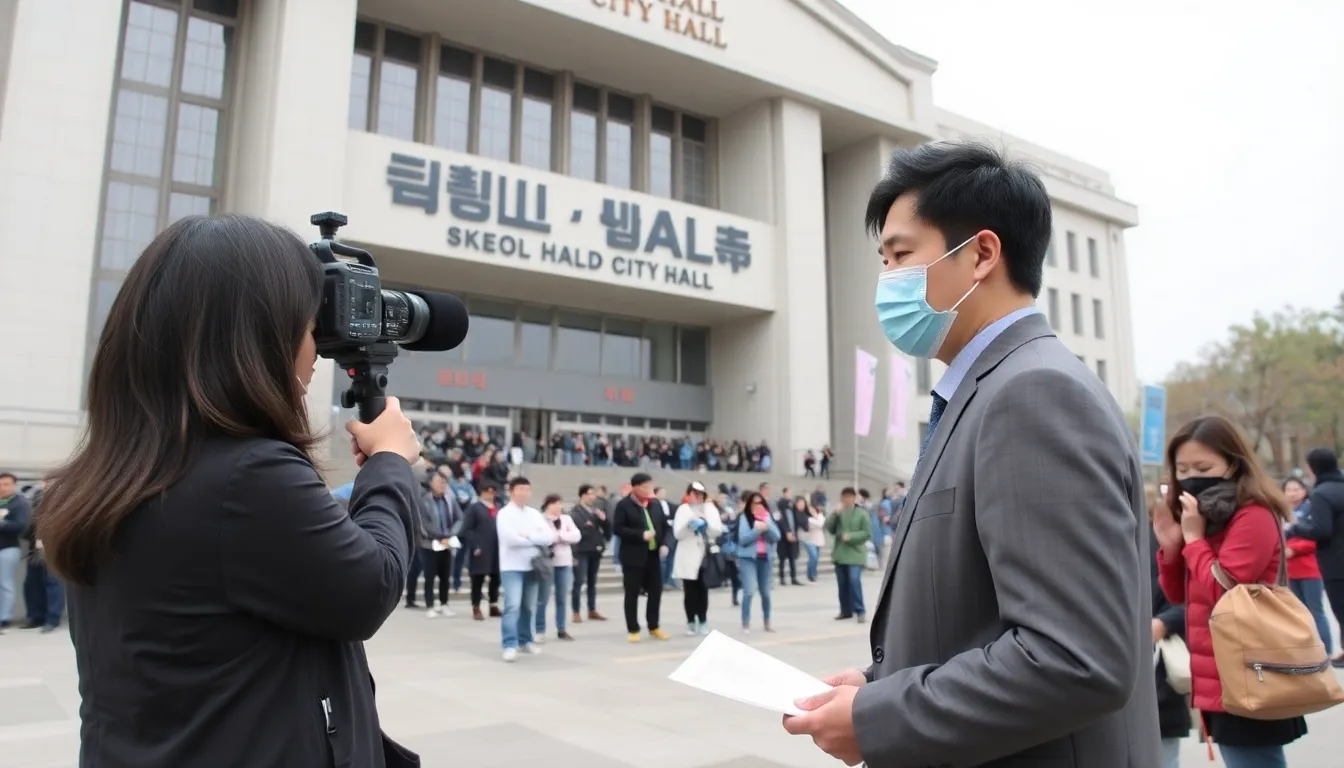
Frequently asked questions about the air quality special
Key takeaways and future outlook on air quality
The recent special hosted by the presenter highlights the urgent need for increased awareness and action regarding air quality issues. As communities grapple with the impacts of pollution on health and the environment, it is crucial to recognize the interconnectedness of local actions and global implications. The discussions around innovative solutions and policy changes pave the way for a more sustainable future.
Looking ahead, stakeholders from various sectors must collaborate to implement effective measures that can significantly improve air quality. The role of technology, public engagement, and regulatory frameworks will be paramount in shaping the air quality landscape moving forward.
- Community Engagement: Increased public awareness and involvement in air quality initiatives can drive change at the local level.
- Technological Innovations: Continued investment in clean air technologies will be essential for monitoring and improving air quality.
- Policy Development: Stronger regulations and policies are needed to address sources of pollution effectively.
- Health Impacts: Ongoing research into the health effects of poor air quality will inform better public health responses.
- Global Cooperation: Collaborative efforts across borders can enhance the effectiveness of air quality management strategies.