


The phenomenon is most prevalent during autumn when fruits such as apples and pears fall from trees and begin to ferment. As the deer consume these fruits, they can exhibit erratic behavior, making them more likely to wander onto roads and highways. This has raised concerns among local law enforcement and wildlife officials, who are urging drivers to remain vigilant. For more insights on wildlife management, check out this article on local government initiatives.
Police have issued warnings and safety tips to reduce the likelihood of accidents involving these inebriated animals. They advise motorists to be cautious in areas where deer are commonly spotted, especially during dawn and dusk when visibility is lower. Furthermore, local wildlife agencies are monitoring deer populations to assess the impact of this seasonal behavior.
This unusual situation highlights the intersection of wildlife behavior and human activity, prompting discussions about how communities can coexist with local fauna. As the autumn season progresses, officials continue to emphasize the importance of awareness to prevent potential accidents and ensure the safety of both drivers and deer.
Understanding the seasonal behavior of deer and alcohol consumption
As autumn approaches in France, the phenomenon of “drunk deer” becomes a topic of conversation among local authorities and wildlife experts. This peculiar behavior is largely attributed to the fermentation of fruits that fall from trees, which deer consume. The sugars in these fruits ferment in the deer’s stomach, leading to a state of inebriation. This seasonal occurrence has been noted for years, but it has gained increased attention due to its implications for both wildlife management and public safety. Understanding these dynamics can be further explored in our article about the balance between urban development and wildlife.
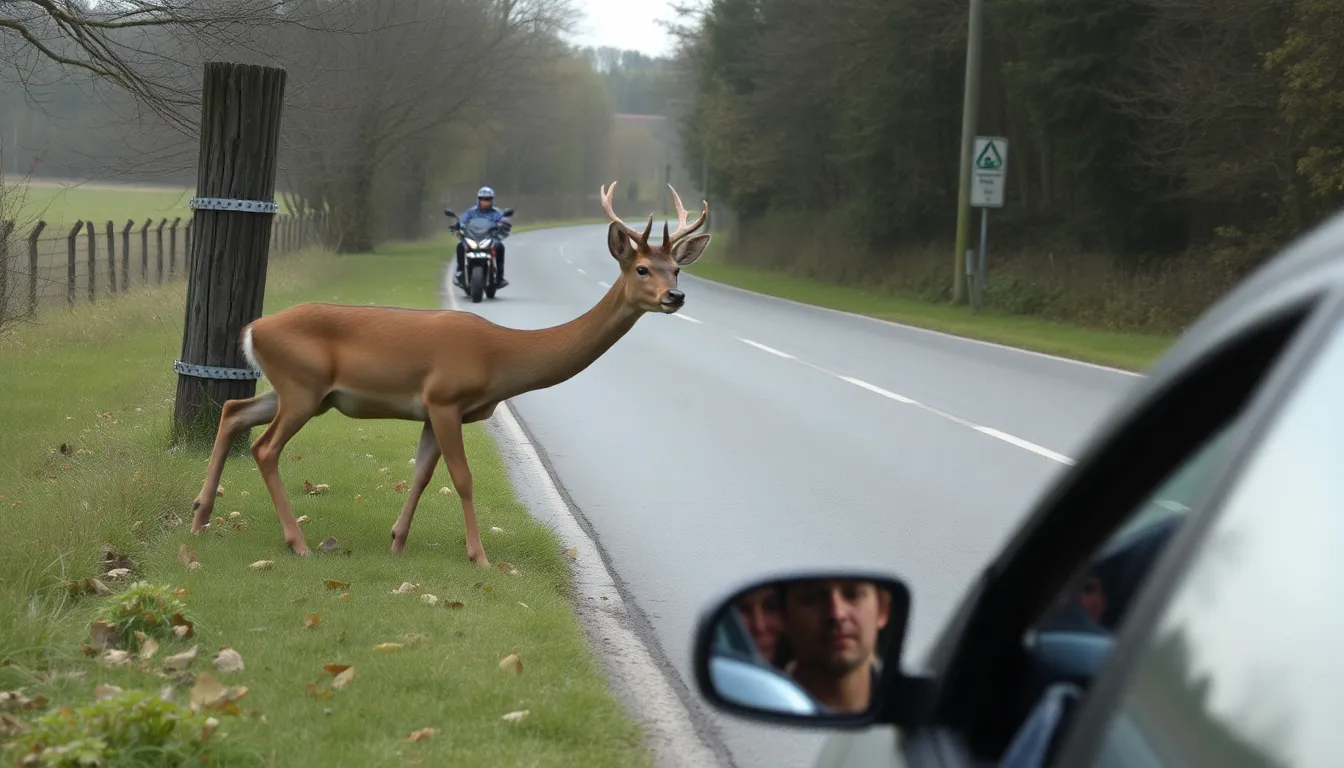
The relationship between deer and fermented fruits is not a new one. Historically, various regions have documented cases of wildlife exhibiting signs of intoxication after consuming overripe or fermented berries. In rural France, where orchards are prevalent, the phenomenon has been particularly noted during the harvest season. However, the impact of this behavior on deer populations and their interactions with humans has prompted authorities to issue warnings, especially as deer become more active and unpredictable while inebriated.
In recent years, the rise in deer populations, coupled with urban expansion, has led to more frequent encounters between humans and these inebriated animals. Local police departments have reported an increase in incidents involving deer collisions on roads, particularly during the fall months when deer are more likely to venture into populated areas in search of food. This has raised concerns about public safety and prompted law enforcement to issue advisories to drivers, urging caution during peak deer activity times.
The role of local legislation
In response to the growing concerns about drunk deer, local governments have begun to implement measures aimed at educating the public and mitigating risks. Some regions have introduced awareness campaigns that highlight the dangers of driving during peak deer activity periods and the importance of respecting wildlife habitats. These initiatives reflect a broader trend in wildlife management that seeks to balance human interests with the preservation of natural ecosystems. For additional tips on safety and wildlife interactions, refer to our piece on how communities can better coexist with nature.
Overall, the seasonal inebriation of deer serves as a reminder of the intricate relationship between wildlife and human activity. As deer continue to adapt to changing environments, understanding their behavior becomes essential for ensuring both their safety and that of the public.
Examining the implications of deer intoxication on public safety
The phenomenon of intoxicated deer, particularly in regions where fermented fruits are abundant, presents a unique challenge for various stakeholders, including local governments, wildlife organizations, and the general public. As reports emerge from French police warning of the potential dangers posed by these inebriated animals, it is essential to understand the interests of these actors and the implications for public safety.
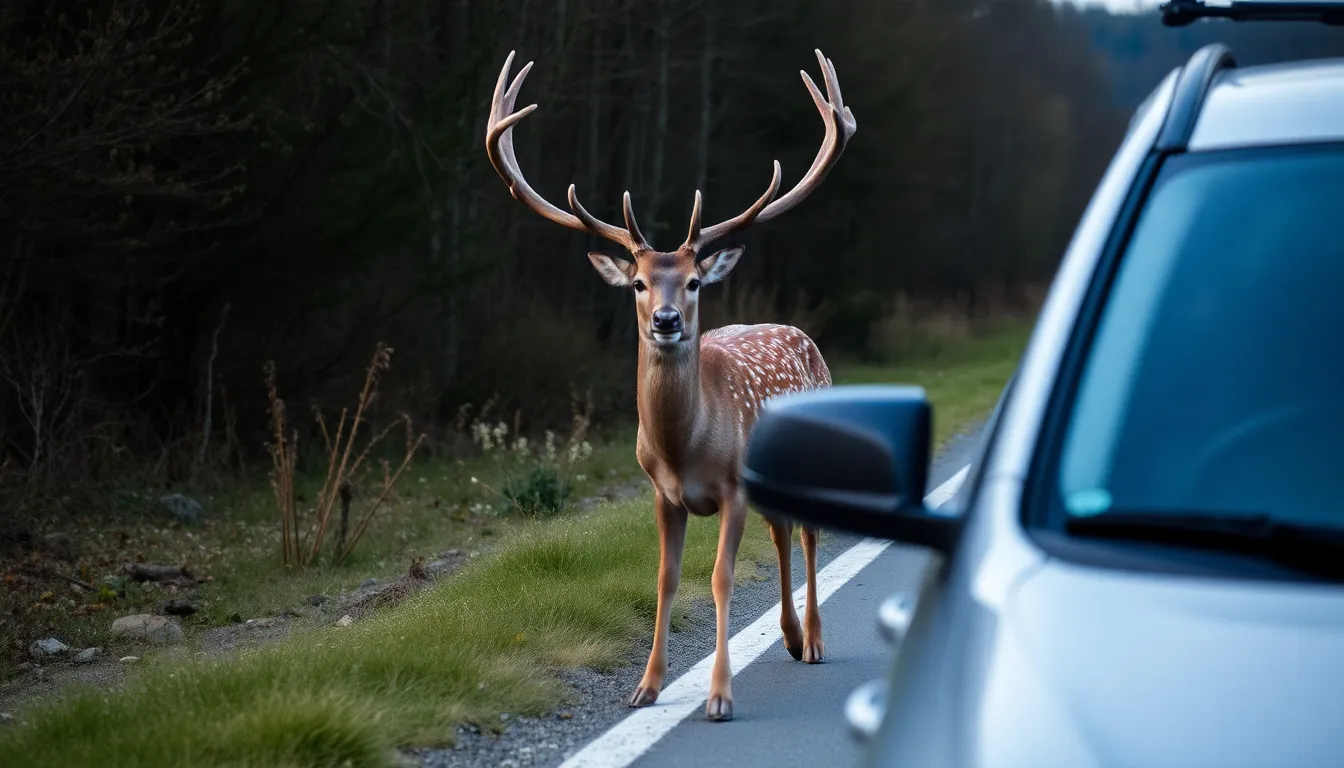
Local governments are primarily concerned with ensuring public safety and managing wildlife populations. The presence of drunk deer on roads can lead to accidents, endangering both the animals and motorists. This creates a conflict between the need to protect wildlife and the necessity of maintaining safe transportation routes. Additionally, local authorities may face pressure to implement measures such as wildlife crossings or public awareness campaigns.
Wildlife organizations have an interest in preserving deer populations while also educating the public on the natural behaviors of these animals. They may advocate for non-lethal methods of managing deer populations and encouraging responsible human behavior, such as securing waste and educating communities about the impacts of fermented fruits. However, these organizations must navigate the complexities of public perception and the potential backlash from residents who prioritize immediate safety concerns.
- Public Safety Risks: Increased likelihood of deer-related accidents.
- Wildlife Management: Balancing deer population control with conservation efforts.
- Community Awareness: The need for educational initiatives regarding deer behavior and safety.
- Legal Considerations: Potential liability issues for local governments in the event of accidents.
- Economic Impact: Costs associated with accidents and wildlife management programs.
Moreover, economic factors come into play, as accidents involving deer can lead to significant costs for insurance companies and local governments. The legal implications surrounding wildlife management and public safety regulations further complicate the situation. Stakeholders must navigate these challenges while seeking solutions that protect both human and animal interests in the region.
Potential dangers for drivers and wildlife interactions
The announcement from French police regarding the increased risk of encounters with inebriated deer during the autumn months has significant implications for various groups, particularly drivers, local communities, and wildlife conservationists. As deer become more active and unpredictable due to their consumption of fermented fruits, the likelihood of accidents on rural roads rises, posing a direct threat to motorists.
Regions with high deer populations, particularly in rural France, will experience heightened risks during this season. Local businesses that rely on tourism, such as hotels and restaurants, may see fluctuations in visitor numbers as potential travelers become wary of the dangers posed by drunken deer. Additionally, farmers and agricultural sectors may face challenges as deer venture into crops, leading to potential losses.
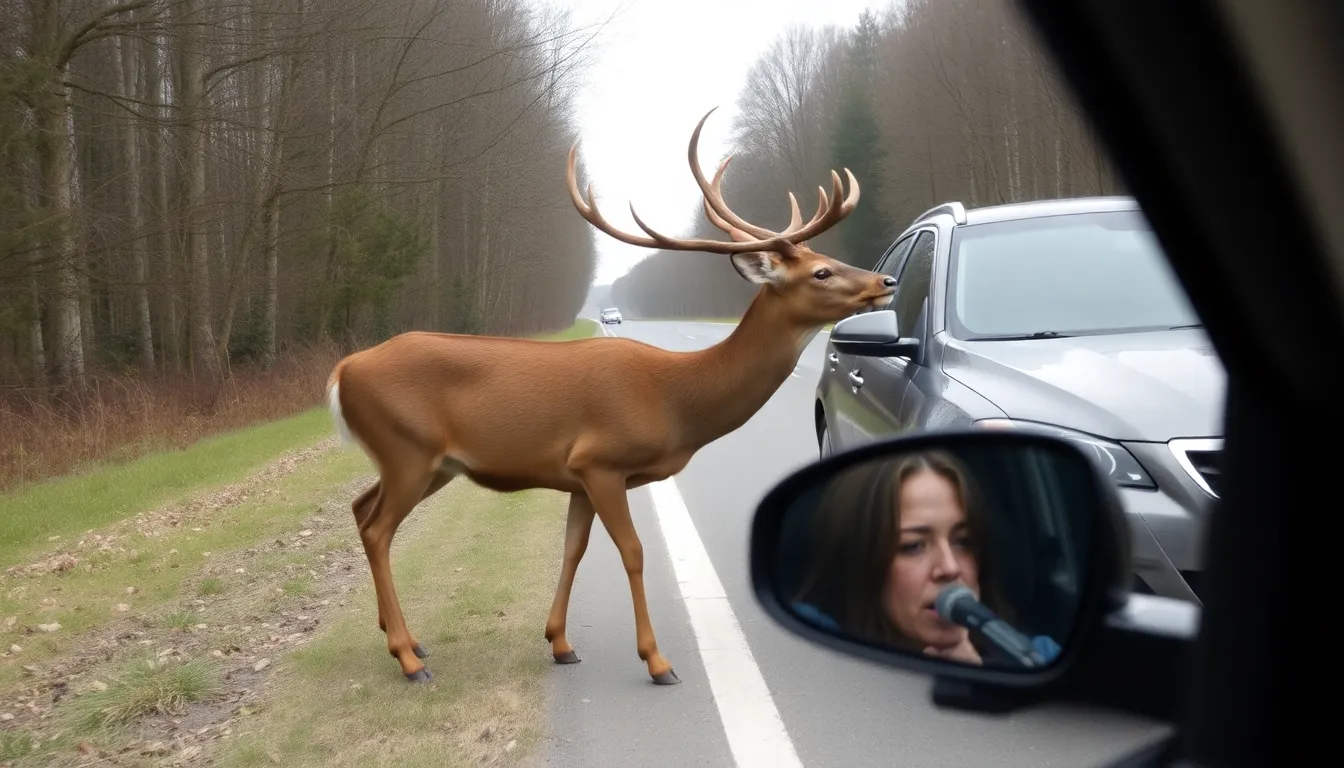
Short-term impacts include increased road safety campaigns by local authorities and potential changes in traffic regulations to mitigate risks. In the mid-term, wildlife management policies may be reevaluated to address the behavior of deer during this season, potentially leading to new guidelines for both conservation efforts and public safety.
- Increased road accidents involving deer.
- Potential decline in rural tourism due to safety concerns.
- Changes in wildlife management practices.
On the flip side, there are opportunities for local businesses to capitalize on this unique phenomenon. Wildlife tours and educational programs focusing on deer behavior could attract visitors interested in nature and wildlife. Additionally, local governments might invest in improved road signage and safety measures, which could enhance overall community infrastructure and safety awareness.
A: Deer can become intoxicated by consuming fermented fruits or grains, which can lead to erratic behavior and increased risks on roads. A: Drivers should be extra cautious, especially in rural areas where deer are more prevalent, and be vigilant for any unusual animal behavior. A: The peak times for intoxicated deer incidents typically coincide with the fall harvest season when fermented fruits are abundant. A: If you see a deer acting strangely, it’s best to keep your distance and avoid approaching it, as it may react unpredictably. A: Yes, similar incidents have been reported in other regions, particularly during harvest seasons when deer have access to fermented foods.
Frequently asked questions about drunk deer
Key takeaways and future considerations regarding drunk deer
The phenomenon of intoxicated deer, as highlighted by the French police, raises several important considerations for both wildlife management and public safety. As the season progresses, it is essential for communities to remain vigilant and informed about the potential risks associated with these animals. The blending of natural behaviors with human-induced factors, such as the availability of fermented fruits, calls for a proactive approach in addressing the implications of this unusual situation.
In light of these developments, it is crucial for residents in affected areas to understand how to coexist with these inebriated deer while ensuring their safety and that of the wildlife. Awareness and education can play pivotal roles in mitigating risks and fostering a harmonious relationship between humans and nature during this unique season.
- Monitor local wildlife reports to stay informed about deer activity in your area.
- Exercise caution when driving, especially in rural areas where deer crossings are common.
- Educate your community about the signs of intoxicated deer and how to respond safely.
- Consider implementing measures to reduce the availability of fermented fruits in residential areas.
- Engage with local wildlife authorities to discuss potential strategies for managing drunk deer populations.