


The series stars Jon Bernthal, reprising his role as Frank Castle, a character known for his brutal methods of justice. Critics have pointed out that this iteration delves deeper into the psychological effects of trauma, making it a compelling yet harrowing viewing experience. The emphasis on mental health issues resonates with audiences, particularly in a time when discussions around PTSD are increasingly prevalent, such as those highlighted in the article on Exploring the Flaws of Mixtape as a Personal Game Experience.
As Marvel continues to expand its universe, the response to ‘Punisher: One Last Kill’ reflects a growing appetite for darker, more complex storytelling. This shift not only highlights the potential for character development but also raises questions about the responsibility of creators in addressing sensitive subjects. The series has sparked conversations about the balance between entertainment and the portrayal of real-world issues.
With its release, ‘Punisher: One Last Kill’ has positioned itself as one of Marvel’s most violent projects to date, challenging viewers to confront the darker aspects of heroism. The show’s reception may influence future Marvel offerings, as audiences increasingly seek narratives that explore the human condition in all its complexities.
Understanding the background of the Punisher character and his evolution
The Punisher, created by writer Gerry Conway and artists John Romita Sr. and Ross Andru, first appeared in “The Amazing Spider-Man” #129 in 1974. Initially introduced as a villain, the character quickly evolved into an anti-hero, embodying themes of vengeance and justice. His backstory, which revolves around the tragic murder of his family by the mob, laid the groundwork for his relentless pursuit of criminals, often through brutal and lethal means. This complex narrative has allowed the Punisher to resonate with audiences, reflecting societal frustrations with crime and the justice system.
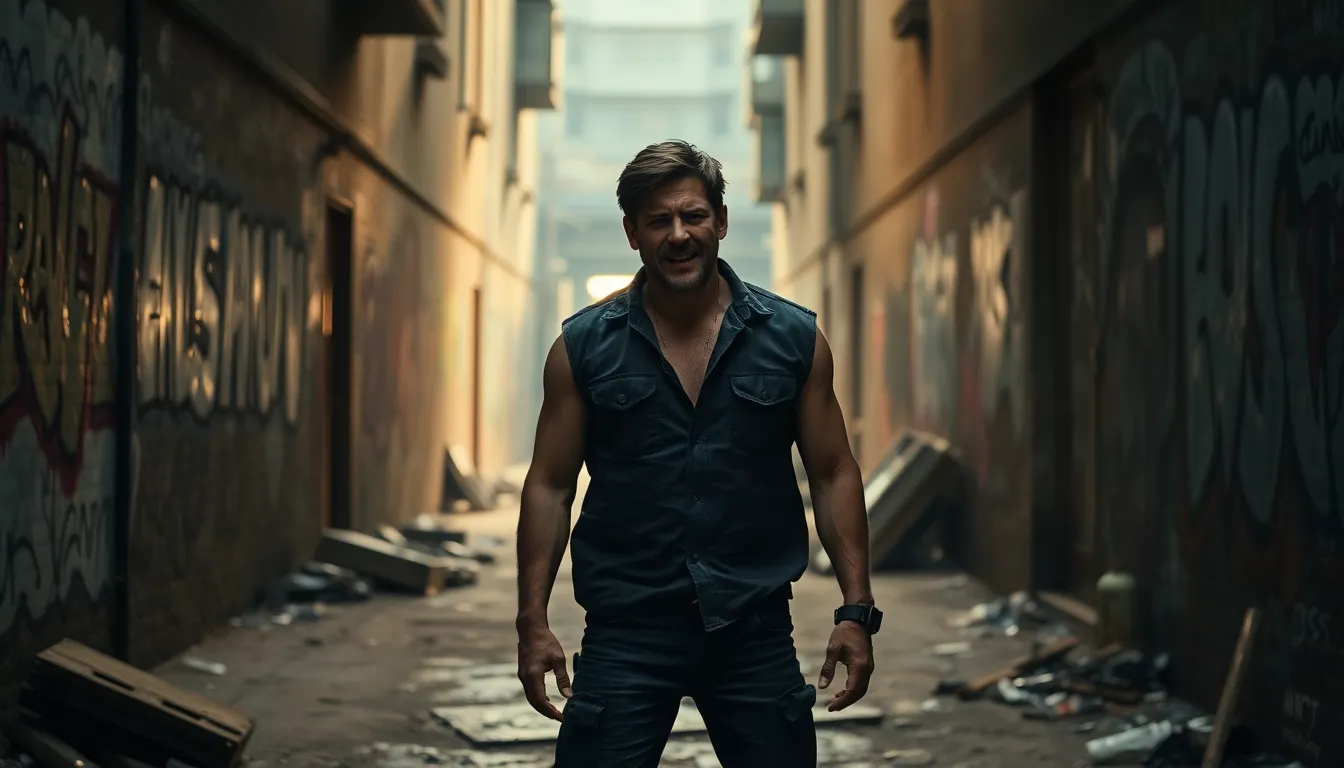
Over the decades, the Punisher has been adapted into various media, including films, animated series, and video games. Each iteration has explored different facets of his character, often amplifying the themes of violence and moral ambiguity. The 2004 film starring Thomas Jane and the more recent Netflix series have particularly highlighted his psychological struggles, including post-traumatic stress disorder (PTSD) and the ramifications of his violent lifestyle, creating awareness similar to that in Discover the Genius of Ron Carter.
The Cultural Impact of Violence in Media
The portrayal of violence in media has been a contentious issue, especially as it relates to characters like the Punisher. As society grapples with the real-world implications of violence, the character serves as a lens through which audiences can examine their own beliefs about justice, morality, and retribution. The increasing prevalence of PTSD among veterans has further complicated this narrative, as it brings to light the struggles faced by those who have experienced trauma. The Punisher’s journey, particularly in “Punisher: One Last Kill,” invites viewers to confront these difficult themes and consider the consequences of extreme violence.
In recent years, the character has also become a symbol in political discourse, often co-opted by various groups to represent their ideologies. This appropriation has led to debates about the ethical responsibilities of creators in portraying such a complex figure. As “Punisher: One Last Kill” delves deeper into the psychological aspects of its protagonist, it not only reinforces the character’s violent legacy but also challenges viewers to reflect on the broader implications of his actions and the societal issues at play.
Examining the themes of violence, PTSD, and grief in the series
The release of ‘Punisher: One Last Kill’ has ignited discussions among various stakeholders, including audiences, mental health advocates, and the creators behind the Marvel franchise. Each group has distinct interests that influence their perspectives on the series, particularly concerning its portrayal of violence and its impact on viewers grappling with trauma.
Audiences, particularly fans of the superhero genre, may find themselves drawn to the intense action and character development. However, this attraction can conflict with the serious themes of PTSD and grief depicted in the show. Viewers may experience a range of emotions, from exhilaration to discomfort, as they navigate the juxtaposition of entertainment and the harsh realities of mental health struggles.
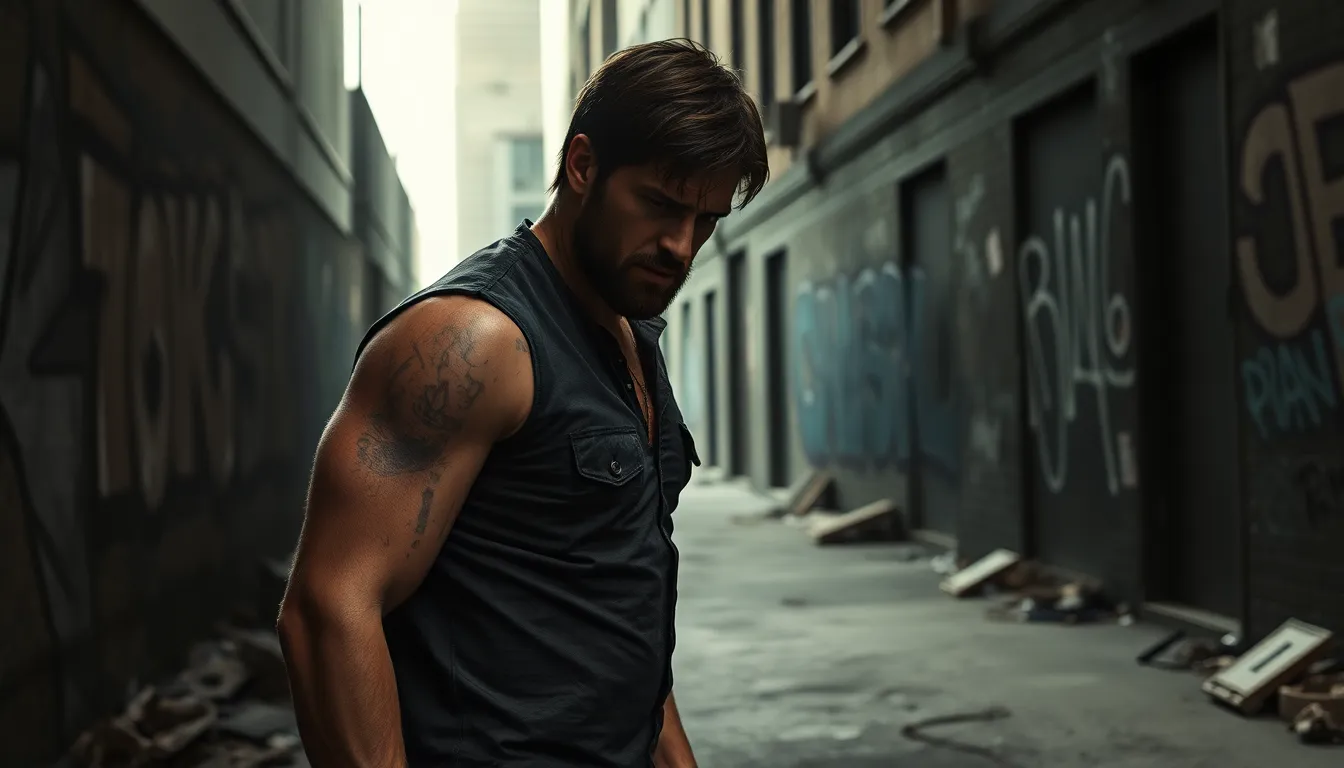
Mental health advocates express concern over the potential normalization of violence and its implications for viewers’ understanding of PTSD. They argue that while the series aims to highlight the psychological scars of war and loss, it risks trivializing these issues through its graphic depiction of violence. This creates a tension between storytelling and responsible representation.
Moreover, the creators of the series face the challenge of balancing artistic expression with social responsibility. The portrayal of Frank Castle as a deeply flawed character grappling with his demons raises questions about the ethical implications of glorifying violence in media. This dilemma is compounded by the legal and economic interests of the Marvel franchise, which must consider audience reception and marketability while addressing sensitive topics.
- Conflict between entertainment value and responsible representation of trauma.
- Concerns from mental health advocates regarding the depiction of PTSD.
- The challenge for creators to balance artistic freedom with social impact.
- Potential economic repercussions based on audience reception of violent themes.
- The role of media in shaping public perceptions of mental health issues.
The effects of the series on viewers and the broader Marvel franchise
The release of ‘Punisher: One Last Kill’ has significant implications for various groups, particularly fans of the Marvel franchise, mental health advocates, and content creators. As the series delves deeply into themes of PTSD and grief, it resonates with viewers who have experienced similar traumas, creating a sense of connection and understanding akin to the experiences shared in Australian indie video game Mixtape brings nostalgia to life.
In the short term, audiences may experience a mix of emotional responses, including catharsis and discomfort, affecting their viewing habits and engagement with other media. The intense portrayal of violence and trauma might lead some viewers to seek out support resources, while others may find themselves drawn to similar content that explores these themes. This could shift viewing patterns within the streaming industry, as consumers increasingly gravitate towards narratives that tackle complex emotional issues.
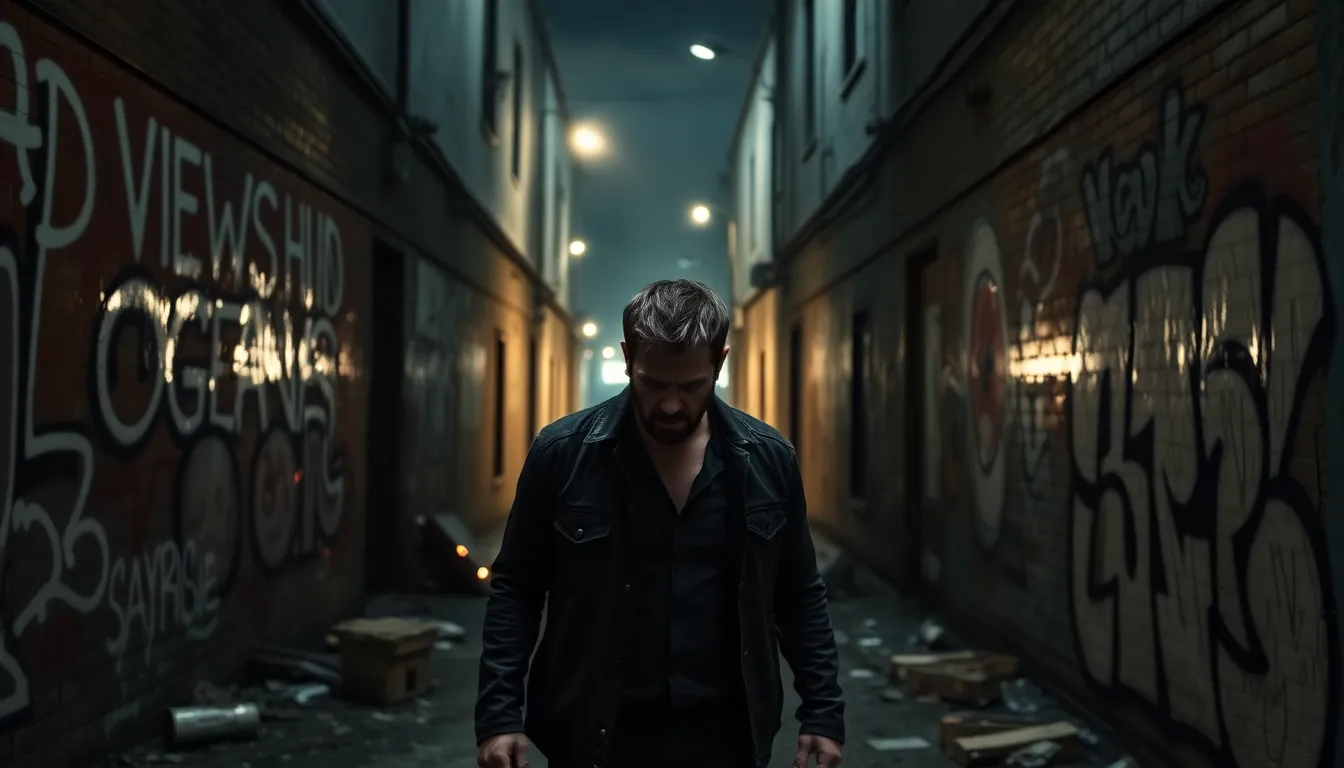
From a business perspective, the series could impact Marvel’s brand image. While it may attract a dedicated audience interested in darker, more mature storytelling, it also risks alienating some traditional fans who prefer lighter, more family-friendly content. This dichotomy may lead to a reevaluation of Marvel’s content strategy, balancing the need for diversity in storytelling with the expectations of its broader fanbase.
- Short-term impact: Increased discussions around mental health and trauma among viewers.
- Mid-term impact: Potential shifts in content creation strategies within the Marvel franchise.
- Risks: Alienation of traditional fans and possible backlash against graphic content.
- Opportunities: Expansion into new genres and deeper storytelling that resonates with contemporary issues.
Regions with a strong presence of Marvel fandom, such as North America and Europe, may see a spike in merchandise sales and related events, as fans engage more deeply with the series. Additionally, mental health organizations could leverage the series for awareness campaigns, creating partnerships that benefit both the franchise and advocacy efforts.
A: The main theme revolves around the exploration of PTSD and grief, showcasing how these issues affect the protagonist and those around him. A: This series is noted for its extreme violence and darker themes, setting it apart from other Marvel projects that typically focus on lighter narratives. A: Due to its graphic content and mature themes, this series is recommended for adult audiences and may not be suitable for younger viewers. A: The series primarily follows Frank Castle, also known as the Punisher, along with supporting characters who are integral to his journey. A: Viewers can expect deep character exploration, particularly of Frank Castle, as he navigates his trauma and the consequences of his violent actions.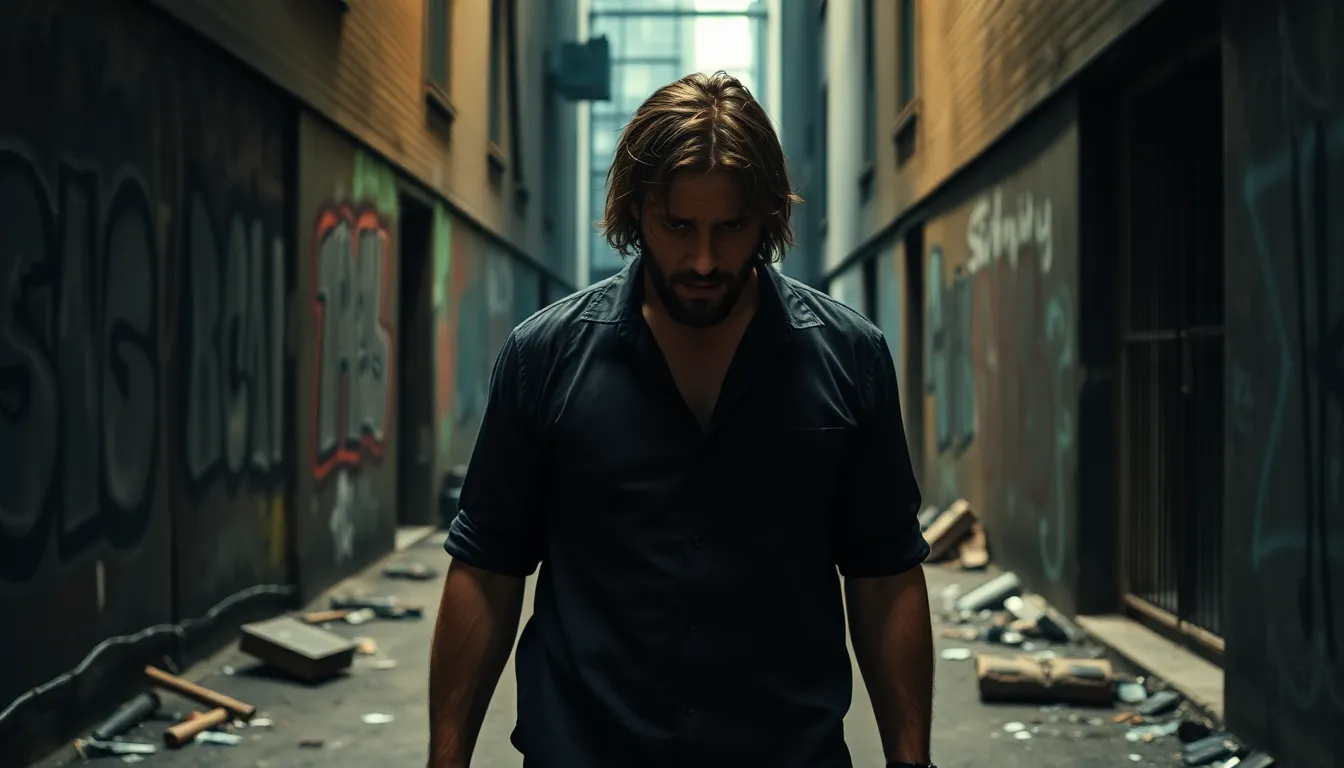
Frequently asked questions about Punisher One Last Kill
Key takeaways and future implications of the series
‘Punisher: One Last Kill’ delves deep into the psychological impacts of trauma and loss, presenting a narrative that resonates with many viewers who have faced similar struggles. The series not only highlights the brutality of violence but also the emotional toll it takes on individuals, making it a poignant exploration of PTSD and grief. As Marvel continues to push boundaries with its storytelling, this project sets a precedent for how superhero narratives can engage with complex themes in a meaningful way.
Looking ahead, the success of this series may encourage other creators within the superhero genre to tackle darker, more nuanced subjects, potentially leading to a shift in audience expectations regarding character development and thematic depth in future projects.
- The portrayal of PTSD in the series may lead to increased discussions about mental health awareness and resources for veterans and trauma survivors.
- Viewers might seek content that explores similar themes, indicating a growing appetite for narratives that challenge traditional superhero tropes.
- The series could pave the way for more adult-oriented storytelling within the Marvel universe, influencing future projects to incorporate complex emotional arcs.
- As audiences respond to the brutal realism depicted, it may prompt creators to consider the balance between violence and emotional resonance in their narratives.