


The fee structure, which was revised earlier this year, has led to increased costs for groups utilizing park facilities. Choir leader Sarah Thompson highlighted that these fees were not clearly communicated, leaving many community groups uncertain about their budgets. As a result, several organizations are reconsidering their use of the park for events and gatherings, similar to the concerns raised in the recent discourse on community resource allocation.
Local officials have stated that the changes were intended to improve park maintenance and services, but many residents feel the new fees are prohibitive. Community feedback has been mixed, with some supporting the need for funding while others argue that public parks should remain free for community use. The choir’s situation exemplifies the challenges faced by grassroots organizations in navigating these changes.
This issue is particularly significant as it touches on the broader themes of community engagement and the importance of public spaces for social interaction. As the choir continues to seek clarification on the fee structure, it remains to be seen how local authorities will respond to the growing concerns from residents and community groups alike.
Understanding the recent changes in park fee policies
The recent controversy surrounding the park fee structure has its roots in a broader context of budgetary constraints faced by local governments. Over the past decade, many municipalities have struggled to balance their budgets amid rising costs and decreasing revenues. This has led to a reevaluation of how public spaces, such as parks, are funded and maintained. As a result, many local authorities have implemented fee structures aimed at generating revenue, which has sparked debates about accessibility and community engagement.
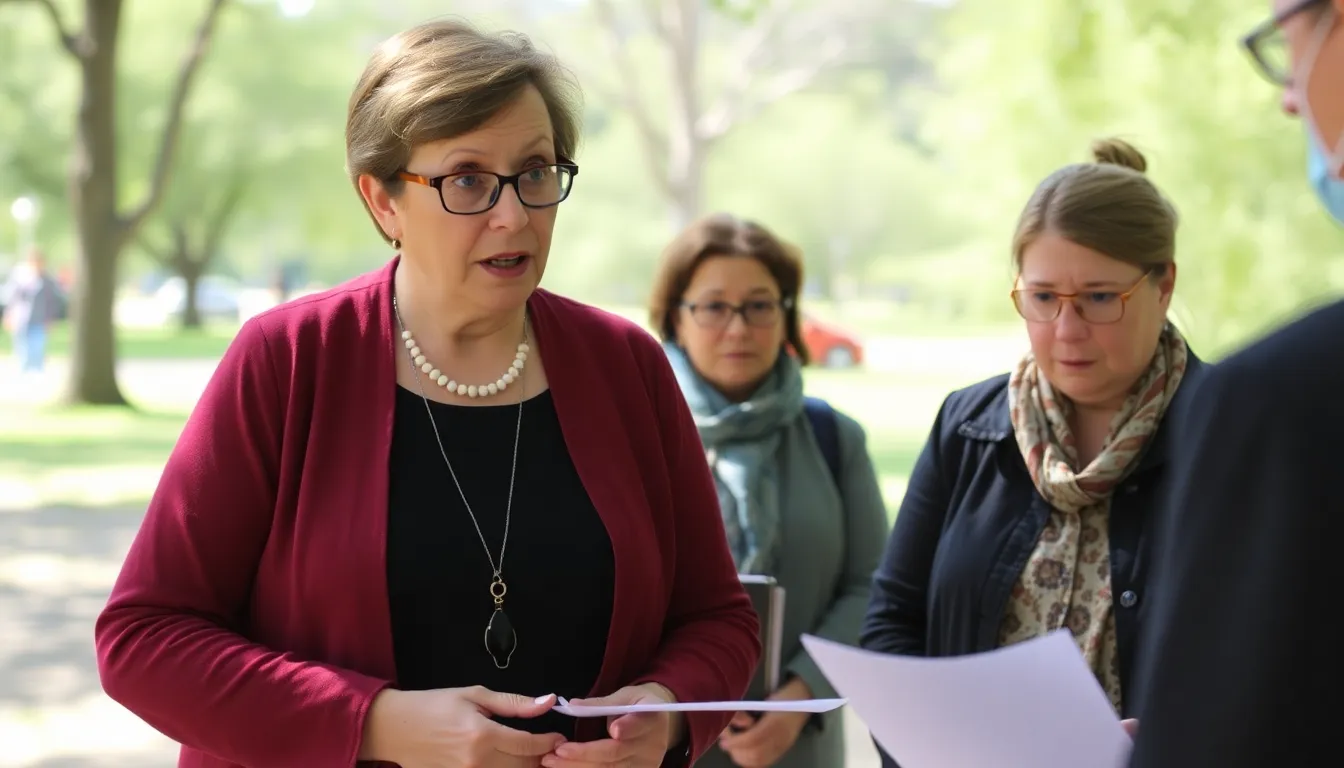
Historically, parks have been viewed as communal spaces that promote social interaction and well-being. However, as economic pressures mount, the perception of parks has shifted, with some local governments prioritizing financial sustainability over public access. This has led to the introduction of various fees for activities and events held in parks, which can disproportionately affect community groups, such as choirs, that rely on these spaces for rehearsals and performances, shedding light on the ongoing struggle for equitable access.
The impact on community organizations
Community organizations, like the choir in question, often operate on limited budgets and rely heavily on free or low-cost venues. The introduction of new fees has left many leaders perplexed and frustrated, as they navigate the complexities of the fee structure. For instance, the fee might vary based on the size of the group, the duration of the event, or even the specific area of the park being used. Such a convoluted system can deter groups from using these spaces, ultimately undermining the very purpose of parks as inclusive community hubs.
In recent years, there have been several high-profile cases where community groups have rallied against these fee structures, arguing that they hinder access to public spaces. These instances have often led to public outcry and calls for policy reviews. As communities advocate for more transparent and equitable fee systems, the ongoing dialogue highlights the tension between financial sustainability and community accessibility in public park management, similar to the insights found in discussions about the flaws in community experiences.
Examining the stakeholders affected by the fee changes
The recent changes to park fee structures have sparked a debate that involves various stakeholders, each with their own interests and concerns. Among the most prominent actors are local government officials, community organizations, and the members of the Mums’ choir itself. Understanding these stakeholders is crucial to grasping the broader implications of the fee adjustments.
Local government officials are primarily interested in generating revenue to maintain and improve public parks. They argue that increased fees are necessary to cover rising maintenance costs and to fund community programs. However, this perspective often clashes with the community’s needs, particularly those of groups like the Mums’ choir, who rely on affordable access to these spaces for their activities.
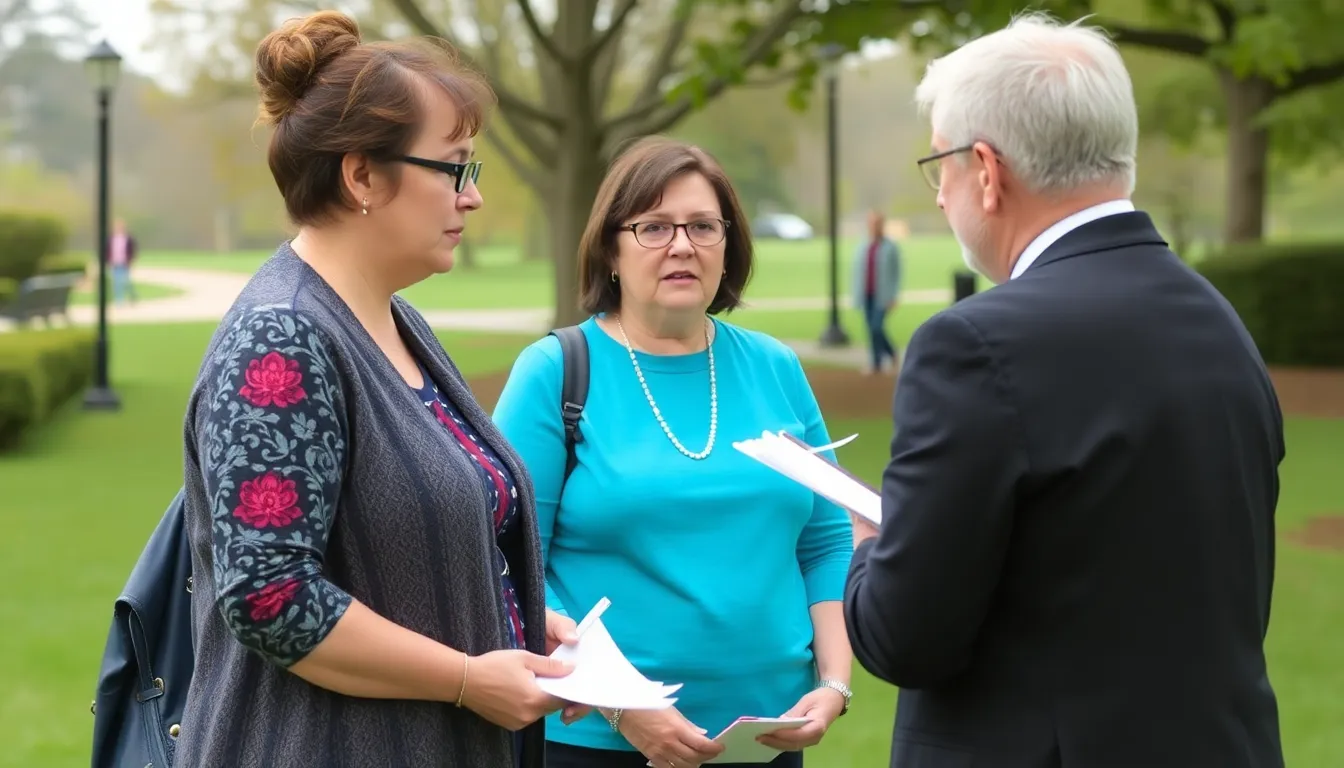
On the other hand, community organizations advocate for fair and accessible public spaces. They express concerns that higher fees could deter participation in community activities, particularly for families with limited financial means. This conflict raises important questions about equity and inclusivity in public resource allocation.
- Economic Impact: Increased fees may limit access for low-income families, potentially leading to decreased participation in community activities.
- Legal Considerations: There may be legal challenges regarding the justification of fee increases, especially if they disproportionately affect specific groups.
- Public Sentiment: The response from the community could influence future policy decisions, as public opinion plays a significant role in local governance.
- Trade-offs: Balancing the need for revenue with the goal of maintaining community engagement presents a significant dilemma for local officials.
Ultimately, the dynamics between these stakeholders illustrate the complexity of managing public resources. The ongoing dialogue surrounding park fees reflects broader societal issues, including economic disparity and the importance of community engagement in decision-making processes.
Potential effects on community activities and participation
The recent confusion surrounding the park fee structure has implications for various groups within the community, particularly local arts organizations, families, and recreational groups. Choirs and other community-oriented activities often rely on public spaces for rehearsals and performances, and any changes in fee structures can directly impact their accessibility.
In the short term, the uncertainty around fees may discourage participation in community activities. Parents may be hesitant to enroll their children in programs that utilize park spaces if they are unsure about the costs involved. This could lead to a decrease in attendance at events and a decline in community engagement.
Mid-term effects could see local businesses that cater to families and community events facing challenges. If fewer people are using park facilities, businesses such as cafes and shops that benefit from increased foot traffic may experience reduced sales. Conversely, this situation could provide an opportunity for advocacy groups to push for more transparent and equitable fee structures, potentially leading to policy changes that benefit the community.
- Reduced participation in community choirs and events.
- Potential decline in local business revenue linked to park activities.
- Opportunities for policy advocacy and community engagement.
Moreover, the situation highlights a broader issue regarding the management of public spaces. Stakeholders, including local government and community leaders, may need to reassess their approach to park fees to ensure they are fair and promote inclusivity. Addressing these concerns could foster a more vibrant community culture and encourage greater participation in local activities.
A: The local council implemented the new fee structure to better manage park resources and funding. However, the lack of communication has left many community members confused. A: The new fees may increase costs for the choir, potentially limiting their ability to practice in the park. This could lead to a decrease in community engagement. A: Yes, the council has mentioned that there may be discounts for registered community groups, but details are still unclear. A: Community members can reach out to the local council’s parks department for more information and clarification on the fee structure. A: The council has indicated that they will review the fee structure periodically based on community feedback and usage patterns.
Frequently asked questions regarding the park fee structure
Key takeaways and future outlook on park fees
The recent concerns raised by the choir leader regarding the park fee structure highlight a growing need for transparency and clarity in local government policies. As communities increasingly engage in public spaces for recreational and cultural activities, it is essential that fee structures are not only fair but also communicated effectively to avoid confusion and frustration.
Moving forward, stakeholders should consider the implications of the current fee system on community engagement and participation. An open dialogue between local authorities and community groups could lead to more equitable solutions that benefit all parties involved.
- Community Engagement: Increased communication between local authorities and community groups can foster trust and collaboration.
- Fee Structure Review: A comprehensive review of the existing fee structure may be necessary to ensure it aligns with community needs and expectations.
- Transparency Measures: Implementing clearer guidelines and accessible information about park fees can mitigate confusion among users.
- Feedback Mechanisms: Establishing channels for community feedback can help local governments adjust policies in response to public sentiment.
- Future Planning: Consideration of how park fees impact community activities will be crucial in planning for sustainable and inclusive public spaces.