


The presence of such notable figures underscores Amazon’s commitment to competing fiercely in the advertising market. By aligning its brand with renowned personalities, the company seeks to draw attention to its streaming platform, Prime Video, and its growing portfolio of original content, which includes blockbuster films and acclaimed series. For more insights into content strategy, check out Kotaku expands with new Senior Reporter.
During the Upfront presentation, Amazon highlighted its plans to enhance viewer engagement through interactive advertising formats and personalized content recommendations. This strategy is particularly relevant as advertisers increasingly seek platforms that offer measurable results and deeper consumer connections, similar to the celebrity influence seen at the BAFTA TV Awards.
As the digital advertising landscape evolves, Amazon’s efforts to leverage star power and innovative advertising solutions could significantly impact its market position. The involvement of celebrities not only attracts media coverage but also aims to resonate with audiences, making advertising on Amazon a more appealing proposition for brands looking to invest in digital media.
The significance of Amazon Upfront in the advertising landscape
Amazon Upfront has emerged as a pivotal event in the advertising industry, showcasing the company’s growing influence in the media and entertainment sectors. Traditionally dominated by television networks, the upfronts are a series of presentations where networks pitch their upcoming programming to advertisers. However, Amazon’s entry into this space marks a significant shift, reflecting the broader trend of digital platforms gaining traction in advertising.
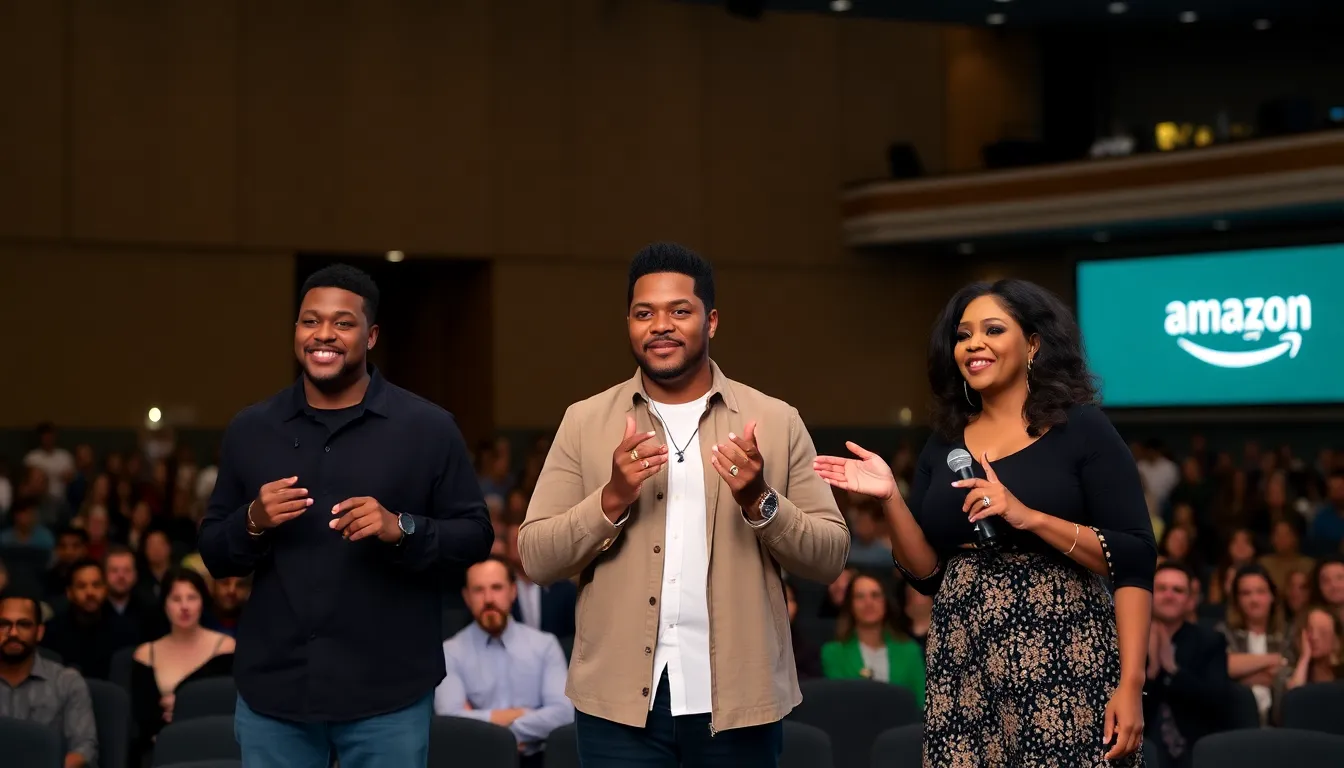
The significance of this event is underscored by the participation of high-profile celebrities like Michael B. Jordan, Chris Pratt, and Oprah Winfrey. Their involvement not only elevates the visibility of Amazon’s offerings but also highlights the company’s strategy to blend entertainment with advertising, creating a more engaging experience for consumers. This approach aligns with the evolving preferences of audiences who increasingly favor on-demand content over traditional television.
Historical Context of Upfront Advertising
The concept of upfront advertising dates back to the 1960s when television networks began selling advertising slots for their upcoming seasons in advance. This model allowed networks to secure ad revenue early, providing financial stability. However, with the rise of streaming services and digital media, advertisers are now seeking more flexible and targeted options, challenging the traditional upfront model.
Amazon’s foray into this space can be traced to its acquisition of MGM and the expansion of its Prime Video platform. These strategic moves have positioned Amazon not just as a retailer but as a formidable player in the entertainment industry, capable of attracting both viewers and advertisers. The company’s focus on integrating original content with advertising opportunities has set a new precedent, encouraging other digital platforms to follow suit. To explore more about unique art influences, visit Exploring the Enigmatic Art of Lydia Ourahmane in Venice.
As Amazon continues to innovate in the advertising landscape, its Upfront event serves as a bellwether for the future of ad sales. The blending of star power with digital marketing strategies signifies a new era where traditional advertising methods must adapt to keep pace with changing consumer behaviors and technological advancements.
Key stakeholders and issues in the advertising pitch
The recent Amazon Upfront event showcased a star-studded lineup featuring prominent figures like Michael B. Jordan, Chris Pratt, and Oprah Winfrey, highlighting the importance of celebrity endorsements in advertising. These individuals are key stakeholders whose involvement can significantly influence consumer perception and brand loyalty. Their participation not only elevates the event’s profile but also aligns Amazon with a diverse audience, tapping into various demographic segments.
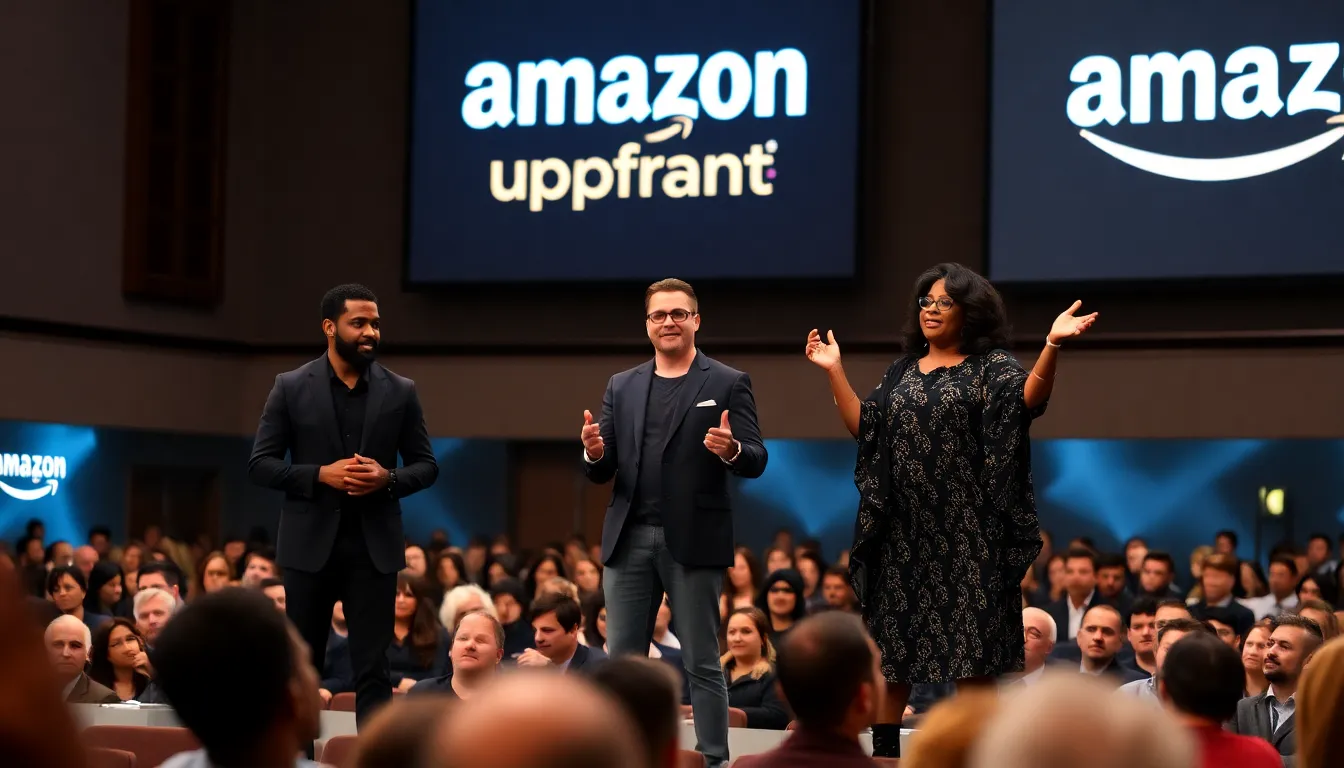
Amazon, as a major player in the e-commerce and streaming sectors, has vested interests in expanding its advertising revenue. The company aims to leverage high-profile endorsements to attract advertisers looking to reach a broader audience through its platforms. This strategy raises questions about the effectiveness of celebrity-driven campaigns and whether they translate into increased sales and viewer engagement.
However, the integration of such high-profile figures into advertising campaigns is not without its challenges. Conflicts may arise over the portrayal of these celebrities, as their personal brands can impact the perception of the products they endorse. Additionally, the economic implications of celebrity endorsements can lead to trade-offs between the costs of hiring these stars and the potential return on investment for advertisers.
- Celebrity Influence: The role of celebrities in shaping consumer behavior and brand image.
- Advertising Revenue: Amazon’s goal to increase its share of the advertising market through high-profile campaigns.
- Brand Alignment: The importance of aligning celebrity endorsements with the values and image of the products being promoted.
- Legal Considerations: Potential legal issues surrounding endorsements, including false advertising claims and the impact of celebrity scandals.
- Market Competition: The competitive landscape of advertising, with other platforms also vying for celebrity involvement and advertiser attention.
As Amazon navigates these complexities, the interplay between celebrity endorsements, consumer trust, and the evolving advertising landscape remains a critical area for analysis. Understanding these dynamics will be essential for stakeholders looking to maximize the impact of their advertising strategies in an increasingly crowded marketplace.
How this event influences the advertising market
The recent Amazon Upfront event featuring high-profile celebrities like Michael B. Jordan, Chris Pratt, and Oprah Winfrey has significant implications for various groups and industries. Primarily, the advertising sector is poised for a transformative shift as brands look to leverage the star power showcased during this event. Advertisers, media companies, and content creators will feel the ripple effects as they adjust their strategies to align with the trends set forth by this star-studded sales pitch.
In the short term, businesses across multiple sectorsespecially retail, entertainment, and technologymay experience an uptick in advertising investments. Companies are likely to capitalize on the heightened visibility and credibility that comes from associating with such influential figures. This could lead to a more competitive advertising landscape as brands vie for the attention of consumers who are increasingly drawn to celebrity endorsements.
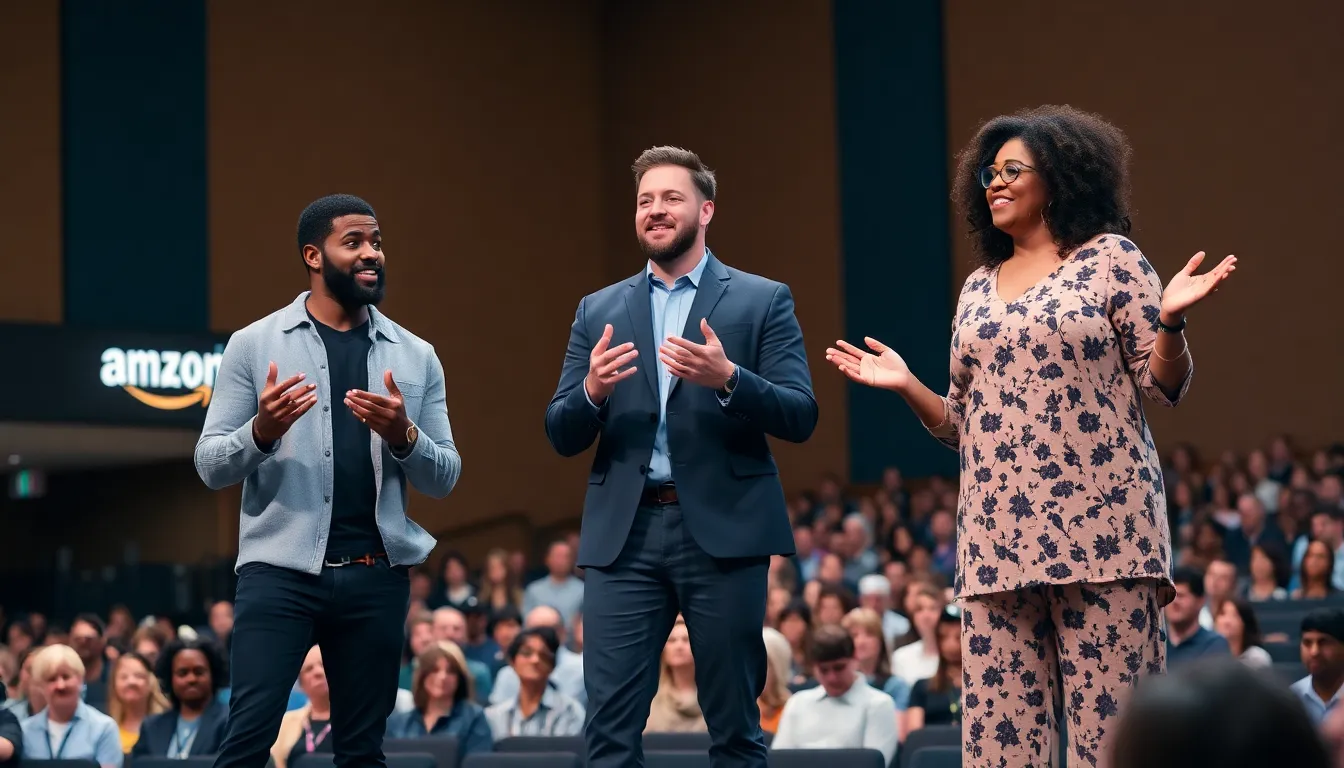
Mid-term impacts may include shifts in consumer behavior, as audiences become more engaged with brands that utilize star-studded campaigns. This could foster a greater demand for personalized and high-quality content, prompting brands to invest in innovative advertising solutions. The event may also influence policy discussions around advertising regulations, particularly concerning transparency and authenticity in celebrity endorsements.
- Increased investment in advertising: Brands are likely to allocate more budget towards high-profile campaigns.
- Shift in consumer engagement: Audiences may favor brands that leverage celebrity endorsements.
- Potential regulatory scrutiny: The rise of celebrity-led advertising could lead to discussions on ethical advertising practices.
However, there are risks associated with this trend. Over-reliance on celebrity endorsements can lead to brand dilution if consumers perceive these partnerships as inauthentic. Additionally, the competitive nature of this advertising approach may result in market saturation, making it harder for individual brands to stand out. As the advertising landscape evolves, businesses must navigate these challenges while seizing the opportunities presented by the star-studded influence of events like Amazon Upfront.
A: Amazon Upfront is an annual event where Amazon showcases its advertising opportunities to potential advertisers, featuring prominent celebrities to attract attention. A: Celebrities enhance the appeal of the advertising pitch, making it more engaging and demonstrating the platform’s reach and influence. A: The event provides advertisers with insights into Amazon’s advertising capabilities, helping them to make informed decisions on ad placements. A: Amazon Upfront typically occurs annually in the spring, aligning with the advertising industry’s planning cycles. A: Attendance is generally limited to advertisers, marketers, and industry professionals, making it a targeted event.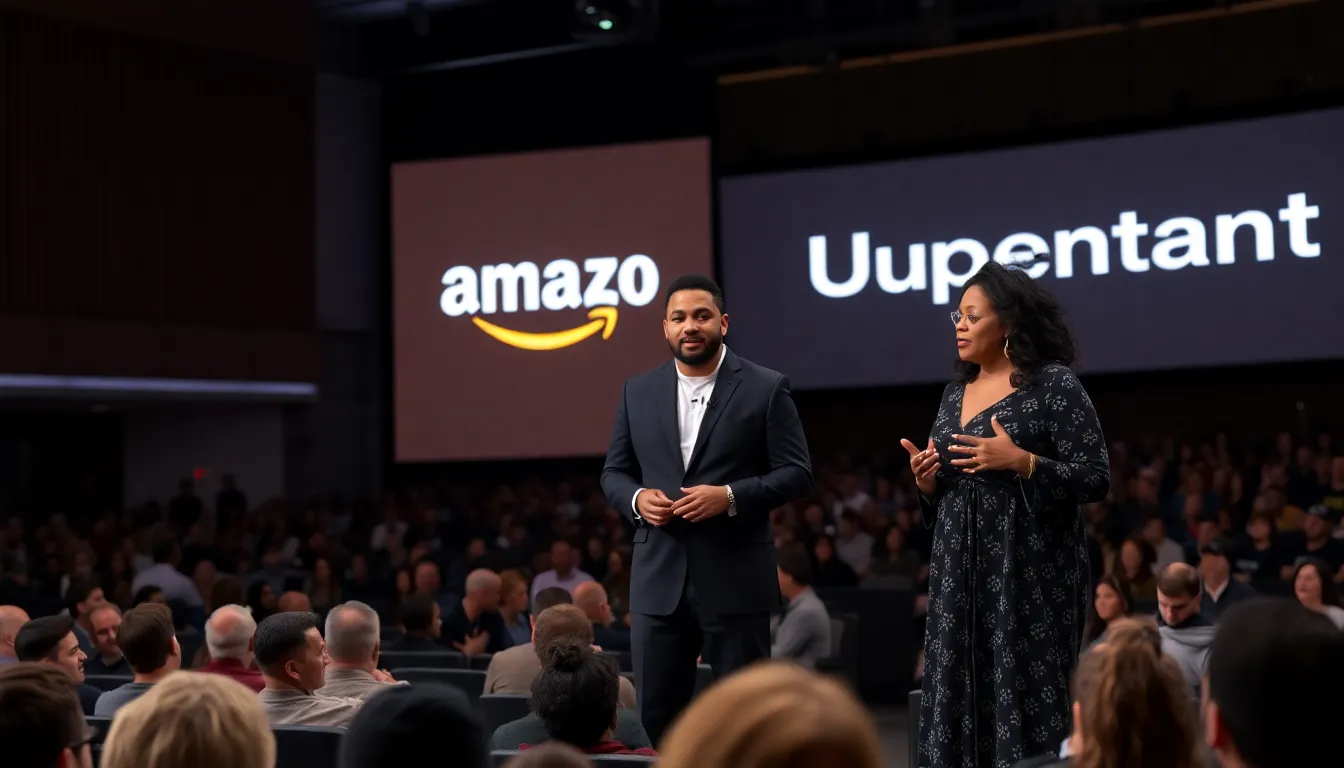
Frequently Asked Questions about Amazon Upfront
Insights and future outlook on Amazon’s advertising strategies
The recent Amazon Upfront event showcased a powerful blend of star power and innovative advertising strategies, signaling a shift in how brands engage with audiences. With celebrities like Michael B. Jordan, Chris Pratt, and Oprah Winfrey at the forefront, Amazon is not just selling ad space; it is creating a narrative that resonates with consumers on a personal level. This approach could redefine advertising dynamics and elevate brand storytelling in the digital age.
As Amazon continues to leverage its vast ecosystem, including streaming services and e-commerce, advertisers must adapt to a landscape where celebrity endorsements and engaging content are pivotal. The focus on emotional connections and authentic storytelling will likely drive future campaigns, influencing how brands allocate their marketing budgets and strategies.
- Watch for increased collaboration between brands and high-profile celebrities to enhance consumer engagement.
- Expect a shift towards more narrative-driven advertising that focuses on emotional connections rather than traditional sales pitches.
- Monitor the impact of Amazon’s advertising strategies on competitors and overall market trends in digital marketing.
- Consider the potential for new advertising formats that integrate seamlessly with Amazon’s streaming and e-commerce platforms.
- Stay alert to evolving consumer preferences that prioritize authenticity and relatability in brand messaging.