


This catastrophic event not only reshaped the local landscape but also had profound effects on the ecosystems and communities along the coastline, altering the course of history for the region. For a deeper understanding of such impacts, one can explore the historical context of natural disasters.
Understanding the scale and implications of this natural disaster is crucial for modern-day coastal management and disaster preparedness. As climate change continues to influence geological stability, findings from this research serve as a stark reminder of the potential risks posed by similar events in the future.
Additionally, the study emphasizes the importance of continuous monitoring and research in seismic-prone areas. With advancements in technology and methodologies, scientists are better equipped to predict and mitigate the effects of such natural disasters, ensuring communities are prepared for potential threats.
Understanding the background of megatsunamis
Megatsunamis are rare but catastrophic events that can occur due to significant geological disturbances, such as landslides, volcanic eruptions, or asteroid impacts. The recent occurrence of a massive megatsunami in Alaska has reignited interest in these phenomena, prompting discussions about their historical context and potential future implications. Understanding the factors that contribute to megatsunamis is crucial for assessing risks and preparing for similar events.
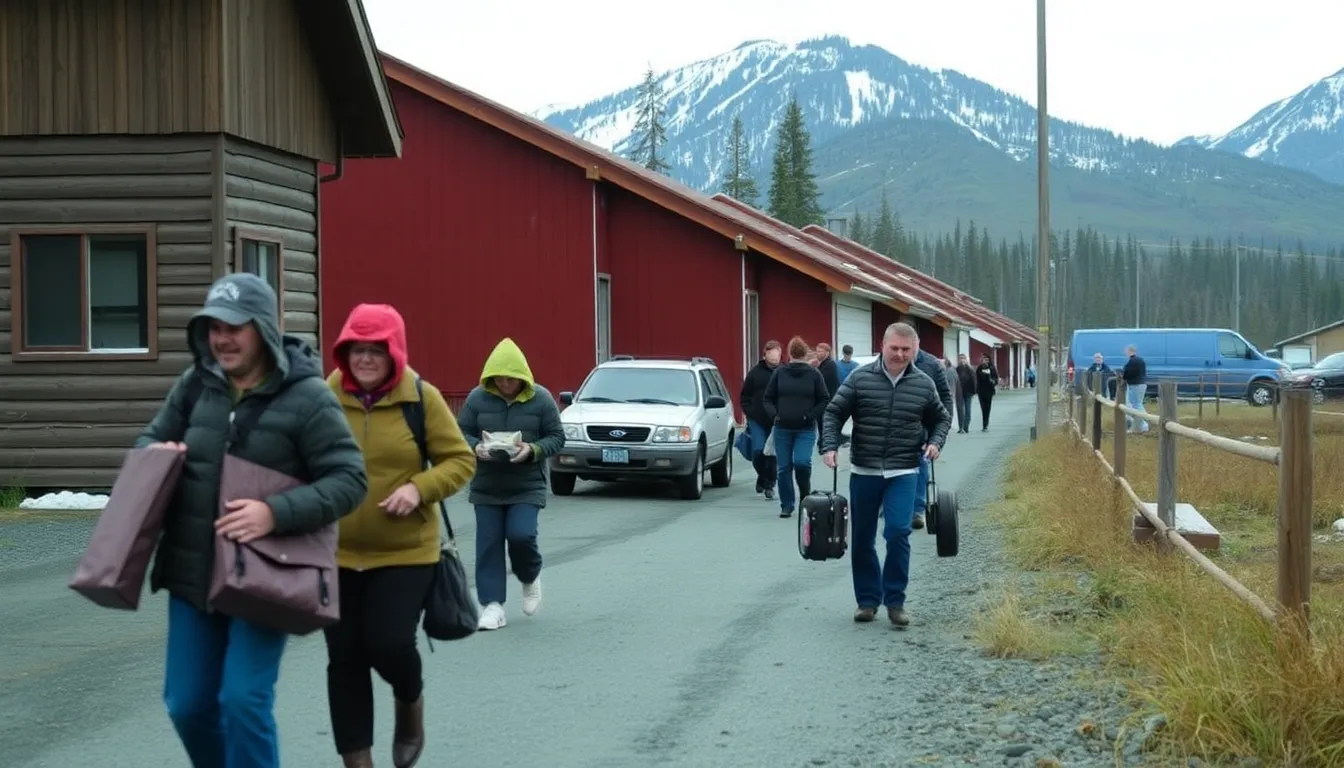
This event serves as a critical benchmark for understanding the potential scale and impact of megatsunamis, particularly in geologically active regions like Alaska. Such insights can provide valuable lessons for disaster preparedness strategies.
Geological studies indicate that Alaska’s unique topography and tectonic activity make it particularly susceptible to megatsunamis. The region is characterized by steep coastal cliffs and frequent seismic activity, which can lead to landslides into ocean waters. Additionally, climate change is contributing to increased instability in some areas, raising concerns about the potential for more frequent and severe megatsunami events in the future. This highlights the intersection of environmental changes and natural disasters, underscoring the importance of comprehensive risk assessments.
Historical Precedents and Implications
This highlights the intersection of environmental changes and natural disasters, underscoring the importance of comprehensive risk assessments. For further insights into the effects of natural events on communities, one might look into the social repercussions of disasters.
Key stakeholders and implications of the megatsunami
The recent massive megatsunami in Alaska, which has been recorded as the second largest in history, has drawn attention from various stakeholders, each with distinct interests and concerns. These stakeholders include local communities, government agencies, environmental organizations, and scientific institutions. Understanding their roles and perspectives is crucial for comprehending the broader implications of this natural disaster.
Local communities in Alaska are directly impacted by the megatsunami, facing potential threats to their safety, infrastructure, and livelihoods. Their primary interest lies in securing immediate disaster relief and long-term recovery support. Additionally, they may seek to advocate for improved warning systems and better preparedness measures for future events.

Government agencies at both state and federal levels play a critical role in disaster response and recovery. Their interests include managing emergency services, allocating resources for rebuilding efforts, and implementing policies that enhance coastal resilience. Conflicts may arise over funding priorities and the balance between immediate relief efforts and long-term environmental conservation.
Environmental organizations are concerned about the ecological impact of the megatsunami, particularly regarding coastal habitats and marine ecosystems. They advocate for sustainable recovery practices that minimize environmental degradation. This often leads to trade-offs between economic development and environmental protection, as rebuilding efforts may disrupt local ecosystems.
- Potential conflicts between local economic interests and environmental sustainability.
- The need for collaboration among stakeholders to develop effective disaster management strategies.
- Legal implications regarding land use and rebuilding regulations in affected areas.
- The role of scientific research in understanding megatsunami risks and informing policy decisions.
- Challenges in securing funding for comprehensive disaster preparedness initiatives.
Potential impacts on coastal communities and ecosystems
The recent massive megatsunami in Alaska has far-reaching implications for various groups, particularly coastal communities, the fishing industry, and local ecosystems. Residents living in proximity to the coast are directly affected, facing immediate threats to their safety, homes, and livelihoods. The fishing industry, a vital economic driver in these regions, is also at risk due to potential damage to marine habitats and infrastructure.
In the short term, communities may experience disruptions in daily life, including evacuations, loss of property, and damage to essential services. Local businesses, particularly those reliant on tourism and fishing, may see a significant decline in revenue as recovery efforts take precedence. The psychological impact on residents should not be underestimated, as the fear of future tsunamis may alter their daily routines and long-term plans.
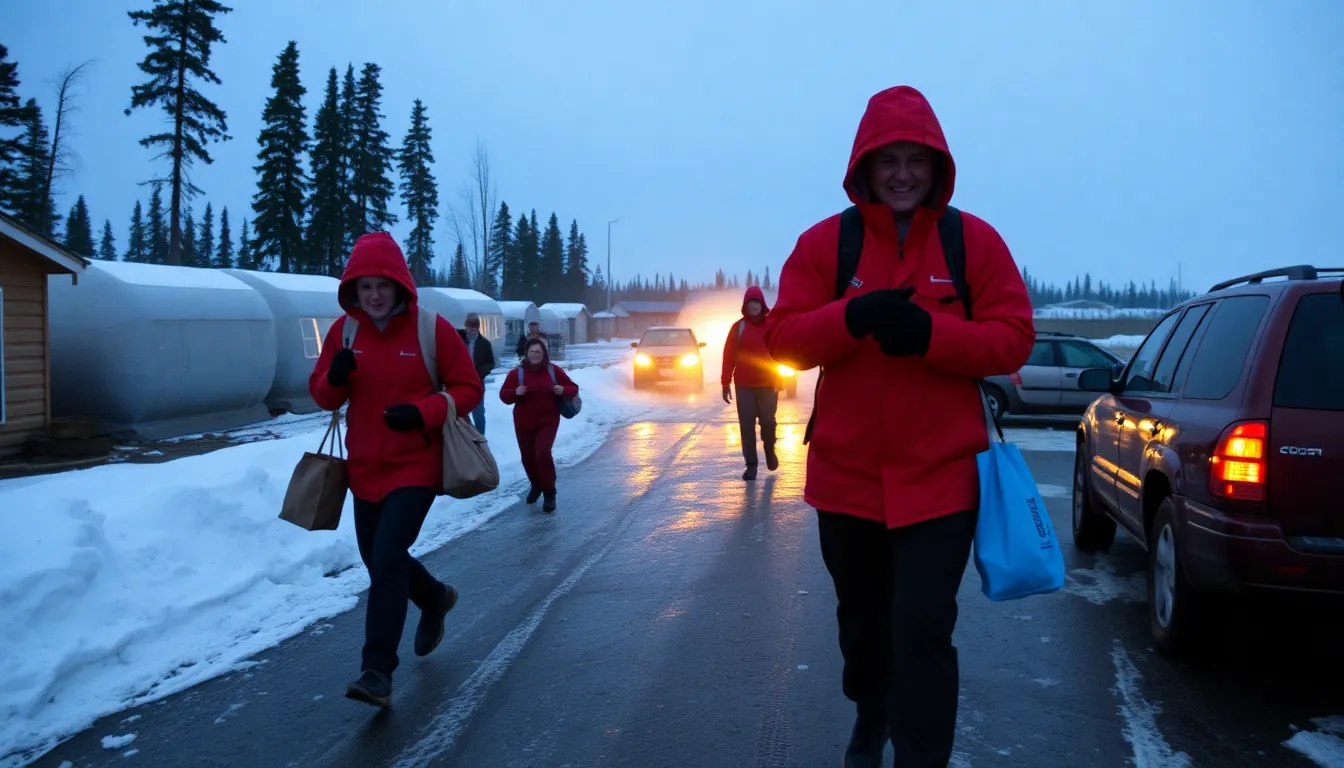
Mid-term effects could include shifts in policy and investment in coastal resilience. Governments may be prompted to allocate more resources towards disaster preparedness and infrastructure improvements. This could lead to the creation of new jobs in construction and environmental management, presenting opportunities for local economies to rebuild and innovate.
- Disruption of local economies, particularly in fishing and tourism.
- Increased investment in coastal resilience and disaster preparedness.
- Potential for new job creation in recovery and infrastructure sectors.
- Long-term changes in community planning and development policies.
While the risks are substantial, there are also opportunities for communities to enhance their resilience. By embracing sustainable practices and investing in eco-friendly technologies, coastal regions can better prepare for future natural disasters, ultimately leading to stronger, more adaptable economies.
A: The Alaska megatsunami was triggered by a massive landslide that occurred in a coastal area, displacing a significant volume of water. A: This megatsunami is noted as the second largest ever recorded, following the 1958 Lituya Bay event, which was the largest. A: Future megatsunamis pose risks to coastal communities, especially in areas prone to landslides and seismic activity. A: Communities can prepare by developing early warning systems and conducting regular evacuation drills to ensure safety during potential megatsunami events. A: Yes, researchers are conducting ongoing studies to better understand the dynamics of megatsunamis and improve predictive models.
Frequently asked questions about the megatsunami
Key takeaways and future outlook on megatsunami research
The recent discovery of the massive Alaska megatsunami, now recognized as the second largest ever recorded, underscores the importance of ongoing research into tsunami phenomena and their potential impacts on coastal communities. As scientists continue to analyze the data from this event, it becomes evident that understanding the mechanisms behind such colossal waves is crucial for improving early warning systems and enhancing public safety measures.
Looking ahead, the implications of this event extend beyond mere record-keeping; they invite a reevaluation of coastal infrastructure resilience and emergency preparedness strategies. The lessons learned from this megatsunami can inform future research and policy decisions, ultimately leading to better protection for vulnerable regions.
- Increased investment in tsunami research will enhance predictive models and early warning systems.
- Coastal communities should reassess their emergency preparedness plans in light of the megatsunami findings.
- Collaboration between scientists and local governments will be vital for developing effective mitigation strategies.
- Public awareness campaigns can educate communities about tsunami risks and safety measures.
- Future studies may reveal new insights into the geological factors that contribute to megatsunami events.