


The latest tariffs, which are set to take effect on March 1, 2024, target a range of goods including electronics and machinery. This move comes as trade talks are scheduled to resume, raising questions about the potential for a breakthrough agreement. Analysts suggest that the imposition of tariffs could complicate discussions, as both sides navigate their economic interests and political pressures. For more insights on related policies, see the article on the Trump administration’s recent decisions.
China’s response to the tariffs has been cautious but firm, with officials expressing disappointment over the unilateral decision. The Chinese government has reiterated its commitment to finding a resolution through dialogue, yet the atmosphere has become increasingly tense. Observers are closely monitoring how these developments will affect not only U.S.-China relations but also the broader international trading landscape.
As the March deadline approaches, businesses on both sides are bracing for potential disruptions. U.S. companies that rely on Chinese imports may face increased costs, while Chinese manufacturers could see a decline in exports to the U.S. The outcome of these negotiations will be pivotal, shaping economic policies and trade dynamics for years to come.
Understanding the background of U.S.-China trade relations
The trade relationship between the United States and China has been complex and often contentious, evolving significantly over the past few decades. The normalization of relations in the late 20th century marked a pivotal shift, as China began integrating into the global economy and the World Trade Organization (WTO) in 2001. This integration led to a surge in trade between the two nations, with the U.S. benefiting from cheaper goods and China gaining access to lucrative markets. To understand more about these shifts, check out our piece on China’s tariff eliminations for African nations.
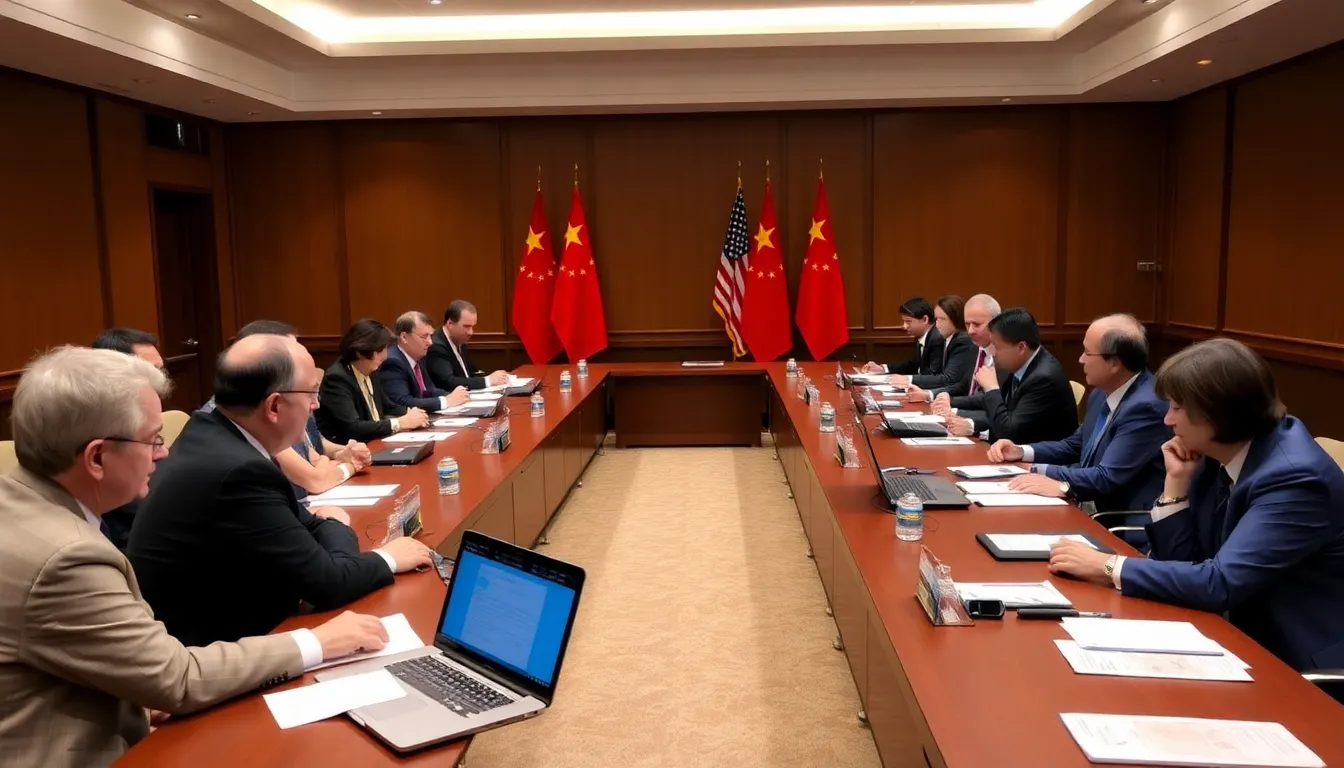
However, the rapid growth of China’s economy has also raised concerns in the U.S. regarding trade imbalances, intellectual property theft, and unfair trade practices. By the mid-2010s, these concerns culminated in a series of tariffs and trade barriers imposed by the U.S. government under the Trump administration, aimed at addressing perceived inequities in trade. This period marked a significant shift in U.S. trade policy, moving from engagement to confrontation.
The Trade War Escalation
The initiation of the trade war in 2018 saw both countries imposing tariffs on billions of dollars worth of goods, leading to retaliatory measures that affected various industries. The U.S. aimed to pressure China into reforming its trade practices, but the resulting economic fallout affected American farmers, manufacturers, and consumers. Key milestones during this period included multiple rounds of negotiations, temporary truces, and the signing of a Phase One trade deal in January 2020, which aimed to ease tensions but left many issues unresolved.
As the Biden administration took office in 2021, the approach to China remained cautious, with tariffs still in place while seeking to engage in dialogue. However, recent developments, including ongoing geopolitical tensions and the impact of the COVID-19 pandemic, have complicated the landscape further. The looming threat of additional tariffs continues to overshadow ongoing discussions, as both nations grapple with the implications of their trade relationship on global economic stability.
Key stakeholders and issues surrounding the tariff situation
The ongoing trade negotiations between the United States and China involve several key stakeholders, each with distinct interests and concerns. The primary actors include the U.S. government, led by President Donald Trump, Chinese officials, American businesses, and international trade organizations. Their interactions shape the landscape of tariffs and trade policies, affecting global markets and economic stability.
President Trump and his administration advocate for tariffs as a means to protect American industries from what they perceive as unfair competition and intellectual property theft from China. This stance seeks to bolster domestic manufacturing and create jobs, particularly in key sectors like steel and technology. However, this approach has sparked significant pushback from various American businesses that rely on Chinese imports, fearing increased costs and potential retaliatory measures from Beijing.
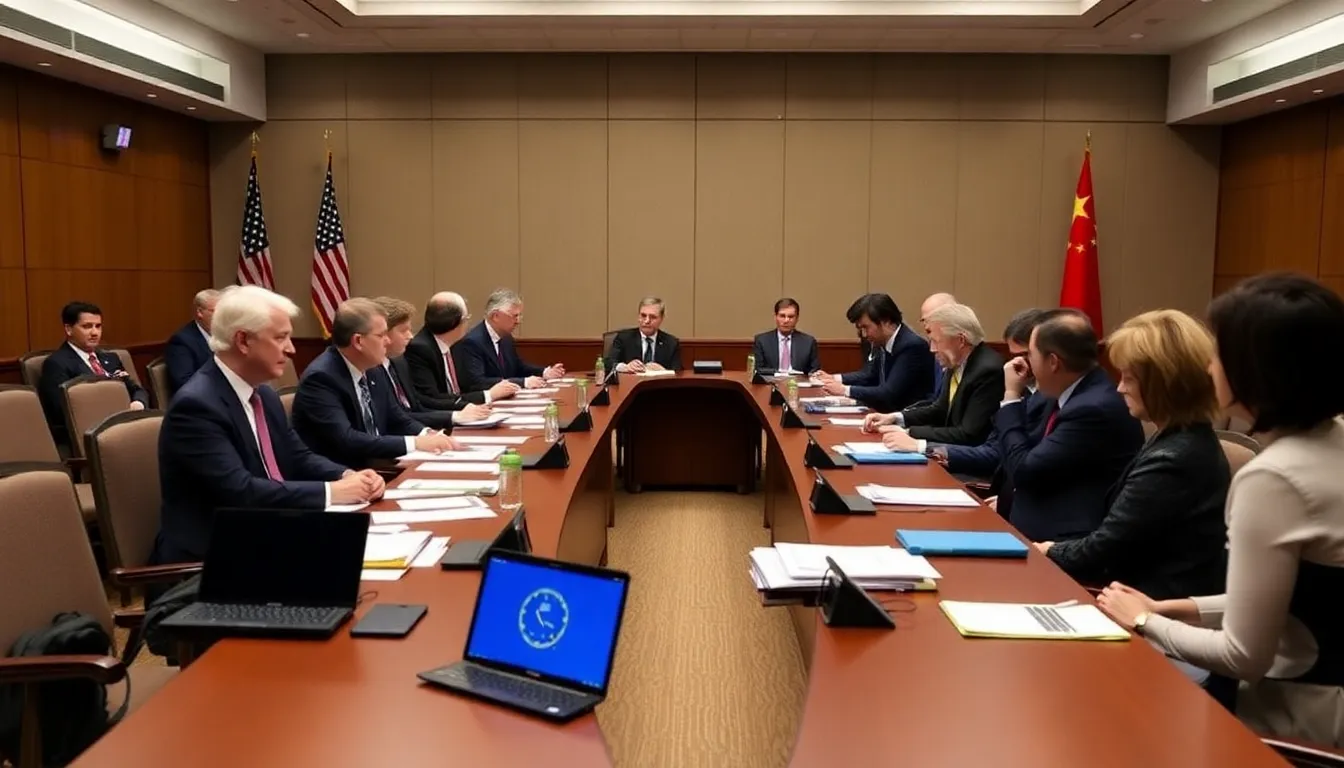
On the other hand, Chinese officials are focused on maintaining economic growth and stability, which could be threatened by escalating tariffs. The Chinese government aims to negotiate terms that would alleviate the pressure of U.S. tariffs while also addressing concerns about trade imbalances. This situation creates a complex dynamic where both nations must navigate their economic priorities against the backdrop of geopolitical tensions.
- Economic Impact: Tariffs can lead to increased prices for consumers and disrupt supply chains, affecting both economies.
- Legal Issues: Disputes over tariffs may lead to challenges at international trade organizations, such as the World Trade Organization (WTO).
- Political Ramifications: Domestic political pressures in both countries can influence trade negotiations and policy decisions.
- Global Reactions: Other nations may respond to U.S.-China trade tensions by adjusting their own trade policies, impacting global trade dynamics.
As the situation evolves, the interplay between these stakeholders will be critical in determining the future of U.S.-China relations and the broader implications for global trade. The outcome of these negotiations could set precedents for how countries approach trade disputes and economic collaboration moving forward. Notably, the recent tariff setback for the Trump administration poses significant implications for various groups and industries, particularly those engaged in trade with China.
Potential impacts on businesses and markets due to tariff changes
The recent tariff setback for the Trump administration poses significant implications for various groups and industries, particularly those engaged in trade with China. Manufacturers, exporters, and importers are among the most affected, as increased tariffs could lead to higher costs for raw materials and finished goods. This situation is likely to create ripple effects across multiple sectors, including technology, agriculture, and consumer goods.
In the short term, businesses may experience increased operational costs, which could lead to higher prices for consumers. For instance, technology companies relying on Chinese components may need to absorb or pass on these costs, potentially affecting sales. Additionally, agricultural producers who export to China may face reduced demand, impacting their revenue and employment levels in rural areas.
Mid-term impacts could involve shifts in supply chain dynamics as companies seek to mitigate tariff-related costs. Some businesses might consider relocating production to countries with more favorable trade agreements or investing in domestic manufacturing. This could create new opportunities for growth in alternative markets, but may also lead to job losses in sectors heavily reliant on Chinese imports.
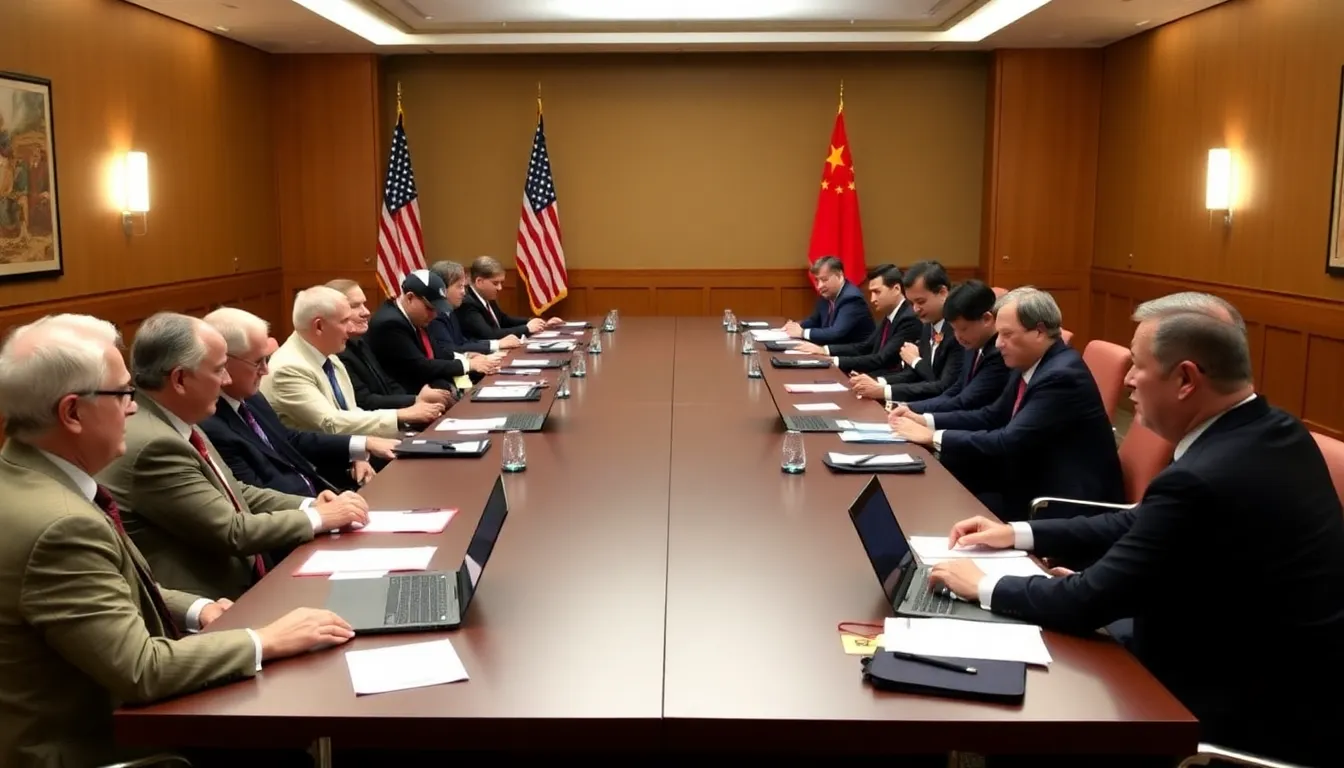
- Increased consumer prices: Higher tariffs could result in elevated costs for everyday goods.
- Supply chain adjustments: Companies may seek new suppliers or manufacturing locations.
- Market volatility: Uncertainty surrounding tariffs can lead to fluctuations in stock prices and investor sentiment.
- Employment shifts: Job losses in certain sectors may occur, while new opportunities could arise in others.
While risks are evident, there are also potential opportunities for businesses willing to adapt. Companies that innovate or diversify their product lines may find new avenues for growth. Furthermore, the evolving trade landscape could encourage investment in domestic production capabilities, fostering resilience in the long term.
A: The latest tariffs include increased duties on various Chinese imports, affecting sectors like technology and agriculture. A: These tariffs could strain diplomatic relations further, making it more difficult to reach a comprehensive trade agreement. A: The tariffs may lead to increased prices for consumers and could hurt U.S. businesses that rely on Chinese goods. A: China has expressed strong opposition and may retaliate with its own tariffs on U.S. products. A: Businesses should reassess their supply chains and pricing strategies to mitigate potential impacts from the tariffs.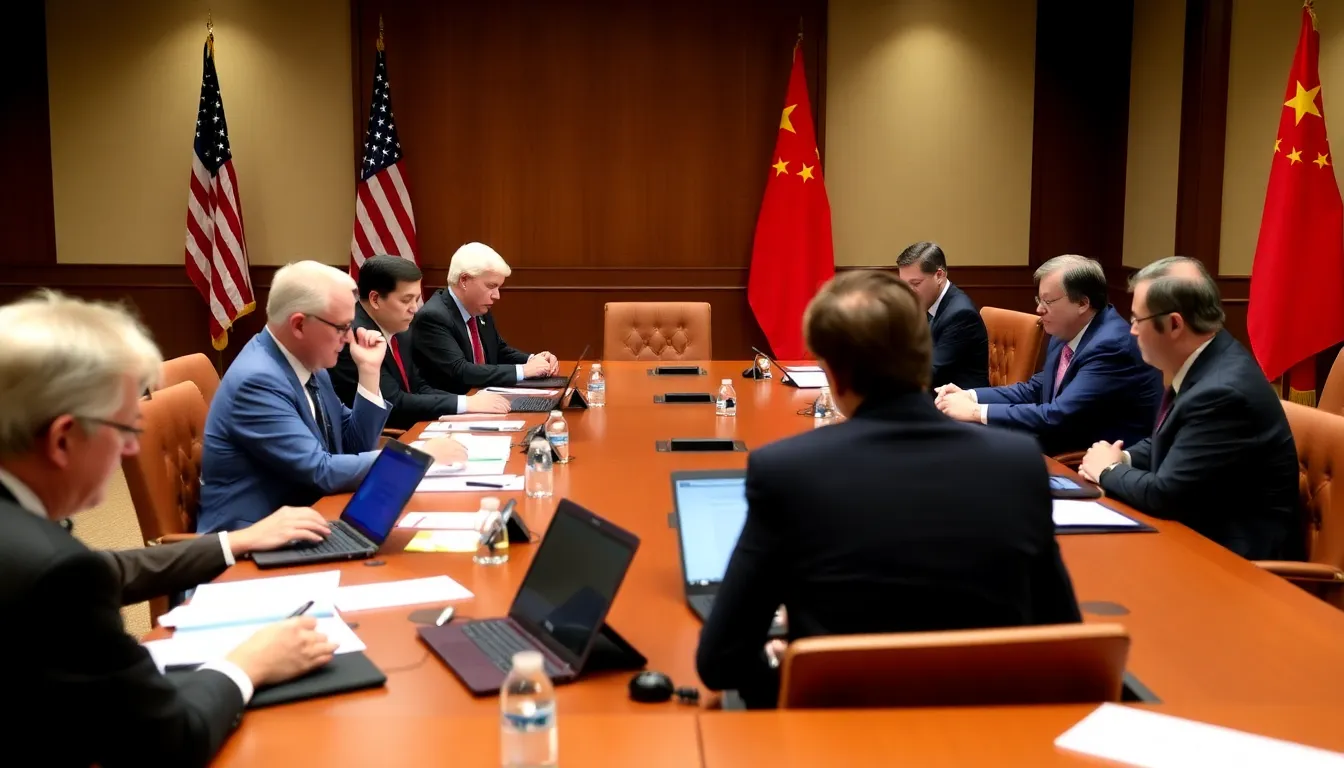
Frequently asked questions about the tariff situation
Looking ahead: Key takeaways and future implications
The recent setback in tariff negotiations between the U.S. and China underscores the ongoing complexities of trade relations. As both nations grapple with economic pressures and shifting political landscapes, these developments could significantly influence future discussions and agreements. The implications of Trump’s latest tariff decisions may extend beyond immediate economic impacts, affecting global supply chains and international market dynamics.
Stakeholders should remain vigilant as the situation evolves. The interplay between tariffs and diplomatic negotiations will likely shape the trajectory of U.S.-China relations and could have broader ramifications for global trade policies.
- Monitor tariff adjustments: Changes in tariffs could signal shifts in negotiation strategies and economic priorities for both nations.
- Watch for market reactions: Fluctuations in stock markets and commodity prices may indicate investor sentiment regarding trade stability.
- Assess supply chain impacts: Companies may need to reevaluate their supply chains in response to evolving tariffs and trade policies.
- Stay informed on political developments: Domestic political pressures in both the U.S. and China could influence future trade negotiations.
- Consider global implications: The outcome of U.S.-China trade discussions may set precedents for other nations’ trade policies and agreements.