


This incident highlights ongoing challenges faced by media professionals in Somalia, where freedom of the press is often compromised.
The Somali government has faced criticism for its handling of press freedom, with international organizations calling for accountability and protection of journalists. The recent assault adds to a troubling pattern of aggression against those who seek to inform the public. As the situation develops, the implications for press freedom and civil liberties in Somalia remain a critical concern for both local and international observers.
Following the incident, calls for an independent investigation have emerged from various human rights groups, emphasizing the need for stronger protections for journalists against retribution.
Understanding the challenges faced by journalists in Somalia
Somalia has long been a challenging environment for journalists, shaped by decades of civil war, political instability, and the rise of extremist groups. Since the collapse of the central government in 1991, the country has experienced a power vacuum, leading to a fragmented political landscape where various factions vie for control. This instability has created a hostile environment for media professionals, who often find themselves caught in the crossfire between competing interests.
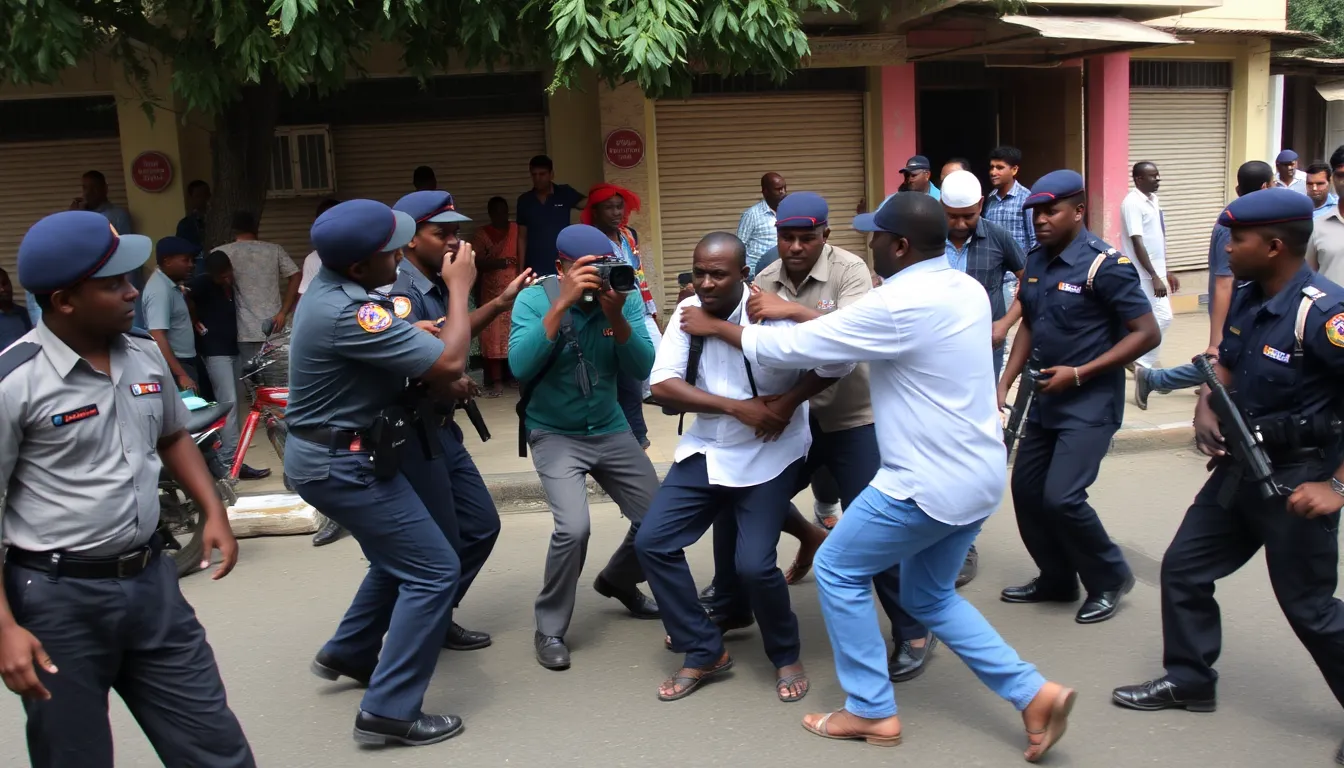
The rise of militant groups, most notably Al-Shabaab, has further exacerbated the risks faced by journalists. These groups have been known to target media personnel, viewing them as threats to their narratives and operations. As a result, many reporters operate under constant fear of violence, censorship, and intimidation. The situation is compounded by a lack of legal protections for journalists, which leaves them vulnerable to arbitrary detention and abuse by state and non-state actors alike.
Historical Milestones in Press Freedom
Over the years, there have been critical moments that have defined the state of press freedom in Somalia. In 2007, the assassination of prominent journalist Abdisalam Yusuf was a turning point, highlighting the dangers faced by those who dare to report on sensitive issues. The subsequent years saw a series of attacks on journalists, culminating in 2019 when Somalia was ranked one of the deadliest countries for reporters by various international watchdogs. Despite these challenges, many journalists continue to bravely report on the realities of life in Somalia, often at great personal risk.
International organizations have attempted to support press freedom in Somalia, advocating for the protection of journalists and the establishment of a legal framework that safeguards their rights. However, the persistent threats and the overarching culture of impunity have made progress slow and fraught with challenges. The recent detention and beating of a Guardian reporter and colleagues underscore the ongoing struggles faced by those who seek to uphold the principles of free speech and accountability in a country where such ideals are often under siege.
Examining the implications for press freedom and accountability
The recent detention and assault of a Guardian reporter and colleagues by Somali police highlights critical issues surrounding press freedom in Somalia. The main actors in this incident include the Somali government, law enforcement agencies, media organizations, and civil society groups. Each has distinct interests that often conflict, especially regarding the balance between national security and the right to free expression.
The Somali government is keen on maintaining stability and control over the narrative within the country, which can lead to aggressive actions against journalists who report on sensitive issues. Law enforcement agencies, under the government’s direction, may prioritize these objectives over the protection of press freedoms. In contrast, media organizations and journalists advocate for transparency and accountability, often putting them at odds with state interests.
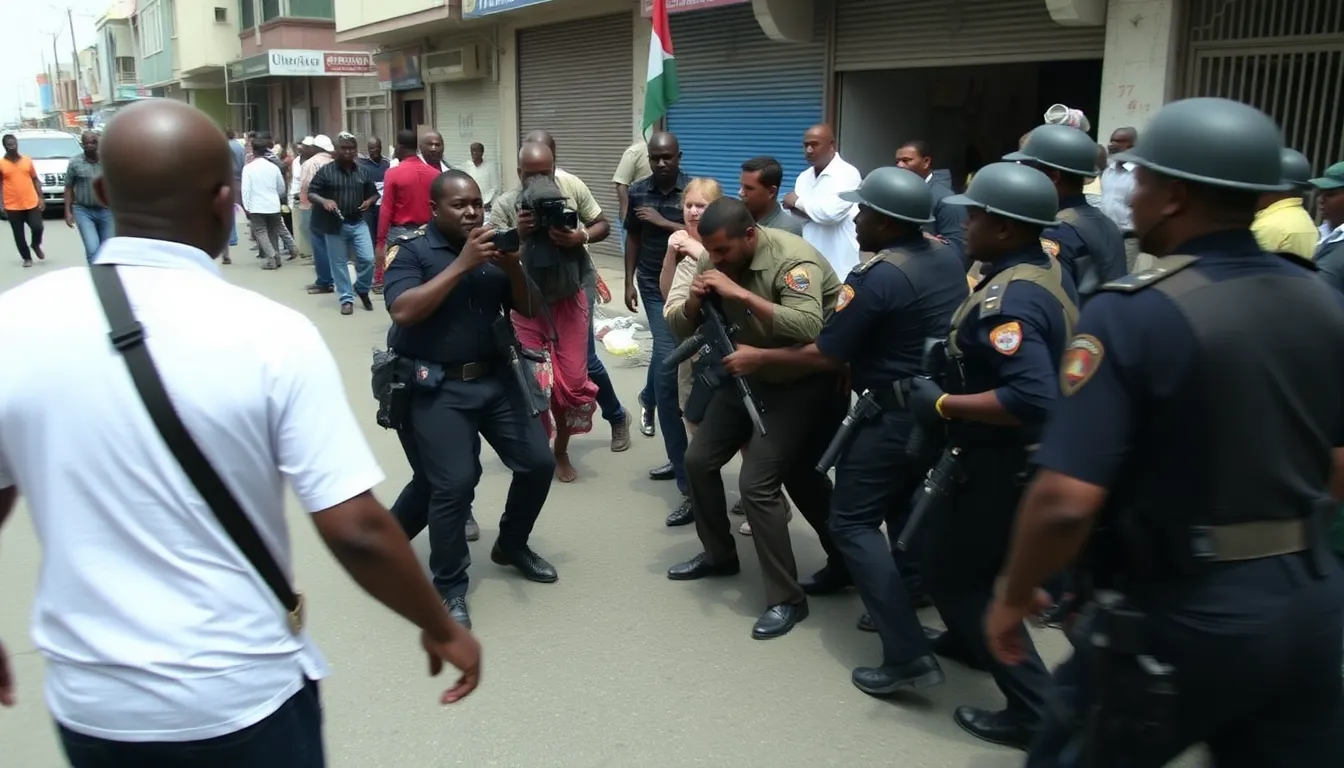
Key conflicts arise from differing views on what constitutes acceptable reporting. Journalists may face threats or violence when their work is perceived as challenging government authority or exposing corruption. This incident raises questions about the legal protections afforded to journalists in Somalia and whether existing laws are effectively enforced to safeguard their rights.
- Press Freedom: The incident underscores the precarious nature of journalistic work in Somalia, where reporters face risks when covering political and social issues.
- Government Accountability: The actions of the police reflect broader issues of accountability within the Somali government and its willingness to tolerate dissent.
- International Response: The reaction from international organizations and foreign governments could influence future protections for journalists in Somalia.
- Public Awareness: Increased media coverage of such incidents can raise public awareness about the importance of press freedom and human rights.
Overall, the detention and beating of the Guardian reporter serve as a stark reminder of the challenges faced by journalists in conflict zones and authoritarian regimes, akin to the issues discussed in regard to media freedom in various contexts worldwide.
Effects on media operations and journalist safety in Somalia
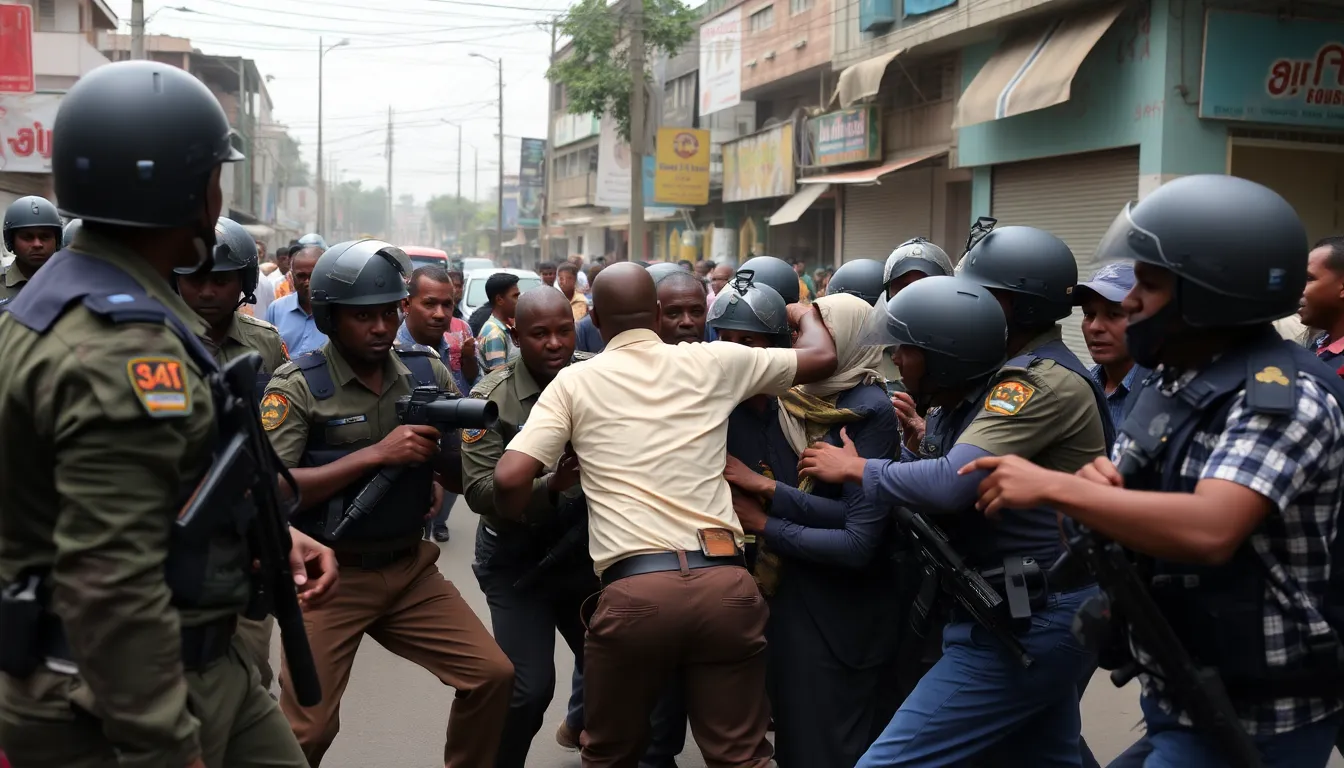
The recent detention and beating of a Guardian reporter and colleagues by Somali police highlight significant concerns for media operations and journalist safety in the region. This incident not only affects journalists directly involved but also sends a chilling message to the broader media community operating in Somalia. The implications extend beyond individual reporters to encompass various groups including media organizations, civil society, and the general public who rely on free press for information.
In the short term, the immediate impact on daily life includes increased self-censorship among journalists who may fear retaliation for reporting on sensitive issues. This can lead to a decline in the diversity of viewpoints presented in the media, ultimately affecting public discourse. Additionally, businesses that rely on accurate reporting for decision-making may find themselves at a disadvantage due to the lack of reliable information.
Mid-term impacts could involve a shift in policy regarding press freedoms and the safety of journalists. Increased scrutiny on government actions may lead to international pressure for reforms, but it could also result in stricter regulations that further limit press activities. The potential for a more hostile environment for journalists may deter foreign investment in media enterprises, impacting the growth of the industry.
- Risks: Increased censorship and self-censorship among journalists.
- Risks: Potential for stricter regulations on media operations.
- Opportunities: International advocacy for journalist safety could lead to reforms.
- Opportunities: Local media organizations may gain support from global entities focused on press freedom.
Ultimately, the repercussions of such incidents extend to the general populace, who may find themselves deprived of critical information necessary for informed decision-making. The balance between risks and opportunities will play a crucial role in shaping the future landscape of media and journalism in Somalia.
A: The Guardian reporter and several colleagues were detained by Somali police and reportedly beaten during their detention. A: They were detained while covering a story, which raises serious concerns about press freedom and the treatment of journalists in the country. A: Various human rights organizations and media advocacy groups have condemned the actions of the Somali police and called for accountability. A: This incident highlights the ongoing risks journalists face in Somalia and may deter media coverage of sensitive issues. A: Increased international support for press freedom initiatives and stronger local protections for journalists are essential to improve safety.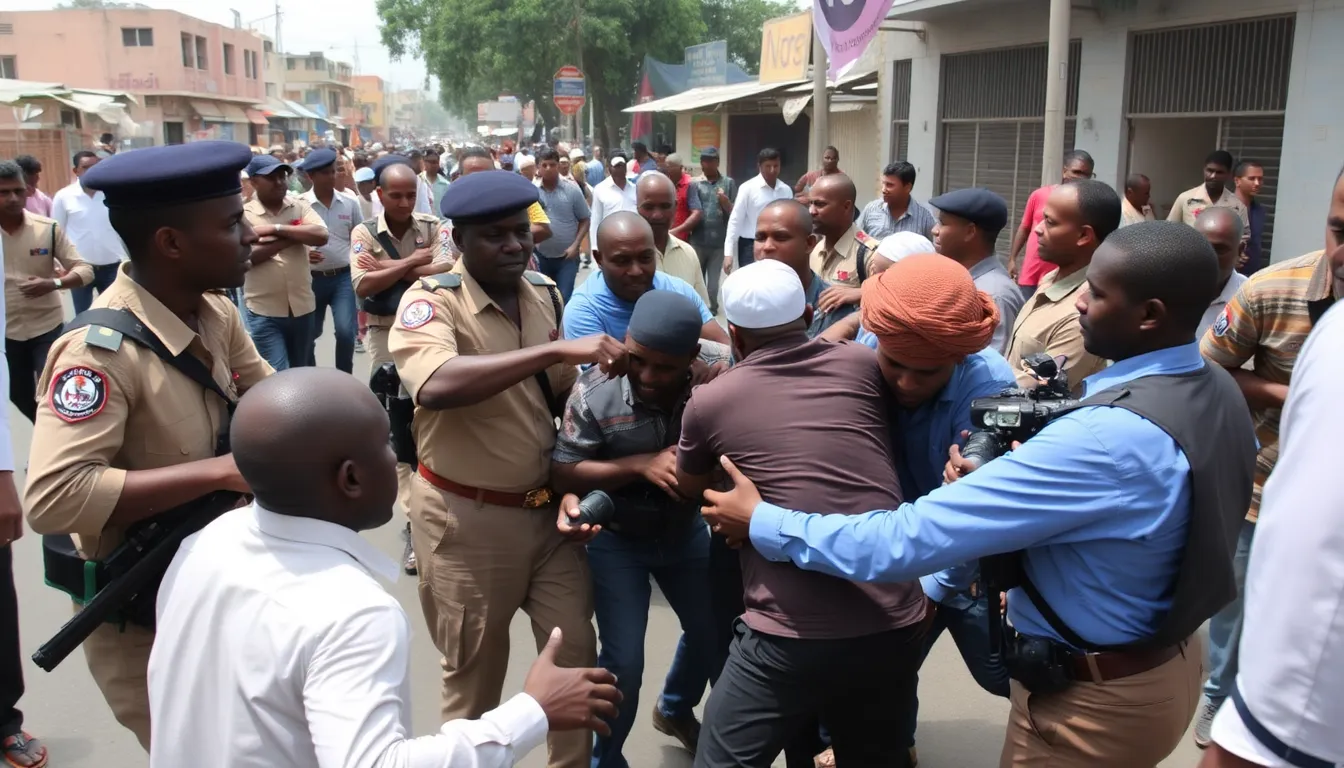
Frequently asked questions about the incident
Key takeaways and future outlook on press freedom in Somalia
The recent incident involving a Guardian reporter and colleagues underscores the precarious state of press freedom in Somalia. As journalists face increasing risks from law enforcement, the implications for independent reporting and the dissemination of information are profound. This situation not only highlights the challenges faced by media professionals but also raises concerns about the broader implications for civil society and democratic processes in the country.
Moving forward, it is crucial to monitor how these events will shape the landscape of press freedom in Somalia. The international community’s response, along with local advocacy for journalists’ rights, will play a vital role in determining whether the situation improves or deteriorates further.
- Increased scrutiny on the Somali government’s treatment of journalists may lead to international pressure for reform.
- Local and international media organizations may intensify efforts to advocate for press freedom and the safety of journalists.
- The potential for heightened self-censorship among journalists could limit the diversity of voices and perspectives in the media.
- Public awareness and support for press freedom initiatives could grow, fostering a more resilient civil society.
- Continued incidents of violence against reporters may prompt discussions on the need for stronger legal protections for journalists in Somalia.