


The event, which celebrates excellence in television, provided a platform for the actors to connect and reflect on their experiences within the magical world created by J.K. Rowling. Isaacs, known for his commanding presence as Lucius Malfoy, took a moment to express his admiration for the younger generation of actors, including Pratt, who are bringing the story to life in new formats. To explore more about J.K. Rowling’s impact on the franchise, check out related articles.
This reunion is significant as it underscores the ongoing popularity of the Harry Potter franchise, which continues to captivate audiences years after the last film was released in 2011. The interaction between the film and television actors serves to bridge the gap between different interpretations of the beloved characters, fostering a sense of community among fans. For a deeper dive into the series’ cultural significance, visit this [related article](https://thefocusinsight.com/ron-carter-genius/).
As the entertainment industry evolves with new adaptations and reimaginings, such appearances remind audiences of the rich history and cultural impact of the Harry Potter series. The BAFTA TV Awards not only celebrated television achievements but also offered a moment for nostalgia, connecting past and present in the world of magical storytelling.
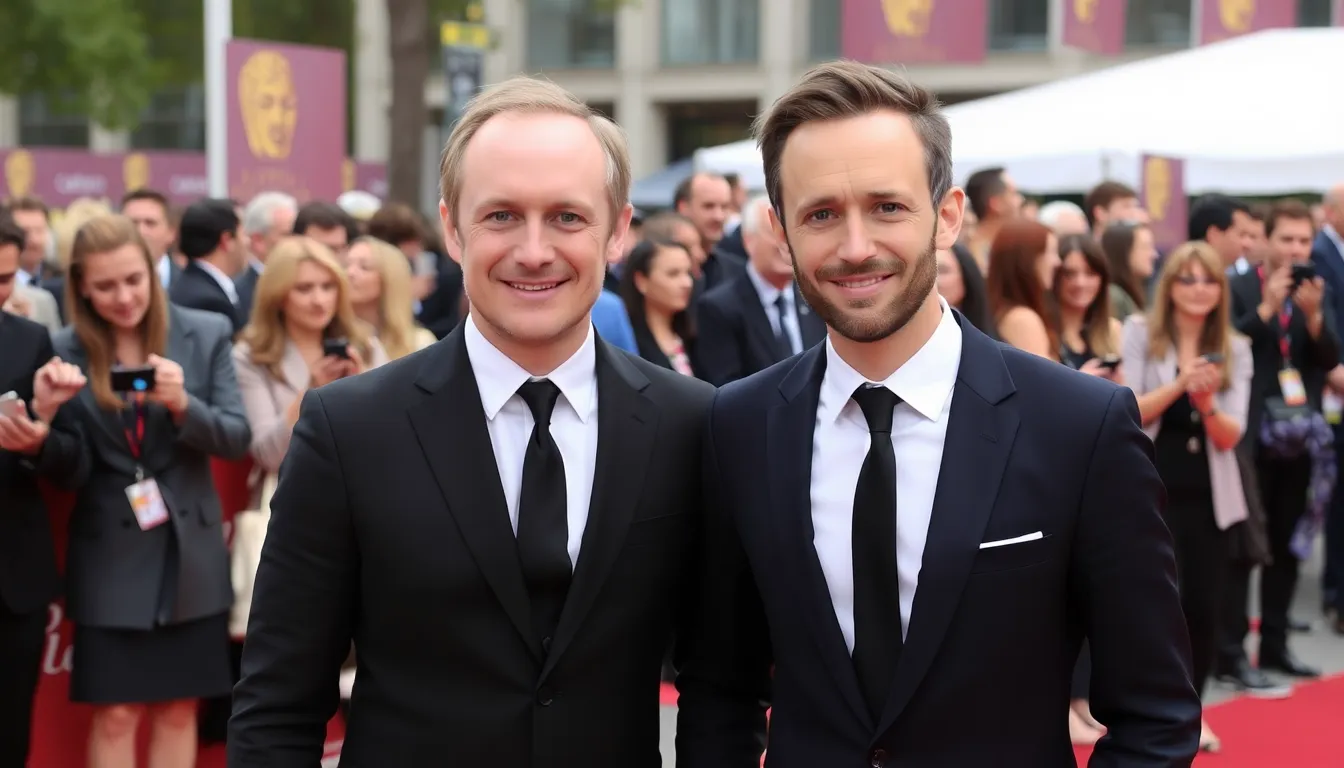
The significance of the BAFTA TV Awards for the entertainment industry
The BAFTA TV Awards, established in 1955, are one of the most prestigious accolades in the British television industry. They celebrate excellence in television programming and recognize the hard work of actors, directors, and production teams. Winning a BAFTA is considered a significant achievement and can greatly influence the careers of those involved, offering them heightened visibility and credibility within the industry.
In recent years, the awards have evolved to reflect the changing landscape of television, including the rise of streaming platforms and the diversification of content. This evolution has allowed for a broader range of programming to be recognized, showcasing talent from various backgrounds and genres. The presence of stars from beloved franchises, such as ‘Harry Potter’, at the BAFTA TV Awards highlights the ongoing impact of these narratives on contemporary culture.
Connection to the ‘Harry Potter’ Franchise
The ‘Harry Potter’ franchise, which began with J.K. Rowling’s novels and expanded into a successful film series, has left an indelible mark on both the film and television industries. The characters and stories have become cultural touchstones, fostering a dedicated fan base that spans generations. The reunion of actors from the series, such as Jason Isaacs, who portrayed Lucius Malfoy, with emerging talents like Lox Pratt, who plays Draco in the television adaptation, symbolizes the bridging of past and present in the entertainment landscape. Whether it’s through original adaptations or nostalgic reimaginings, the discussion around this legacy resonates widely.
This convergence at the BAFTA TV Awards not only celebrates individual achievements but also reflects the broader societal trends of nostalgia and the enduring appeal of fantasy narratives. As audiences continue to engage with these stories, the presence of ‘Harry Potter’ stars at such events underscores the franchise’s lasting influence on the industry and its ability to inspire new generations of talent.
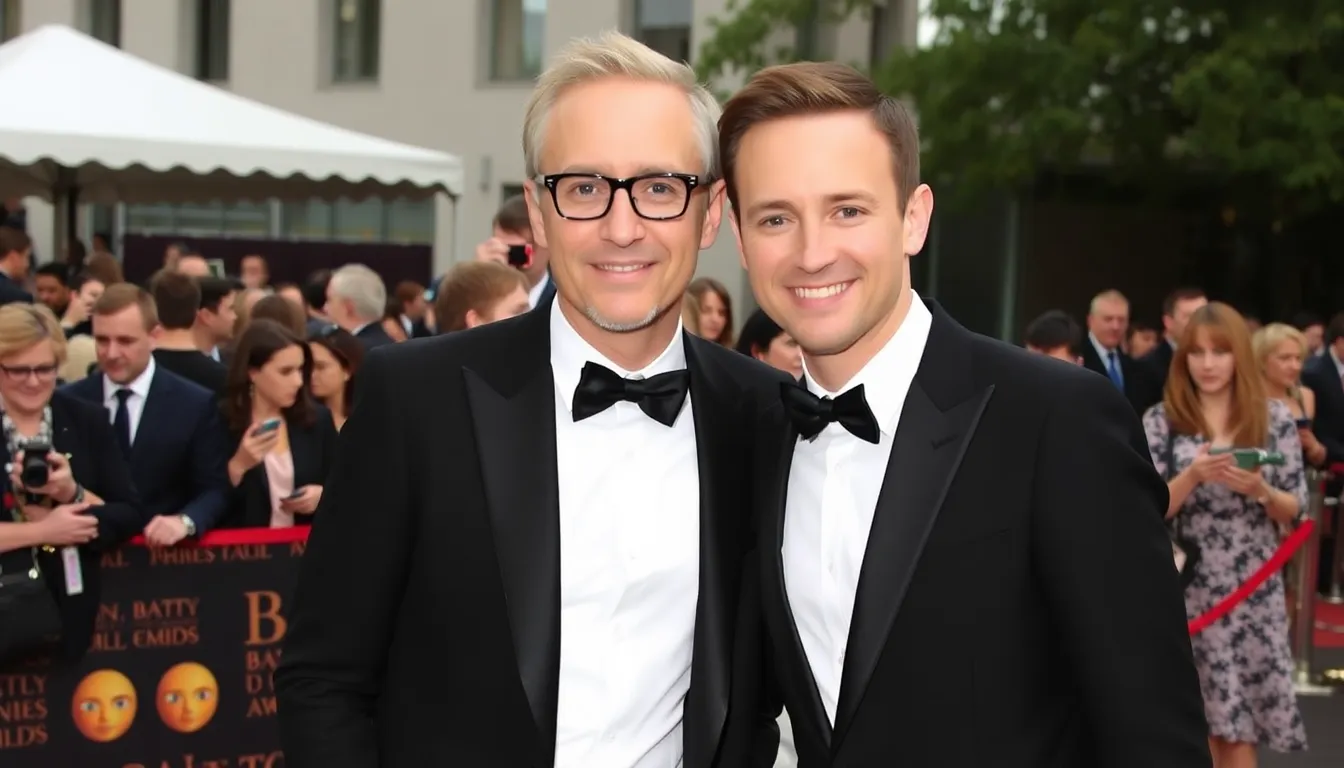
Exploring the dynamics between movie and television adaptations
The recent appearance of Jason Isaacs, known for his role as Lucius Malfoy in the ‘Harry Potter’ film series, alongside Lox Pratt, who portrays Draco in the television adaptation, highlights the ongoing relationship between film and television adaptations of popular franchises. This dynamic is not just about nostalgia but also involves various stakeholders with differing interests and potential conflicts.
Key stakeholders in this scenario include the actors, production companies, and the audience. Actors like Isaacs and Pratt represent the creative talent that brings these characters to life, while production companies are focused on profitability and audience engagement. The audience, meanwhile, seeks quality content that resonates with their emotional connections to the original material.
One major issue at play is the competition for audience attention and revenue between film and television formats. As streaming services gain prominence, traditional film releases face challenges in maintaining viewership. This shift creates a trade-off for production companies as they must decide whether to invest in cinematic experiences or explore serialized storytelling that television offers.
- Audience Engagement: Different formats cater to varying audience preferences, leading to potential conflicts over creative direction.
- Financial Stakes: Production budgets for films are typically higher, which may influence the quality and depth of storytelling compared to television series.
- Brand Loyalty: Established franchises like ‘Harry Potter’ can create tension as fans have strong attachments to particular portrayals and narratives.
- Legal Considerations: Rights management and intellectual property laws play a crucial role in how adaptations are developed and marketed.
As the entertainment landscape continues to evolve, the interplay between these stakeholders will shape how beloved stories are told and experienced, revealing broader trends in audience consumption and media production.
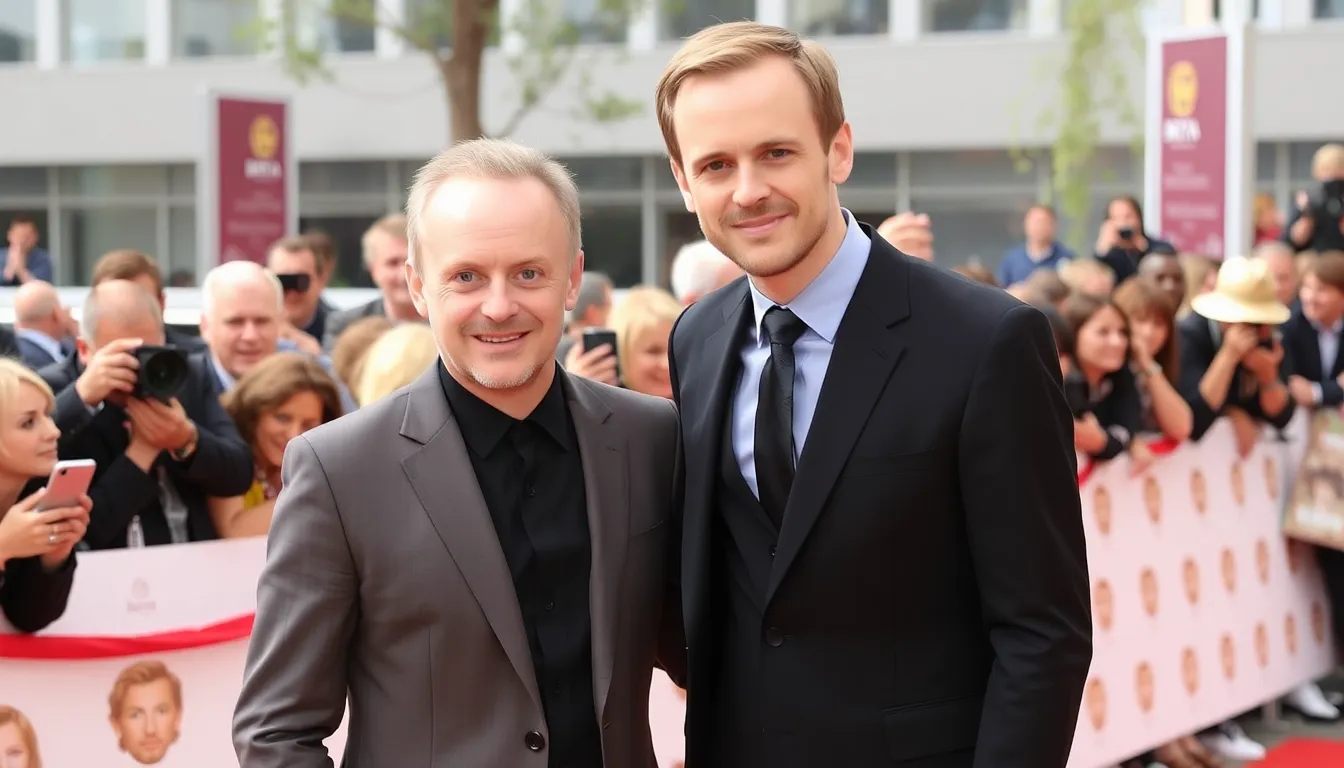
The influence of Harry Potter alumni on current television trends
The recent appearance of ‘Harry Potter’ stars at the BAFTA TV Awards highlights the ongoing influence of the franchise on both the television and film industries. Key figures like Jason Isaacs, who portrayed Lucius Malfoy, engaging with emerging talents such as Lox Pratt, who plays Draco in a contemporary adaptation, showcases a bridging of generational gaps in the entertainment sector. This connection can significantly impact various groups, including fans, industry professionals, and aspiring actors.
In the short term, the visibility of these actors can invigorate interest in television projects that feature similar fantasy themes. This could lead to increased viewership and engagement, particularly among the loyal Harry Potter fanbase. Additionally, production companies may see a surge in proposals for projects that leverage nostalgia, creating a ripple effect in the industry.
In the mid-term, the collaboration between established stars and newer talent may foster a more inclusive environment in television. This could influence casting decisions, leading to a broader representation of characters and stories inspired by fantasy genres. However, there are risks associated with over-reliance on established franchises, which could stifle originality and innovation in storytelling.
- Increased interest in fantasy-themed television: Potential rise in viewership and engagement.
- Opportunities for new talent: Enhanced visibility for emerging actors and creators.
- Industry shifts: Possible changes in casting and storytelling practices.
- Risks of stagnation: Potential over-reliance on familiar franchises may limit creativity.
As the entertainment landscape evolves, the influence of Harry Potter alumni will likely continue to shape viewer expectations and industry standards, creating both challenges and opportunities for the future of television.
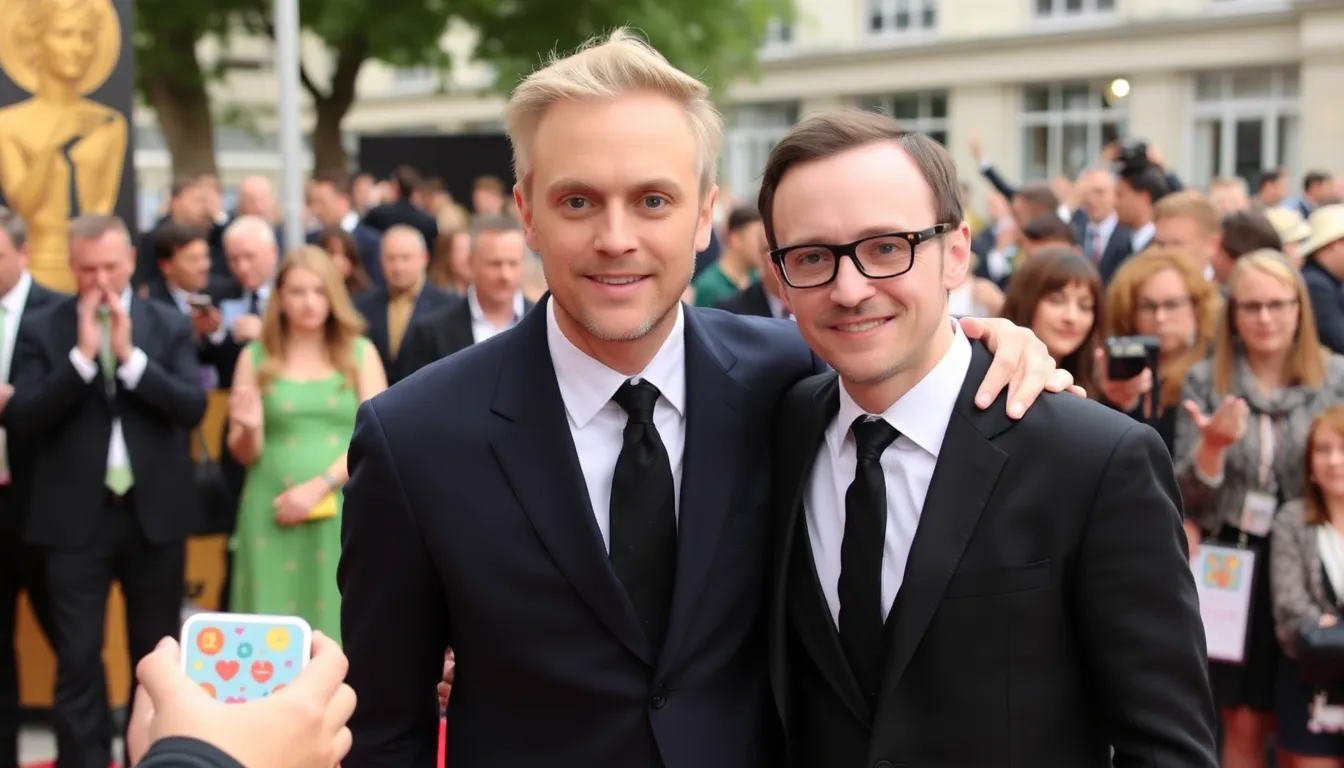
Frequently asked questions about the event
A: Jason Isaacs, who played Lucius Malfoy, and Lox Pratt, portraying Draco in the TV adaptation, were among the highlights of the event.
A: Their presence highlighted the ongoing connection between the Harry Potter franchise and contemporary television, showcasing the enduring popularity of the characters.
A: Fans expressed excitement on social media, celebrating the nostalgic moment and sharing their favorite memories from the Harry Potter series.
A: Events like the Emmy Awards and Golden Globes also celebrate excellence in television, often featuring reunions of beloved cast members.
Key takeaways from the BAFTA TV Awards and future implications
The recent BAFTA TV Awards highlighted the enduring legacy of the ‘Harry Potter’ franchise, showcasing how its stars continue to captivate audiences across different mediums. Jason Isaacs’ presence alongside Lox Pratt, who plays Draco on television, underscores the crossover appeal and the ongoing relevance of these characters in contemporary storytelling. This event not only celebrates past achievements but also sets the stage for potential collaborations and new projects that may emerge from this iconic universe.
As the entertainment landscape evolves, the intersection of film and television becomes increasingly significant. The camaraderie displayed at the awards suggests a willingness among actors to explore diverse roles, paving the way for innovative narratives that could resonate with both long-time fans and new viewers.
- The collaboration between film and television actors may lead to unique storytelling opportunities that blend familiar characters with fresh narratives.
- Expect increased interest in nostalgia-driven content as audiences seek connections to beloved franchises like ‘Harry Potter.’
- Watch for potential spin-offs or adaptations that might arise from the strong presence of ‘Harry Potter’ alumni in various projects.
- The dynamic between established stars and emerging talent could foster a new wave of creativity in the industry.
- As fan engagement continues to grow, events like the BAFTA TV Awards will likely serve as platforms for celebrating cross-medium connections and collaborations.