


The suspended death sentences indicate that while the individuals are not immediately facing execution, they will remain under strict supervision and could face death if they commit further offenses. This move highlights the Chinese leadership’s commitment to tackling corruption within the military and government sectors, which has been a persistent issue in the country, similar to the challenges faced by the [DR Congo president](https://thefocusinsight.com/dr-congo-president-term-extension-2/) in managing political integrity.
Both generals have been implicated in various corruption scandals, including embezzlement and abuse of power, with investigations spanning several years. The decision to impose suspended sentences rather than immediate execution reflects a strategic approach by the government, aiming to balance justice with the potential for rehabilitation.
This ruling is expected to have far-reaching implications for the Chinese military and the political landscape, as it may deter other officials from engaging in corrupt practices. Moreover, it underscores the ongoing efforts of the Chinese Communist Party to maintain control and integrity within its ranks, especially as the nation faces increasing scrutiny on its governance practices.
Understanding the background of the corruption cases
The recent announcement by China regarding suspended death sentences for former defense ministers highlights a significant moment in the country’s ongoing battle against corruption within its political and military ranks. This development is rooted in a long-standing issue that has plagued the Chinese Communist Party (CCP) for decades, particularly as the nation has experienced rapid economic growth and expanded its global influence.
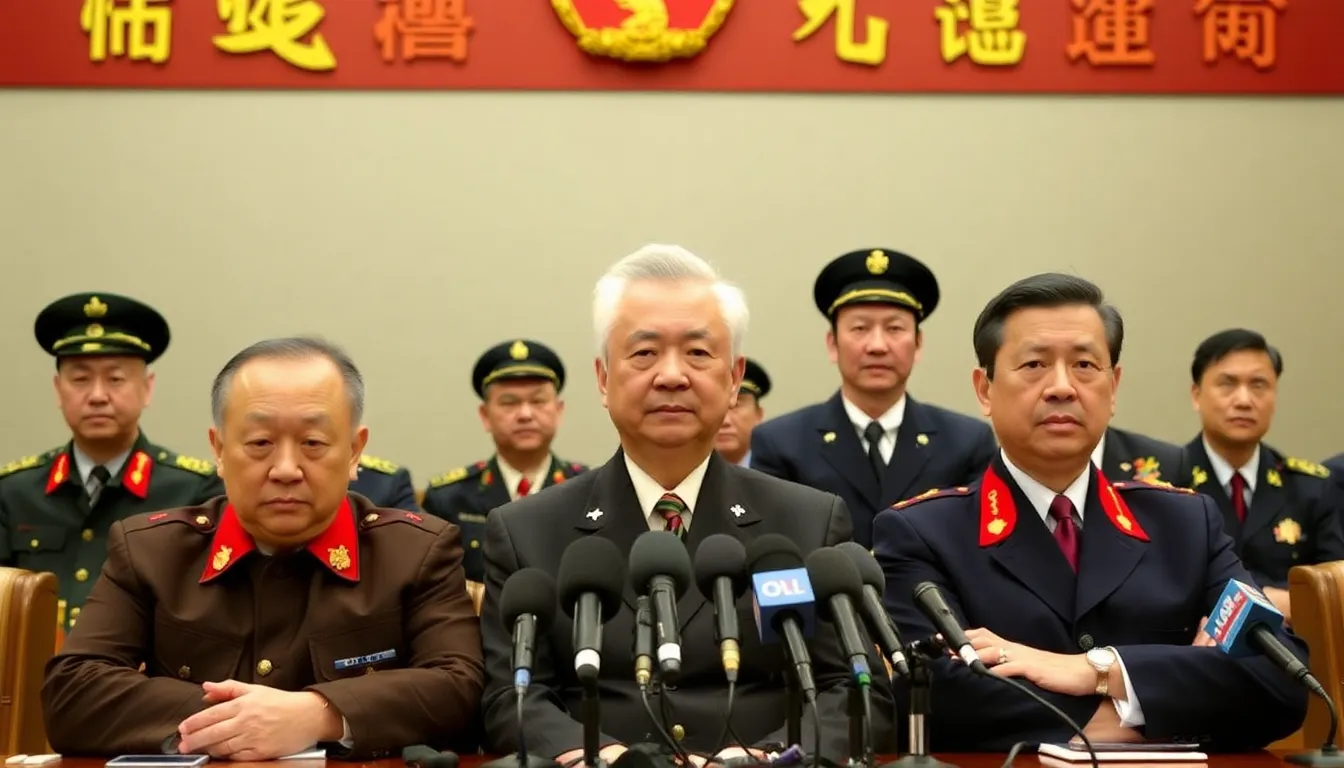
Historically, corruption has been a persistent challenge in China, exacerbated by a lack of transparency and accountability within the government. The CCP has faced increasing public scrutiny and discontent over corrupt practices, leading to widespread calls for reform. In response, President Xi Jinping launched an extensive anti-corruption campaign in 2012, targeting high-ranking officials and military leaders, which can be compared to recent developments where [Roger Stone](https://thefocusinsight.com/roger-stone-myanmar-junta-backlash/) faced backlash for his dealings.
The cases of the former defense ministers, who were implicated in various corruption scandals, serve as a stark reminder of the systemic issues within the military and government. These cases are not isolated incidents; they reflect a broader trend of corruption that has infiltrated various levels of administration. The government’s decision to impose suspended death sentences can be seen as an attempt to balance the need for punishment with the political reality of maintaining stability and avoiding public unrest.
The impact of economic growth on corruption
China’s rapid economic growth over the past few decades has created vast opportunities for corruption, particularly in sectors associated with government contracts and military procurement. As the economy expanded, so did the power and influence of military officials, often leading to conflicts of interest and unethical behavior. This intertwining affects not only national stability but also international relations as seen in the [US study](https://thefocusinsight.com/us-study-phone-bans-schools/) questioning policies that manage integrity.
Key stakeholders and implications of the sentences
The recent announcement by China regarding the suspended death sentences for former defense ministers has drawn attention from various stakeholders, each with distinct interests. The primary actors in this situation include the Chinese government, military leadership, the public, and international observers. Each of these groups is affected by the implications of this decision, which carries significant legal and economic ramifications.
Firstly, the Chinese government, particularly the Communist Party leadership, aims to maintain control and demonstrate its commitment to anti-corruption measures. By imposing severe penalties on high-ranking officials, the government seeks to reinforce its authority and deter similar misconduct among current and future leaders. This move may also serve to bolster public trust in the government, as it signals a willingness to hold powerful individuals accountable.
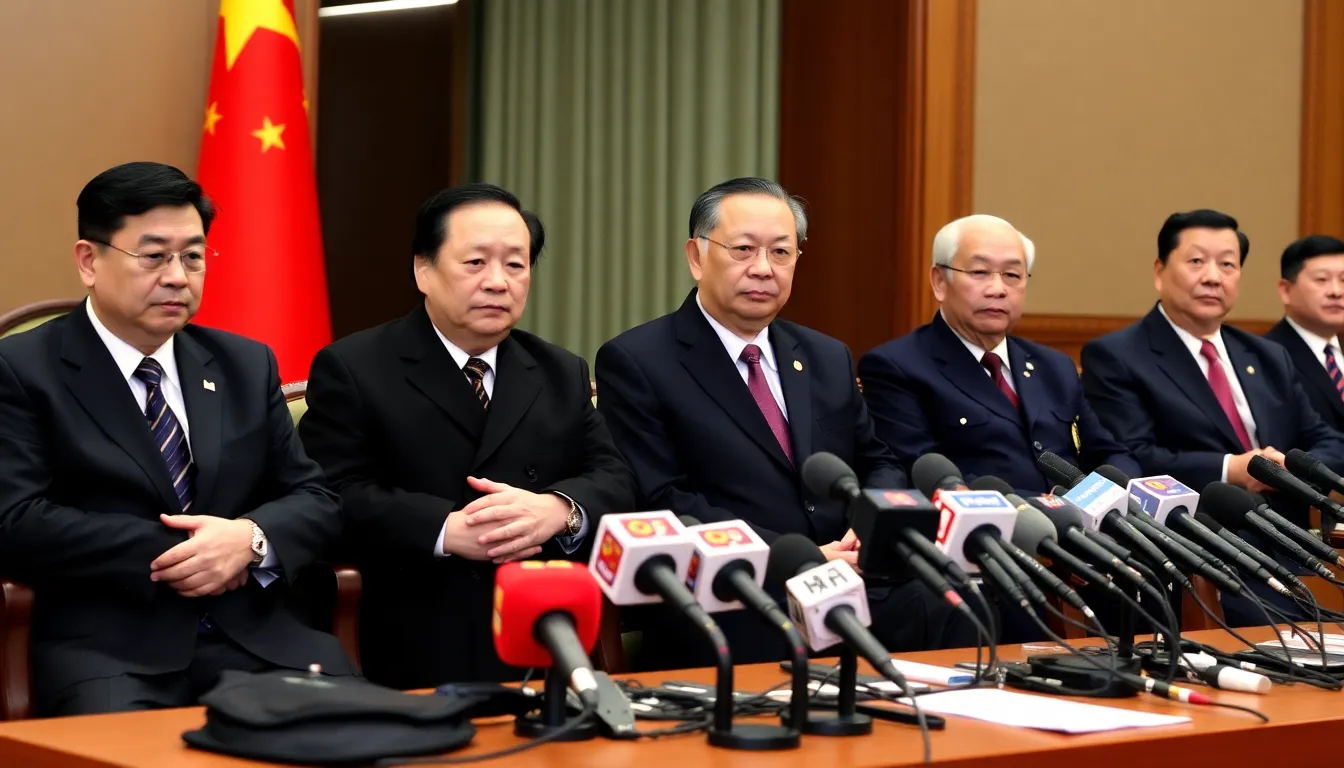
On the other hand, the military leadership may face internal conflicts as a result of this decision. The punishment of former defense ministers could create an atmosphere of fear and uncertainty within the ranks, potentially affecting morale and operational effectiveness. Additionally, this situation raises questions about the stability of leadership within the military and its influence on national security strategies.
From an economic perspective, the implications of these sentences could extend to foreign relations and investment. International businesses and governments closely monitor China’s political climate, and any signs of instability or internal strife may lead to cautious engagement. The potential for increased scrutiny on military spending and defense contracts may also arise, affecting economic partnerships and trade relations.
- Corruption Deterrence: The sentences may act as a deterrent against corruption within the military and government sectors.
- Public Perception: The government’s actions could shape public perception regarding accountability and governance.
- Military Morale: The decision may impact morale and cohesion within the military hierarchy.
- International Relations: Foreign governments may reassess their diplomatic and economic strategies in response to perceived instability.
- Legal Precedents: This case may set important legal precedents regarding the treatment of high-ranking officials accused of misconduct.
Impact on China’s political landscape and military
The recent announcement by China to suspend death sentences for former defense ministers has significant implications for various groups within the country. Primarily, this decision affects the military establishment, political elites, and the broader governance structure. The military’s leadership may experience shifts in power dynamics, leading to a reevaluation of loyalty and accountability within the ranks.
In the short term, this policy change could result in increased uncertainty among military personnel and government officials, as the precedent set may lead to a more lenient approach towards corruption and misconduct. This could foster a culture of impunity, potentially undermining the integrity of military operations and decision-making processes.
From a business perspective, industries closely linked to defense and national security may face both risks and opportunities. Companies involved in defense contracting could see changes in procurement policies, which may either open up new avenues for collaboration or lead to stricter regulations as the government seeks to maintain a tighter grip on military spending.
- Short-term impacts: Increased uncertainty among military and political officials.
- Mid-term impacts: Potential for a culture of impunity affecting governance.
- Business opportunities: New collaborations in defense contracting.
- Risks: Stricter regulations could emerge as a response to corruption concerns.
Regions with a high concentration of military facilities or defense-related industries may experience economic fluctuations as the government navigates this new policy landscape. Local economies that rely on defense contracts could face instability, while others may benefit from increased investments in military modernization and infrastructure development.
A: The suspended death sentences were a result of extensive corruption investigations that revealed significant misconduct within the military leadership. A: This decision may lead to a shift in military operations as new leadership is brought in, potentially impacting strategic decisions and defense policies. A: The former ministers may face further legal actions depending on the outcomes of ongoing investigations, despite the suspended sentences. A: Suspended death sentences are not uncommon in China, often used as a means to show leniency while still addressing serious crimes. A: This move illustrates China’s ongoing efforts to combat corruption within its ranks, although the effectiveness and transparency of these efforts remain in question.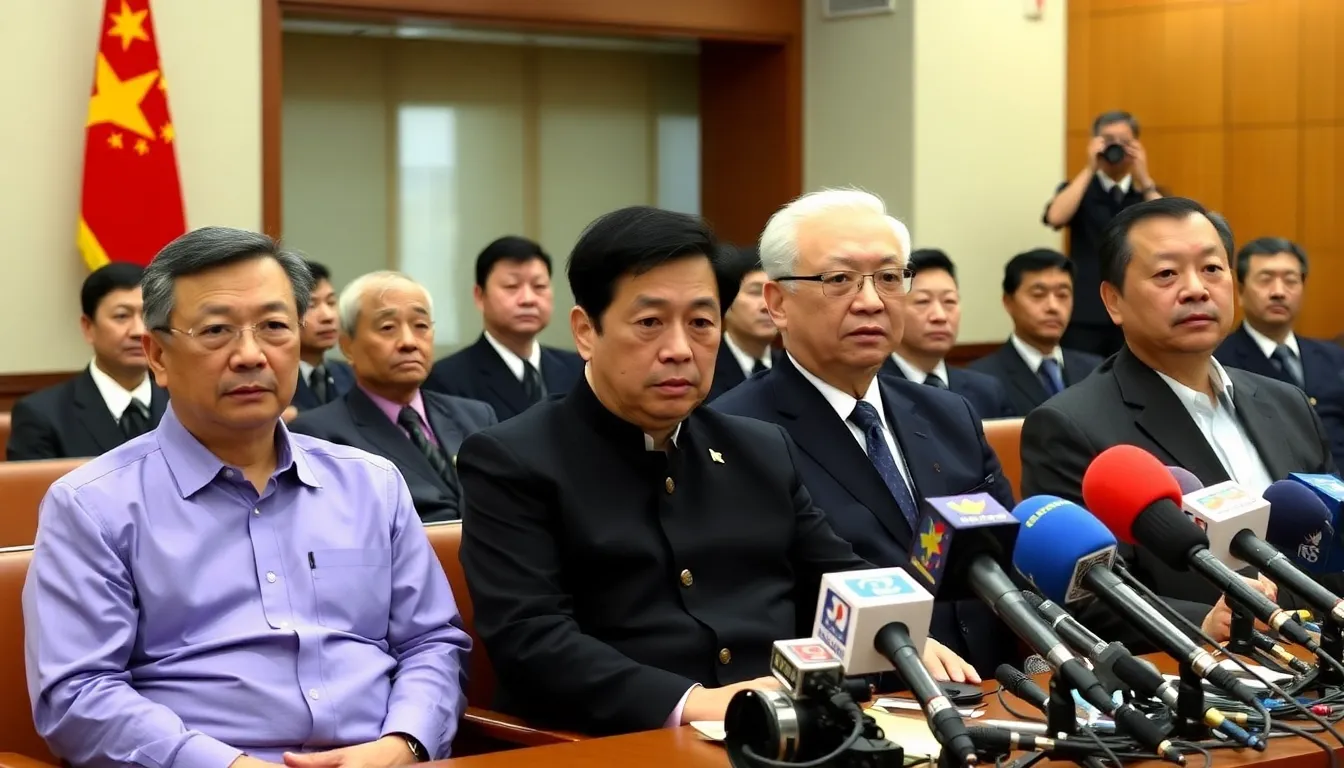
Frequently asked questions about the suspended sentences
Insights on the future of military leadership in China
The recent announcement regarding the suspended death sentences for former defense ministers marks a significant development in China’s military and political landscape. This decision not only reflects the ongoing anti-corruption campaign within the Chinese Communist Party but also signals a shift in how the leadership is managing accountability and governance within its ranks. As the nation navigates complex geopolitical challenges, the implications of this move will reverberate through military strategy and civil-military relations.
Looking ahead, the focus will be on how this decision affects the morale of military leaders and the broader implications for China’s defense policy. The potential for increased scrutiny of military officials may lead to a more cautious approach in decision-making, while also raising questions about the balance of power within the party and the armed forces.
- Monitor changes in military leadership dynamics and the potential for increased oversight on defense operations.
- Watch for shifts in China’s military strategy as leaders may adopt more risk-averse tactics in response to internal pressures.
- Consider the impact on international relations, particularly with nations that have vested interests in China’s military actions.
- Evaluate the implications for China’s domestic stability, as public perception of military leadership could influence political support.
- Observe how this development may affect China’s anti-corruption efforts in other sectors beyond the military.