


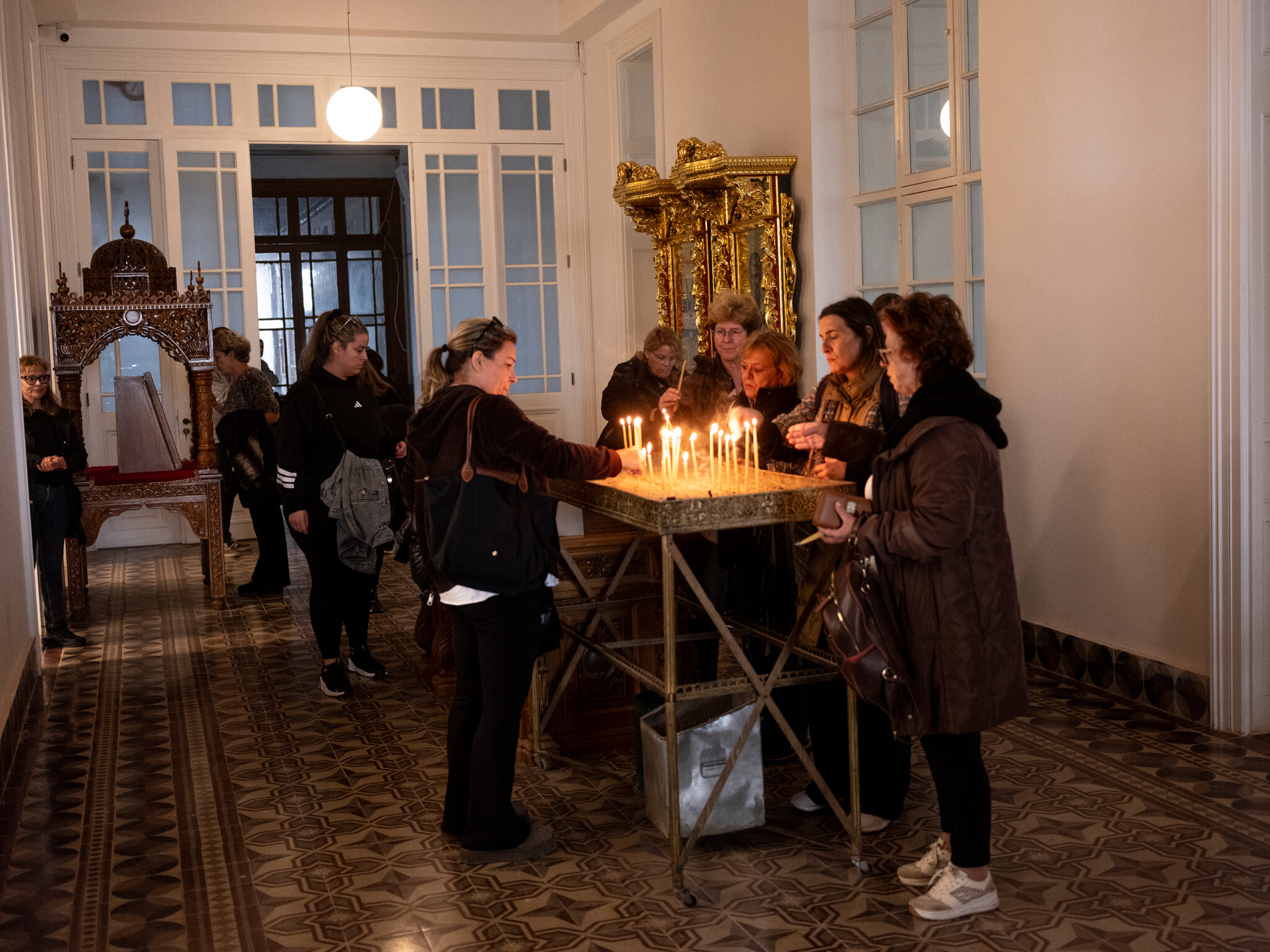
The Pope’s discussions with Ecumenical Patriarch Bartholomew I focused on the shared challenges faced by Christians in the region, including persecution and declining numbers. Both leaders emphasized the importance of unity in the face of adversity, highlighting the need for a collaborative approach to address the issues affecting Christian communities.
This appeal comes at a time when geopolitical tensions and religious extremism threaten the stability of the region, making the dialogue between these two branches of Christianity more crucial than ever, similar to the insights shared in Exploring the Insights of BBC Inside Science.
Pope Francis’s visit is not only a gesture of goodwill but also a strategic move to strengthen the Catholic Church’s presence in an area where Orthodox Christianity has deep roots. The meeting serves as a reminder of the ongoing efforts to heal the divisions that have persisted for centuries.

Historical context of Christianity in Turkey and its divisions
Turkey, straddling both Europe and Asia, has a rich tapestry of religious history, particularly concerning Christianity. The region was once the heart of the Byzantine Empire, where Christianity flourished and developed its doctrines. The establishment of Constantinople as the capital in 330 AD by Emperor Constantine marked a pivotal moment, solidifying Christianity’s presence in the area. However, the eventual rise of Islam and the Ottoman Empire drastically transformed the religious landscape.
By the 15th century, the fall of Constantinople in 1453 to the Ottomans heralded a new era where Islam became the dominant faith. The Christian population, particularly the Greek Orthodox and Armenian communities, faced various degrees of persecution and marginalization. This historical shift not only affected the practice of Christianity but also sowed seeds of division among different Christian denominations, leading to a complex relationship characterized by both coexistence and conflict.
The Great Schism and its Impact
The Great Schism of 1054, which divided Christianity into the Roman Catholic Church and the Eastern Orthodox Church, had profound implications for Christians in Turkey. This division not only created a theological rift but also fostered political tensions that would resonate through centuries. The Eastern Orthodox Church, centered in Constantinople, became a symbol of resistance against Western influence, while the Catholic Church sought to assert its authority over Christian communities in the region.
This secularism, combined with rising nationalism and recent geopolitical tensions, has further complicated the status of Christians in Turkey, leading to a decline in their numbers and influence, much like the themes explored in the review of unpaid carer debts.

Today, Pope Francis’s visit aims to address these historical grievances and promote dialogue among various Christian denominations. His efforts are not only a step towards healing centuries-old divisions but also a recognition of the need for unity in the face of contemporary challenges faced by Christian communities in Turkey and the broader region.
Key stakeholders and issues surrounding the Christian community
The recent visit of Pope Francis to Turkey highlights the complex landscape of the Christian community in the region, where historical divides and contemporary tensions persist. Key stakeholders include the Vatican, the Turkish government, local Christian denominations, and various international organizations advocating for religious freedom and minority rights.
The Vatican’s interest lies in promoting ecumenism and fostering dialogue among different Christian denominations, particularly between the Catholic Church and the Eastern Orthodox Church. This is crucial in a country where the Christian population is a minority, and their rights often face challenges. The Pope’s visit serves as a symbolic gesture of solidarity and an effort to bridge longstanding divides.
This creates a delicate trade-off between promoting national unity and respecting minority rights, as discussed in other contexts like Stephen Schwartz’s reflections on America.

- Historical Context: The legacy of the Ottoman Empire and the subsequent establishment of the Republic of Turkey has left deep-seated divisions among Christian denominations.
- Legal Issues: Property rights and the status of religious institutions remain contentious, with many Christian sites facing bureaucratic hurdles.
- Economic Factors: The economic viability of Christian communities is often tied to tourism, which can be affected by geopolitical tensions.
- International Relations: The involvement of international organizations can complicate local dynamics, as they advocate for human rights and religious freedoms.
In addition to these stakeholders, local Christian leaders play a crucial role in navigating the challenges faced by their communities. They often act as intermediaries between their congregations and the government, advocating for better conditions while trying to maintain their religious practices in a predominantly Muslim society. The dynamics among these various actors create a complex web of interests that influence the future of Christianity in Turkey.
Potential impact on Christian communities and interfaith relations
The visit of Pope Francis to Turkey is poised to affect various Christian communities, particularly the Eastern Orthodox and Catholic populations. This engagement is significant as it aims to bridge the historical divide that has often led to tensions between these groups. Regions with substantial Christian populations, such as Istanbul and the surrounding areas, will likely experience a renewed sense of unity and purpose.
In the short term, the Pope’s presence may encourage greater dialogue among Christian denominations, fostering a spirit of collaboration and mutual respect. This could lead to increased participation in interfaith initiatives, enhancing community relations and promoting peace in a region often marked by religious strife. Local businesses, particularly those in the hospitality and tourism sectors, may also see a temporary boost as visitors flock to attend events related to the Pope’s visit.
Mid-term impacts could include shifts in policy as local governments and organizations may seek to capitalize on the positive momentum generated by the visit. This could result in more inclusive policies regarding religious practices and greater support for interfaith dialogue programs. However, there are risks involved; if the visit does not lead to tangible outcomes, it may foster disillusionment among communities that hoped for significant change.

- Increased interfaith dialogue: Potential for collaborative initiatives between Christian denominations.
- Boost to local economy: Short-term economic benefits for tourism and hospitality sectors.
- Policy shifts: Possible changes in local governance regarding religious freedoms.
- Risk of disillusionment: If expectations are not met, communities may feel let down.
Overall, while the Pope’s visit carries both risks and opportunities, its potential to impact daily life and interfaith relations in Turkey is significant. The long-standing divide between Christian communities may find a path toward healing, fostering a more harmonious coexistence in the region.
A: The Pope’s visit aims to promote dialogue and reconciliation among the various Christian denominations in Turkey, addressing historical grievances. A: The Christian community has shown mixed reactions, with some expressing hope for unity while others remain skeptical due to past tensions. A: Historical events such as the Great Schism and the Ottoman Empire’s policies have led to longstanding divisions among Christian groups in the region. A: Turkey is significant as it hosts many historical Christian sites and is home to a small but important Christian population, making it a focal point for interfaith dialogue. A: While the visit may not resolve all issues, it is expected to foster ongoing dialogue and potentially improve relations among Christian denominations.
Frequently Asked Questions about the Pope’s Visit
Insights on the future of Christian unity in Turkey
The Pope’s visit to Turkey highlights the ongoing efforts to bridge the divide between different Christian denominations in a region steeped in religious history. His emphasis on dialogue and reconciliation serves as a reminder of the potential for unity amidst diversity. As Turkey continues to navigate its complex religious landscape, the implications of this visit may resonate beyond its borders, influencing interfaith relations globally.
Moving forward, the interactions between the Vatican and local Christian communities could pave the way for a renewed focus on collaboration and mutual respect. Observers should pay close attention to how these developments unfold, as they may signal shifts in both local and international religious dynamics.
- Increased dialogue: Expect more initiatives aimed at fostering conversations between different Christian denominations in Turkey.
- Interfaith relations: The Pope’s visit may inspire broader interfaith efforts, encouraging cooperation among various religious groups in the region.
- Local community impact: The response of local Christian communities to the Pope’s message could shape future interactions and unity efforts.
- Global implications: The outcomes of this visit may influence Christian relations worldwide, particularly in regions facing similar divides.