


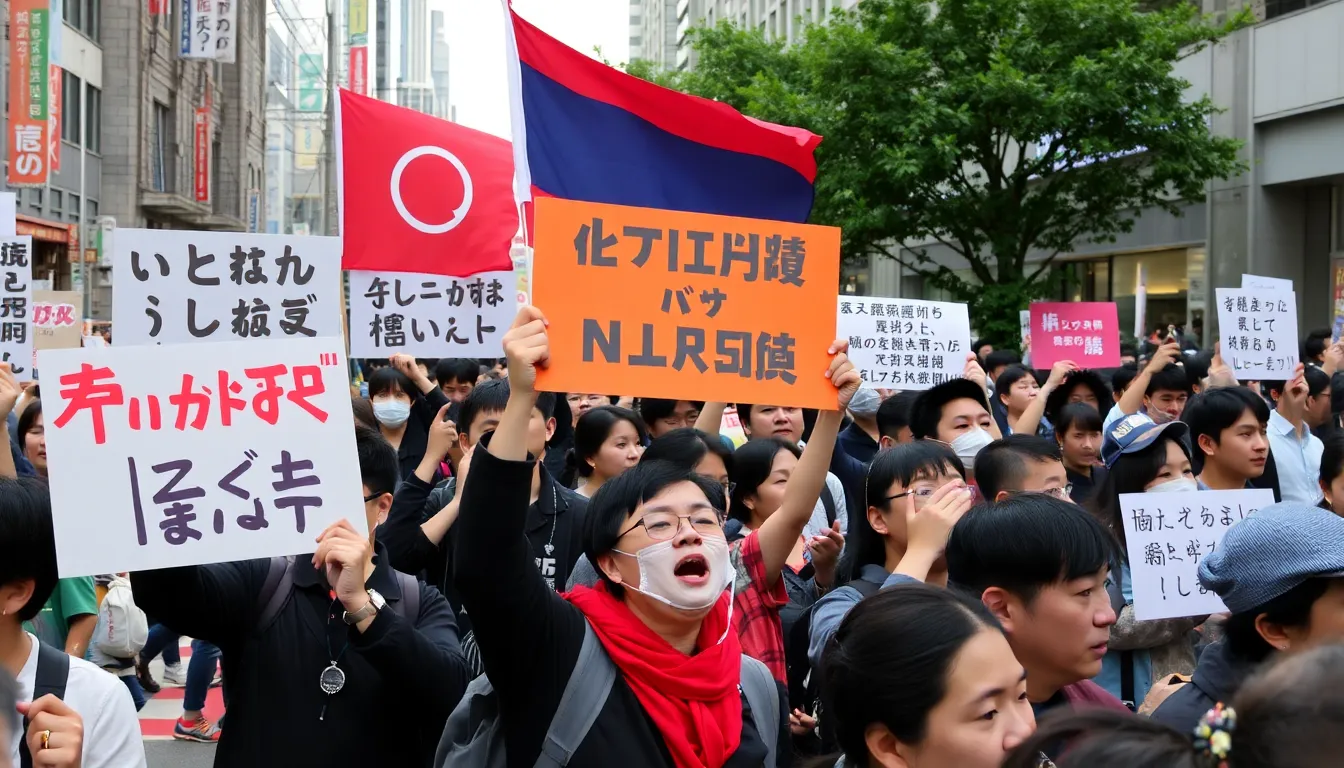
The protests have been fueled by concerns over Japan’s historical pacifism and the implications of a more aggressive defense strategy amid rising tensions in the Asia-Pacific region. Demonstrators argue that expanding the military could lead Japan into conflicts that many believe contradict the nation’s post-World War II constitution. This situation is reminiscent of the broader global context where countries like the United States, as detailed in Pentagon’s vision for an AI-first military, are also re-evaluating their defense strategies.
On October 1, 2023, Kishida announced plans to double Japan’s defense budget by 2027, aiming to enhance the country’s military capabilities in response to regional threats, particularly from North Korea and China. This announcement has intensified public scrutiny and sparked widespread debate about the future direction of Japan’s defense policy.
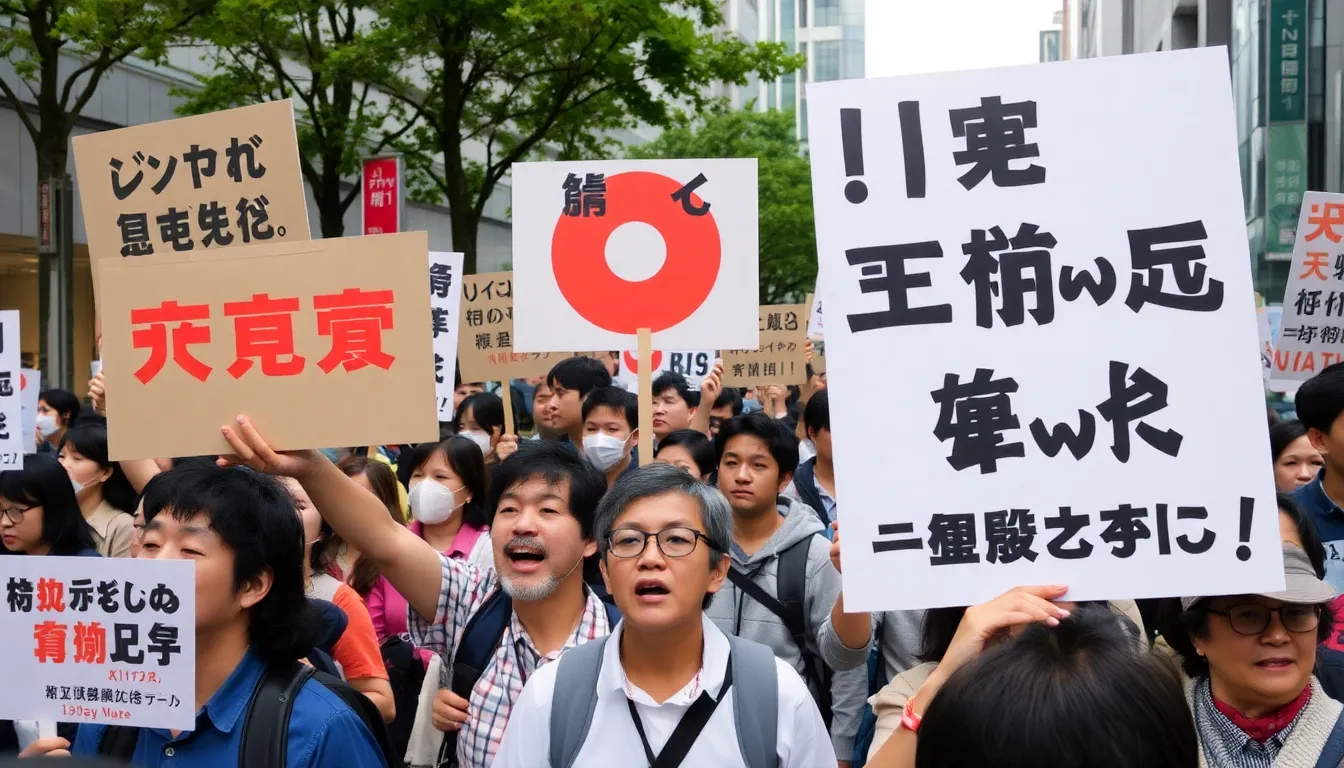
Protesters, including students, activists, and concerned citizens, have organized rallies and marches, calling for a return to Japan’s pacifist principles. They emphasize the need for diplomatic solutions rather than military escalation, reflecting a significant divide in public opinion on national security issues.
The ongoing demonstrations highlight a pivotal moment in Japan’s political landscape, as the government faces mounting pressure from both domestic and international fronts. As the situation evolves, the balance between defense readiness and adherence to pacifism remains a key issue for the Japanese populace.
Understanding Japan’s historical stance on military engagement
Japan’s post-World War II constitution, particularly Article 9, has long been a cornerstone of its pacifist stance. Enacted in 1947, this article renounces war and prohibits Japan from maintaining military forces for warfare. This commitment to pacifism shaped Japan’s identity and foreign policy for decades, fostering a culture that prioritized diplomacy and economic development over military engagement.
Over the years, however, regional security dynamics have shifted dramatically. The rise of North Korea as a nuclear power and increasing assertiveness from China have prompted discussions about Japan’s defense capabilities. The perception of an evolving threat landscape has led to a growing debate within Japan about the necessity of a stronger military posture, challenging the long-held pacifist principles, much like how NATO has been addressing concerns about military readiness in Eastern Europe.
Key milestones in Japan’s defense policy
Several key milestones have marked this evolution in defense policy. In 2014, Prime Minister Shinzo Abe’s administration reinterpreted Article 9, allowing for collective self-defense, which enabled Japan to engage militarily alongside allies. This was a significant departure from previous interpretations and sparked widespread protests from those who feared a return to militarism.
More recently, Japan’s government has sought to increase defense spending to counter perceived threats, a move that has reignited anti-war sentiments among citizens. The protests currently sweeping across Japan reflect a deep-seated anxiety about the potential implications of a more militarized Japan, as many citizens remain wary of the country’s historical militarism and the consequences of military engagement.
The intersection of historical memory, contemporary security challenges, and evolving political leadership has created a complex backdrop for the current wave of anti-war protests, highlighting the tensions between national security and pacifist values in Japanese society.
Key stakeholders and their positions in the defense debate
The ongoing anti-war protests in Japan have highlighted a complex landscape of stakeholders with varying interests regarding the country’s defense policy. At the forefront is Prime Minister Fumio Kishida, who advocates for a stronger military posture in response to regional threats, particularly from North Korea and China. His administration’s push for increased defense spending and military capabilities aims to align Japan more closely with its allies, notably the United States, reflecting a shift similar to those discussed in recent defense policy analyses.
In contrast, a significant portion of the Japanese public, represented by various civic organizations and protest groups, opposes this shift. They argue that a more militarized Japan could lead to increased tensions in the region and undermine Japan’s post-World War II pacifism. These protesters emphasize the need for diplomatic solutions over military ones, reflecting a broader concern about the potential for conflict and the implications of remilitarization.
Another critical actor in this debate is the Japanese Self-Defense Forces (JSDF). While the JSDF supports the government’s defense initiatives, there are internal divisions regarding the extent of Japan’s military engagement abroad. Some members advocate for enhanced capabilities, while others express caution about the potential for Japan to become embroiled in international conflicts.
- Public Sentiment: A significant portion of the population remains skeptical of increased militarization, fearing it could lead to Japan’s involvement in overseas conflicts.
- International Relations: Japan’s relationship with the U.S. is pivotal, with the U.S. encouraging Japan to take a more active role in regional security.
- Legal Considerations: Changes to Japan’s defense policy may require reinterpretation of its pacifist constitution, raising legal and ethical questions.
- Economic Trade-offs: Increased defense spending could divert funds from social programs, leading to debates over budget priorities.
- Regional Stability: The potential for an arms race in East Asia is a concern, as neighboring countries may respond to Japan’s military enhancements.
As these stakeholders navigate their conflicting interests, the outcome of this debate will significantly shape Japan’s future role in regional and global security dynamics. The interplay of public opinion, government policy, and international pressures will continue to influence the discourse surrounding defense and militarization in Japan.
Who is affected by the growing military tensions in Japan
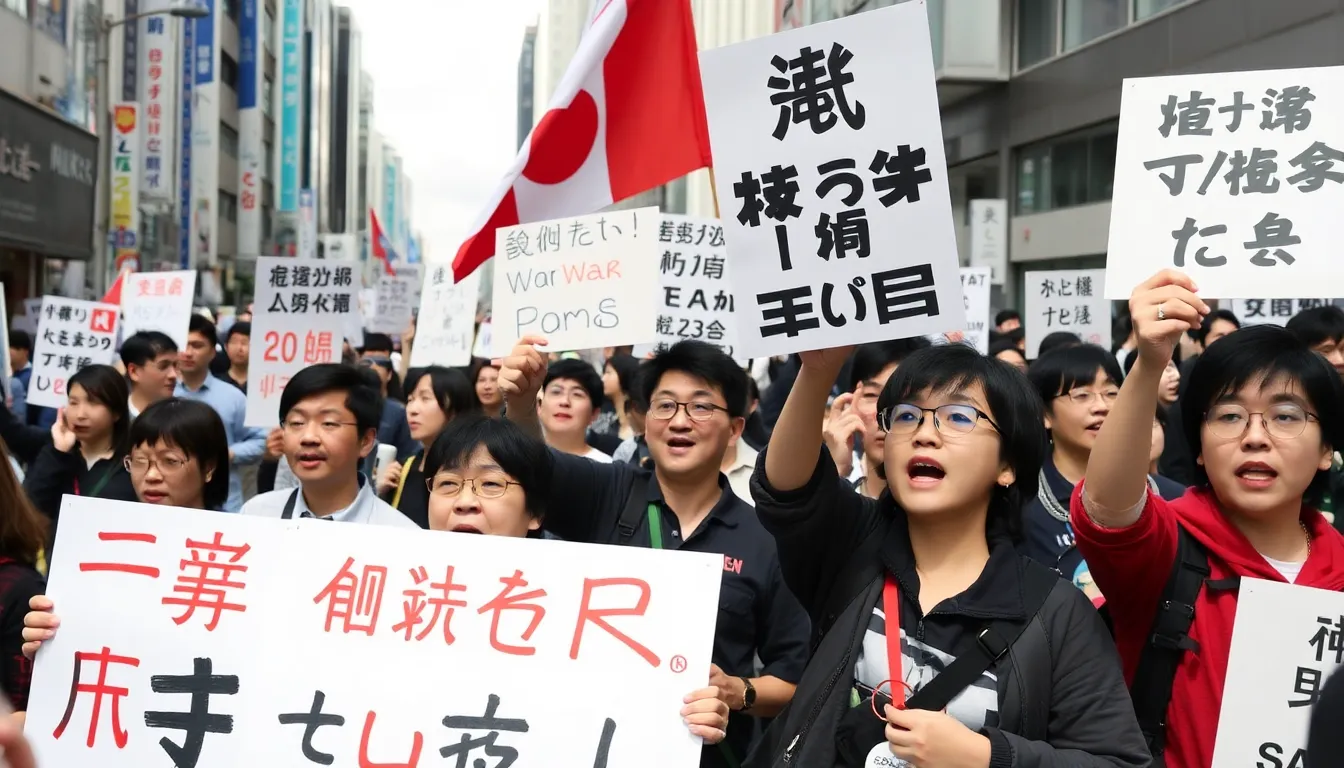
The recent anti-war protests in Japan have highlighted a range of groups and industries that are significantly affected by the Prime Minister’s push for a stronger defense policy. Citizens, particularly those in urban areas where protests are concentrated, are at the forefront of this movement, voicing their concerns about potential military escalation and its implications for peace in the region.
In addition to the general populace, various industries are impacted. Defense contractors may see a boost in contracts and funding as the government increases military spending. Conversely, tourism and hospitality sectors could face short-term downturns as protests deter visitors and create an atmosphere of unrest. Local businesses, especially in protest-affected areas, may experience disruptions that can lead to reduced foot traffic and sales.
The mid-term implications of these tensions could reshape public policy and societal attitudes towards defense and military engagement. There is a risk that continued protests may lead to stricter governmental measures on civil liberties, affecting freedom of expression. However, this situation also presents opportunities for dialogue and reform, as public sentiment could push for more transparent and accountable defense policies.
- Short-term risks: Increased public unrest, disruption to local businesses, and potential government crackdowns on protests.
- Mid-term risks: Changes in civil liberties, heightened military presence, and potential regional instability.
- Potential opportunities: Growth in defense-related industries, increased public engagement in policy discussions, and a push for peace-oriented initiatives.
Regions with a history of military presence or those near protest hotspots are particularly vulnerable to the fallout from these tensions. The government’s response to the protests will be crucial in determining the long-term effects on both national security and civil society in Japan.
A: The protests are primarily driven by public opposition to increased military spending and involvement in international conflicts, which many citizens believe contradicts Japan’s pacifist constitution. A: The government has acknowledged the protests but maintains that strengthening defense capabilities is essential for national security, especially in light of regional threats. A: Japan’s post-World War II pacifist policies have shaped a national identity that generally favors peace over military action, making the current push for defense expansion controversial. A: Yes, Prime Minister Fumio Kishida is a key figure advocating for stronger defense policies, while opposition leaders are voicing concerns about the implications for Japan’s pacifist stance. A: The protests could influence policymakers to reconsider the pace and extent of military expansion, as public opinion plays a crucial role in democratic governance.
Frequently asked questions about the protests and defense policies
Future outlook on Japan’s defense strategy and public sentiment
The recent anti-war protests in Japan highlight a growing tension between the government’s push for a more robust defense posture and public sentiment that remains wary of militarization. As Prime Minister pushes for stronger defense capabilities, particularly in response to regional threats, the divide between government objectives and citizen concerns is becoming increasingly pronounced. This dynamic will likely shape Japan’s political landscape and defense policy in the years to come.
As Japan navigates this complex environment, the implications of these protests could influence not only domestic policy but also Japan’s role on the international stage. Observers should monitor how the government addresses public dissent and whether it can balance national security interests with the desire for peace among its citizens.
- Watch for potential shifts in public opinion as the government continues to advocate for increased military spending and capabilities.
- Monitor the responses from opposition parties and civil society groups, which may shape the political discourse surrounding defense policies.
- Consider the impact of regional security dynamics, particularly relations with neighboring countries, on Japan’s defense strategy.
- Keep an eye on potential legislative changes that may arise in response to both public protests and international pressures.
- Assess how Japan’s defense strategy evolves in relation to its historical pacifism and the current geopolitical climate.