


Only one country, Eritrea, remains subject to these tariffs, highlighting China’s strategic approach to trade partnerships. The elimination of tariffs is expected to facilitate smoother trade flows, encouraging African countries to export a wider range of goods to China, which is one of the continent’s largest trading partners. For more information on this subject, check out our article on China’s tariff policies.
This tariff reduction is part of China’s broader strategy to strengthen its influence in Africa, a continent rich in natural resources and emerging markets. By fostering closer economic ties, China aims to secure access to essential commodities while supporting the development goals of African nations.
The implications of this policy change are significant, as it could lead to increased economic activity and investment opportunities in Africa. Analysts suggest that this move may also reshape the competitive landscape, prompting other global powers to reassess their trade strategies with African countries.
Understanding the background of China’s tariff policies
China’s approach to tariffs has evolved significantly over the past few decades, reflecting its growing economic ambitions and strategic interests on the African continent. Historically, China’s engagement with Africa intensified in the early 2000s, marked by the Forum on China-Africa Cooperation (FOCAC) established in 2000. This platform aimed to enhance economic ties and development assistance, setting the stage for deeper trade relationships.
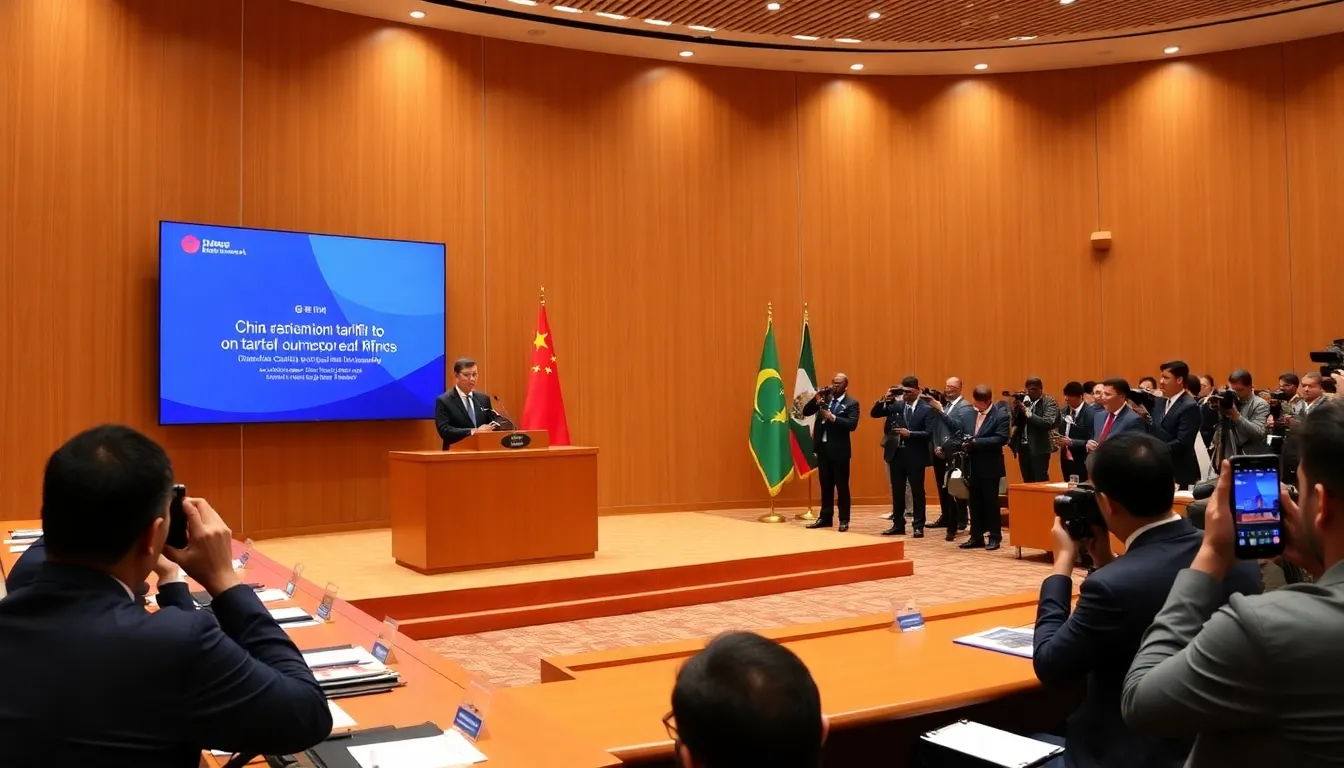
In recent years, China’s economic policy has shifted towards promoting free trade and investment, particularly in developing regions. The decision to scrap tariffs for all but one African nation is a strategic move aimed at boosting trade volumes and strengthening diplomatic ties. This policy aligns with China’s Belt and Road Initiative, which seeks to enhance infrastructure and connectivity across Africa, thereby facilitating smoother trade routes and economic cooperation. Learn more about this initiative in our article on infrastructure development.
The significance of tariff reductions
The reduction of tariffs is expected to have profound implications for African economies, many of which rely heavily on exports of raw materials to China. By eliminating tariffs, China is not only fostering goodwill but also positioning itself as a key partner in Africa’s economic development. This move is particularly significant for countries that have faced barriers to trade, allowing them to access the vast Chinese market more effectively.
Moreover, this policy shift comes at a time when global trade dynamics are shifting, with many countries reevaluating their trade relationships. China’s decision to maintain tariffs for just one African nation highlights the complexities of international relations and the impact of political considerations on economic policies. As China continues to expand its influence in Africa, the implications of these tariff changes will be closely monitored by both African nations and global economic analysts.
Key stakeholders and issues surrounding the tariff changes
The recent decision by China to scrap tariffs for all but one African nation has significant implications for various stakeholders, including African governments, Chinese authorities, and international trade organizations. Each actor has distinct interests that shape their responses to these tariff changes.
One of the primary stakeholders is the African Union, which represents the collective interests of African nations. The removal of tariffs is seen as a potential boost for trade, allowing African countries to access Chinese markets more easily. However, the exclusion of one nation raises concerns about inequality and favoritism within the continent, which could lead to tensions among member states.
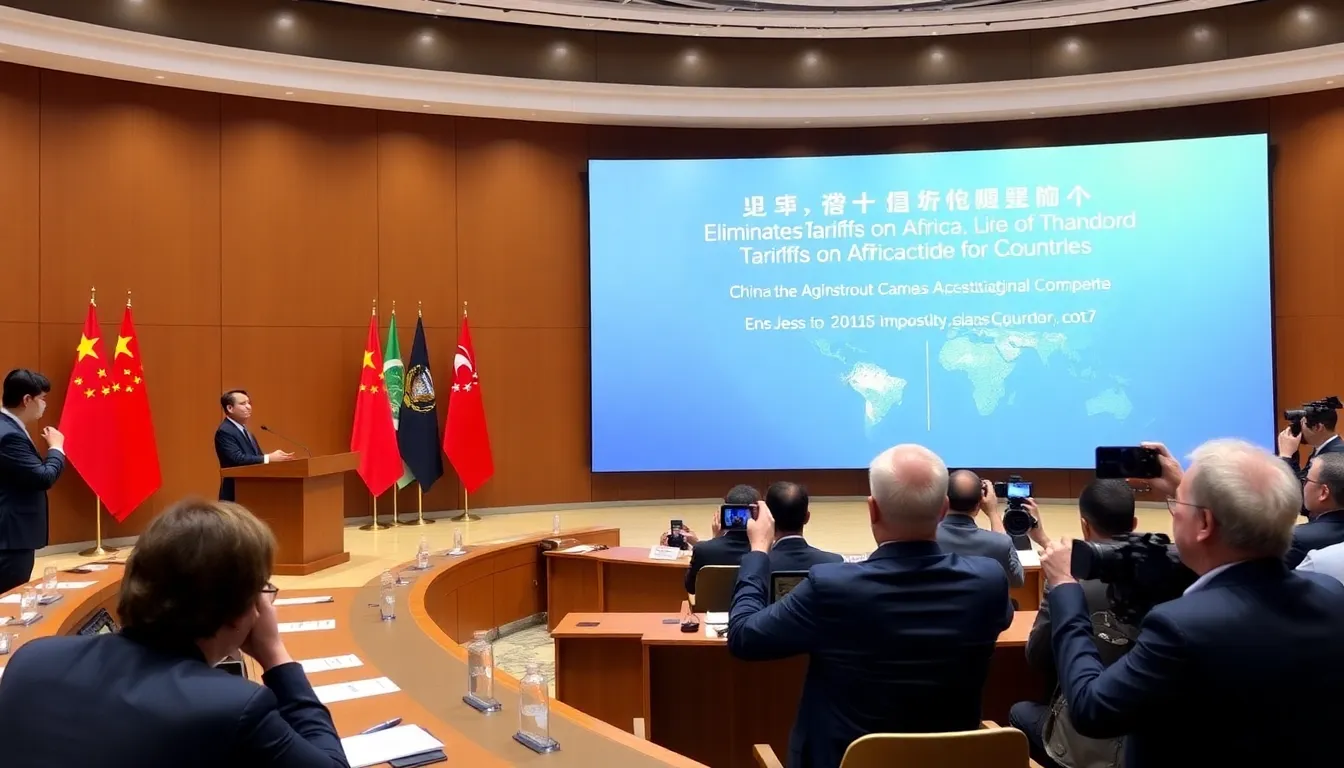
Chinese authorities, particularly the Ministry of Commerce, are also key players in this scenario. Their interest lies in strengthening economic ties with Africa, promoting investment opportunities, and securing access to natural resources. However, the decision to maintain tariffs on one nation could be interpreted as a strategic move, possibly reflecting political relationships or economic considerations that may not align with broader trade goals.
International trade organizations, such as the World Trade Organization (WTO), are also monitoring the situation closely. They are concerned about the implications of such tariff changes on global trade dynamics and the potential for trade disputes. Key issues include the legality of the tariff exemptions and whether they comply with international trade agreements, which could influence future negotiations and policies.
- Economic Impact: The tariff changes could significantly affect trade flows between China and African nations.
- Political Relationships: The decision may reflect underlying political alliances or tensions between China and the excluded nation.
- Market Access: African countries may gain improved access to Chinese markets, enhancing their export potential.
- Trade Equity: The exclusion of one nation raises questions about fairness and equity among African countries.
- Compliance Issues: Potential legal challenges could arise if the tariff changes are deemed inconsistent with WTO regulations.
Potential impacts on African economies and trade dynamics
The recent decision by China to scrap tariffs for all but one African nation is poised to have significant implications for various groups and industries across the continent. African exporters, particularly those in agriculture, textiles, and minerals, stand to benefit from increased access to one of the world’s largest markets. This policy shift can enhance trade relations and stimulate economic growth in countries that have been previously hindered by tariff barriers. For further insights, explore our discussion on international trade dynamics.
In the short term, businesses involved in export-oriented sectors may experience a surge in demand as Chinese importers seek to diversify their supply chains. This could lead to increased production, job creation, and higher incomes for workers in these industries. However, the immediate impact may vary by country, with nations that already have established trade relationships with China likely to see quicker benefits.
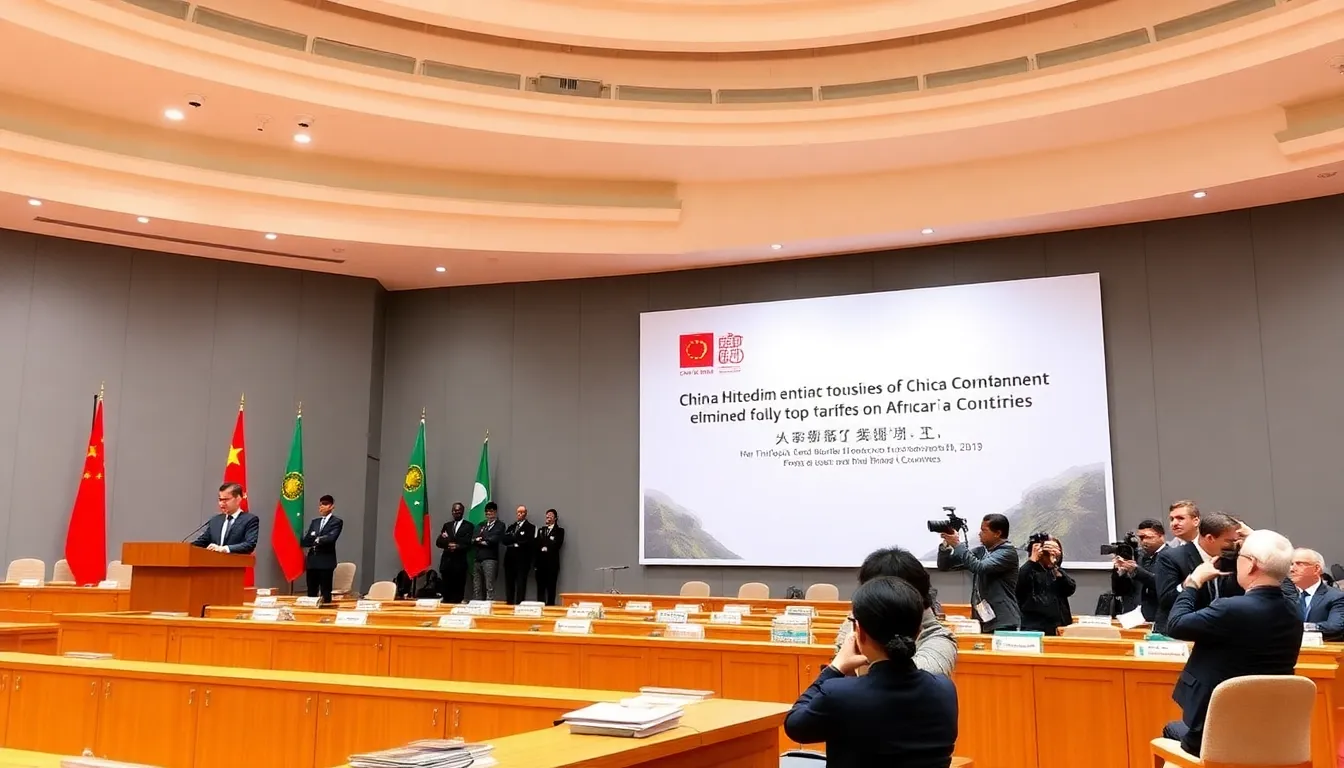
In the mid-term, the removal of tariffs could lead to a more competitive market landscape. Countries that capitalize on this opportunity may strengthen their positions in global supply chains, boosting their economies. However, this shift also poses risks, such as over-reliance on the Chinese market and potential vulnerabilities to fluctuations in demand or policy changes from Beijing.
- Opportunities: Enhanced market access for African exports, increased foreign investment, and potential for economic diversification.
- Risks: Economic dependence on China, exposure to market volatility, and potential disruption to local industries unable to compete.
Moreover, the policy change may influence regional trade dynamics within Africa. Countries that do not benefit from the tariff exemptions may face challenges in maintaining their competitive edge, leading to potential shifts in trade alliances and partnerships. As African nations navigate these changes, the focus on developing local industries and improving infrastructure will be crucial to fully leverage the opportunities presented by this new trade landscape.
A: The specific African nation that remains subject to tariffs has not been publicly disclosed by China, raising questions about the underlying reasons. A: The removal of tariffs is expected to boost trade and economic growth in most African nations, enhancing their access to Chinese markets. A: China’s decision appears to be part of a broader strategy to strengthen diplomatic and economic ties with Africa, promoting mutual growth. A: Some analysts express concerns that the exclusion of one nation may indicate geopolitical tensions or trade imbalances that need addressing. A: This move could reshape trade patterns, as African nations may increasingly turn to China for imports and exports, altering existing trade routes.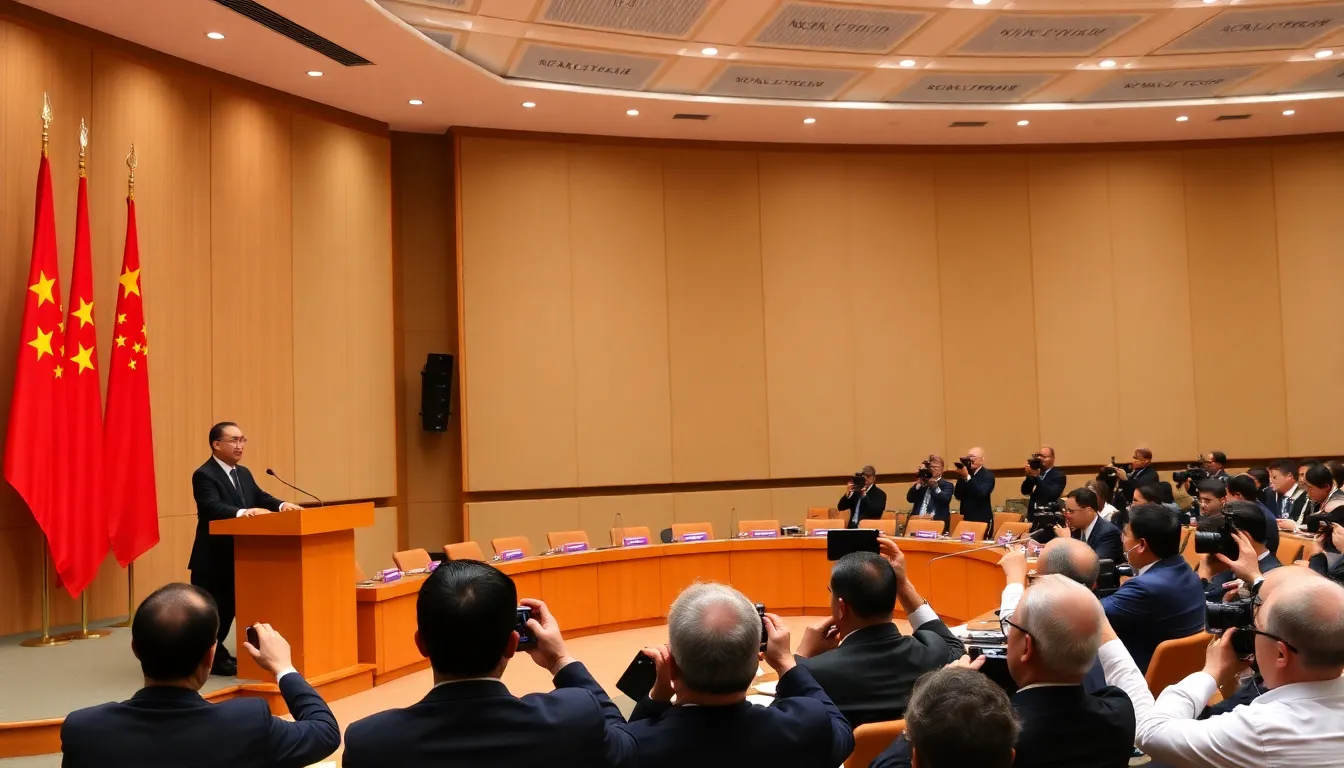
Frequently asked questions about China’s tariff changes
Key takeaways and future outlook on trade relations
The recent decision by China to eliminate tariffs for all but one African nation marks a significant shift in its trade policy, potentially paving the way for enhanced economic collaboration between China and the African continent. This move underscores China’s commitment to strengthening ties with African nations, which may lead to increased trade flows, investment opportunities, and mutual economic growth. However, the exclusion of one nation highlights ongoing geopolitical dynamics that could influence future negotiations and partnerships.
As trade relations evolve, stakeholders should monitor how these changes affect regional economies, the competitive landscape, and the broader implications for international trade policies. The focus will likely shift towards fostering sustainable trade practices and addressing challenges that arise from this new framework.
- Watch for shifts in trade volumes between China and African nations, particularly those benefiting from the tariff removal.
- Consider the potential impact on local industries and economies in Africa as they adapt to increased competition and opportunities.
- Observe how the excluded nation reacts and whether it seeks to renegotiate its position in light of these developments.
- Monitor China’s broader geopolitical strategy in Africa, especially in relation to other global powers.
- Evaluate the implications for global supply chains and the movement of goods in and out of Africa.