


The Romanian government has taken steps to enhance its defense capabilities, including the deployment of additional troops to its eastern borders and increased military exercises with NATO forces. In a significant move, Romania hosted a NATO summit in June 2023, where leaders discussed the ongoing security challenges posed by the war in Ukraine and the implications for NATO’s eastern flank. This summit is particularly relevant given the recent updates on geopolitical dynamics in Eastern Europe.
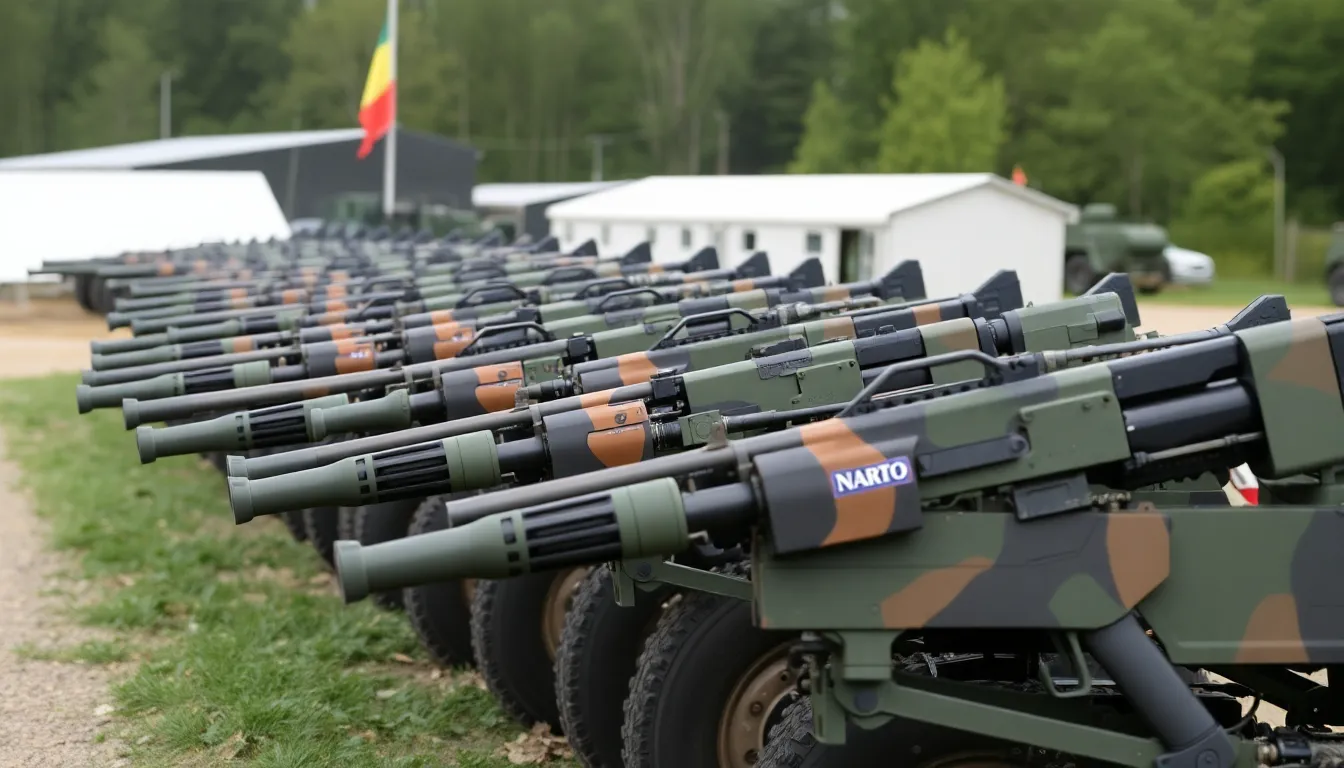
Local communities are grappling with the presence of military installations and the potential risks associated with the storage and transit of heavy weaponry. Incidents involving the accidental discharge of military arms have raised alarms among residents, prompting calls for greater transparency and safety measures from the government. As of October 2023, public sentiment remains divided, with some supporting increased military presence for national security, while others express concerns over the implications for civilian safety; understanding these local perspectives is crucial.
The situation is further complicated by the geopolitical dynamics involving Russia, which has criticized NATO’s military buildup in Eastern Europe. Romanian officials have consistently reaffirmed their commitment to NATO, emphasizing the need for collective defense measures. However, the potential for miscalculation or unintended escalation remains a key concern for both local and international observers.
Exploring the Background of Romania’s Security Challenges
Romania’s contemporary security challenges cannot be understood without considering its historical context, particularly its geographical position at the crossroads of Eastern and Western Europe. The nation has long been affected by the shifting dynamics of power in the region, especially during the Cold War, when it was part of the Eastern Bloc under Soviet influence. This historical backdrop has shaped Romania’s current security policies and its relationship with NATO, which it joined in 2004.
The dissolution of the Soviet Union in 1991 marked a significant turning point for Romania, allowing it to pursue a path towards European integration and democratic governance. However, the subsequent rise of regional conflicts, particularly in the Balkans and the Black Sea, has kept Romania on high alert. The annexation of Crimea by Russia in 2014 further exacerbated security concerns, leading Romania to enhance its military capabilities and solidify its commitments within NATO.
The Economic Dimension of Security
Economically, Romania has faced challenges that intertwine with its security landscape. The need for modernization of its military infrastructure has necessitated significant investment, which has been a topic of debate within the country. The government has sought to balance defense spending with social and economic development, often leading to tensions in public opinion. Additionally, Romania’s role as a transit country for energy supplies from the East to the West has made it a strategic player in European energy security, further complicating its geopolitical stance.
Socially, the impact of these security challenges is felt across various demographics in Romania. The fear of instability has led to increased nationalism and a reevaluation of public attitudes towards military engagement and international alliances. As the country grapples with the implications of living in proximity to ongoing conflicts and military threats, public discourse has shifted towards the importance of national defense and the role of Romania within the NATO framework.
In summary, the confluence of historical legacies, economic realities, and social dynamics has created a complex security environment for Romania. The ongoing war in Ukraine and the associated spillover effects into NATO territory underscore the urgency of addressing these challenges, as Romania navigates its role in a rapidly changing geopolitical landscape.
Analyzing Stakeholders and Key Issues Surrounding NATO’s Response
The situation in Romania, particularly in the context of weapons of war spilling into NATO territory, involves a complex interplay of various stakeholders. Key actors include the Romanian government, NATO member states, local communities, and international organizations. Each of these stakeholders has distinct interests that shape their responses to the ongoing challenges.
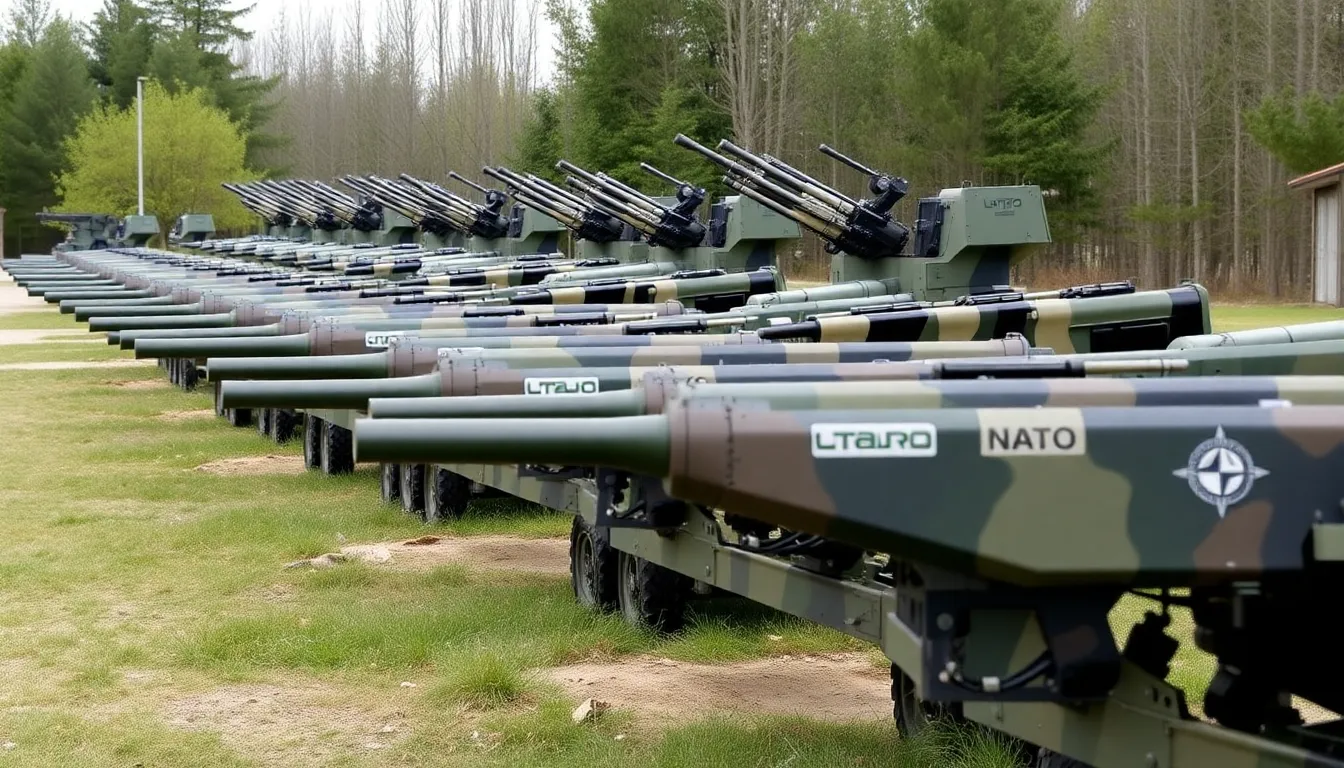
The Romanian government is primarily focused on ensuring national security and public safety. With the influx of military arms and potential threats from neighboring conflicts, Romania seeks to bolster its defense capabilities while maintaining diplomatic relations with allies. This balancing act is crucial as it navigates the fine line between military preparedness and political stability.
NATO, as a collective defense organization, has a vested interest in maintaining regional stability. The alliance must address the implications of weapons proliferation and potential escalations in violence. This includes coordinating military support for Romania and other frontline states, while also engaging in diplomatic efforts to mitigate tensions. The challenge lies in the differing priorities of member states, which can lead to conflicts over resource allocation and strategic focus.
- Local Communities: Residents in affected areas are directly impacted by the presence of military weapons. Their concerns about safety and security often clash with the broader geopolitical strategies of governments.
- International Organizations: Bodies such as the United Nations may advocate for humanitarian responses and conflict resolution, emphasizing the need for dialogue over military solutions.
- Economic Implications: The influx of military arms can disrupt local economies, leading to trade-offs between defense spending and social investment.
- Legal Issues: The transfer and proliferation of weapons raise significant legal questions regarding international arms treaties and compliance with NATO obligations.
In summary, the dynamics surrounding NATO’s response to the situation in Romania reveal a multifaceted landscape of interests and challenges. Understanding these stakeholders and their motivations is essential for comprehending the broader implications of this crisis on regional and global security.
Assessing the Impact on Local Communities and Regional Stability
The spillover of weapons of war into Romania, a NATO member, has significant implications for various groups, industries, and regions. Local communities near the borders are particularly vulnerable, facing heightened security risks and potential disruptions to their daily lives. The presence of military hardware and the threat of conflict can lead to increased anxiety among residents, affecting their mental well-being and overall quality of life.
Industries such as tourism and agriculture are also impacted. The perception of instability may deter tourists from visiting affected areas, leading to a decline in revenue for local businesses reliant on tourism. Additionally, agricultural operations may face challenges due to restricted access to land or increased military activity, which could disrupt farming cycles and supply chains.
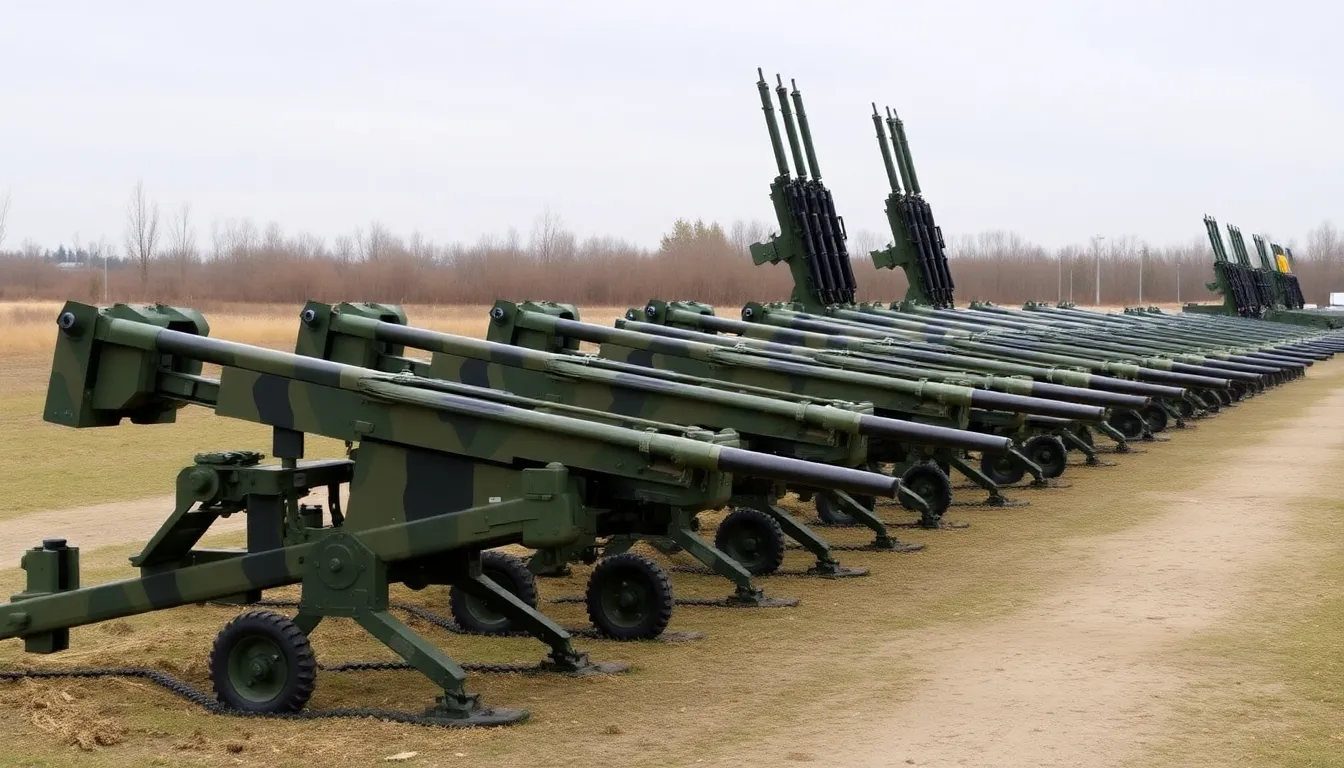
In the short term, local governments may need to allocate additional resources for security and emergency response, diverting funds from other essential services. Mid-term impacts could include shifts in policy as the Romanian government reassesses its defense strategies and international partnerships. This may result in increased military spending or changes in diplomatic relations within the region.
- Heightened security risks for local communities.
- Decline in tourism affecting local businesses.
- Disruptions in agriculture and supply chains.
- Increased military spending and policy shifts.
Despite these challenges, there are potential opportunities for local economies. Increased defense spending can lead to job creation in the military and security sectors, providing new employment opportunities for residents. Additionally, collaboration with NATO allies may foster investments in infrastructure and technology, contributing to long-term economic growth and stability in the region.
A: Various types of military-grade weapons, including firearms and explosives, are reported to be entering Romania from conflict zones. This influx raises significant security concerns for both local authorities and NATO. A: NATO is closely monitoring the situation and has increased its presence in Eastern Europe to deter potential threats. Collaborative efforts with Romania aim to enhance border security and military readiness. A: Romanian citizens face heightened risks of violence and crime associated with the proliferation of weapons. Community safety initiatives are being prioritized to address these concerns. A: Yes, international laws such as the Arms Trade Treaty regulate the transfer of conventional weapons. However, enforcement and compliance can be challenging in conflict-affected regions. A: Local authorities are responsible for implementing security measures and collaborating with national and international agencies to manage the risks posed by the influx of weapons.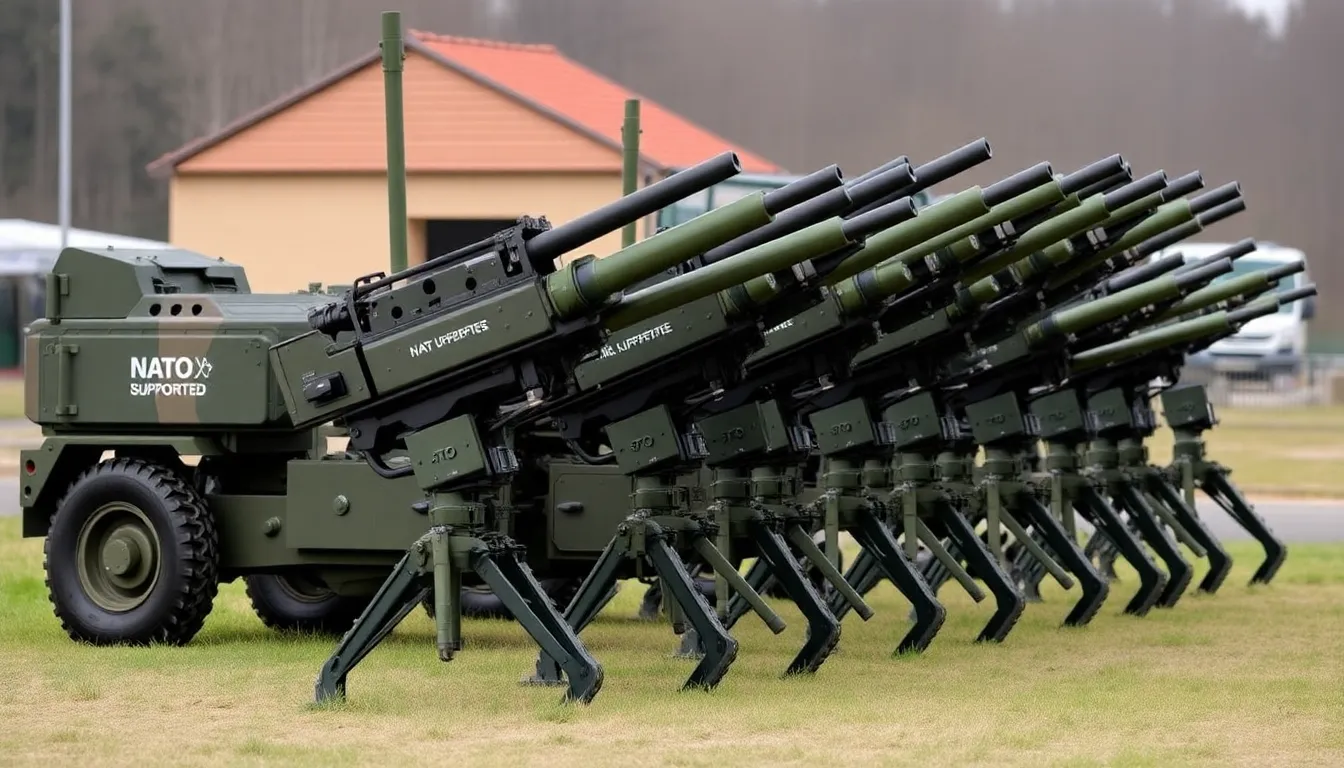
Frequently Asked Questions About Weapons in Romania
Key Insights and Future Outlook on Romania’s Security Landscape
As Romania navigates the complexities of its security environment, the ongoing conflict in neighboring regions presents both challenges and opportunities. The influx of weapons and military tensions require a robust response not only from Romania but also from NATO allies. Understanding the dynamics at play will be crucial for ensuring stability and security in the region.
Moving forward, it will be essential for Romania to enhance its defense capabilities while fostering cooperation with NATO partners. Monitoring the evolving geopolitical landscape will help anticipate potential threats and adapt strategies accordingly. The implications of these developments extend beyond Romania, influencing broader security policies within NATO and the European Union.
- Increased military collaboration with NATO allies is likely, emphasizing joint exercises and resource sharing.
- Romania may strengthen its border security measures to mitigate the risks associated with the spillover of conflict.
- Watch for potential shifts in public sentiment regarding defense spending and military presence in response to regional threats.
- Expect heightened diplomatic efforts to engage neighboring countries in dialogue to address security concerns collectively.
- The situation could prompt Romania to reassess its strategic partnerships and defense policies to ensure long-term resilience.