


However, this financial success comes against the backdrop of significant legal challenges. Live Nation faces a $450 million financial impact due to a settlement with the U.S. Department of Justice, which relates to ongoing litigation concerning antitrust issues.
The Department of Justice’s involvement highlights concerns over market competition and consumer rights, with implications for how Live Nation operates in the future. As the largest concert promoter and ticket seller in the United States, the outcomes of these legal proceedings could reshape industry standards and practices.
Despite the legal hurdles, Live Nation’s ability to maintain growth signals a robust demand for live entertainment. The company continues to expand its offerings and innovate within the market, aiming to mitigate the financial repercussions of the ongoing litigation while capitalizing on the recovering live events landscape.
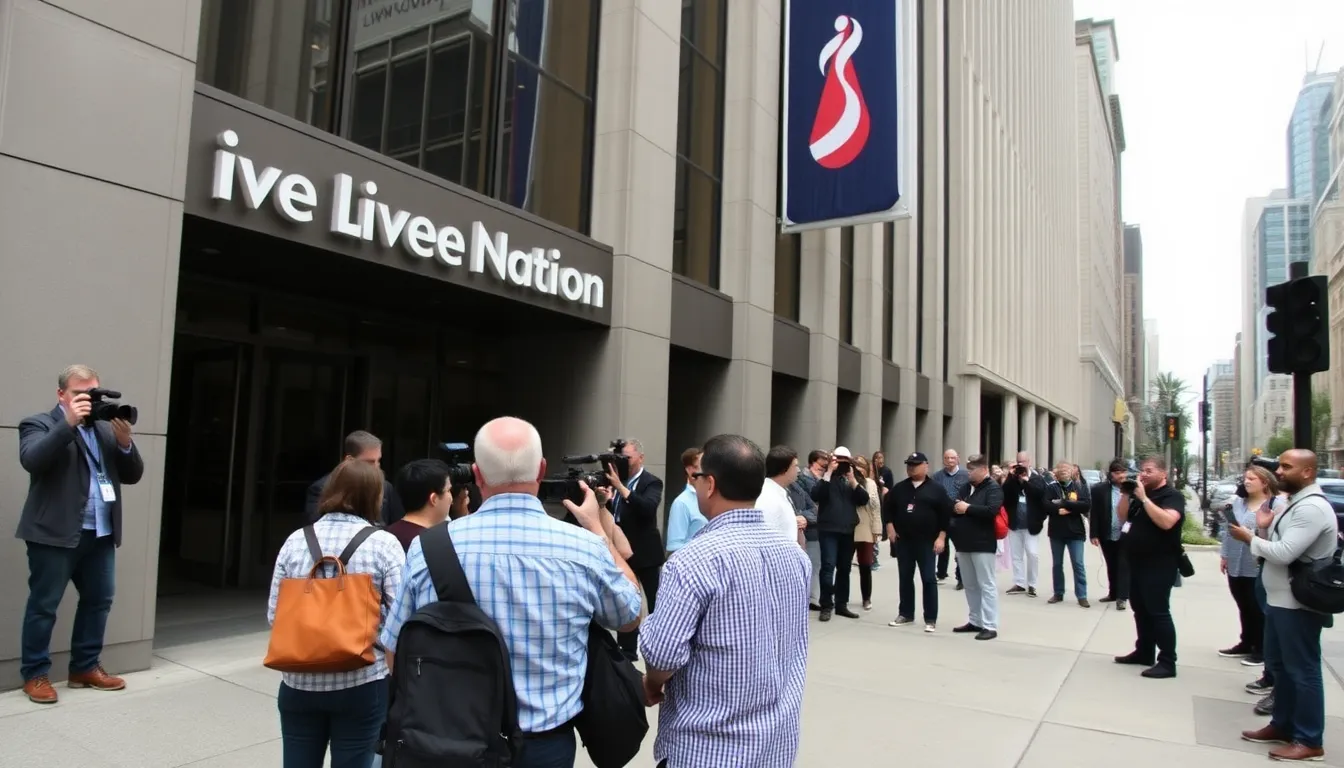
Understanding the Department of Justice settlement and its implications
The recent settlement between Live Nation and the Department of Justice (DOJ) marks a significant moment in the ongoing scrutiny of monopolistic practices within the entertainment industry. This settlement, which resulted in a staggering $450 million hit to the company, stems from allegations that Live Nation engaged in anti-competitive behavior, particularly in its ticketing operations. The DOJ’s actions are part of a broader initiative to ensure fair competition in the marketplace, particularly as live entertainment has seen a resurgence following the pandemic.
Historically, Live Nation has been a dominant player in the concert and event promotion industry, especially after its merger with Ticketmaster in 2010. This merger raised concerns about the potential for monopolistic practices, as it combined two major companies that controlled a significant portion of ticket sales and event promotion.
The DOJ’s investigation into Live Nation was not an isolated incident but part of a larger trend of increased regulatory scrutiny of major corporations in the United States. The Biden administration has emphasized a commitment to enforcing antitrust laws more rigorously, aiming to curb the power of large corporations across various sectors. This heightened focus on antitrust issues has led to several high-profile investigations and lawsuits against companies perceived to be stifling competition.
Key Milestones in Live Nation’s Journey
Several key milestones have shaped Live Nation’s trajectory in the entertainment landscape. The company’s initial public offering in 2005 set the stage for its rapid expansion, while the 2010 merger with Ticketmaster was a pivotal moment that sparked ongoing debates about market control. Additionally, the COVID-19 pandemic forced the live events industry to adapt quickly, leading to increased scrutiny of ticketing practices and pricing structures as events began to resume. The recent settlement reflects not only the consequences of these past actions but also the evolving regulatory environment that seeks to protect consumers and promote fair competition.
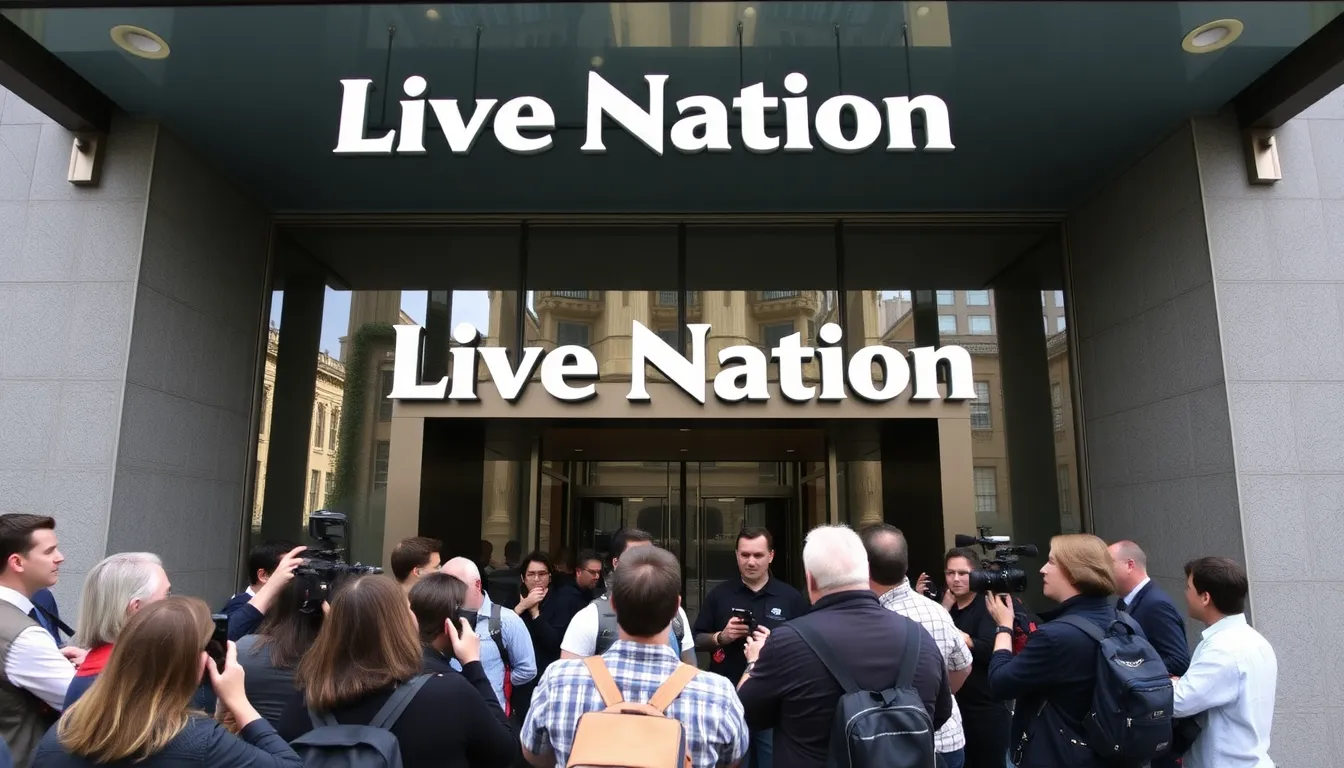
Key stakeholders and the impact of ongoing litigation on Live Nation
Live Nation Entertainment, a major player in the live entertainment industry, is currently navigating a complex landscape shaped by ongoing litigation and regulatory scrutiny. The company has reported overall growth in the first quarter, yet it faces significant financial repercussions from a $450 million settlement with the Department of Justice (DOJ). This situation highlights the interplay between corporate interests, legal obligations, and market dynamics.
Key stakeholders in this scenario include Live Nation itself, the DOJ, consumers, artists, and various industry competitors. Each of these actors has distinct interests that can lead to conflicts and trade-offs:
- Live Nation: Aims to maintain market leadership and profitability while managing the financial impact of legal settlements.
- Department of Justice: Seeks to enforce antitrust laws and ensure fair competition in the live entertainment sector.
- Consumers: Desire affordable and diverse entertainment options while being protected from monopolistic practices.
- Artists and Performers: Benefit from fair compensation and opportunities to reach audiences without restrictive practices.
- Competitors: Monitor Live Nation’s legal challenges, as these may create opportunities for market share growth.
The financial hit from the DOJ settlement represents a significant burden for Live Nation, potentially affecting its investment capabilities and market strategies. However, the company’s reported growth indicates resilience and an ability to adapt to challenges. This duality reflects broader economic realities where legal compliance and competitive advantage must be balanced.
Moreover, the ongoing litigation may prompt changes in industry practices and regulations, impacting how live events are organized and marketed. Stakeholders will need to remain vigilant as the outcomes of these legal battles could redefine competitive dynamics and consumer experiences in the live entertainment market.
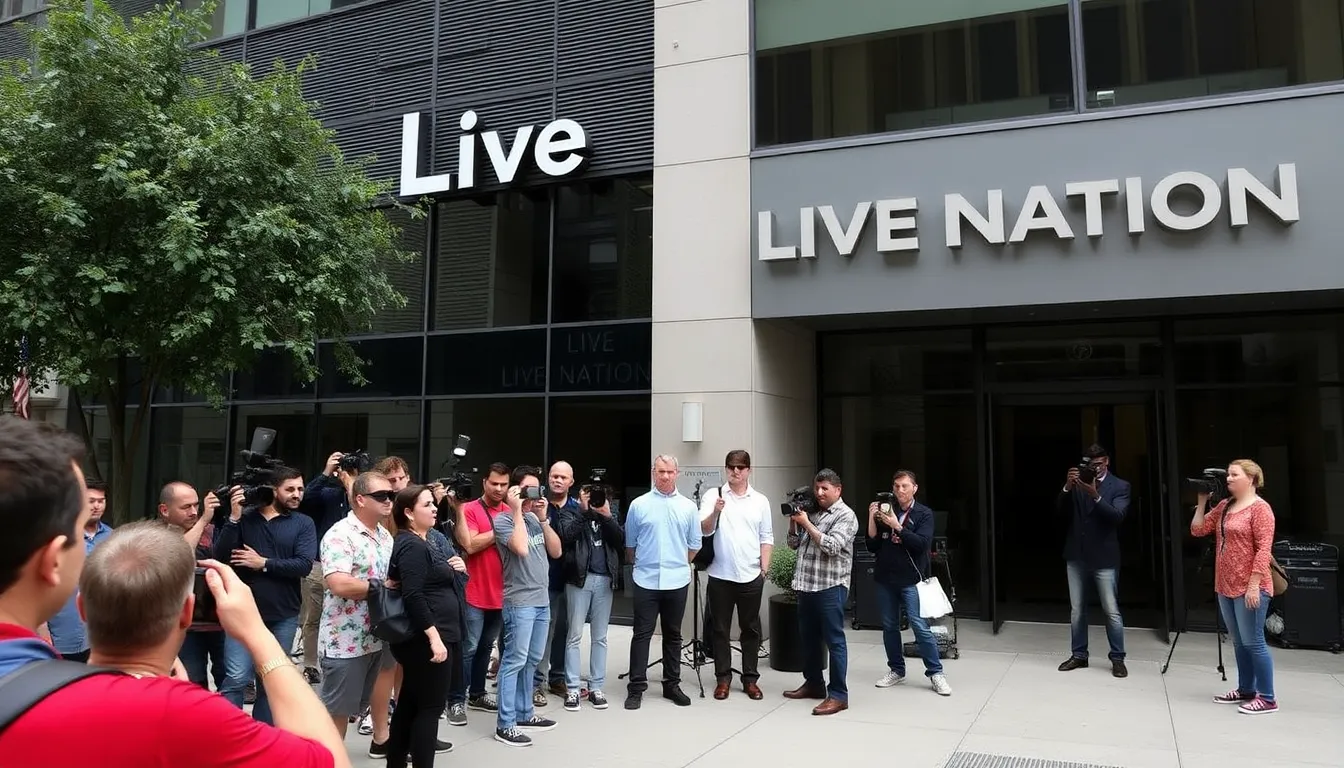
How the settlement affects Live Nation’s operations and the broader market
The recent $450 million settlement with the Department of Justice has significant implications for various stakeholders in the entertainment and live events industry. Primarily, Live Nation, as a major player in the concert and event promotion sector, is directly impacted. However, the repercussions extend to artists, venue operators, and fans, creating a ripple effect across the market.
In the short term, Live Nation’s financial hit may lead to increased ticket prices as the company seeks to recover lost revenue. This could affect consumer spending habits, particularly among fans who may prioritize their entertainment budgets. Additionally, smaller venues and independent promoters could face challenges as they compete with Live Nation’s pricing strategies, potentially leading to a consolidation in the market.
Mid-term impacts may include shifts in policy and regulations surrounding ticketing practices and market competition. The settlement may prompt lawmakers to scrutinize the live entertainment sector more closely, resulting in new regulations aimed at promoting fair competition. While this could pose risks for larger companies like Live Nation, it may also create opportunities for smaller entities to thrive in a more balanced environment.
- Increased ticket prices: Fans may face higher costs for attending events.
- Market consolidation: Smaller promoters and venues could struggle to compete.
- Regulatory changes: Potential new laws could alter the competitive landscape.
- Opportunities for smaller companies: A more equitable market may benefit independent promoters.
Overall, while Live Nation’s settlement poses immediate financial challenges, it also opens avenues for potential growth and change within the industry, impacting a diverse range of stakeholders from fans to policymakers.
Frequently Asked Questions about Live Nation’s financial situation
A: The settlement was a result of legal actions taken by the Department of Justice related to antitrust concerns and other regulatory issues involving Live Nation.
A: Live Nation’s growth can be attributed to strong ticket sales and a rebound in live events following pandemic restrictions, showcasing resilience in their business model.
A: The litigation could lead to increased scrutiny and regulatory challenges for Live Nation, potentially affecting their operational strategies and market position.
A: Consumers may see changes in ticket pricing and availability as Live Nation navigates its financial and legal challenges, which could affect overall market dynamics.
Looking ahead: Live Nation’s future prospects and strategies
Live Nation’s ability to post overall growth in the first quarter, despite facing a substantial $450 million setback from the Department of Justice settlement and ongoing litigation, highlights the company’s resilience and strategic positioning in the live entertainment industry. This growth suggests that Live Nation is effectively navigating challenges while capitalizing on the recovering demand for live events.
As the company moves forward, monitoring its response to regulatory pressures and its continued investment in technology and customer experience will be crucial. The evolving landscape of live entertainment, coupled with changing consumer preferences, presents both opportunities and challenges that Live Nation must strategically address to maintain its competitive edge.
- Watch for Live Nation’s strategic investments in technology to enhance the customer experience and streamline operations.
- Monitor the company’s ability to manage legal challenges while sustaining growth in ticket sales and event attendance.
- Consider the potential impact of changing consumer behavior on Live Nation’s future revenue streams.
- Keep an eye on partnerships and collaborations that may emerge as the company seeks to expand its market reach.
- Evaluate how Live Nation adapts its business model in response to regulatory changes and industry dynamics.