


Meanwhile, SpaceX is actively developing its Starship spacecraft, which is designed for deep space travel, including missions to Mars. The company has conducted several test flights, with plans for an uncrewed mission to Mars as early as 2024. These advancements highlight the growing interest and investment in interplanetary exploration.
In addition to governmental efforts, there is a rising call for public engagement in the decision-making processes surrounding these missions. Experts, including ethicists and scientists, emphasize the importance of involving diverse voices to address potential ethical and environmental issues associated with transforming other celestial bodies.
Recent discussions at international space conferences have focused on the implications of human activities on the Moon and Mars, including resource extraction and habitat construction. As plans become more concrete, stakeholders are advocating for frameworks that prioritize sustainability and planetary protection to ensure these endeavors benefit humanity as a whole, including considerations surrounding economic factors.
Understanding the historical context of space exploration
Space exploration has long been a symbol of human ingenuity and ambition, tracing its roots back to the early 20th century. The launch of the Soviet satellite Sputnik in 1957 marked a pivotal moment in the Space Race, igniting global interest in the potential of space travel. This event not only demonstrated the technological capabilities of nations but also set the stage for future exploration missions aimed at understanding our solar system and beyond.
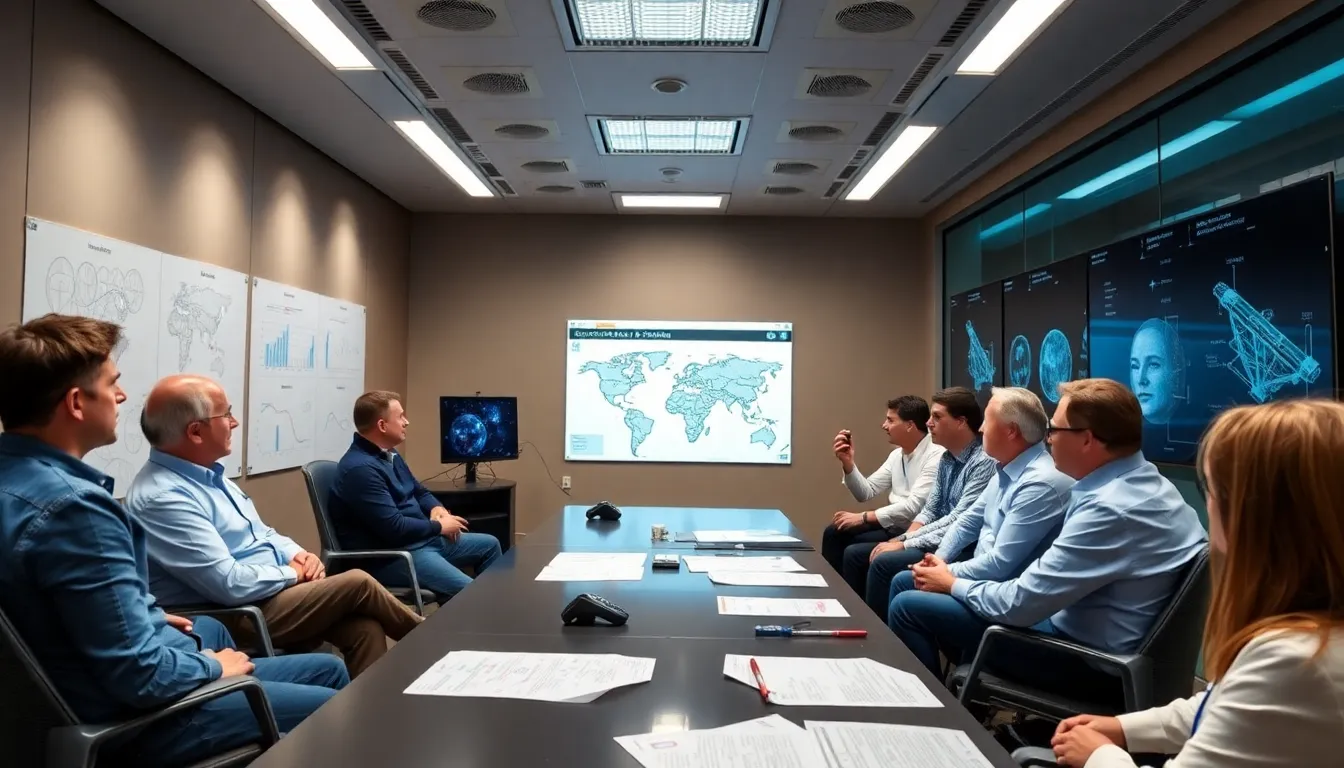
The political landscape surrounding space exploration has often been shaped by competition and collaboration. During the Cold War, the United States and the Soviet Union invested heavily in their space programs, leading to significant milestones such as the Apollo moon landings in the late 1960s. These achievements were not only scientific triumphs but also served as powerful political statements, showcasing technological superiority and national pride.
As the decades progressed, the focus of space exploration began to shift from mere competition to international cooperation. The establishment of the International Space Station (ISS) in the late 1990s exemplified this shift, bringing together multiple countries to work towards common goals in scientific research and exploration. This collaborative spirit has paved the way for discussions about the future of human presence on celestial bodies like the Moon and Mars.
The Economic Implications of Space Exploration
The economic dimensions of space exploration have also evolved significantly. In recent years, private companies have entered the scene, revolutionizing the industry with innovations and cost-effective solutions. This commercialization of space has opened up new avenues for investment and development, prompting discussions about the future of lunar and Martian resources. The potential for mining asteroids or utilizing resources from the Moon and Mars raises questions about ownership, governance, and the ethical implications of exploiting extraterrestrial environments.
As we stand on the brink of a new era in space exploration, it is crucial to consider the social implications of these advancements. The call for public engagement, as highlighted by Ben Bramble, emphasizes the need for diverse voices in shaping the future of our endeavors beyond Earth. As humanity prepares to transform the Moon and Mars, understanding the historical, political, economic, and social context will be essential in navigating the complexities of this new frontier.
Key stakeholders and their interests in space transformation
The transformation of the Moon and Mars represents a significant leap in human exploration and potential habitation of other celestial bodies. Various stakeholders are involved, each with distinct interests that can shape the future of these ambitious projects.

Governments around the world, particularly those with established space agencies like NASA (United States), ESA (European Space Agency), CNSA (China National Space Administration), and Roscosmos (Russia), are key stakeholders. Their interests often revolve around national prestige, scientific advancement, and technological leadership. Additionally, they may prioritize economic benefits derived from space exploration, such as resource extraction and new markets.
Private companies, including SpaceX, Blue Origin, and others, are also crucial players in this arena. Their interests are largely commercial, focusing on contracts for transportation, infrastructure development, and potential mining operations. The involvement of these companies can accelerate innovation but may also lead to competition over resources and regulatory challenges.
The public plays a vital role in shaping the discourse around space transformation. Public opinion can influence government policies and funding decisions. Engaging citizens in discussions about ethical considerations, environmental impacts, and the allocation of resources is essential. Key issues include:
- Environmental concerns: The potential impact of human activity on the Moon and Mars ecosystems.
- Resource allocation: How to distribute benefits from space resources fairly among nations and private entities.
- Legal frameworks: The need for international agreements to govern activities in space.
- Public engagement: Ensuring that the voices of diverse populations are heard in the planning stages.
Finally, international organizations such as the United Nations Office for Outer Space Affairs (UNOOSA) are involved in promoting the peaceful use of outer space and fostering cooperation among nations. Their role is critical in addressing conflicts and ensuring that space activities benefit all of humanity, rather than being dominated by a few powerful entities.
Potential impacts on society and the economy
The ambitious plans to transform the Moon and Mars will have far-reaching effects on various groups, industries, and regions. Key stakeholders include governments, private space exploration companies, scientists, environmentalists, and the general public. Each of these groups will experience different levels of impact as humanity ventures further into space.
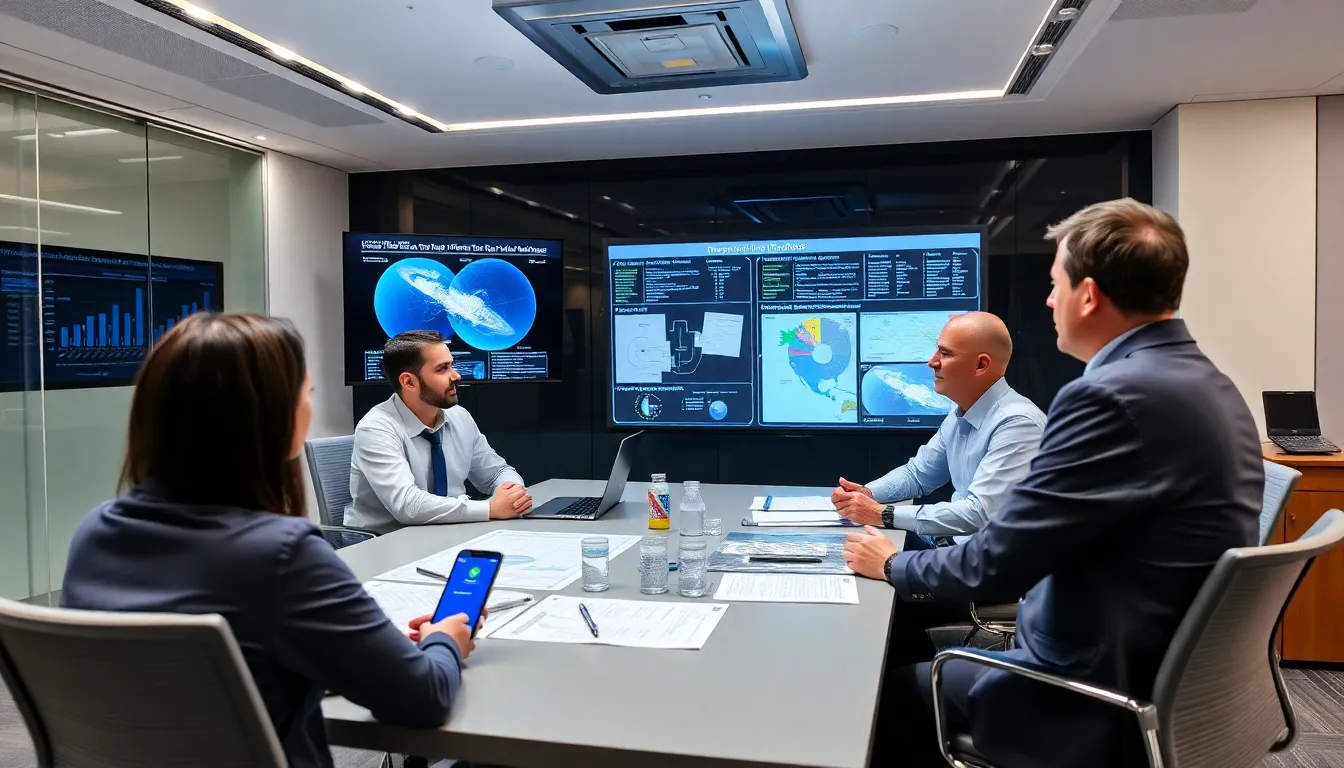
In the short term, we can expect significant changes in the aerospace industry as companies ramp up their efforts in space technology development. This could lead to increased job creation in sectors related to engineering, manufacturing, and research. Additionally, educational institutions may see a surge in interest in STEM fields as young people aspire to be part of the space exploration workforce.
Mid-term impacts will likely extend to policy-making, as governments will need to establish regulations and frameworks for space exploration and colonization. This includes addressing issues such as space debris, resource management, and the ethical implications of altering extraterrestrial environments. The public will play a crucial role in shaping these policies, emphasizing the need for inclusive dialogue.
- Risks: Potential environmental degradation on celestial bodies, geopolitical tensions over space resources, and the challenge of ensuring equitable access to space opportunities.
- Opportunities: Development of new technologies, international cooperation in space exploration, and the possibility of scientific breakthroughs that could benefit life on Earth.
Regions with existing spaceports or research facilities, such as those in the United States, Europe, and parts of Asia, will likely see a boost in economic activity. Conversely, areas without such infrastructure may face challenges in keeping pace with the evolving space economy. Overall, the transformation of the Moon and Mars presents both risks and opportunities that will shape the future of society and the economy in profound ways.
A: Public input is crucial as it ensures that the values and concerns of society are considered in decision-making processes. Engaging the public can lead to more democratic and inclusive outcomes. A: The main goals include establishing sustainable human presence, conducting scientific research, and potentially utilizing resources for future missions. These transformations could pave the way for long-term space habitation. A: Transformations will likely necessitate updates to existing space policies to address new challenges and opportunities. This could include regulations on resource utilization and environmental protections. A: Private companies are increasingly involved in space exploration, providing innovative technologies and funding. Their participation can accelerate progress and introduce competition in the sector. A: Individuals can contribute by participating in public forums, engaging with advocacy groups, and staying informed about space policies. Their voices can influence decision-makers.
Frequently asked questions about lunar and Martian transformation
Looking ahead: the future of space transformation
The ambitious plans to transform the Moon and Mars into habitable environments raise significant questions about governance, ethics, and public involvement. As we stand on the brink of this new era in space exploration, it is crucial for stakeholders to engage with the public to shape policies that reflect collective values and priorities. The dialogue surrounding these transformations will not only influence technological advancements but also define humanity’s relationship with other celestial bodies.
As we contemplate the implications of terraforming and colonization, it is essential to consider the diverse perspectives of the global community. The future of space exploration is not just a scientific endeavor; it is a shared journey that requires input from various sectors of society, including environmentalists, ethicists, and everyday citizens. This collaborative approach will help ensure that the exploration and transformation of the Moon and Mars are conducted responsibly and sustainably.
- Public Engagement: Active participation from the public will be necessary to guide ethical decision-making in space transformation initiatives.
- Environmental Considerations: Strategies must be developed to minimize ecological impacts on both the Moon and Mars during the transformation process.
- International Collaboration: Global cooperation will be vital to address the complexities of space governance and resource management.
- Technological Innovations: Continuous advancements in technology will play a critical role in making sustainable living conditions possible on other planets.
- Cultural Impact: The transformation of extraterrestrial environments may alter human culture and identity, necessitating discussions about our place in the universe.