


Allgaier, who drives for JR Motorsports, emphasized that Pohlman’s leadership and strategic acumen have been instrumental in their recent successes. He noted that despite the challenges posed by Busch’s exit, Pohlman’s experience and insights remain invaluable. This sentiment was echoed during a press conference on October 5, where Allgaier articulated his belief that strong leadership is essential for navigating transitions in the racing world. For more on leadership changes in sports, check out this article.
The situation is particularly significant as it comes during a critical phase of the NASCAR season, with teams preparing for the playoffs. With Busch’s departure, Allgaier’s endorsement of Pohlman may serve to bolster team morale and maintain focus on their competitive goals. As the racing community watches closely, Allgaier’s stance may influence how other drivers and teams approach similar challenges in the future.
As the 2023 season progresses, the relationship between Allgaier and Pohlman will be under scrutiny, especially in light of the changes within the team. Their ability to adapt and thrive following Busch’s exit will not only impact their performance but also shape the narrative surrounding JR Motorsports. Allgaier’s confidence in Pohlman may ultimately prove to be a pivotal factor in the team’s quest for success in the remaining races of the season.
Understanding the dynamics of the recent split between Kyle Busch and Jim Pohlman
The recent split between NASCAR driver Kyle Busch and crew chief Jim Pohlman has sent ripples through the racing community, prompting discussions about the underlying factors that led to this decision. This split is not merely a personal disagreement; it reflects broader trends in the sport where performance pressures, team dynamics, and evolving strategies play critical roles. Busch, a two-time Cup Series champion, has always been known for his competitive nature, and the expectations surrounding his performance are immense, making any perceived shortcomings in leadership particularly consequential.
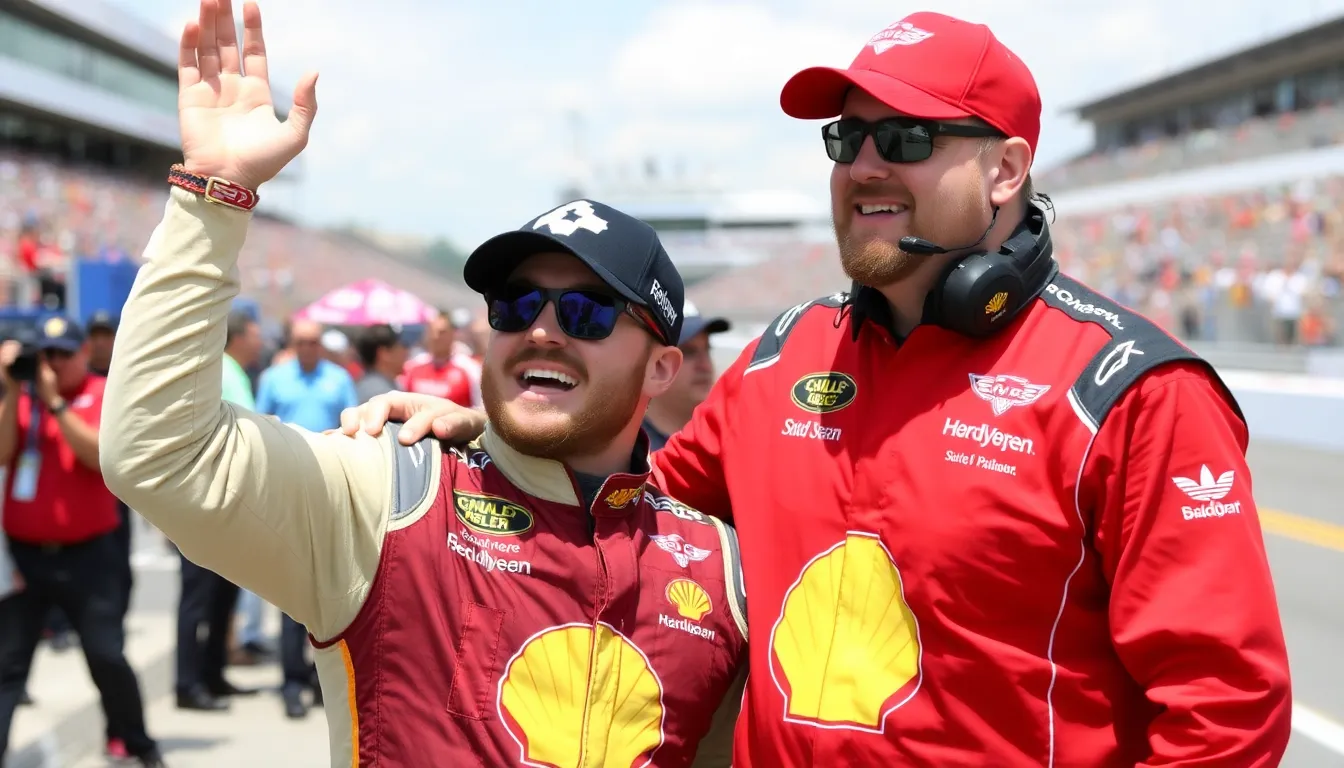
Historically, crew chief-driver relationships have been pivotal in determining a team’s success. In the fast-paced world of NASCAR, where every fraction of a second counts, the synergy between a driver and their crew chief can dictate race outcomes. Pohlman, who joined Busch’s team in 2022, brought a wealth of experience but faced the daunting task of managing a driver with high expectations and a fierce competitive spirit. The pressures of maintaining a winning streak, coupled with the scrutiny of sponsors and fans, often create an environment where even slight misalignments can lead to significant fallout.
Economically, the implications of this split are noteworthy. Teams invest heavily in their drivers and crew chiefs, and a change can result in financial repercussions, including shifts in sponsorships and team morale. Busch’s departure from Pohlman could signal a shift in strategy for the team as they seek to realign their goals and performance metrics. The economics of NASCAR are complex, and teams must balance their competitive ambitions with the financial realities of the sport, making every personnel decision critical.
The Impact of Performance Pressure
Performance pressure in NASCAR is not a new phenomenon; it has been a defining characteristic of the sport for decades. Drivers like Busch, who have achieved significant success, often face heightened scrutiny when results do not meet expectations. This pressure can strain relationships within the team, leading to difficult decisions. The split between Busch and Pohlman serves as a reminder of how quickly dynamics can shift in a competitive environment where success is measured in wins and losses. Such events echo broader trends in sports, similar to those discussed in the article about Jim Ghedi.
Examining the implications of the split on Allgaier and Pohlman’s partnership
The recent split between Kyle Busch and Jim Pohlman has sent ripples through the NASCAR community, prompting various stakeholders to reassess their positions. Justin Allgaier, a key driver in the NASCAR Xfinity Series, has publicly expressed his continued faith in Pohlman’s capabilities as a crew chief. This situation highlights the intricate web of relationships and interests that define the racing world.
At the core of this analysis are the primary actors: Justin Allgaier, Jim Pohlman, Kyle Busch, and their respective teams and sponsors. Allgaier’s trust in Pohlman stems from their history and shared goals, while Busch’s departure raises questions about the stability and future direction of Pohlman’s career. Each of these individuals and organizations has distinct interests that must be navigated carefully.
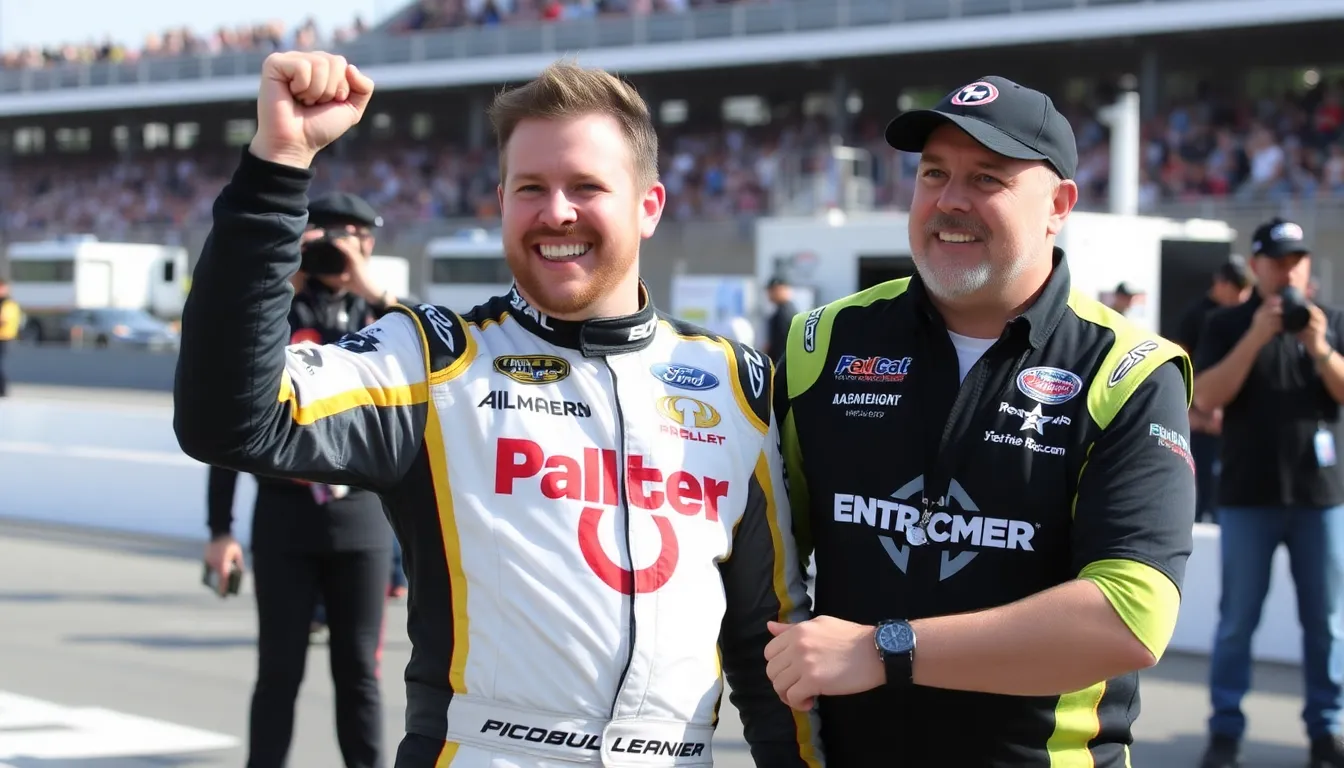
One key issue at play is the potential impact of Busch’s exit on Pohlman’s reputation and job security. If Pohlman is unable to maintain the performance levels expected by sponsors and team owners, it could jeopardize his future opportunities in the sport. Conversely, Allgaier’s endorsement of Pohlman may enhance his standing, providing a counter-narrative to any criticism stemming from the split.
- Trust and loyalty: Allgaier’s support for Pohlman emphasizes the importance of trust in team dynamics.
- Performance pressure: The expectation for Pohlman to deliver results without Busch could lead to increased scrutiny.
- Sponsor interests: Sponsors may reevaluate their commitments based on team performance and leadership changes.
- Future opportunities: Pohlman’s ability to secure new roles may hinge on his immediate performance and Allgaier’s backing.
In summary, the aftermath of the split between Busch and Pohlman is multifaceted, with various stakeholders weighing their options and interests. The dynamics between Allgaier and Pohlman will be crucial in determining how this situation evolves, as they navigate the challenges and opportunities that lie ahead in the competitive landscape of NASCAR.
Potential effects on the racing team and its future performance
The recent split between Kyle Busch and Jim Pohlman has raised questions about the future of the racing team. Justin Allgaier’s unwavering support for Pohlman indicates a belief in continuity and stability within the organization. This situation affects various stakeholders, including team members, sponsors, and fans, as they navigate the implications of this leadership change. The dynamics in motorsports often mirror situations seen in Formula 1, like in the story of Alex Marquez’s recent victory.
In the short term, the team’s dynamics may experience turbulence as they adjust to the new reality. Team morale could be impacted as drivers and crew members reassess their roles and responsibilities. Additionally, sponsors might reconsider their commitments, leading to potential financial instability if they perceive a lack of direction or performance.
However, there are opportunities for growth and innovation. If Pohlman can leverage his experience and Allgaier’s support to foster a resilient team culture, this could lead to improved performance on the track. The racing industry thrives on narratives of perseverance, and a successful rebound could enhance the team’s brand and attract new partnerships.
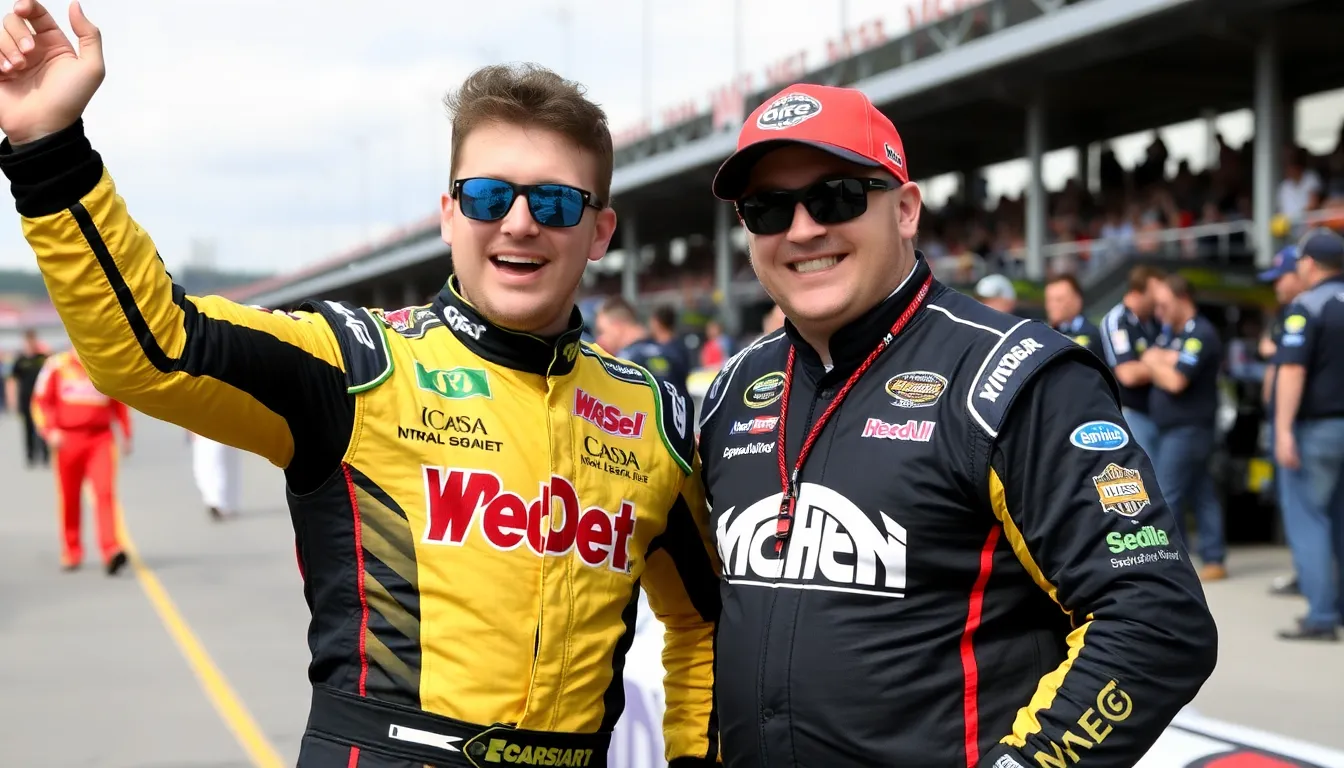
- Short-term risks: Team morale may decline, leading to decreased performance.
- Potential opportunities: Improved team cohesion and innovation in strategies.
- Mid-term impacts: Possible shifts in sponsorship dynamics and fan engagement.
Regions with a strong motorsport culture, particularly those with a high concentration of racing fans, may see fluctuations in attendance and merchandise sales as the team navigates this transition. The broader automotive and sports industries could also feel the ripple effects, as changes in team performance can influence market trends and consumer interest in racing events.
A: The split was attributed to differences in team direction and performance expectations. Both parties felt it was best to part ways to pursue their individual goals. A: Justin Allgaier has voiced strong support for Jim Pohlman, highlighting their successful collaboration and trust in Pohlman’s abilities as a crew chief. A: The split may lead to adjustments in team dynamics and strategy. However, Allgaier’s confidence in Pohlman suggests a stable foundation for future success. A: While changes can be challenging, Allgaier’s belief in Pohlman may enhance their synergy, potentially improving performance in future races. A: Both are expected to seek new opportunities that align with their racing ambitions, with Busch looking for a new team and Pohlman focusing on his next role.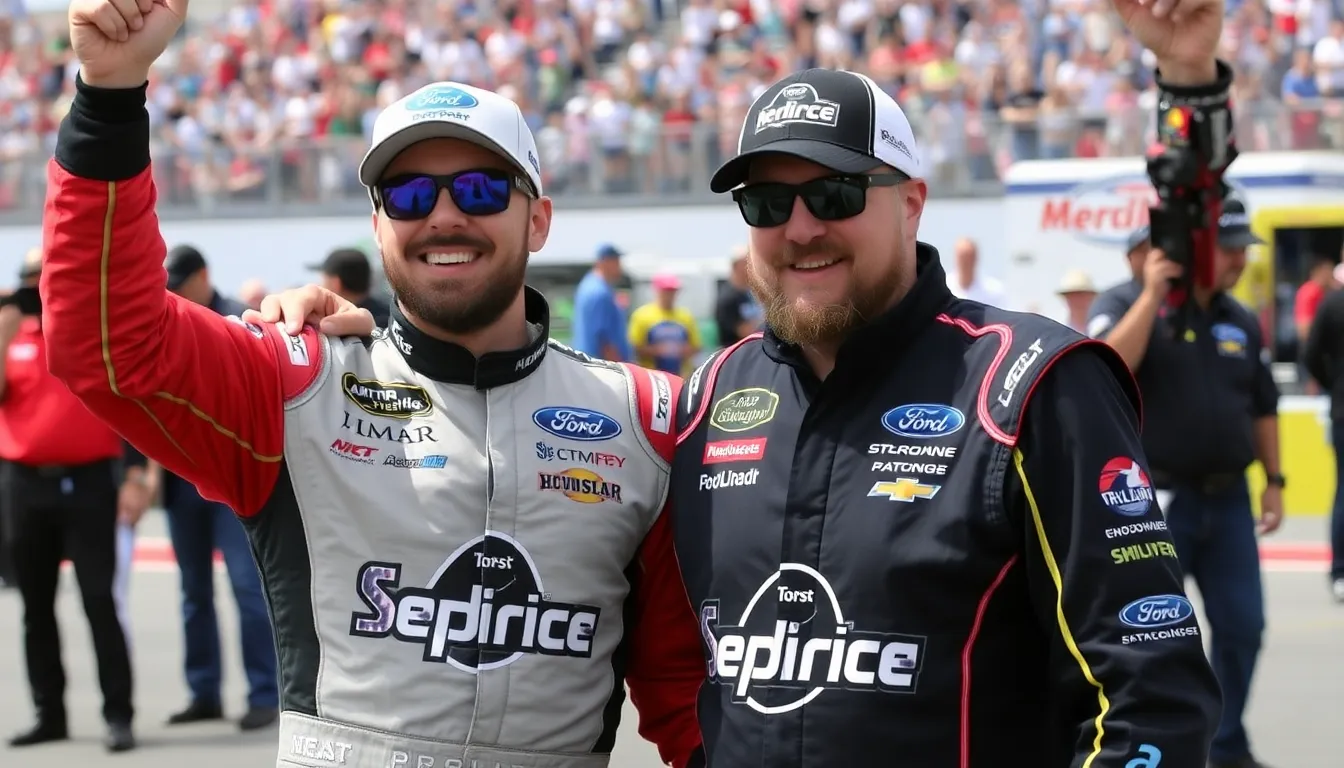
Frequently asked questions about the Allgaier and Pohlman situation
Key takeaways and future outlook for Allgaier and Pohlman
Justin Allgaier’s continued support for Jim Pohlman following the split with Kyle Busch highlights a crucial moment in their partnership. Allgaier’s belief in Pohlman’s capabilities suggests a strong foundation that could lead to future successes, despite recent challenges. As they navigate the upcoming season, their ability to adapt and leverage their strengths will be paramount in achieving their goals.
Looking ahead, several factors will influence their trajectory. The dynamics of their collaboration, the adjustments made in response to the recent split, and the overall competitive landscape will play significant roles in shaping their performance. Observers should keep an eye on how Allgaier and Pohlman capitalize on this pivotal moment.
- Allgaier’s confidence in Pohlman may lead to innovative strategies that could enhance their performance.
- The duo’s adaptability will be critical in responding to the challenges posed by the competition.
- Future races will reveal how well they can integrate lessons learned from the Busch split into their approach.
- Watch for potential shifts in team dynamics that could arise as they work through this transitional phase.
- The impact of fan and sponsor support will be significant as they seek to regain momentum in the upcoming season.