


This accolade is significant as it underscores Allen’s impact on contemporary pop music, showcasing her ability to craft hits that resonate with a wide audience. Her work includes collaborations with major artists, as seen in our article about Janet Jackson and Erykah Badu, and has garnered critical acclaim, making her a prominent figure in the songwriting community.
In addition to Allen’s recognition, Laufey received the Creative Voice Award during the same event. This honor celebrates emerging talent in the music scene, and Laufey’s unique style and innovative approach to songwriting echo the themes discussed in our piece on Banksy and his artistic contributions, further solidifying her status as a standout artist.
The ASCAP Pop Awards not only celebrate individual achievements but also highlight the collaborative nature of the music industry. As songwriters play a crucial role in shaping the sound and direction of popular music, events like these serve to acknowledge their essential contributions and inspire future generations of artists.
Background on the ASCAP Pop Awards and its significance
The ASCAP Pop Awards, organized by the American Society of Composers, Authors, and Publishers (ASCAP), have been a prestigious event in the music industry since their inception in 1989. These awards celebrate the achievements of songwriters like Allen, as detailed in our article about the evolution of media and its impact on the industry, recognizing their contributions to the pop music genre and honoring their creative talents.
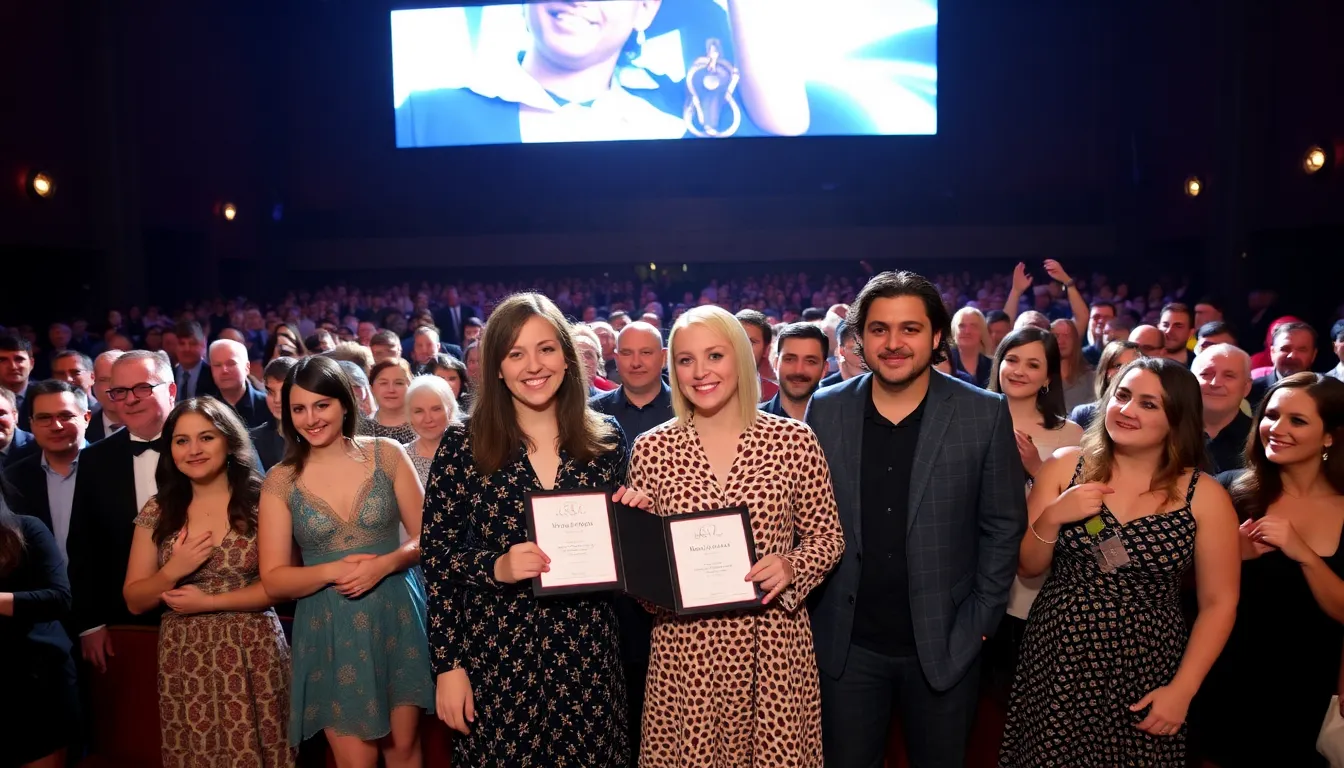
Historically, the ASCAP Pop Awards have been instrumental in elevating the profiles of songwriters, who often work behind the scenes to create the hits that dominate the charts. By shining a light on these artists, the awards help to acknowledge the critical role that songwriting plays in the success of recorded music. Over the years, many notable figures in the industry, such as Taylor Swift, Ed Sheeran, and Pharrell Williams, have received accolades, further solidifying the awards’ importance.
In recent years, the awards have also begun to reflect broader social changes within the music industry, particularly regarding diversity and inclusion. The recognition of artists like Laufey, who received the Creative Voice Award, underscores a growing commitment to honoring voices from various backgrounds and genres. This shift not only enriches the awards but also resonates with a wider audience, demonstrating the evolving nature of pop music.
Key Milestones in ASCAP’s History
ASCAP itself has a rich history, founded in 1914 to protect the rights of songwriters and composers. The organization has played a pivotal role in shaping music copyright laws and advocating for fair compensation for artists. The introduction of the Pop Awards in 1989 marked a significant milestone, as it began to formally recognize the contributions of pop songwriters, an often-overlooked segment of the music industry. The ongoing evolution of the awards reflects the changing dynamics of music consumption and the increasing importance of digital platforms in shaping musical trends.
As the music industry continues to adapt to new challenges and opportunities, the ASCAP Pop Awards remain a vital institution that not only celebrates artistic excellence but also highlights the ongoing dialogue around creativity, representation, and the future of music. The recent recognition of Amy Allen as Songwriter of the Year exemplifies the caliber of talent being honored and the significance of these awards in the broader cultural landscape.
Exploring the impact of these awards on the artists’ careers
The recent recognition of Amy Allen as Songwriter of the Year at the ASCAP Pop Awards and Laufey’s receipt of the Creative Voice Award highlights significant milestones in their respective careers. These awards not only celebrate individual talent but also reflect broader trends within the music industry, including the increasing importance of songwriting and artistic expression.

Key stakeholders in this scenario include the artists themselves, ASCAP (the American Society of Composers, Authors, and Publishers), and the music industry at large. Each actor has distinct interests: artists seek recognition and validation of their work, ASCAP aims to promote and support its members, and the industry benefits from increased visibility of talent that can drive sales and engagement.
However, the recognition of these artists also brings to light several conflicts and trade-offs. For instance, while awards can elevate an artist’s profile, they may also create pressure to maintain or surpass previous success. Additionally, the competitive nature of awards can lead to tensions among peers, as not all deserving artists receive recognition simultaneously.
- Economic implications: Awards can lead to increased sales, streaming numbers, and overall marketability.
- Legal considerations: The protection of intellectual property rights becomes crucial as artists gain more visibility.
- Industry trends: The focus on songwriting quality may influence how record labels scout and sign new talent.
- Public perception: Awards can shape the narrative around an artist’s career, impacting fan engagement and media coverage.
- Creative freedom: Recognition may empower artists to take more risks in their future projects.
In summary, the ASCAP Pop Awards serve as a platform for artists like Amy Allen and Laufey to gain recognition, but they also underscore the complexities and challenges that come with such accolades in a competitive industry. Understanding these dynamics is essential for appreciating the broader implications of these awards on the music landscape.
How these awards influence the music industry and emerging artists
The recent recognition of Amy Allen as Songwriter of the Year and Laufey as the recipient of the Creative Voice Award at the ASCAP Pop Awards has significant implications for various groups and industries within the music sector. These accolades not only celebrate individual talent but also highlight the evolving landscape of the music industry, which increasingly values diverse voices and innovative songwriting.
In the short term, the awards can boost the visibility of the winners, leading to increased demand for their work. This heightened exposure can translate into more streaming, sales, and performance opportunities, impacting their daily lives as artists. Additionally, the recognition can inspire other emerging artists, particularly those from underrepresented backgrounds, to pursue their musical ambitions, thereby fostering a more inclusive creative environment.
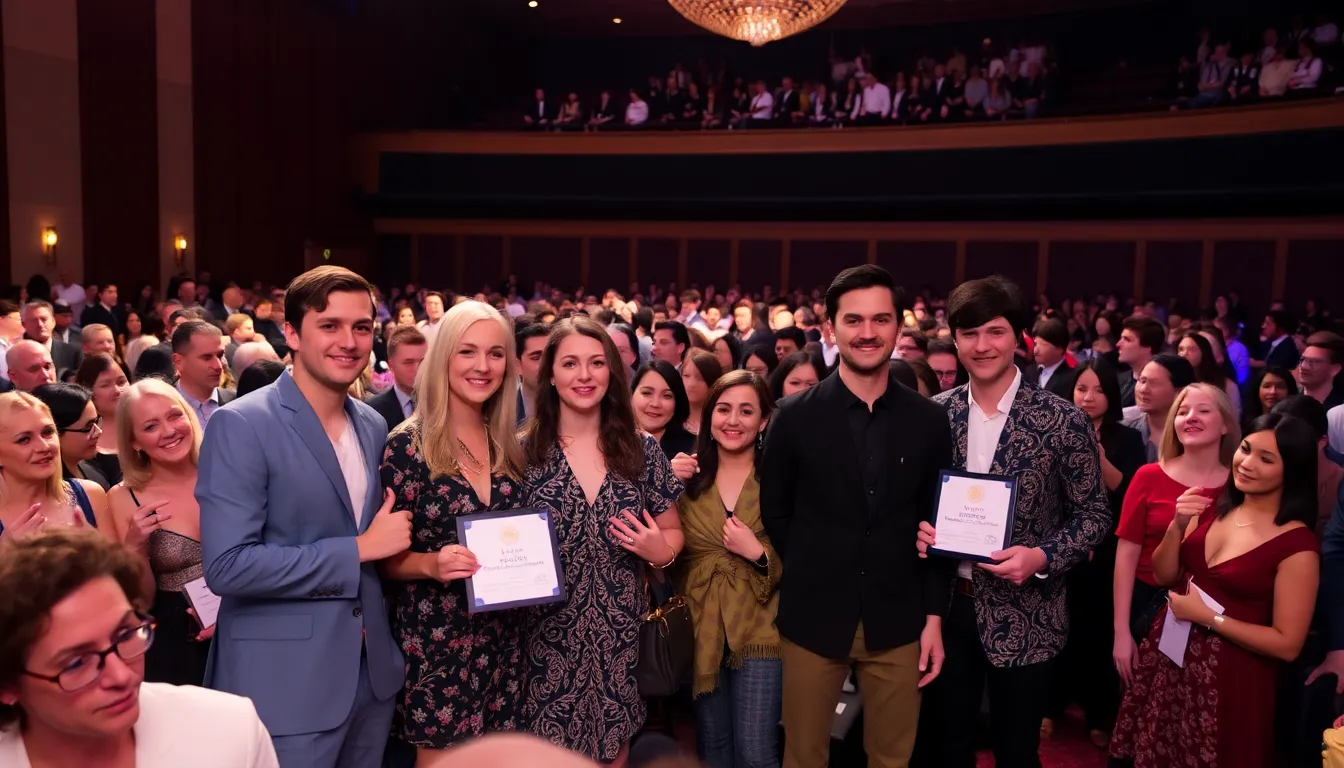
Mid-term effects may include shifts in industry practices and policies. As more artists gain recognition for their unique styles, record labels might adapt their strategies to invest in a broader range of talent. This could encourage a more diverse array of music genres and sounds, potentially reshaping popular music trends. Furthermore, the awards may prompt collaboration among artists, leading to innovative projects that blend different styles and cultures.
- Increased visibility: Award winners may see a surge in fans and followers.
- Industry adaptation: Record labels may diversify their rosters to include more unique voices.
- Inspiration for emerging artists: Recognition can motivate new talent to enter the music scene.
- Collaborative opportunities: Awards may lead to partnerships between established and emerging artists.
However, there are risks associated with this shift. As the industry evolves, established artists may feel threatened by the influx of new talent, leading to potential resistance against change. Additionally, the commercialization of unique sounds could dilute their authenticity, leading to a homogenization of music that prioritizes marketability over artistic expression. Balancing these risks with the opportunities for growth and innovation will be crucial for the future of the music industry.
A: The ASCAP Pop Awards celebrate the achievements of songwriters and publishers in the pop music genre, recognizing outstanding contributions to the industry. A: Amy Allen is a talented songwriter known for her work with various artists across different genres, making a significant impact in the music scene. A: The Creative Voice Award honors artists who have made a notable impact through their creativity and innovation in music. A: Winners are chosen based on their songwriting achievements, popularity, and contributions to the music industry, often through a voting process involving industry professionals. A: Receiving the Creative Voice Award can significantly boost Laufey’s visibility and opportunities in the industry, potentially leading to more collaborations and projects.
Frequently Asked Questions about the ASCAP Awards
Key takeaways and future implications for the artists
Amy Allen’s recognition as Songwriter of the Year at the ASCAP Pop Awards underscores the growing importance of songwriting in the music industry, highlighting the influence of skilled songwriters in shaping popular music. This accolade not only elevates Allen’s profile but also sets a benchmark for aspiring songwriters, emphasizing the value of creativity and originality in the competitive landscape of the music business.
Meanwhile, Laufey’s receipt of the Creative Voice Award reflects a broader trend towards celebrating diverse voices and innovative artistry. As the industry increasingly acknowledges the contributions of artists from various backgrounds, it opens doors for new collaborations and artistic expressions that resonate with a wider audience. The recognition of both artists signals a promising future for creativity in music, encouraging others to pursue their unique artistic visions.
- The recognition of Amy Allen may lead to increased demand for her songwriting services, potentially resulting in high-profile collaborations.
- Laufey’s Creative Voice Award could inspire other artists to explore unconventional styles and narratives in their music.
- The emphasis on songwriting excellence may prompt industry stakeholders to invest more in songwriting talent development programs.
- Both awards highlight the importance of authenticity and originality, which may influence future trends in music production and marketing.
- As the industry shifts towards inclusivity, emerging artists may find more opportunities to showcase their work on larger platforms.