


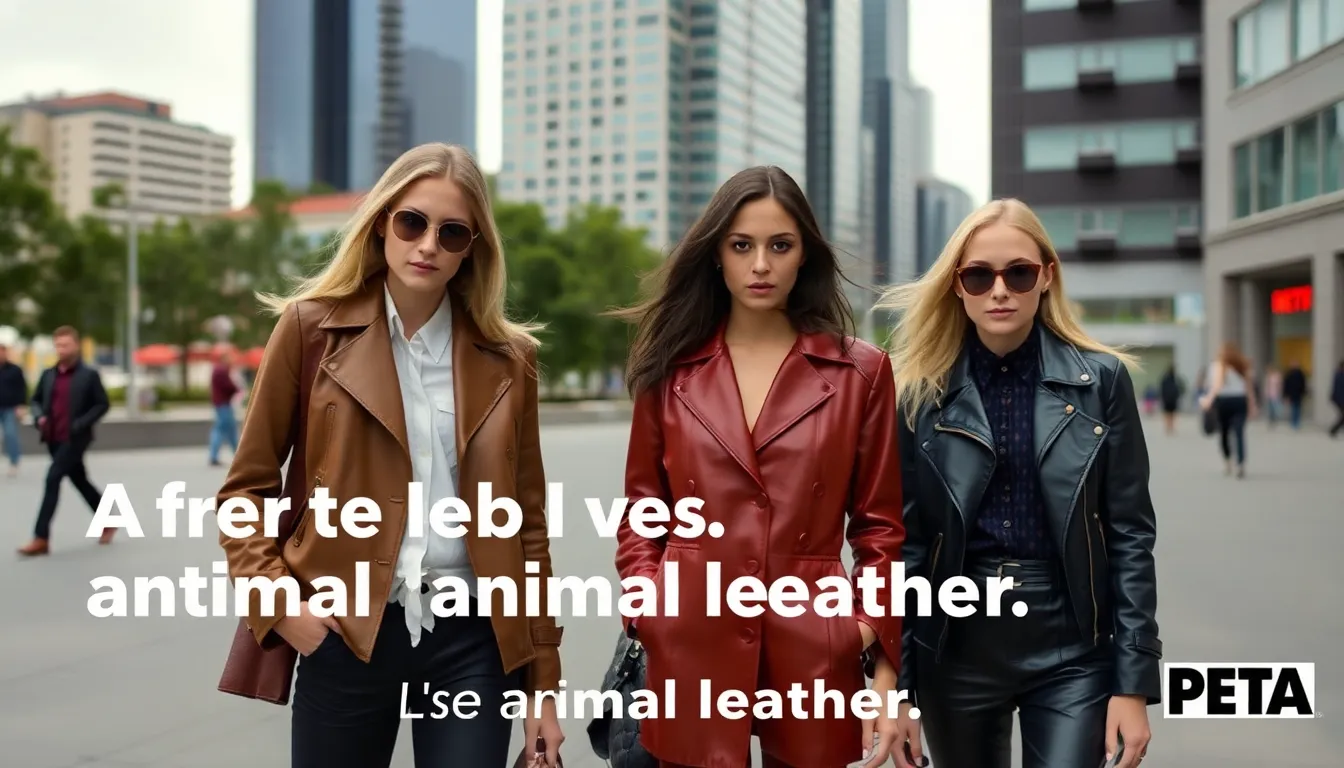
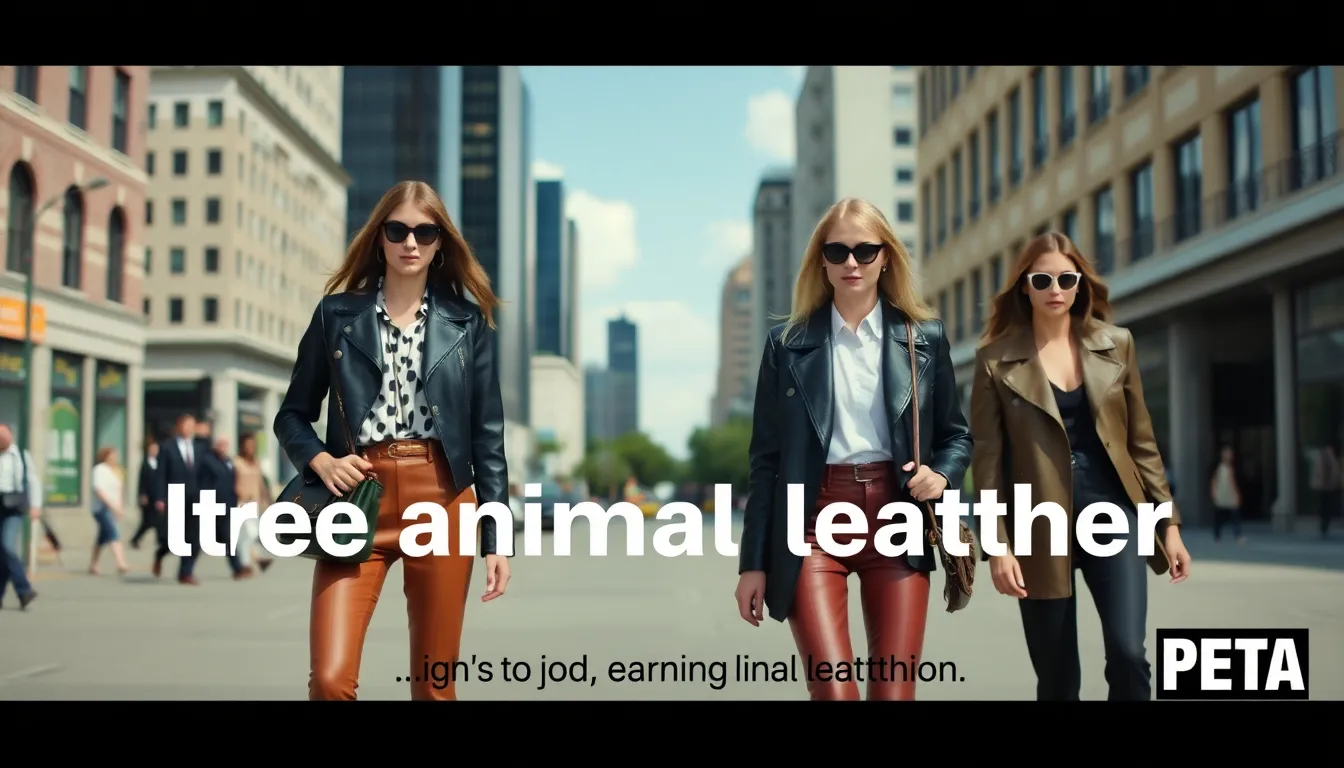
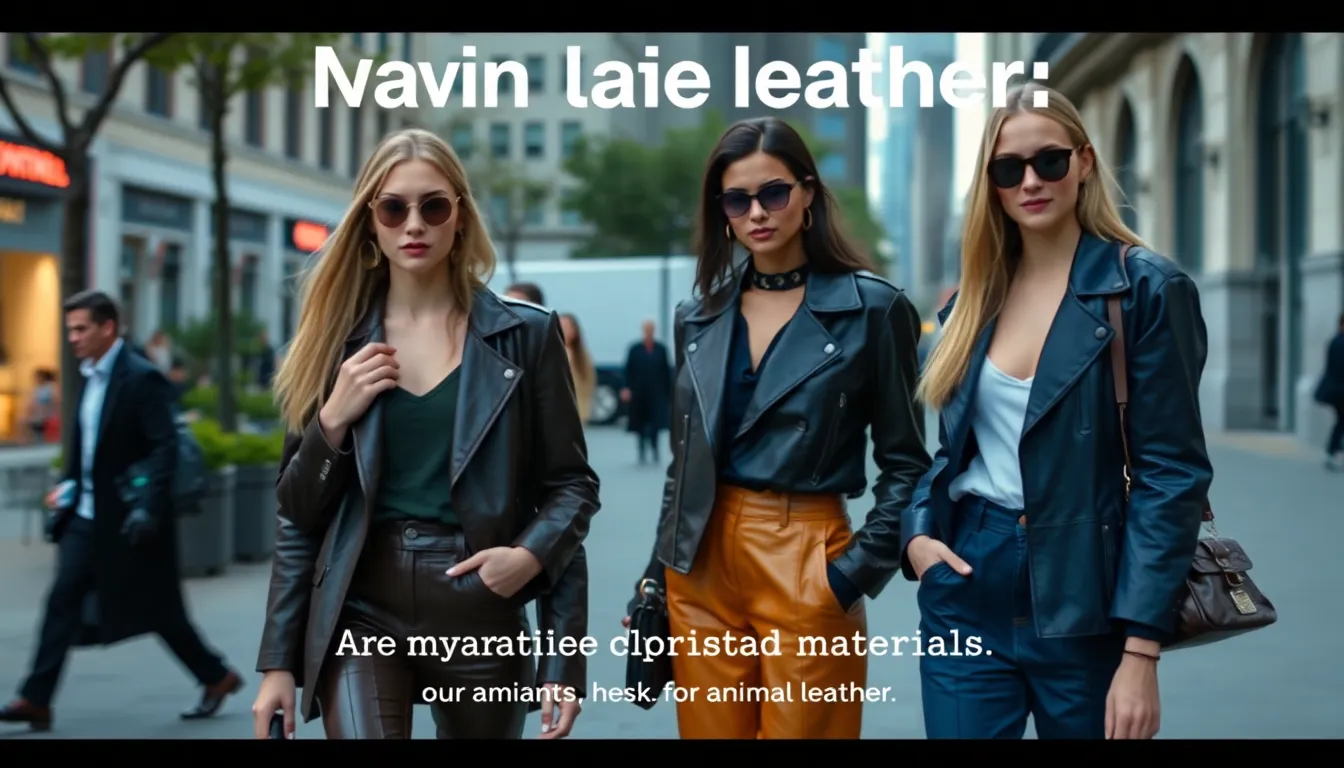
The campaign features a playful yet poignant message, showcasing the contrast between high fashion and animal welfare. By leveraging a familiar cultural reference, PETA seeks to engage a wider audience and spark discussions about the morality of using animal products in clothing, as seen in their previous efforts to challenge industry norms. This approach aligns with recent trends in the fashion industry, where sustainability and ethical sourcing are becoming increasingly important to consumers.
The timing of the ad’s release is significant, coinciding with ongoing debates about animal rights and environmental sustainability in fashion. As major brands face scrutiny over their sourcing practices, PETA’s campaign serves as a reminder of the impact of these choices on animals and the planet. The organization aims to encourage consumers to reconsider their purchasing decisions and support brands that prioritize humane practices, similar to the initiatives discussed in our piece on the rise of ethical fashion.
As the conversation surrounding animal welfare continues to evolve, PETA’s campaign reflects a growing demand for transparency and accountability in the fashion industry. The ad not only highlights the plight of animals used for their skins but also champions the rise of vegan and cruelty-free fashion alternatives. This movement is gaining traction among designers and consumers alike, signaling a potential shift in industry standards, much like the changes highlighted in our coverage of the recent fashion industry trends.
Understanding the background of animal rights activism in fashion
Animal rights activism has a long and complex history, particularly within the fashion industry, where the use of animal skins and furs has been a contentious issue. The modern animal rights movement began to gain traction in the 1970s, fueled by growing awareness of animal welfare concerns and the ethical implications of using animals for clothing. Organizations like PETA (People for the Ethical Treatment of Animals) emerged as vocal advocates for change, using provocative campaigns to challenge the status quo and raise public consciousness about the treatment of animals in the fashion industry.
Historically, the use of animal skins in fashion can be traced back centuries, with furs and leathers symbolizing wealth and status. However, as societal values shifted towards compassion and sustainability, the demand for ethically sourced materials began to rise. This transition was marked by significant milestones, such as the 1994 launch of PETA’s “Fur is Dead” campaign, which sought to expose the brutal realities of the fur trade and encourage designers to adopt cruelty-free practices.
Political and Economic Influences
The political landscape has also played a crucial role in shaping the discourse around animal rights in fashion. Legislative efforts aimed at regulating the fur industry and promoting animal welfare have gained momentum in various countries, with some cities even banning the sale of fur altogether. Economically, the rise of vegan and sustainable fashion brands has provided consumers with alternatives that align with their ethical beliefs, challenging traditional luxury brands to reconsider their sourcing practices.
As the fashion industry continues to evolve, the intersection of animal rights activism and consumer demand for ethical practices remains a driving force. The recent debut of PETA’s playful ad, inspired by the iconic film “The Devil Wears Prada,” underscores the organization’s commitment to raising awareness about the use of animal skins in fashion. This campaign not only highlights the ongoing struggle for animal rights but also reflects the changing attitudes of consumers who are increasingly prioritizing ethical considerations in their purchasing decisions.
Analyzing the stakeholders involved in the animal skin debate
The debate over the use of animal skins in fashion has garnered significant attention, with various stakeholders holding differing views and interests. At the forefront is PETA (People for the Ethical Treatment of Animals), an organization dedicated to animal rights. PETA’s campaign, inspired by the film ‘The Devil Wears Prada,’ aims to raise awareness about the ethical implications of using animal skins in clothing and accessories.
Fashion designers and brands represent another key stakeholder group. Many luxury brands have historically used animal skins, viewing them as symbols of prestige and quality. However, there is a growing trend among some designers to adopt cruelty-free practices, driven by consumer demand for sustainable and ethical fashion. This shift creates a conflict between traditional practices and evolving consumer values.
Governments also play a crucial role in this debate, particularly through legislation concerning animal welfare and trade regulations. Some countries have strict laws against animal cruelty, which can impact the fashion industry’s sourcing of materials. Conversely, nations with less stringent regulations may see an economic advantage in the production and export of animal skin products, leading to tensions between ethical considerations and economic interests.
- PETA aims to eliminate the use of animal skins in fashion, advocating for cruelty-free alternatives.
- Fashion brands face pressure to balance traditional practices with the growing demand for ethical fashion.
- Government regulations can either support or hinder the use of animal skins, influencing market dynamics.
- Consumers are increasingly aware of ethical issues, impacting their purchasing decisions.
- Trade-offs exist between economic benefits of animal skin production and ethical considerations regarding animal welfare.
As these stakeholders navigate their interests, the debate over animal skins in fashion continues to evolve, highlighting the complexities of ethics, economics, and consumer behavior in the industry.
The potential impact of PETA’s campaign on the fashion industry
PETA’s new ad campaign, inspired by the iconic film “The Devil Wears Prada,” is set to influence various stakeholders in the fashion industry, including designers, retailers, and consumers. The campaign specifically targets the use of animal skins, raising awareness about ethical fashion practices and animal rights. As a result, fashion brands that rely on animal products may face increased scrutiny and pressure from both consumers and advocacy groups.
In the short term, businesses that utilize animal skins may experience a backlash from consumers who are increasingly aligning with PETA’s message. This could lead to a decline in sales for brands that are perceived as unethical. Conversely, brands that adopt cruelty-free practices may see a surge in demand, presenting a unique opportunity for growth in the sustainable fashion sector.
In the mid-term, the campaign could prompt policy changes within the fashion industry, as more companies may choose to adopt animal welfare guidelines in response to public pressure. This shift could lead to the development of new standards for ethical sourcing, impacting supply chains and production processes. Additionally, as consumers become more educated about the implications of their purchases, there may be a broader cultural shift towards sustainability and compassion in fashion.
- Risks: Potential loss of customers for brands using animal skins, increased operational costs for compliance with new ethical standards.
- Opportunities: Growth in the sustainable fashion market, enhanced brand loyalty for companies adopting cruelty-free practices.
Regions with a strong fashion presence, such as Europe and North America, may see the most immediate effects, as these areas often lead in setting trends and consumer expectations. However, the ripple effects could extend globally, influencing fashion markets in Asia and beyond as awareness spreads through social media and global conversations about animal rights and sustainability.
A: The ad aims to raise awareness about the cruelty involved in using animal skins in fashion, encouraging consumers to choose cruelty-free alternatives. A: The ad draws inspiration from the iconic film to create a playful yet impactful message, using familiar cultural references to engage audiences. A: Initial reactions have been mixed, with some praising PETA’s creativity while others criticize the use of humor in a serious issue. A: Consumers can support PETA’s message by choosing fashion brands that do not use animal skins and promoting cruelty-free practices. A: Yes, PETA plans to host various events and discussions aimed at further educating the public on animal rights and ethical fashion.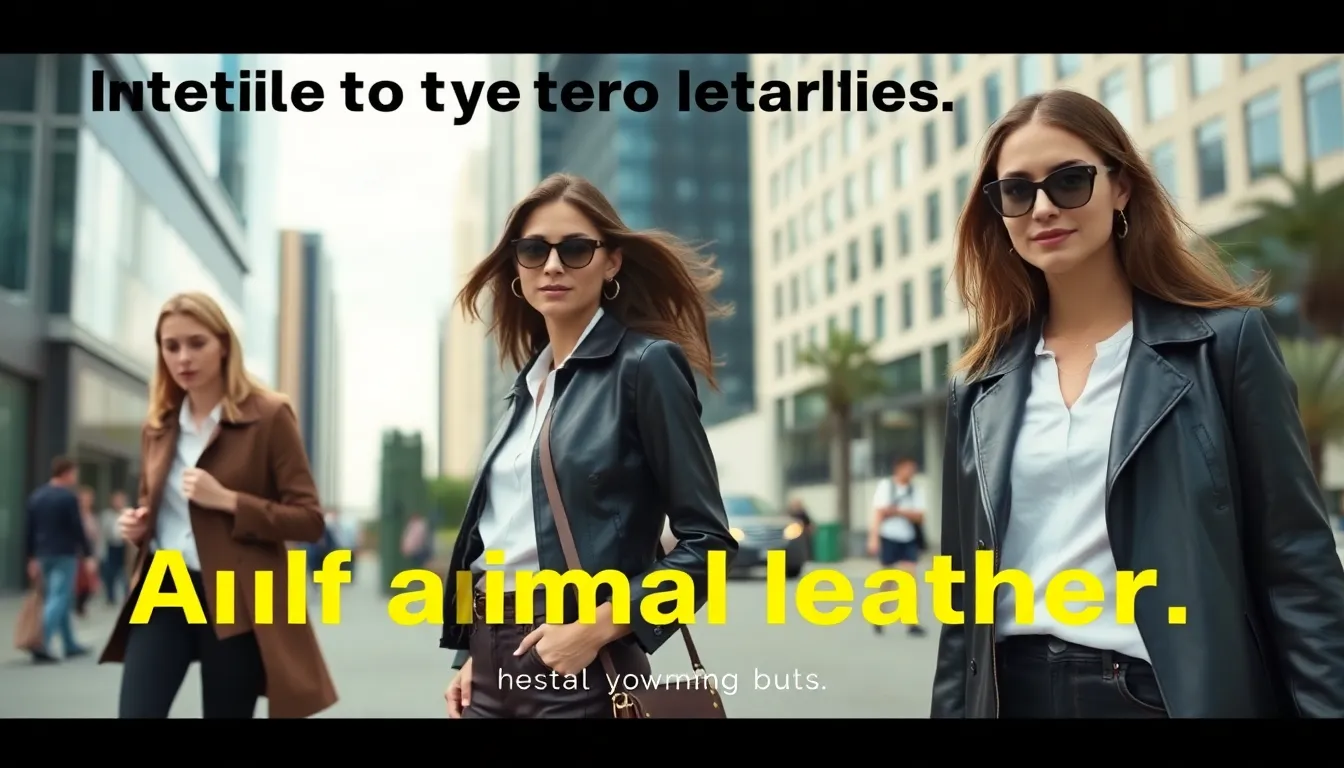
Frequently asked questions about PETA’s new campaign
Key takeaways and future outlook on animal rights in fashion
PETA’s latest ad campaign draws attention to the ongoing debate surrounding the use of animal skins in the fashion industry, highlighting the ethical concerns and environmental impacts associated with such practices. By leveraging a culturally significant reference like ‘The Devil Wears Prada’, the organization effectively engages a broader audience, encouraging a reassessment of consumer choices and industry standards.
As fashion continues to evolve, the implications of this campaign may resonate beyond immediate reactions, potentially influencing future trends towards cruelty-free alternatives. Stakeholders in the fashion industry, from designers to consumers, should remain vigilant about the growing demand for sustainable and humane practices.
- The campaign may accelerate the shift towards vegan and sustainable fashion choices among consumers.
- Fashion brands could face increased pressure to adopt cruelty-free policies and transparency in their supply chains.
- There is potential for heightened collaboration between animal rights organizations and fashion designers to promote ethical alternatives.
- Public sentiment regarding animal rights is likely to continue influencing fashion trends and consumer behavior.
- Monitoring legislative changes related to animal welfare in fashion will be crucial for industry stakeholders.