


As we commemorate this milestone, the impact of television on contemporary society is more relevant than ever. With advancements in technology, television has evolved from black-and-white broadcasts to high-definition streaming, influencing cultural norms and communication. For more on the evolution of media, you can check out articles like The World Met to Talk Climate Change and the U.S. Was Excluded, which delve into similar transformations in other fields.
Currently, discussions around the future of television include the rise of digital platforms and the shift in viewer habits. Streaming services have transformed how audiences engage with content, leading to a decline in traditional cable subscriptions. This evolution highlights the ongoing relevance of the medium, as it adapts to meet the needs of a new generation of viewers.
Furthermore, the anniversary serves as a reminder of the power of visual storytelling in shaping public perception and understanding. As television continues to evolve, it remains a crucial tool for education, entertainment, and connection, emphasizing the importance of its historical roots. The celebration of this anniversary invites reflection on both the achievements and challenges that lie ahead for the industry.
The Historical Background of Television’s Introduction
The introduction of television as a mainstream medium can be traced back to the early 20th century, a time marked by rapid technological advancements and a burgeoning interest in visual entertainment. The 1939 New York World’s Fair served as a pivotal moment in this evolution, showcasing television as a revolutionary medium that would transform communication and entertainment. This event highlighted the potential of television not only for entertainment but also as a tool for education and information dissemination.
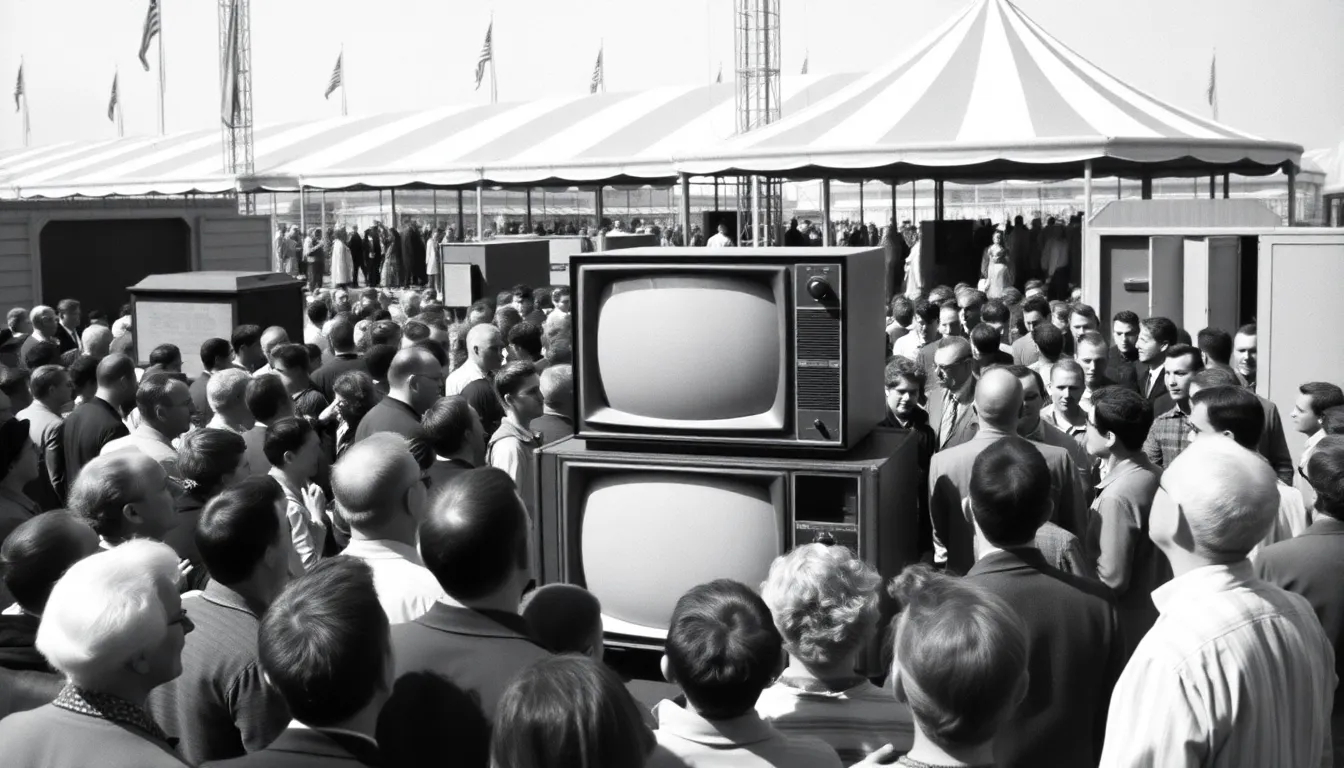
In the years leading up to the World’s Fair, several inventors and engineers made significant contributions to the development of television technology. Figures like Philo Farnsworth and John Logie Baird played crucial roles in creating the first working television systems. By the late 1930s, experimental broadcasts were already occurring, paving the way for wider public interest. The fair’s introduction of television to a mass audience marked a significant milestone in this journey, as it showcased the medium’s capabilities to millions of attendees.
The Political and Economic Climate of the 1930s
The backdrop of the 1930s was characterized by the Great Depression, which had profound implications for both the economy and the political landscape. Despite economic hardships, there was a strong desire for innovation and entertainment as a means of escape. The U.S. government recognized the potential of new technologies to stimulate economic growth and improve public morale. This environment fostered an atmosphere of optimism, making the launch of television at the fair a symbol of hope and progress during challenging times, a sentiment reflected in many historical analyses.
Moreover, the fair itself was a showcase of American ingenuity and resilience, with television positioned as a centerpiece of future advancements. The presence of major companies like RCA, which played a significant role in promoting television, illustrated the economic potential of this new medium. The successful demonstration of television technology at the fair not only captivated the public but also encouraged investment and further development in broadcasting, setting the stage for the television boom of the 1950s.
As television began to take root in American culture, it was not merely a technological innovation but a reflection of societal changes. The medium quickly became a vital part of family life, influencing social norms and public discourse. The legacy of the 1939 New York World’s Fair continues to resonate today, as television remains a dominant force in shaping modern communication and entertainment.
Key Stakeholders and Issues Surrounding Television’s Debut
The launch of television at the 1939 New York World’s Fair marked a significant milestone in media history, bringing together various stakeholders with differing interests. Key players included major broadcasting companies, inventors, government regulators, and the public, each with their own perspectives on the emerging medium.
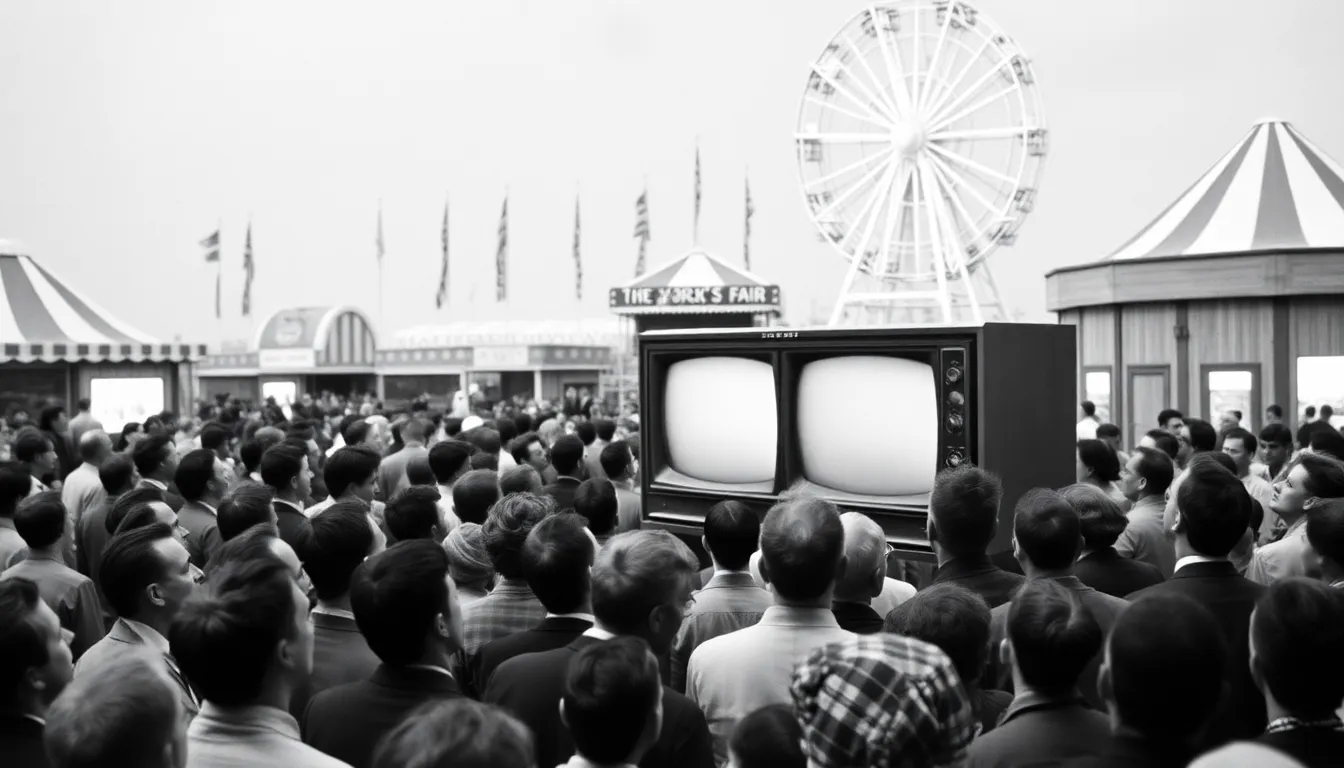
Broadcasting companies, such as NBC and CBS, were eager to capitalize on the new technology. Their primary interest lay in establishing a dominant position in the nascent television market. This competition spurred rapid innovation but also raised concerns about monopolistic practices and the quality of programming that would be made available to viewers.
Inventors and engineers, including figures like Philo Farnsworth and David Sarnoff, played crucial roles in the development of television technology. Their interests often conflicted with those of corporate entities, as they sought recognition and financial rewards for their innovations. Legal battles over patents and intellectual property rights were common, highlighting the economic stakes involved in the medium’s evolution.
Government regulators, particularly the Federal Communications Commission (FCC), faced the challenge of creating a framework for television broadcasting. Their focus was on ensuring fair access to the airwaves and addressing concerns about content regulation. This led to debates over censorship, public interest obligations, and the establishment of broadcasting standards.
- Competition Among Networks: The rivalry between NBC and CBS influenced programming choices and advertising strategies.
- Intellectual Property Disputes: Legal conflicts arose over patents, affecting the pace of technological advancement.
- Regulatory Framework: The FCC’s role in establishing broadcasting rules shaped the industry landscape.
- Public Reception: Viewer interest and engagement determined the success and direction of television programming.
- Economic Implications: The rise of television transformed advertising and media consumption patterns, impacting various industries.
The Impact of Television on Society and Media
The launch of television at the 1939 New York World’s Fair marked a pivotal moment in media history, affecting various groups and industries. Broadcasters, advertisers, and content creators quickly adapted to this new medium, while audiences across urban and rural regions began to experience entertainment and information in unprecedented ways. The immediate impact was felt most strongly in metropolitan areas, where access to television sets became a status symbol and a source of community engagement.
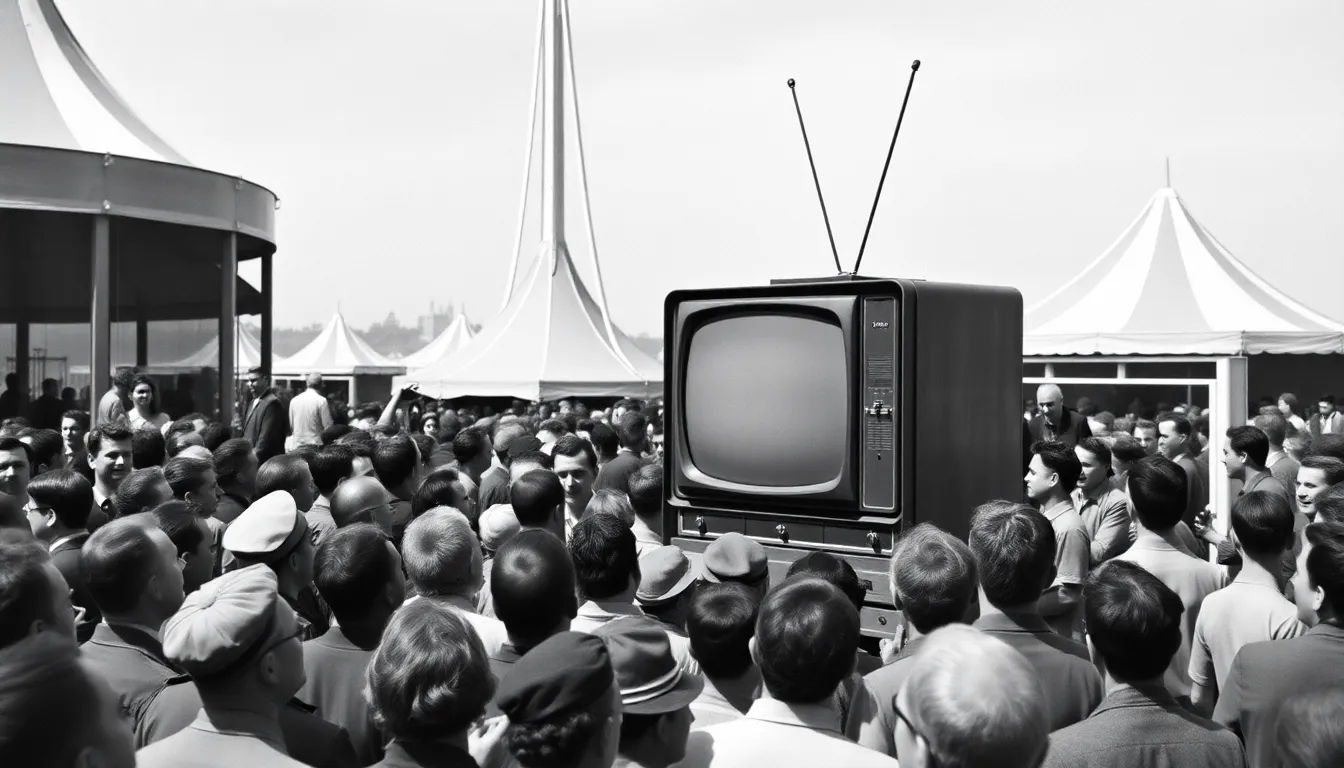
In the short term, television transformed daily life by providing a new form of entertainment and information dissemination. Families gathered around their sets for news broadcasts, variety shows, and sports events, creating shared experiences that changed social dynamics. Businesses in the advertising sector restructured their strategies to capitalize on this emerging platform, leading to a boom in commercial television that shaped consumer behavior.
As television became more prevalent, it also influenced public policy and regulatory frameworks. Governments and media organizations had to navigate the implications of broadcasting standards, censorship, and content regulation. This led to the establishment of guidelines that sought to balance free expression with societal values, impacting how media companies operated and how content was produced.
- Risks: The rise of television has led to concerns about misinformation and the potential for media monopolies, which could limit diversity in programming and viewpoints.
- Opportunities: Conversely, the television industry has created vast job opportunities, from production to marketing, and has fostered innovation in technology and storytelling.
- Social Impact: Television has played a crucial role in shaping cultural narratives and public discourse, influencing everything from fashion trends to political movements.
In the mid-term, the effects of television continue to evolve, with digital streaming and on-demand content reshaping how viewers consume media. This shift presents both challenges and opportunities for traditional broadcasters and new entrants in the industry, as they adapt to changing consumer preferences and technological advancements.
A: The 1939 New York World’s Fair marked the official public introduction of television, showcasing its potential as a revolutionary medium. It captivated audiences and set the stage for the future of broadcasting. A: Television transformed entertainment by providing a new platform for storytelling, news, and live events. It shifted the way people consumed media and brought families together in their living rooms. A: Pioneers like David Sarnoff of RCA played crucial roles in promoting television at the fair. Their vision and investment in technology were instrumental in making television a household staple. A: Early television faced challenges such as technical limitations, a lack of programming, and competition from radio. These hurdles were gradually overcome as technology advanced and content developed. A: Since its debut, television has evolved dramatically with advancements in technology, from black-and-white to color, and now to high-definition and streaming. It continues to adapt to changing viewer preferences.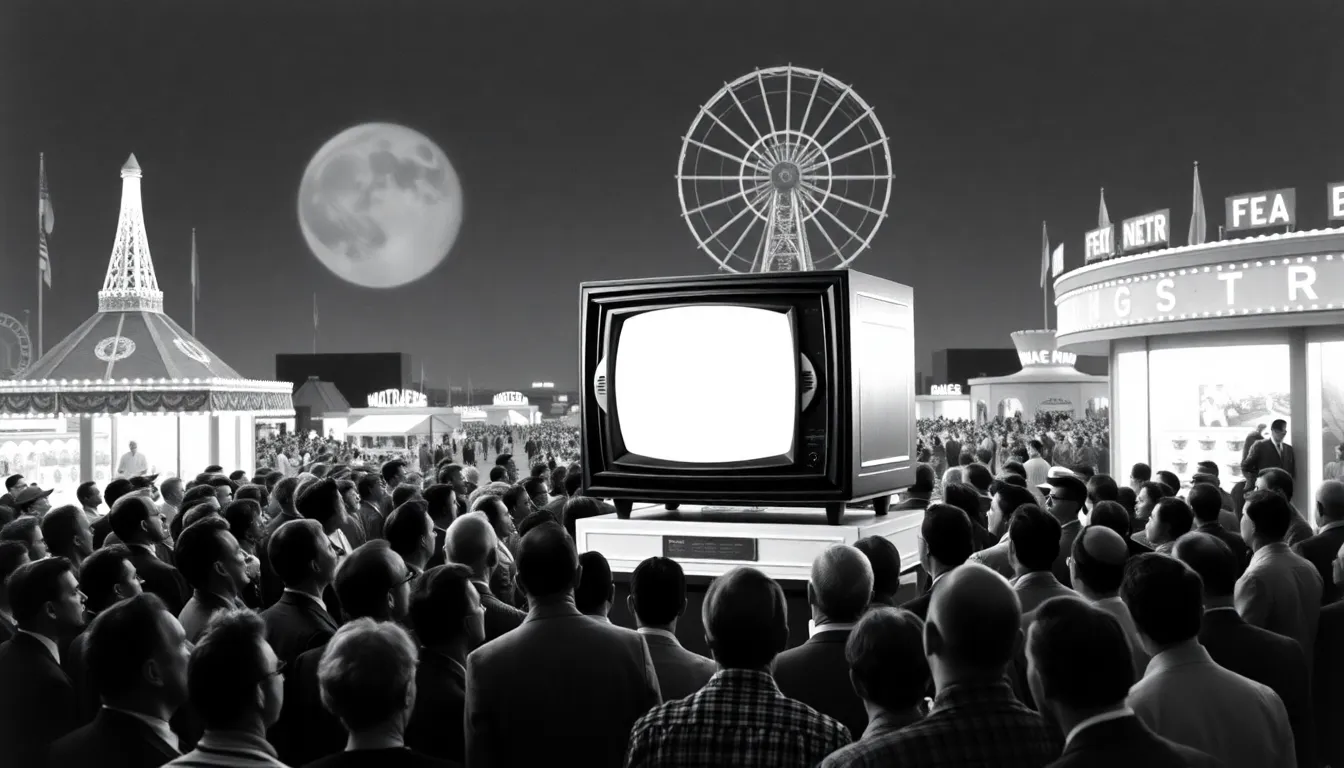
Frequently Asked Questions About Television’s Launch
Key Insights and Future Outlook on Television
Reflecting on the launch of television at the 1939 New York World’s Fair provides a unique perspective on how far the medium has evolved and its profound impact on society. As we celebrate this anniversary, it is essential to consider the technological advancements and cultural shifts that have shaped television into a cornerstone of modern entertainment and communication.
Looking ahead, the landscape of television continues to transform with the rise of streaming services, interactive content, and global accessibility. These developments will not only redefine viewer engagement but also influence content creation and distribution strategies in the coming years.
- Embrace Technological Integration: The future of television will heavily rely on integrating advanced technologies such as AI and virtual reality to enhance viewer experiences.
- Focus on Diverse Content: As audiences become more global, there will be an increasing demand for diverse storytelling that reflects various cultures and perspectives.
- Adapt to Changing Viewing Habits: Content creators and distributors must remain agile in adapting to the shifting preferences of viewers who favor on-demand and mobile access.
- Strengthen Community Engagement: Television will play a crucial role in fostering community connections, encouraging interactive formats that allow viewer participation.
- Monitor Regulatory Changes: As the media landscape evolves, staying informed about regulatory changes will be vital for navigating the future of television effectively.