


The hideout, which opened its doors on October 1, 2023, features a series of interactive installations designed by local artists. Each installation reflects the vibrant culture of Seoul, allowing visitors to not only stay in a place but also engage with the local art scene in a meaningful way. For more information on immersive art experiences, visit this article.
This partnership marks a significant shift in how travel accommodations are perceived, moving beyond traditional lodging to experiences that foster connection and inspiration. By integrating art into the travel experience, Cortis and Airbnb are setting a new standard for immersive stays that resonate with modern travelers seeking authenticity. You can read about other innovative projects in the travel sector in this related post.
The collaboration is expected to attract both domestic and international tourists, further boosting Seoul’s reputation as a cultural hub. As the travel industry continues to evolve, this innovative approach may influence future partnerships and offerings within the sector.
Understanding the Background of This Innovative Project
The collaboration between Cortis and Airbnb to create an immersive hideout in Seoul marks a significant intersection of art, technology, and hospitality. This initiative comes at a time when the travel and tourism industry is recovering from the impacts of the COVID-19 pandemic, which forced many to rethink traditional travel experiences. The need for unique and engaging accommodations has never been more pronounced, as travelers seek to create lasting memories in an increasingly competitive market.
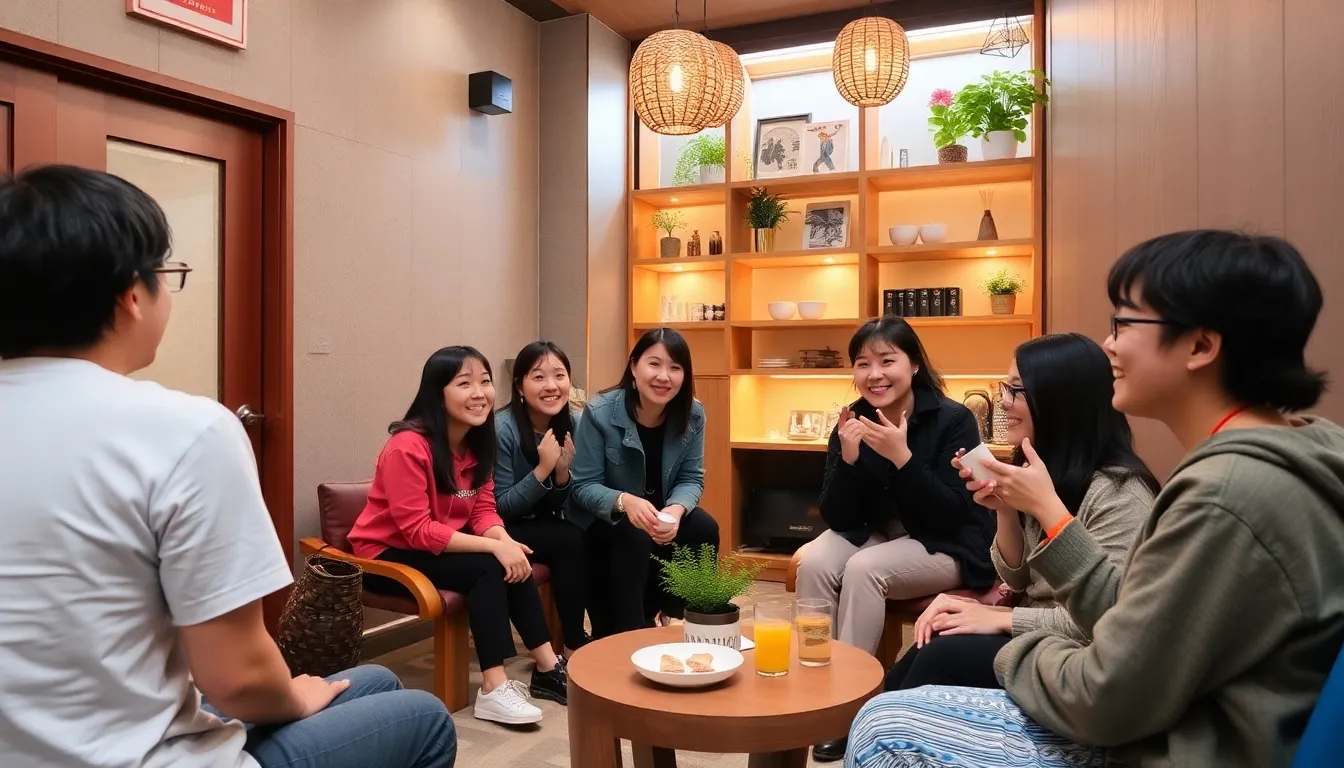
Historically, Seoul has been a vibrant hub of culture and innovation, blending its rich heritage with modern advancements. The city has seen a surge in creative projects that aim to enhance the visitor experience. This trend is not only a response to the global tourism landscape but also reflects a broader societal shift towards experiential travel, where consumers prioritize personalization and immersive interactions over conventional lodging options.
The Rise of Experiential Travel
Experiential travel has gained momentum over the past decade, driven by a desire for authenticity and connection. Travelers are increasingly looking for accommodations that offer more than just a place to stay; they want experiences that resonate with the local culture and community. This shift has prompted companies like Airbnb to partner with local artists and designers, transforming ordinary spaces into extraordinary experiences that tell a story and engage the senses, similar to recent trends explored in this exploration of creative partnerships.
The partnership between Cortis and Airbnb is a testament to this evolving landscape. By leveraging technology and artistic expression, they aim to create a space that not only serves as a temporary residence but also as a canvas for creativity and cultural exchange. This project is poised to set a precedent for future collaborations within the hospitality sector, encouraging other companies to think outside the box and embrace innovative approaches to enhance guest experiences.
As the world continues to navigate the complexities of post-pandemic travel, initiatives like the Seoul hideout exemplify a forward-thinking approach that prioritizes sustainability, creativity, and community engagement. With a focus on immersive experiences, this project not only caters to the evolving preferences of travelers but also contributes to the revitalization of local economies through tourism and cultural appreciation.
Key Stakeholders and Issues in the Partnership
The collaboration between Cortis and Airbnb to create an immersive hideout in Seoul brings together various stakeholders, each with distinct interests and concerns. Key actors include Cortis, a creative agency focused on immersive experiences, Airbnb, a global leader in short-term rentals, local government entities, and the residents of Seoul.
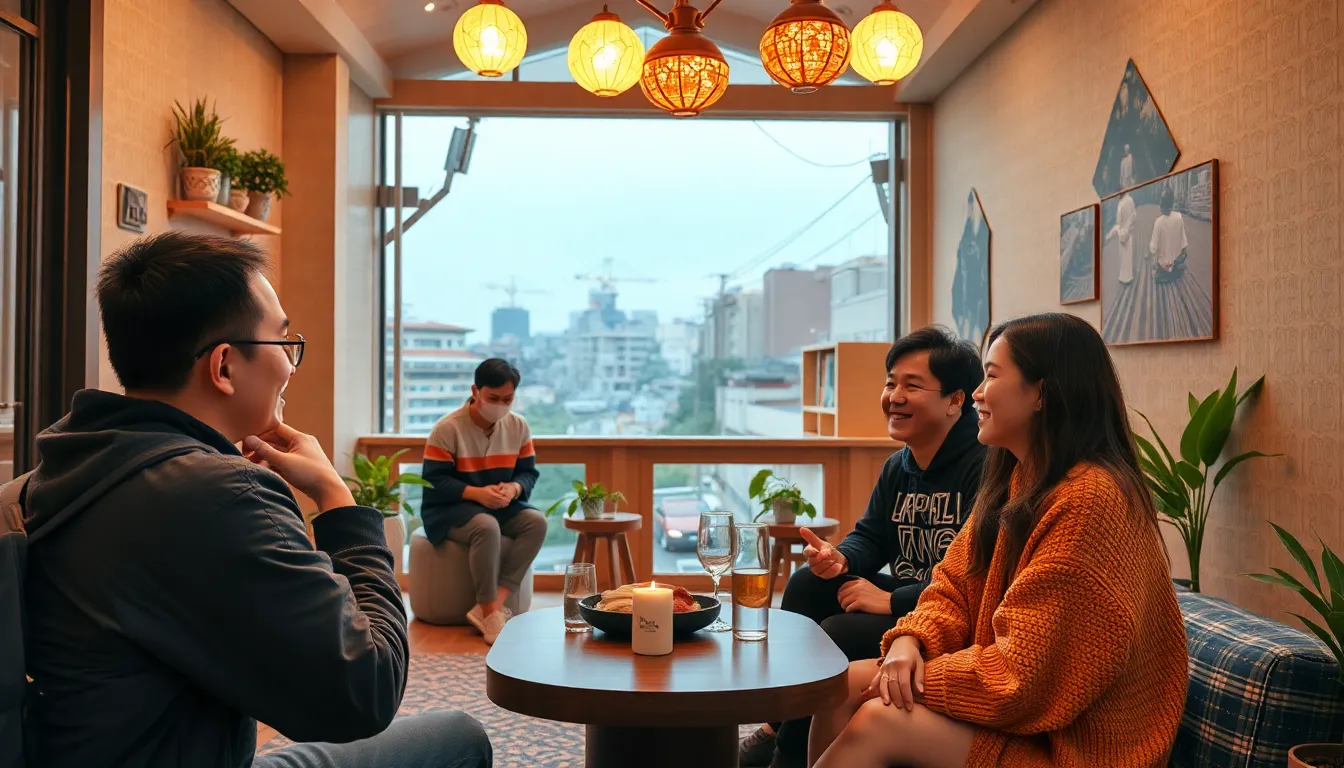
Cortis aims to enhance its brand visibility and showcase its innovative capabilities through this unique project. By leveraging Airbnb’s platform, Cortis can reach a broader audience and establish itself as a leader in experiential design. On the other hand, Airbnb seeks to diversify its offerings and attract more users by providing unique, culturally rich experiences that go beyond traditional accommodation.
Local government bodies have a vested interest in the project as it could promote tourism and boost the local economy. However, they must also consider the implications of increased foot traffic and potential disruptions to the community. Residents may have mixed feelings about the project; while some may welcome the economic benefits, others might be concerned about noise, privacy, and the impact on local culture.
- Economic Impact: The partnership could stimulate local businesses, but it may also lead to rising costs of living and displacement of residents.
- Regulatory Challenges: Compliance with local zoning laws and regulations governing short-term rentals remains a critical issue.
- Cultural Sensitivity: The project must respect and integrate local culture to avoid backlash from the community.
- Environmental Concerns: Increased tourism may raise questions about sustainability and environmental impact.
As these stakeholders navigate their interests, the potential for conflict arises, particularly between economic benefits and community integrity. The resolution of these issues will be pivotal in shaping the future of such partnerships in urban settings.
Impact on Local Tourism and the Art Scene
The collaboration between Cortis and Airbnb to create an immersive hideout in Seoul is poised to significantly affect various groups and industries. Local artists, tourism operators, and the hospitality sector are among the primary stakeholders who will feel the impact of this innovative venture.
In the short term, the immersive experience is likely to attract a surge of both domestic and international tourists to Seoul. This influx can lead to increased foot traffic in nearby businesses, such as restaurants, cafes, and shops, thereby boosting the local economy. Additionally, the art scene may experience revitalization as local artists gain exposure through this project, potentially leading to more collaborative opportunities.
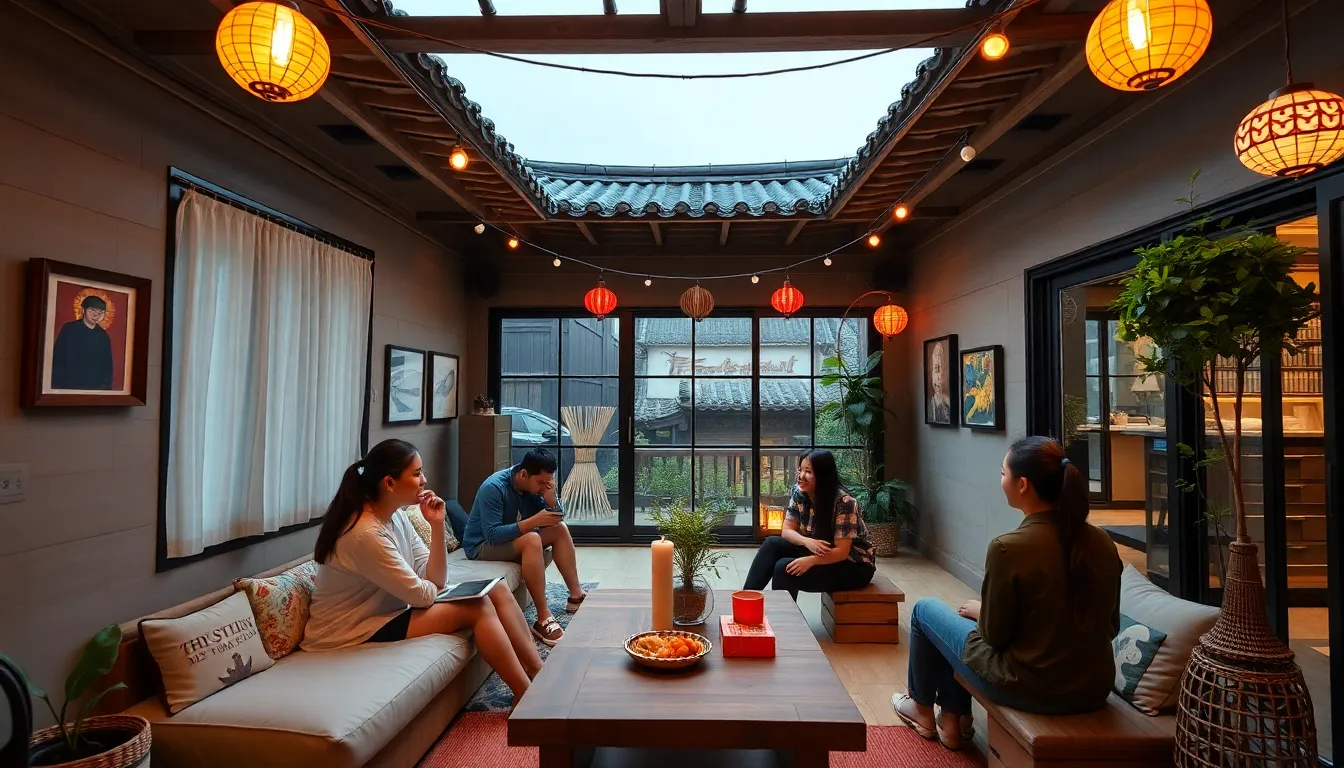
However, there are risks associated with this initiative. The focus on a single immersive experience may overshadow smaller, independent art venues and local tourism offerings. If not managed carefully, this could lead to a monopolization of the market, where only larger entities benefit from the increased visibility and foot traffic.
In the mid-term, the impact on policy could also be significant. Local governments might consider implementing regulations to support smaller businesses and artists, ensuring that the benefits of such projects are distributed more evenly across the community. This could foster a more inclusive environment for cultural expression and tourism.
- Increased tourism and economic activity in the area.
- Boost to local artists and collaborative projects.
- Potential overshadowing of smaller venues and businesses.
- Policy changes to support equitable growth in the arts and tourism sectors.
Overall, while the collaboration between Cortis and Airbnb presents exciting opportunities for growth and innovation, it also necessitates careful consideration of its broader implications on the community and local economy.
A: The immersive hideout combines art installations with a unique lodging experience, allowing guests to engage with the space creatively. A: Reservations can be made through the Airbnb platform, where guests can select available dates and view the unique features of the hideout. A: Guests can expect interactive art displays, themed rooms, and curated events that enhance their stay and provide deeper engagement with local culture. A: Yes, the immersive hideout is designed to be family-friendly, offering activities and spaces that cater to guests of all ages. A: The hideout follows strict safety protocols, including regular cleaning and adherence to local health guidelines to ensure a safe environment for all guests.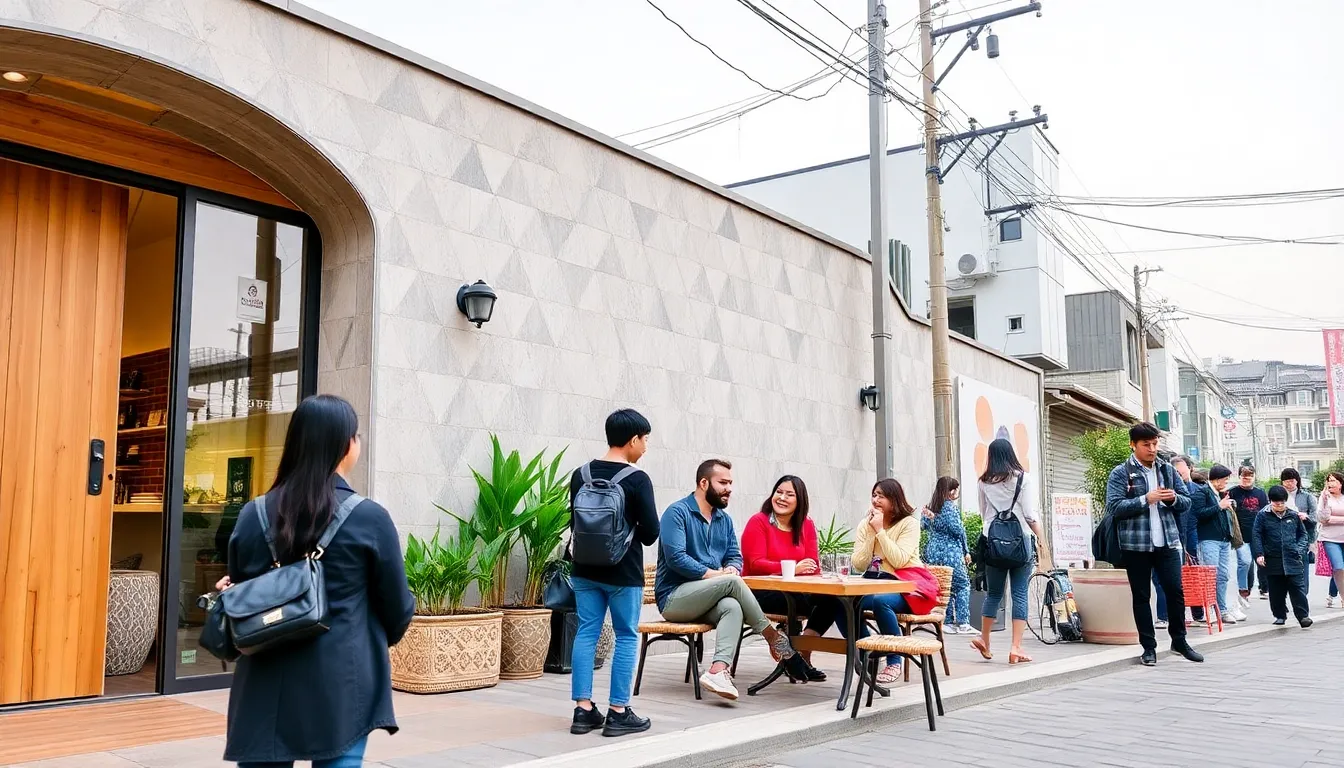
Frequently Asked Questions About the Immersive Hideout
Key Takeaways and Future Outlook for Similar Collaborations
The collaboration between Cortis and Airbnb to create an immersive hideout in Seoul highlights the growing trend of experiential marketing in the hospitality industry. This partnership not only enhances the guest experience but also showcases the potential for brands to engage consumers in innovative ways. As travel continues to evolve post-pandemic, the demand for unique and personalized experiences is likely to increase, paving the way for more creative collaborations.
Future initiatives may draw inspiration from this model, emphasizing the importance of blending art, culture, and technology to create memorable stays. Brands that successfully tap into local narratives and offer immersive experiences could see enhanced customer loyalty and increased visibility in a competitive market.
- Emphasis on Unique Experiences: The trend towards personalized and immersive experiences will likely drive more collaborations between brands and local artists or influencers.
- Integration of Technology: Future projects may incorporate augmented or virtual reality elements to further enhance guest interactions.
- Focus on Local Culture: Collaborations that highlight local culture and artistry can create a deeper connection with guests and foster community engagement.
- Sustainability Considerations: Future initiatives may also prioritize sustainability, appealing to eco-conscious travelers through responsible practices.
- Potential for Broader Applications: This model can be adapted across various sectors, suggesting that immersive experiences could redefine customer engagement strategies beyond hospitality.