


The installation is significant as it marks Banksy’s first public sculpture, expanding his portfolio beyond traditional street art and adding to the narrative of public art’s evolution. The piece is seen as a commentary on themes of hope and innocence, resonating deeply in the current socio-political climate. The artist’s choice to reveal his involvement adds a layer of intrigue, as Banksy is known for his anonymity and the mystique surrounding his work.
Local authorities have noted that the statue has already attracted a large number of visitors, sparking discussions about public art and its role in urban spaces. The sudden appearance of the artwork has also raised questions about the permissions and processes involved in installing art in public areas, prompting a review of policies related to street installations. As the statue gains popularity, it highlights the intersection of art, commerce, and public engagement in contemporary society.
Banksy’s confirmation has ignited conversations about the value of street art and its impact on community identity. Art critics are now analyzing the piece’s artistic merit and its implications for future installations by the artist. With this latest work, Banksy continues to challenge conventional notions of art and its accessibility, further solidifying his status as a pivotal figure in the art world.
Understanding the significance of Banksy’s art
Banksy, the elusive street artist known for his provocative and often politically charged works, has been a significant figure in contemporary art since the late 1990s. His art often addresses themes of social justice, war, and consumerism, resonating with audiences worldwide. The recent confirmation of his involvement in a statue unveiled in central London adds another layer to his already complex narrative, intertwining art with social commentary and public space.
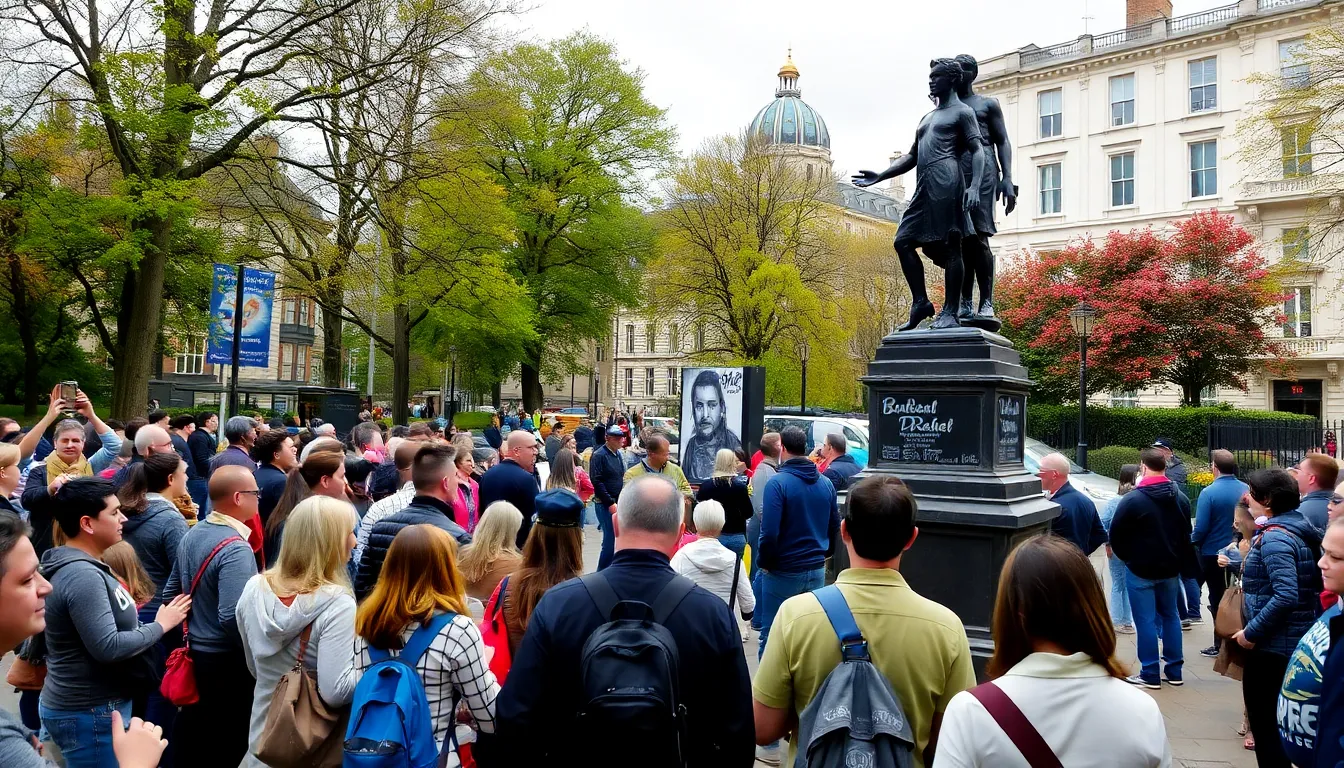
The statue, which depicts a poignant message about societal issues, reflects Banksy’s characteristic style of blending humor with serious themes. This latest work is not just an artistic endeavor; it serves as a commentary on the current socio-political climate in the UK and beyond, much like how Janet Jackson’s performances often engage with cultural themes. By placing his art in a public space, Banksy challenges the traditional boundaries of art and its accessibility, making a statement that art should be for everyone, not just for galleries and collectors.
Historically, Banksy has used his platform to address pressing social issues. For instance, his 2015 piece, “Dismaland,” was a satirical take on theme parks that critiqued consumer culture and the dark underbelly of modern society. Such works have positioned Banksy as not only an artist but also a social critic, using his art to provoke thought and inspire action among the public.
The evolution of public art
The emergence of street art as a legitimate form of expression has evolved significantly over the past few decades. Initially dismissed as vandalism, street art has gained recognition in the art world, with many artists, including Banksy, being celebrated for their contributions. This shift reflects broader societal changes, where public art is increasingly seen as a tool for engagement and dialogue, rather than mere decoration. Banksy’s recent statue further exemplifies this trend, as it invites viewers to engage with the artwork and its underlying message in a public forum, akin to the discussions on legal narratives in games that invite community engagement.
As the public continues to grapple with issues such as inequality and political unrest, Banksy’s art remains a vital part of the conversation. His ability to provoke thought through unexpected installations in urban landscapes ensures that his work remains relevant, challenging audiences to confront uncomfortable truths about society.
Exploring the implications of Banksy’s confirmation
The recent confirmation by the elusive street artist Banksy regarding his involvement in a statue installed in central London has stirred a variety of reactions among different stakeholders. This revelation not only highlights Banksy’s unique position in the art world but also raises questions about the implications for local authorities, art collectors, and the general public.
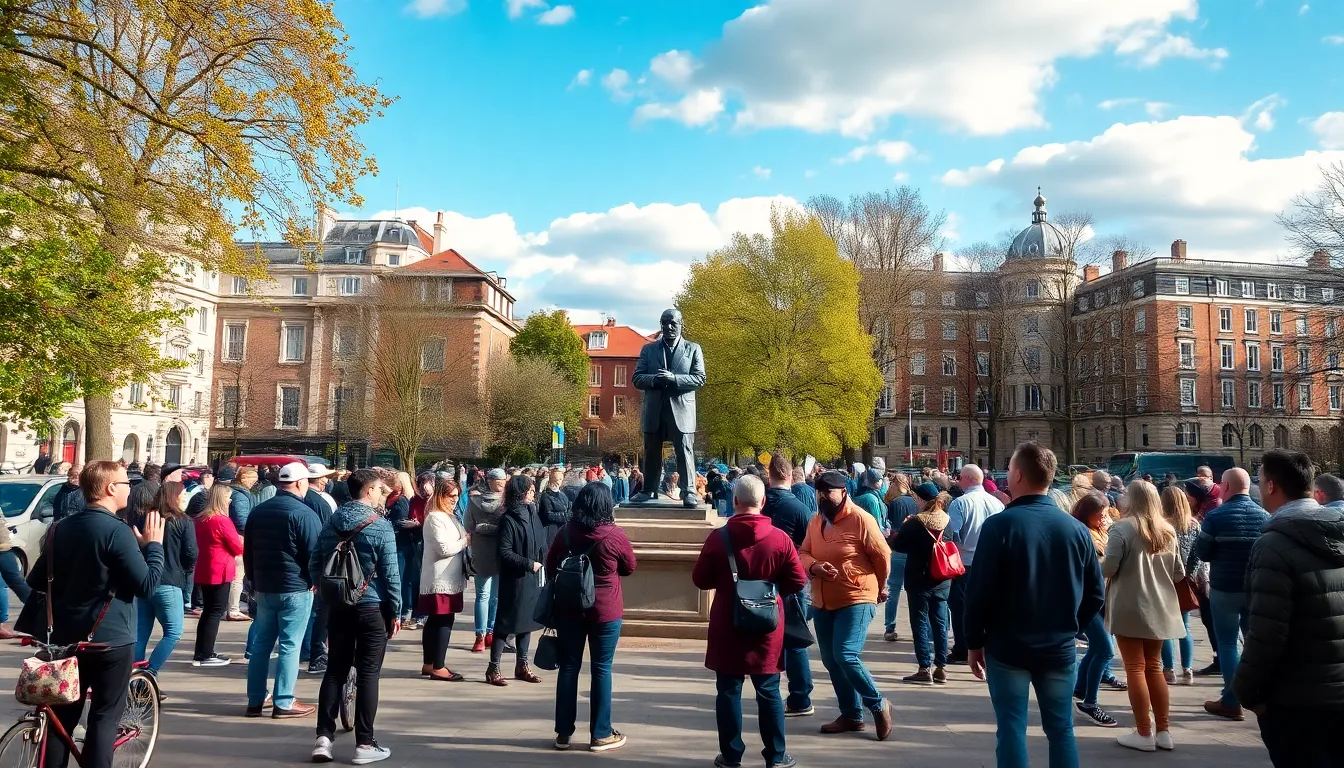
One of the primary actors in this scenario is the local government, which must navigate the complexities of public art regulations and community sentiment. The statue’s placement may have been met with mixed reactions from residents and businesses, leading to potential conflicts over public space usage and the need for permits. The city’s interest lies in balancing cultural enrichment with maintaining order and addressing any concerns from constituents.
Art collectors and investors represent another key group affected by Banksy’s actions. With the artist’s confirmation, the value of his works, including the statue, may experience fluctuations in the market. Collectors may find themselves in a precarious position, weighing the risks and rewards of investing in Banksy’s art, which is often subject to the whims of public opinion and legal challenges concerning ownership and copyright.
- Public Perception: The statue’s reception by the public could influence future installations and the overall reputation of street art in urban environments.
- Legal Considerations: Questions surrounding the legality of the statue’s installation may arise, particularly regarding permissions and property rights.
- Economic Impact: Increased foot traffic to the area could benefit local businesses, but it may also lead to tensions over commercial exploitation of public art.
- Artist’s Intent: Understanding Banksy’s motivations and message behind the statue can shape public discourse and interpretation of his work.
In summary, the confirmation of Banksy’s involvement in the statue opens a dialogue about the intersection of art, law, and community dynamics. Stakeholders must navigate these complexities to find a balance that respects artistic expression while addressing the concerns of the public and local authorities.
Public reaction and potential market effects
The recent confirmation by Banksy that he is behind the statue in central London has sparked significant interest across various demographics, particularly among art enthusiasts, tourists, and local businesses. The immediate response from the public has been largely positive, with many viewing the installation as a testament to Banksy’s unique artistic voice. This reaction is likely to attract both local and international visitors, thereby impacting the tourism sector significantly.
In the short term, businesses in the vicinity of the statue, such as cafes, restaurants, and retail shops, may experience an uptick in foot traffic. This could lead to increased sales and a boost in local economies. Additionally, the statue may become a focal point for social media activity, further amplifying its visibility and drawing more visitors to the area.
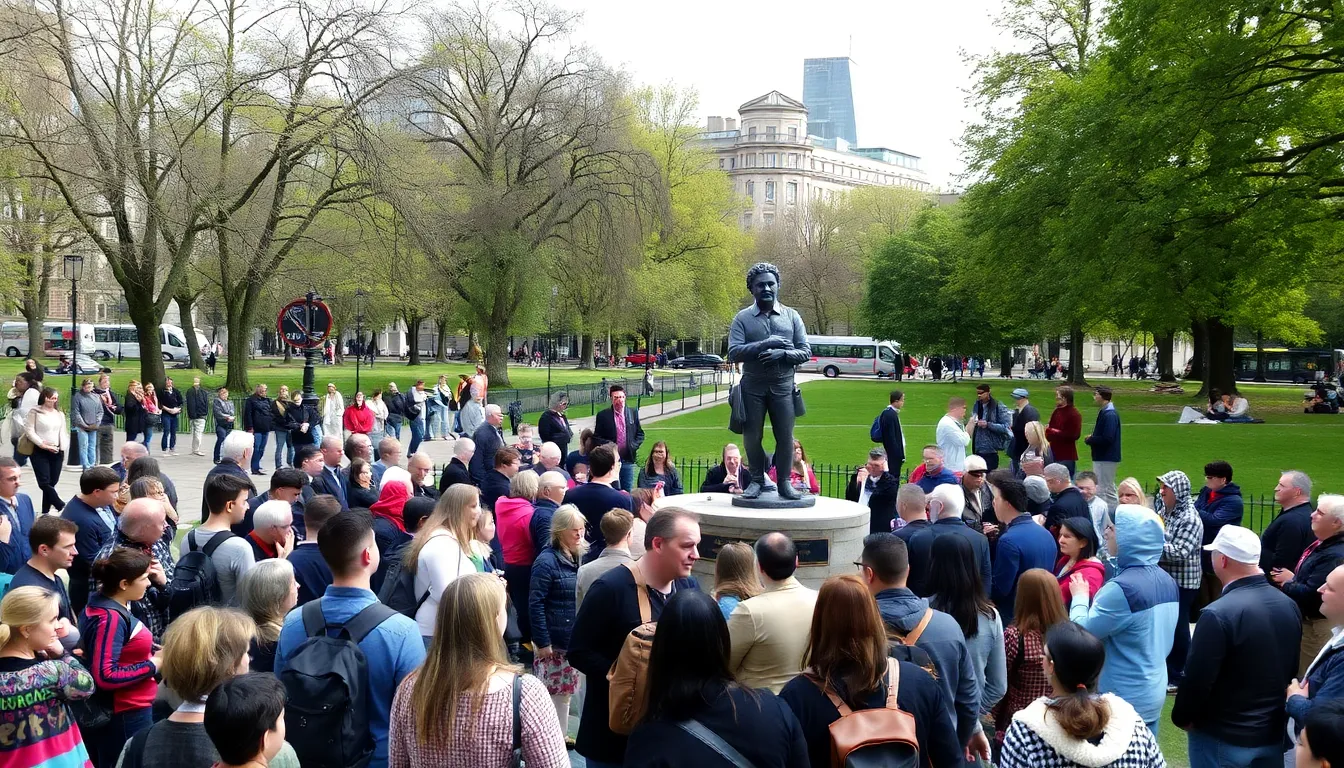
However, there are also risks associated with this surge in popularity. Local authorities may face challenges related to crowd management and public safety, particularly if the statue becomes a hotspot for gatherings. Moreover, there is the potential for vandalism or damage to the artwork, which could deter visitors if not properly managed.
- Increased tourism and foot traffic in central London.
- Boost in sales for local businesses.
- Potential public safety concerns and vandalism risks.
In the mid-term, the statue could influence local policy regarding public art and urban space utilization. City planners may consider similar installations to enhance cultural appeal, which could lead to more public art projects and initiatives. On the other hand, the presence of such art could reignite debates about public funding and the commercialization of urban spaces.
Overall, while the immediate effects of Banksy’s statue are likely to be beneficial for local businesses and tourism, careful management will be essential to mitigate risks and harness the full potential of this artistic endeavor.
A: The statue reflects Banksy’s unique style and often addresses social issues, though specific themes will be revealed through public interpretation. A: The statue is situated in a prominent area of central London, attracting both locals and tourists. A: Public reaction has been mixed, with some praising Banksy’s creativity and others questioning the statue’s message. A: There are discussions about potential exhibitions or events that may coincide with the statue’s unveiling. A: While this statue is a standalone piece, it may be part of Banksy’s ongoing commentary on societal issues.
Frequently asked questions about Banksy’s statue
Key takeaways and future outlook on Banksy’s work
Banksy’s confirmation of his involvement with the statue in central London not only reinforces his status as a prominent figure in contemporary art but also highlights the ongoing dialogue between street art and public perception. This event could signal a shift in how urban installations are received and valued, particularly as they challenge societal norms and provoke thought. As Banksy continues to navigate the intersection of art and activism, his work remains a focal point for discussions on authenticity, ownership, and the role of art in public spaces.
As the art world and the public react to this latest revelation, attention will likely turn to how Banksy’s future projects will unfold and the potential influence they may have on emerging artists and urban art movements. Observers should remain vigilant for new works that may further blur the lines between art, commentary, and commercialism.
- Expect increased media attention on urban art and its implications for social commentary.
- Monitor the potential impact on the value of Banksy’s existing works in the art market.
- Watch for responses from local communities regarding the placement and meaning of public art.
- Consider how Banksy’s approach may inspire other artists to engage with public spaces in innovative ways.
- Look for collaborations between street artists and institutions as the boundaries of art continue to expand.