


During the proceedings, several justices expressed skepticism about the legal basis of the lawsuit, questioning whether U.S. companies could be held accountable for actions taken by foreign governments with whom they do business. The focus was on the extent to which Cisco’s technology contributed to human rights abuses in China, raising complex questions about jurisdiction and corporate responsibility. This case is particularly relevant in light of the ongoing discussions surrounding corporate accountability.
The case has significant ramifications not only for Cisco but also for other companies operating in countries with questionable human rights records. A ruling in favor of the plaintiffs could set a precedent, potentially exposing U.S. firms to lawsuits for their involvement in foreign governmental actions. Conversely, a dismissal could limit the ability of victims to seek justice through U.S. courts.
The Supreme Court’s decision, expected in the coming months, will be closely watched by legal experts and human rights advocates alike. It underscores the ongoing debate about the role of technology in supporting authoritarian regimes and the responsibilities of corporations in safeguarding human rights globally.
Understanding the background of the Falun Gong and Cisco case
The Falun Gong, a spiritual practice combining meditation and qigong exercises with a moral philosophy, emerged in China in the early 1990s. Its rapid growth attracted millions of adherents, which raised concerns within the Chinese government. In 1999, the Communist Party launched a nationwide crackdown on Falun Gong, labeling it a cult and implementing severe repression measures, including arrests, forced labor, and alleged torture of practitioners. This context is essential to understand the ongoing legal battles faced by the group, particularly in relation to international human rights and corporate complicity, much like the recent environmental litigation in the UK.
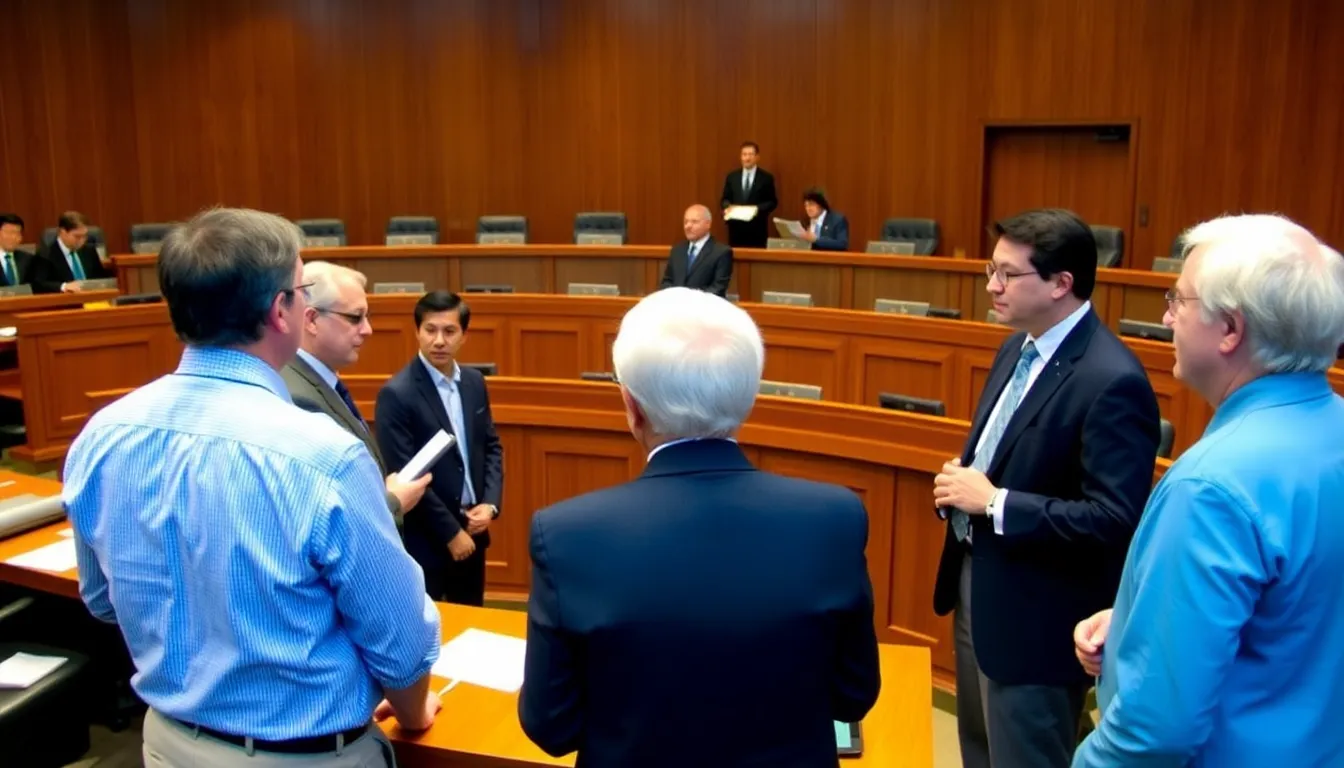
Cisco Systems, a leading technology company, became embroiled in controversy due to allegations that it provided technology and support to the Chinese government, enabling the surveillance and repression of Falun Gong practitioners. The lawsuit against Cisco, filed by Falun Gong practitioners, claims that the company’s technology was used to facilitate human rights abuses. As such, the case raises significant questions about the responsibilities of corporations in relation to human rights, particularly in authoritarian regimes.
Key Legal Precedents
Legal cases involving corporate responsibility for human rights violations have gained traction in recent years. One notable precedent is the case of Kiobel v. Royal Dutch Petroleum, where the U.S. Supreme Court ruled that the Alien Tort Statute could not be applied to foreign corporations for actions occurring outside the United States. This ruling has implications for the Falun Gong lawsuit against Cisco, as it may challenge the ability of plaintiffs to hold corporations accountable for their actions abroad, mirroring concerns raised in discussions about corporate practices in other sectors.
The ongoing skepticism from the Supreme Court regarding the Falun Gong lawsuit highlights the complex interplay between international human rights, corporate accountability, and the legal frameworks that govern these issues. As the case unfolds, it draws attention to the broader implications for how technology companies engage with repressive regimes and the potential consequences for their operations and reputations on a global scale.
Key stakeholders and issues in the Falun Gong lawsuit
The lawsuit against Cisco Systems by members of the Falun Gong spiritual movement highlights a complex interplay of legal, political, and human rights issues. The main actors in this case include the Falun Gong practitioners, Cisco Systems, and the Chinese government, each with distinct interests and stakes in the outcome of the litigation.
Falun Gong practitioners, who have faced persecution in China since the late 1990s, seek accountability for what they describe as complicity by Cisco in human rights abuses. They argue that Cisco’s technology has been used to facilitate the Chinese government’s crackdown on their movement, leading to arrests and torture. Their interest lies in obtaining justice and raising awareness about their plight on an international scale.

Cisco Systems, a major player in the technology sector, is concerned about the implications of the lawsuit on its business operations and reputation. The company asserts that it operates within the bounds of the law and that its products are not intended for use in human rights violations. Cisco’s interest is in protecting its corporate image and ensuring that its technology is not improperly associated with state-sponsored repression.
The Chinese government, which has historically viewed Falun Gong as a threat to social stability, has a vested interest in suppressing the movement and maintaining its narrative of control. The government’s stance complicates the legal landscape, as any ruling in favor of the Falun Gong could be perceived as a challenge to its authority and could encourage similar actions against other entities it deems undesirable.
- Legal implications: The case raises questions about the extent to which companies can be held liable for the actions of foreign governments using their technology.
- Economic considerations: A ruling against Cisco could have ramifications for international business practices and foreign investment in China.
- Human rights advocacy: The outcome may influence global perceptions of human rights in China and the responsibilities of multinational corporations.
- Political ramifications: The case could strain U.S.-China relations, particularly in the context of ongoing tensions over human rights issues.
As the Supreme Court reviews the case, the broader implications for corporate accountability, human rights, and international relations remain at the forefront of discussions surrounding this high-profile lawsuit.
Potential impacts on human rights advocacy and corporate accountability
The Supreme Court’s skepticism towards the Falun Gong lawsuit against Cisco has significant implications for various groups, including human rights advocates, technology companies, and the Chinese diaspora. Human rights organizations that focus on freedom of expression and the treatment of religious minorities may find their efforts to hold corporations accountable for complicity in human rights abuses challenged by this ruling.
In the short term, the decision could embolden technology firms to engage more freely in markets with questionable human rights records, particularly in regions like China. This may lead to an increase in partnerships between Western companies and authoritarian regimes, potentially undermining global human rights standards. As a result, advocacy groups may need to recalibrate their strategies to address a more complex corporate landscape.
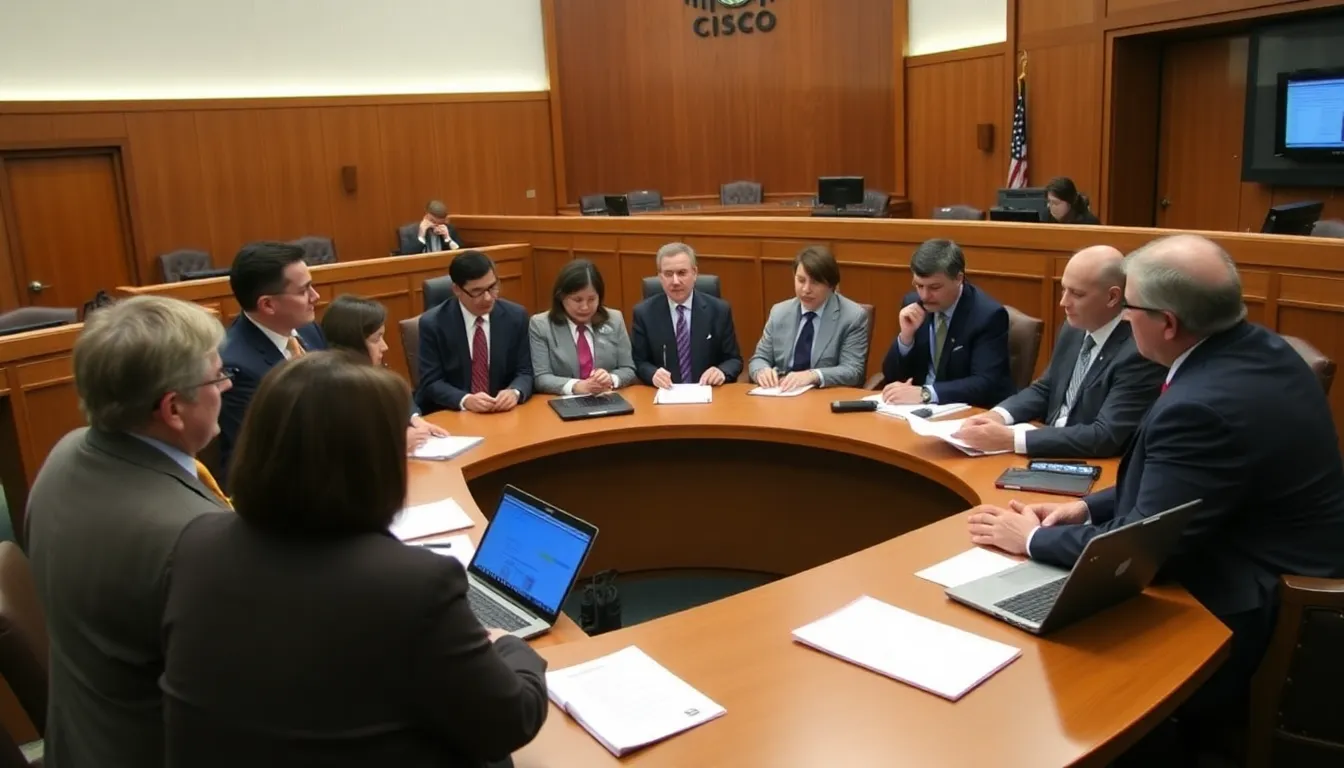
In the mid-term, the ruling could also impact public perception of corporate responsibility. If companies like Cisco are perceived as shielded from accountability, it may lead to a growing distrust among consumers and investors regarding the ethical implications of their business practices. This could prompt a shift in consumer behavior, where individuals prioritize ethical considerations in their purchasing decisions.
- Increased corporate partnerships with authoritarian regimes.
- Potential decline in public trust towards technology companies.
- Heightened scrutiny of corporate human rights practices.
Conversely, this situation may also present opportunities for human rights advocates to rally support and raise awareness about the implications of corporate actions in oppressive regimes. By leveraging this case, they can mobilize public opinion and pressure companies to adopt more robust human rights policies, fostering a dialogue about corporate accountability that may lead to positive changes in the long run.
A: The lawsuit alleges that Cisco facilitated human rights abuses against Falun Gong practitioners in China by providing technology to the Chinese government. A: The justices expressed concerns about jurisdiction and the implications of holding a U.S. company accountable for actions taken abroad. A: If the lawsuit proceeds, it could set a precedent for holding corporations liable for human rights violations linked to their business practices. A: This case raises important questions about the extent to which companies should be held accountable for their role in human rights issues in foreign countries. A: The outcome could influence how human rights advocates approach corporate accountability and the legal frameworks available to address such issues.
Frequently asked questions about the lawsuit
Insights and future outlook on the lawsuit’s implications
The Supreme Court’s skepticism regarding the Falun Gong lawsuit against Cisco highlights the complex interplay between corporate responsibility and international human rights issues. As the justices weigh the implications of allowing such cases to proceed, the outcome could set a significant precedent for how technology companies engage with governments accused of human rights violations. This case raises important questions about accountability and the extent to which U.S. companies can be held liable for their actions abroad.
Moving forward, it will be crucial to monitor the Court’s decision and its potential ripple effects on similar lawsuits. A ruling in favor of Cisco may deter future claims against corporations operating in contentious political environments, while a decision allowing the lawsuit to proceed could embolden other groups seeking justice for perceived injustices facilitated by technology firms.
- Watch for potential shifts in corporate policies as tech companies reassess their involvement in countries with poor human rights records.
- Consider the implications for other lawsuits against corporations linked to foreign governments accused of human rights abuses.
- Monitor how this case influences public perception of corporate responsibility in the tech industry.
- Evaluate the legal landscape for international human rights claims against U.S. companies in the wake of the Court’s ruling.
- Stay informed about legislative changes that may arise as a response to this case, particularly regarding corporate accountability.