


According to the Food and Drug Administration (FDA), most sunscreens have a shelf life of about three years, but this can vary based on the formulation and storage conditions. Products that have been exposed to extreme temperatures or have passed their expiration date may not provide adequate protection. In 2022, a study by the American Academy of Dermatology found that nearly 30% of consumers are unaware of sunscreen expiration dates. For more information on this topic, you can check out our article on sunscreen regulations.
Manufacturers often print expiration dates on their labels, but many consumers overlook this information. Additionally, the FDA requires that sunscreens maintain their SPF claims for the duration of their shelf life. This means that using last year’s sunscreen could still be safe, provided it has been stored properly and shows no signs of degradation.
As public health officials continue to promote sun safety, it is crucial for individuals to assess their sunscreen products before heading outdoors. The National Council on Skin Cancer Prevention advises checking for changes in color, consistency, or odor, as these can indicate that the product may no longer be effective. With the ongoing discussions around skin health, understanding the nuances of sunscreen usage remains vital for consumers.
Sunscreen expiration dates and regulations explained
The topic of sunscreen expiration dates has garnered increased attention in recent years, particularly as consumers become more aware of the importance of sun protection. Sunscreen is a crucial tool in preventing skin damage, premature aging, and skin cancer, making its efficacy a significant concern. However, the understanding of how long sunscreen remains effective after purchase is often clouded by confusion over expiration dates and the regulations surrounding them.
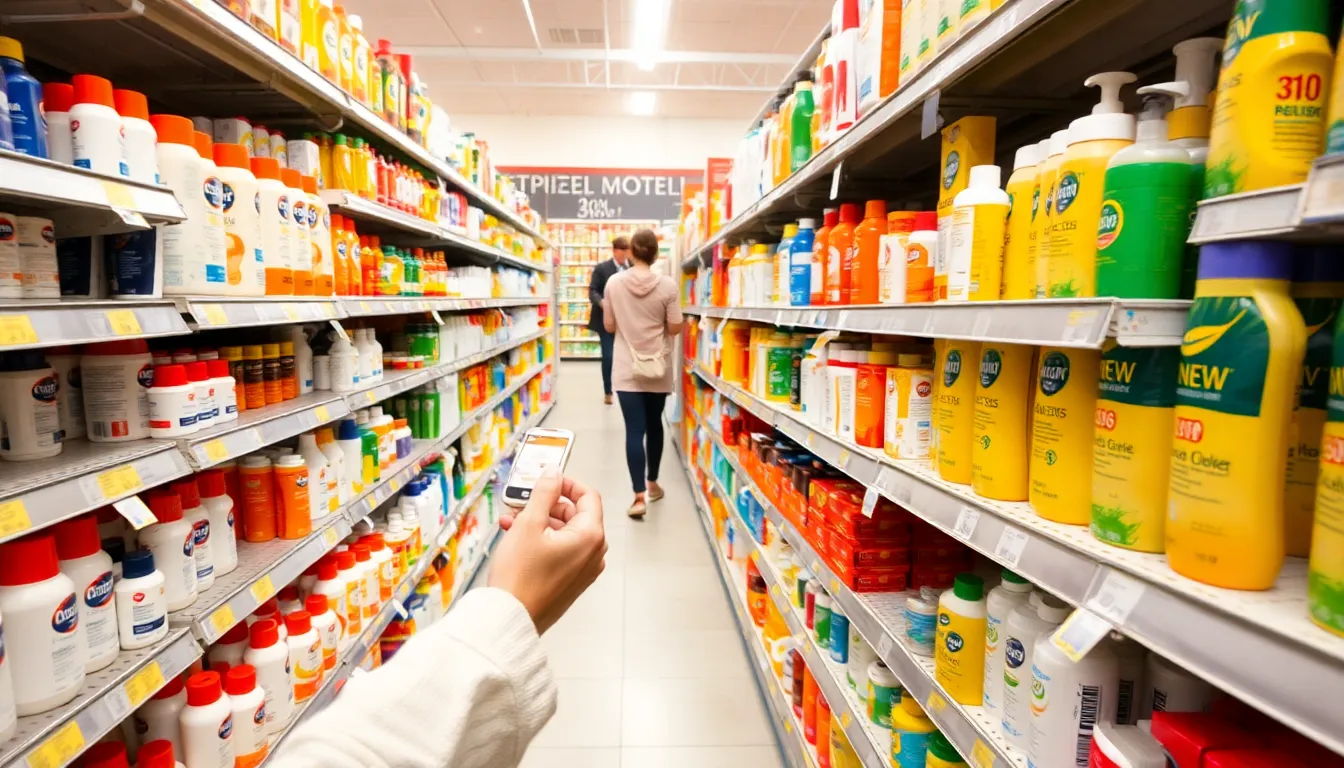
Historically, the U.S. Food and Drug Administration (FDA) began regulating sunscreen products in the 1970s, classifying them as over-the-counter (OTC) drugs. This classification required manufacturers to test their products for safety and efficacy, leading to the establishment of expiration dates as a standard practice. These dates are intended to ensure that consumers use products that maintain their protective qualities, but the criteria for determining these dates can vary widely among manufacturers.
In 2011, the FDA implemented new regulations requiring that all sunscreen products be labeled with an expiration date if they have a shelf life of less than three years. This move was aimed at enhancing consumer safety; however, it did not account for the fact that many sunscreens may still retain their effectiveness beyond this date, particularly if stored properly. If you want to know more about the importance of product labeling, consider reading our piece on labeling standards.
Consumer behavior and awareness
Consumer behavior plays a significant role in the discussion around sunscreen expiration. Many people are unaware that the effectiveness of sunscreen can be influenced by factors such as storage conditions, exposure to heat, and the integrity of the packaging. Additionally, a growing body of research suggests that some sunscreens can remain effective for years beyond their expiration dates, provided they have been stored correctly. This has led to a shift in perspective among dermatologists and health experts, who are increasingly advocating for a more nuanced understanding of sunscreen longevity.
As awareness of skin health continues to grow, the conversation around sunscreen efficacy and expiration dates is likely to evolve. With ongoing research and increased consumer education, the public may become more informed about the true lifespan of sunscreen products, potentially reducing waste and encouraging better sun protection practices.
Experts weigh in on the effectiveness of expired sunscreen
The debate surrounding the effectiveness of expired sunscreen involves various stakeholders, including consumers, dermatologists, manufacturers, and regulatory bodies. Each group has its own interests that shape their perspectives on the safety and efficacy of using sunscreen past its expiration date.
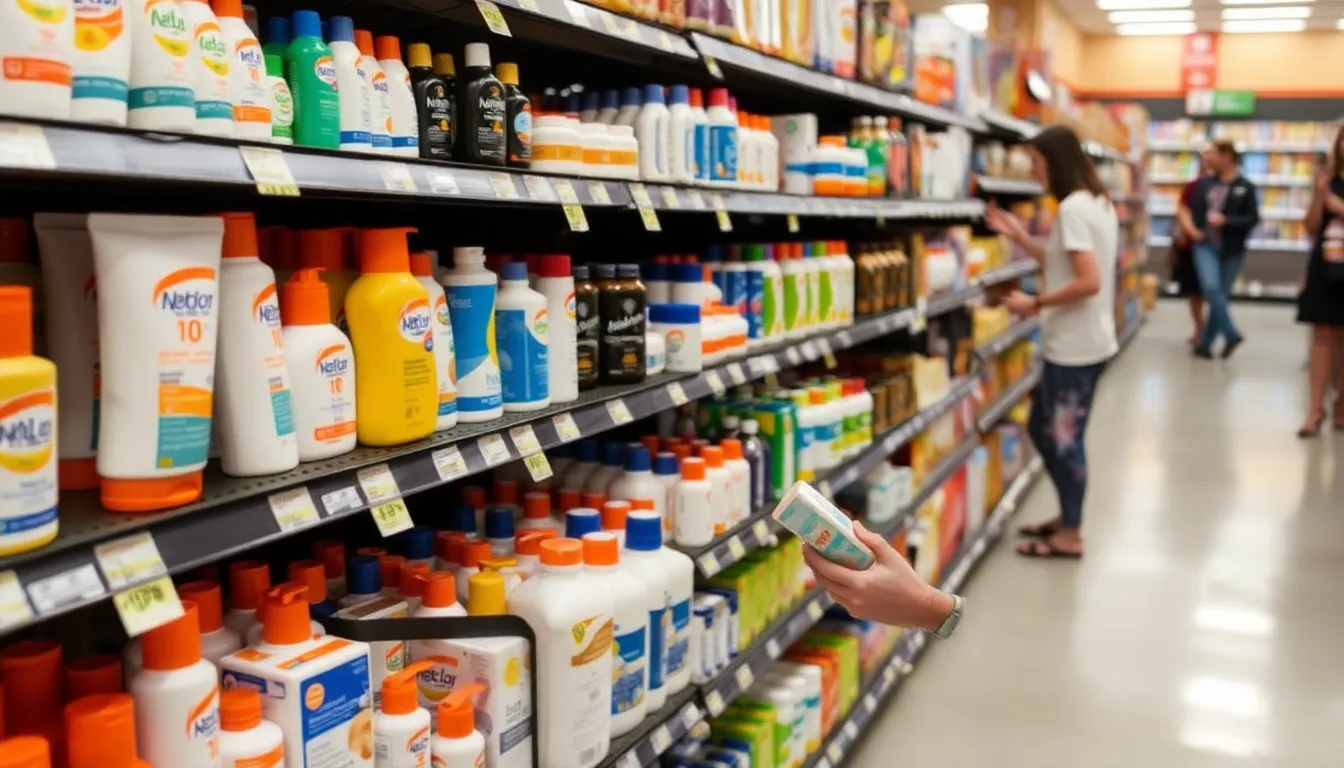
Consumers, primarily concerned with skin health and protection from UV rays, often seek clarity on whether using last year’s sunscreen is a viable option. Dermatologists advocate for the use of effective products and may caution against the use of expired items, emphasizing the potential risks of inadequate protection. Meanwhile, manufacturers aim to maintain consumer trust while balancing the economics of product shelf life and formulation stability. For further insights on consumer behavior, check out our article about changing consumer perspectives.
Regulatory bodies, such as the Food and Drug Administration (FDA) in the United States, play a crucial role in defining labeling standards and expiration dates. Their guidelines are intended to ensure consumer safety, but they can also lead to confusion about the actual usability of products beyond their labeled dates.
- Consumer Safety: The primary concern for all stakeholders is the safety and health of consumers using sunscreen.
- Economic Interests: Manufacturers face trade-offs between product shelf life and the costs associated with reformulating or recalling products.
- Legal Implications: Misleading labeling or failure to meet safety standards can lead to legal challenges for manufacturers.
- Public Health Campaigns: Dermatologists may engage in public health initiatives to educate consumers about the importance of effective sun protection.
- Research and Development: Ongoing research into sunscreen efficacy after expiration could influence future regulations and product development.
Understanding these dynamics highlights the complex interplay between consumer behavior, professional advice, and regulatory frameworks in the context of sunscreen use. As consumers navigate the decision of whether to use expired products, the insights from these stakeholders can help illuminate the broader implications for public health and safety.
Potential consequences for consumers using old sunscreen
The use of last year’s sunscreen may affect a wide range of consumers, particularly those who rely heavily on sun protection during outdoor activities. This includes beachgoers, athletes, and individuals working outdoors. The potential for skin damage increases if consumers mistakenly believe that expired products are still effective.
In the short term, consumers may experience increased sunburns and skin irritation, leading to higher medical costs and potential long-term skin issues. This can cause a ripple effect in healthcare, as dermatologists may see an uptick in patients seeking treatment for sun-related ailments.

From a business perspective, companies in the skincare industry may face challenges if consumers become more cautious about using older products. This could lead to a decline in sales for sunscreen manufacturers and retailers, particularly if they do not effectively communicate the safety and efficacy of their products beyond expiration dates.
- Increased awareness: Consumers may become more educated about sunscreen efficacy and expiration dates, prompting them to check product labels more diligently.
- Market opportunities: Brands may find opportunities to innovate by creating products with longer shelf lives or improved formulations that reassure consumers.
- Policy changes: Regulatory bodies may respond to consumer concerns by implementing stricter labeling requirements or guidelines regarding sunscreen expiration.
Regions with high sun exposure, such as coastal areas and sunny climates, may feel the impact more acutely, leading to localized increases in skin-related health issues. This situation could drive community health initiatives focused on sun safety and education.
A: Yes, but check for any changes in color or consistency. If it looks or smells off, it’s best to discard it. A: Generally, sunscreen is effective for three years after the manufacturing date. However, effectiveness can vary. A: It’s advisable to replace expired sunscreen to ensure optimal protection from UV rays. A: Using expired sunscreen may lead to reduced protection, increasing the risk of sunburn and skin damage. A: Check for the expiration date, and look for any changes in texture, smell, or separation of ingredients.
Frequently asked questions about sunscreen safety
Key takeaways on sunscreen usage and safety
Understanding the longevity and effectiveness of sunscreen can significantly impact skin health and sun safety practices. As many consumers may hold onto last year’s sunscreen, it’s essential to recognize that, while the product may still be effective, factors such as storage conditions and expiration dates play crucial roles in its safety and performance. This insight encourages a more informed approach to sunscreen usage, ensuring that individuals can protect their skin effectively without unnecessary waste.
As we move forward into the warmer months, being aware of how to assess the quality of sunscreen products can help consumers make better choices. Regularly checking for changes in texture, scent, and color can serve as indicators of product viability, while understanding the importance of proper storage can extend the life of these essential items.
- Check the expiration date on sunscreen products before use to ensure maximum effectiveness.
- Store sunscreen in a cool, dry place to maintain its integrity over time.
- Inspect the product for any changes in consistency or smell, which may indicate it is no longer safe to use.
- Consider purchasing travel-sized or smaller containers to avoid waste and ensure freshness.
- Stay informed about the latest research on sunscreen ingredients and their safety for skin health.