


Critics have noted that his work transcends mere religious representation, delving into a realm of ecstatic visions and primitive surrealism.
In addition to the exhibitions, art historians are increasingly publishing analyses that delve into Zurbarán’s techniques and thematic choices. A recent publication by art critic Laura Martínez, released in October 2023, examines the intricate details of Zurbarán’s compositions, particularly his portrayal of fabric and textures. Such studies not only enhance appreciation for the artist’s skill but also invite a broader conversation about the role of Baroque art in modern society.
The current fascination with Zurbarán is also reflected in the growing number of online discussions and social media posts dedicated to his work. Platforms like Instagram and Twitter have become venues for art lovers to share their insights and interpretations, fostering a vibrant community that celebrates this historical figure. As interest continues to grow, it raises questions about how classical art can inform and inspire contemporary creative practices.
Understanding the historical context of Zurbarán’s paintings
This era, known as the Spanish Golden Age, was characterized by a flourishing of arts and literature, influenced heavily by the Counter-Reformation.
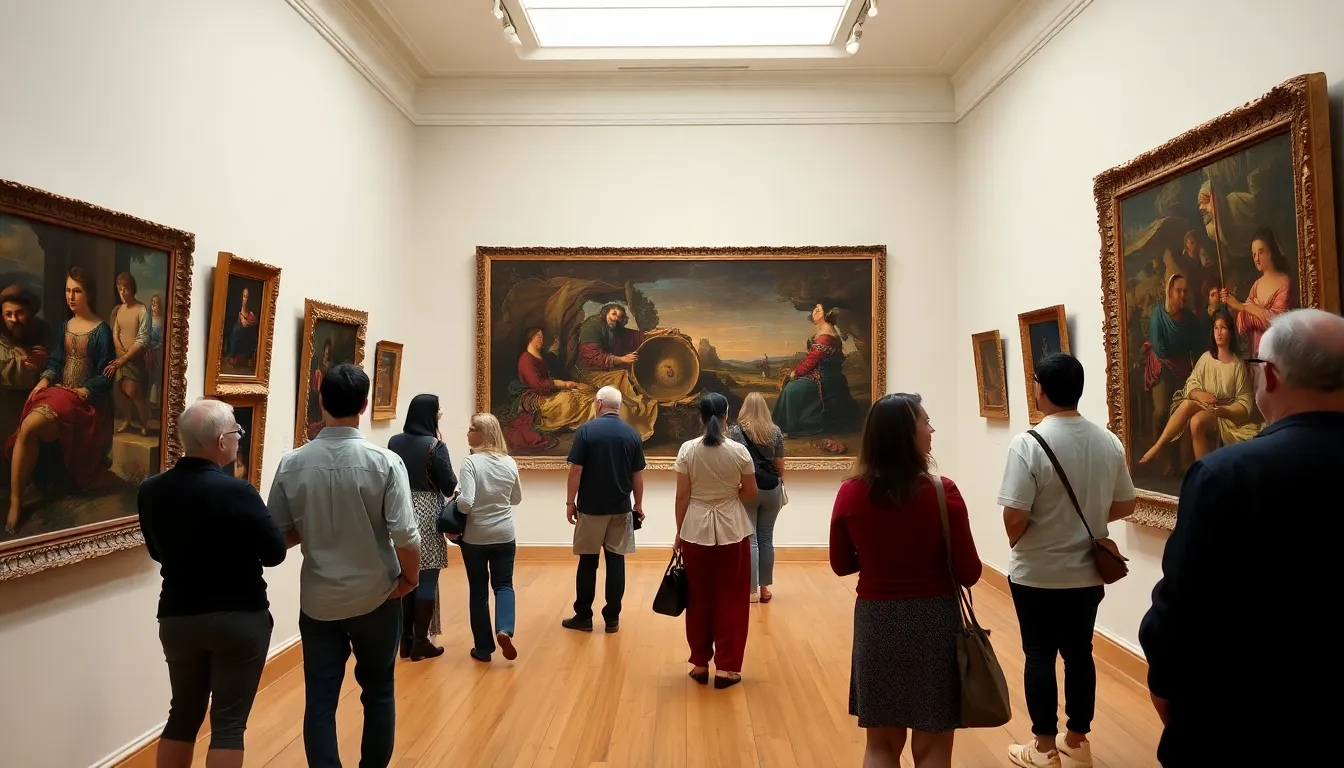
The socio-political landscape of Spain during Zurbarán’s lifetime was shaped by the Catholic Church’s significant influence. The church sought to use art as a means of conveying religious messages and reinforcing its authority. Zurbarán’s paintings, with their dramatic use of light and shadow, served this purpose effectively, appealing to the viewer’s emotions and inviting contemplation of spiritual themes. His ability to convey ecstatic visions and a sense of the sublime made his work particularly resonant in a society grappling with the complexities of faith and devotion.
The Artistic Techniques and Themes
Zurbarán’s distinctive style, characterized by a stark realism and a focus on the physicality of his subjects, set him apart from his contemporaries. He often employed a limited color palette and a meticulous approach to texture, which contributed to the vividness of his representations. His choice of subjects, such as monks, martyrs, and biblical figures, was not merely a reflection of personal piety but also a response to the broader cultural context of his time, where art was a vehicle for religious expression and societal values.
Key milestones in Zurbarán’s career include his early works in Seville, where he gained recognition for his ability to depict the human form with a sense of realism that was both reverent and intimate. His later commissions for monasteries and churches further solidified his reputation as a master of religious painting. The interplay between his artistic vision and the socio-political milieu of 17th-century Spain created a unique environment that allowed his work to flourish and resonate with audiences then and now.
Analyzing the key themes and techniques in Zurbarán’s work
Francisco de Zurbarán, a prominent Spanish painter of the Baroque period, has garnered attention for his unique blend of ecstatic visions and primitive surrealism. His works often depict religious themes, and his mastery of light and shadow creates a dramatic effect that captivates audiences. Key stakeholders in the appreciation and critique of Zurbarán’s art include art historians, museum curators, collectors, and the general public, each with varying interests in his oeuvre.
Art historians are primarily concerned with the historical context of Zurbarán’s work, analyzing how his techniques reflect the socio-political climate of 17th-century Spain. They may emphasize the spiritual and emotional depth of his paintings, which often serve as a commentary on faith and devotion. In contrast, museum curators focus on the preservation and exhibition of his works, striving to present them in a way that highlights their significance while also engaging contemporary audiences.
Collectors, on the other hand, are driven by economic interests, seeking to acquire pieces that not only represent artistic value but also promise appreciation over time. This can lead to conflicts between the desire for private ownership and the public’s right to access cultural heritage. The trade-offs between conservation efforts and the commercialization of art can create tension within the art community, raising questions about the ethical implications of ownership and display.
- Historical Context: Understanding Zurbarán’s work in relation to the Baroque period and its themes of spirituality.
- Preservation vs. Commercialization: The balance between maintaining artworks for public appreciation and the financial motivations of private collectors.
- Public Engagement: The role of exhibitions in making Zurbarán’s art accessible to a broader audience, enhancing cultural appreciation.
- Artistic Techniques: Analyzing the unique techniques employed by Zurbarán that contribute to his distinct style and thematic depth.
- Global Influence: The impact of Zurbarán’s work on contemporary artists and movements, reflecting his lasting legacy in the art world.
As these stakeholders navigate their interests, it is essential to consider how their actions shape the narrative around Zurbarán’s legacy. The ongoing dialogue about his work continues to evolve, reflecting broader trends in art appreciation and cultural discourse.
The impact of Zurbarán’s art on contemporary audiences
This renewed interest can stimulate the art market, particularly in regions where his works are showcased.
In the short term, the exposure from the review can lead to increased attendance at exhibitions featuring Zurbarán’s art. Museums and galleries may experience a surge in visitors, leading to higher revenue from ticket sales and merchandise. Additionally, educational programs focused on Zurbarán’s techniques and themes can enhance learning experiences for students and art lovers alike.
However, there are risks associated with this newfound interest. The potential for over-commercialization of Zurbarán’s work may dilute its artistic value, leading to a focus on profit rather than appreciation. Furthermore, as more institutions seek to capitalize on this trend, there could be a strain on resources, resulting in a decline in the quality of exhibitions and educational content.
In the mid-term, the impact on the art market could create opportunities for collaboration between artists, curators, and scholars. This could lead to innovative projects that explore the intersections of Zurbarán’s work with contemporary themes, fostering a richer dialogue within the art community. Additionally, regions that host significant exhibitions may see economic benefits from increased tourism.
- Increased museum attendance and revenue.
- Opportunities for educational programs and workshops.
- Potential for collaborative artistic projects.
- Risks of over-commercialization and resource strain.
A: Zurbarán’s paintings often explore themes of spirituality, realism, and the human condition, showcasing a blend of ecstatic visions and everyday life. A: His use of dramatic lighting and unusual compositions creates a dreamlike quality that can be interpreted as primitive surrealism. A: Zurbarán’s techniques and thematic choices have inspired many contemporary artists, encouraging a deeper exploration of emotional and spiritual subjects. A: Many of Zurbarán’s paintings are housed in major museums around the world, including the Museo del Prado in Spain and the National Gallery in London. A: His meticulous attention to detail in fabric and texture, especially in loincloths, showcases his skill and adds depth to his figures.
Frequently asked questions about Zurbarán’s art
Key takeaways and future insights on Zurbarán’s legacy
Zurbarán’s work continues to resonate in contemporary art, offering profound insights into the interplay of spirituality and materiality. His unique approach to realism, combined with surreal elements, invites viewers to explore deeper meanings behind visual representations. As art movements evolve, the influence of Zurbarán’s techniques and themes will likely inspire future artists to blend traditional and modern expressions.
Moreover, the meticulous detail in Zurbarán’s depictions, especially in his portrayal of fabric and texture, underscores the importance of craftsmanship in art. This emphasis on technique may encourage a renewed appreciation for traditional methods in an age dominated by digital creation.
- Zurbarán’s blending of realism and surrealism may inspire future artists to explore similar thematic juxtapositions.
- The ongoing relevance of craftsmanship in art could lead to a revival of traditional techniques among contemporary creators.
- Art institutions may increasingly focus on Zurbarán’s work as a case study for the intersection of spirituality and visual representation.
- Collectors and curators might seek to highlight Zurbarán’s pieces in exhibitions that explore the evolution of religious and surreal themes in art.
- Future scholarship may delve deeper into the socio-political contexts of Zurbarán’s work, revealing new interpretations and insights.