


The injury, which has not been fully detailed, has raised concerns about Draper’s fitness ahead of the French Open later this month. Competing in Madrid, scheduled from May 1 to May 14, and Rome, from May 15 to May 21, are crucial opportunities for players to gain momentum and ranking points on clay courts, as referenced in Raducanu’s withdrawal.
Draper, currently ranked in the top 50, has shown promise this season, but this setback could affect his standing as he aims to solidify his position among the elite in men’s tennis. The absence from these key tournaments not only hampers his immediate goals but also poses questions about his readiness for the Grand Slam event in Paris.
Fans and analysts alike are now left to speculate on the extent of Draper’s injury and the timeline for his recovery. As the tennis calendar intensifies, his return will be closely monitored as he seeks to reclaim his form and compete at the highest level once again.
Understanding the significance of Madrid and Rome tournaments
The Madrid and Rome tournaments, part of the ATP and WTA tours, are crucial events in the professional tennis calendar. These tournaments not only offer significant ranking points but also serve as vital preparation for the French Open, the second Grand Slam of the year. Historically, both events attract the world’s top players, making them highly competitive and pivotal for player momentum leading into the clay season.
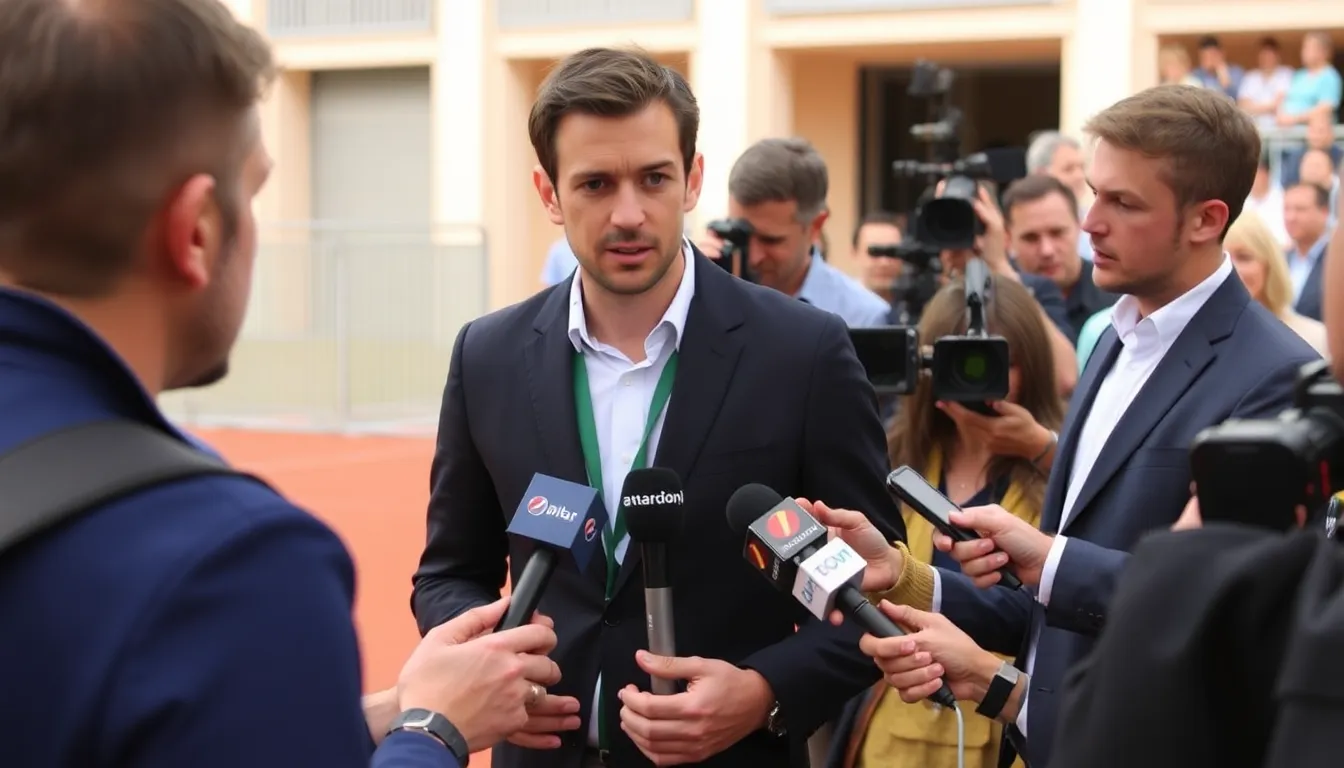
Injuries in professional sports are an unfortunate reality, and for players like Draper, the timing of such setbacks can be particularly detrimental. The Madrid Open, established in 2002, and the Italian Open, dating back to 1930, have seen numerous players struggle with injuries as they navigate the physically demanding clay courts, often similar to the challenges faced by teams adapting to fixture congestion.
Jack Draper, a rising star in tennis, has faced a series of physical challenges in his young career. His absence from these prestigious tournaments is a significant blow, not only to his personal aspirations but also to the broader narrative of young talent emerging in the sport. Injuries have historically affected many promising players, shaping their careers in unexpected ways. For instance, the likes of Juan Martín del Potro and Andy Murray have had their trajectories altered due to injuries, highlighting the unpredictable nature of professional sports.
The Impact of Injuries on Player Development
Injuries can stall the progress of young athletes, forcing them to miss critical opportunities to gain experience and exposure on big stages. For Draper, missing the Madrid and Rome tournaments means he will lose out on valuable match play against top-ranked opponents, which is essential for honing skills and building resilience. The psychological effects of injuries can also weigh heavily, as players must contend with the pressure to return to form while managing their physical health.
Key implications for Draper’s career and rankings
The recent injury to rising tennis star Jack Draper has sent shockwaves through the professional tennis community, particularly as he is set to miss significant tournaments in Madrid and Rome. This absence not only impacts Draper’s immediate career trajectory but also raises questions about his long-term potential in the sport.
Key stakeholders in this situation include Draper himself, his coaching team, the ATP (Association of Tennis Professionals), and his sponsors. Each of these parties has vested interests in Draper’s performance and recovery. For Draper, the priority is to recover fully and return to competitive form without risking further injury. His coaching team will be focused on ensuring that he has the right rehabilitation plan in place to facilitate a successful comeback.
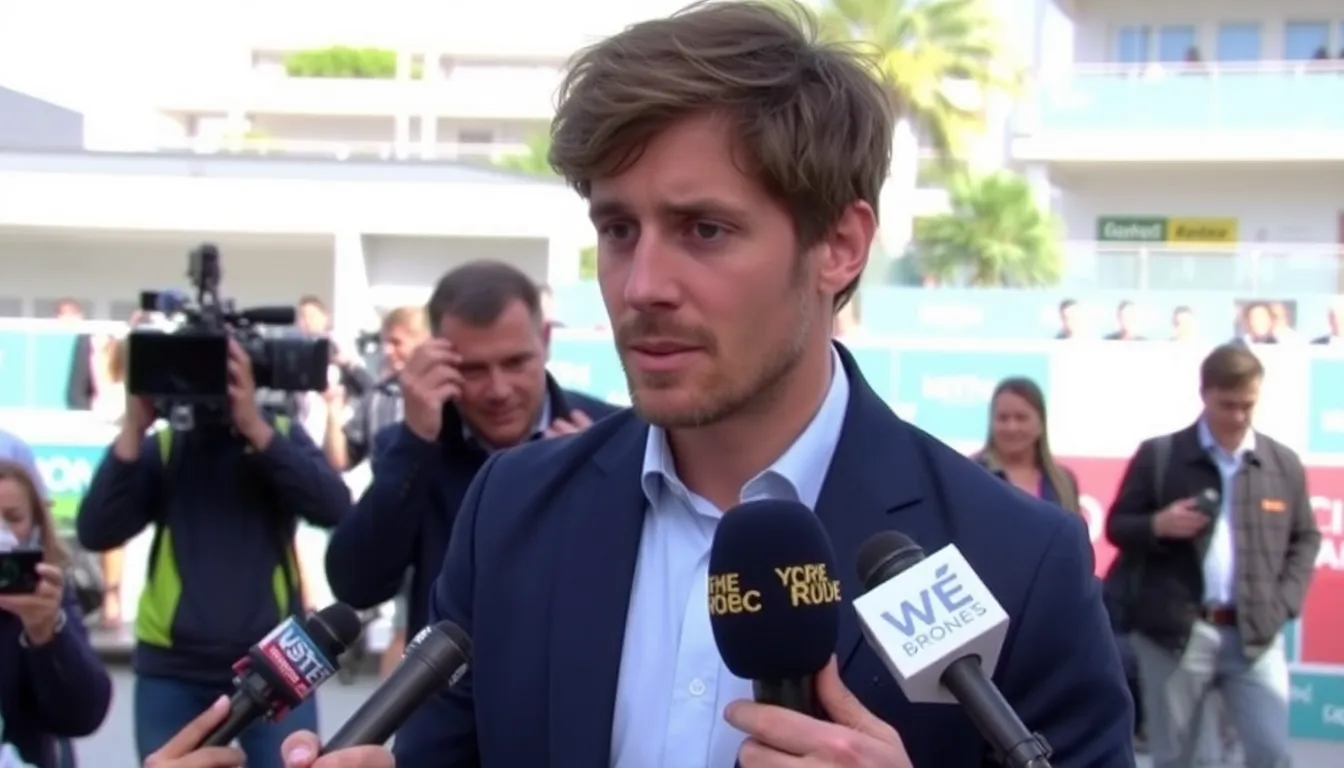
The ATP, as the governing body of men’s professional tennis, has a stake in maintaining a competitive field, which includes top players like Draper. His absence from key tournaments could affect the overall draw and fan engagement, potentially leading to economic implications for the events. Sponsors, on the other hand, are concerned about the visibility and marketability of their investments, as Draper’s performance directly influences his brand value.
- Injury Management: The need for a careful rehabilitation process to avoid long-term damage.
- Ranking Impact: Missing high-stakes tournaments could result in a drop in ATP rankings, affecting future seedings.
- Financial Considerations: Potential loss of sponsorship revenue during his recovery period.
- Fan Engagement: The effect of his absence on fan interest and attendance at upcoming tournaments.
- Future Competitions: Uncertainty about his readiness for the upcoming Grand Slam events.
As Draper navigates this challenging period, the interplay between these stakeholders highlights the complexities of professional sports, where personal health, competitive success, and economic factors are often intertwined. The decisions made in the coming weeks will be crucial for his career and the broader tennis landscape.
How Draper’s absence affects the tournament landscape
The withdrawal of Draper from the upcoming Madrid and Rome tournaments sends ripples through various sectors, primarily affecting the tennis community, fans, and sponsors. As a rising star in the sport, Draper’s absence not only impacts the competitive field but also alters the dynamics of fan engagement and ticket sales, reminiscent of changes brought about by events like new developments in sports technology.
In the short term, fans who anticipated watching Draper’s matches will feel disappointed, potentially leading to decreased attendance and viewership for these events. This could impact local businesses in Madrid and Rome that rely on tournament visitors, such as hotels, restaurants, and retailers. The immediate loss of ticket sales for Draper’s matches could also affect tournament revenues.
In the mid-term, sponsors and advertisers may reassess their strategies, particularly if Draper’s absence leads to lower viewer ratings. Brands that associated themselves with Draper may seek to pivot their marketing efforts towards other players, which could shift sponsorship dynamics within the sport. However, this situation may also present opportunities for lesser-known players to step into the spotlight, potentially gaining new sponsorship deals and fan bases.
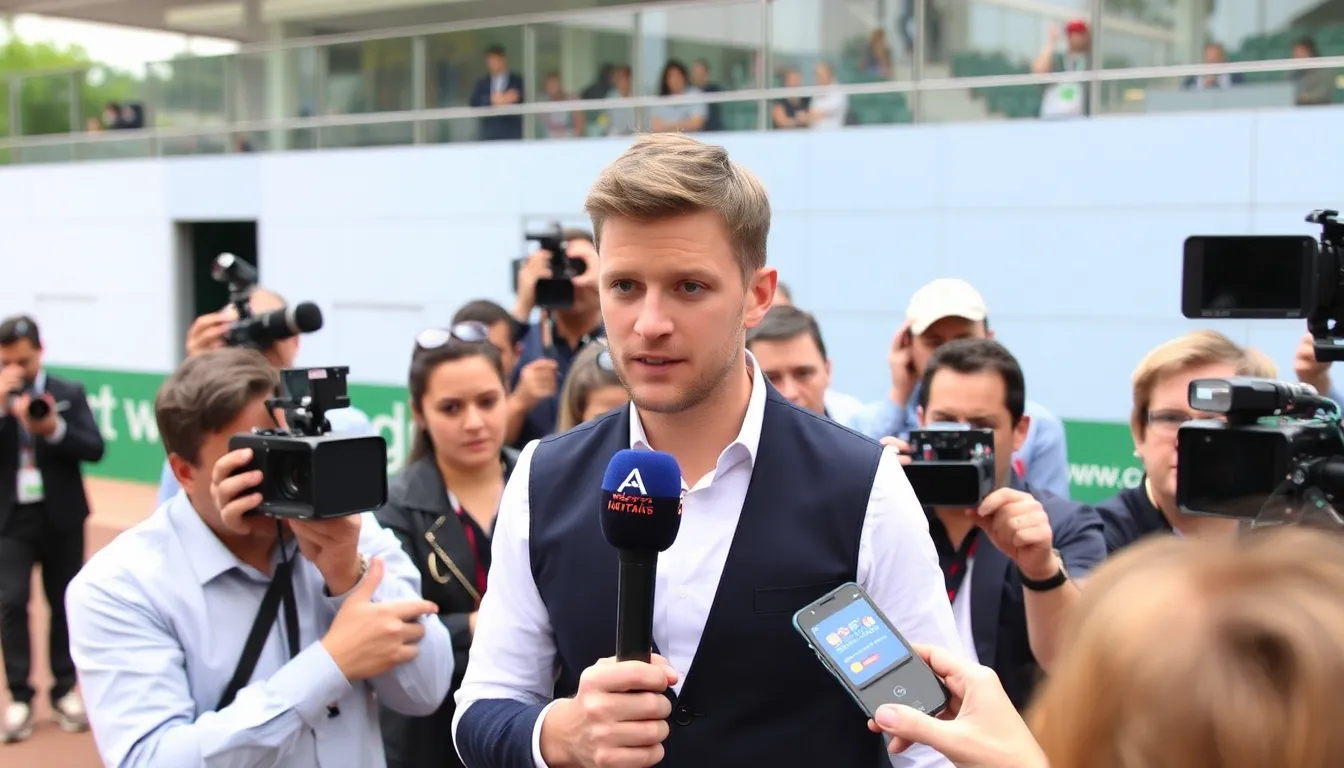
- Local businesses: Decreased foot traffic and sales during the tournaments.
- Sponsors: Reevaluation of marketing strategies and potential shifts in focus.
- Players: Opportunity for emerging talent to gain visibility and sponsorship.
Moreover, Draper’s absence raises questions about the impact on his future career trajectory. If he can recover quickly, he may come back stronger, but the risk of long-term injury could alter his performance and marketability. This uncertainty may influence how fans and sponsors perceive him in the future, as they weigh the potential risks against the opportunities for new talent to emerge in his absence.
A: Draper is dealing with a significant injury that has not been fully disclosed, but it has been serious enough to require him to withdraw from upcoming tournaments. A: Missing these tournaments could lead to a drop in Draper’s ranking, as he will not earn points during this crucial period. A: While there is no official timeline for his return, it is hoped that he will recover in time for the grass-court season. A: The tournament organizers will announce a replacement player shortly, as is standard procedure when a player withdraws. A: Before his injury, Draper had shown promising form, with several strong performances that raised expectations for his upcoming tournaments.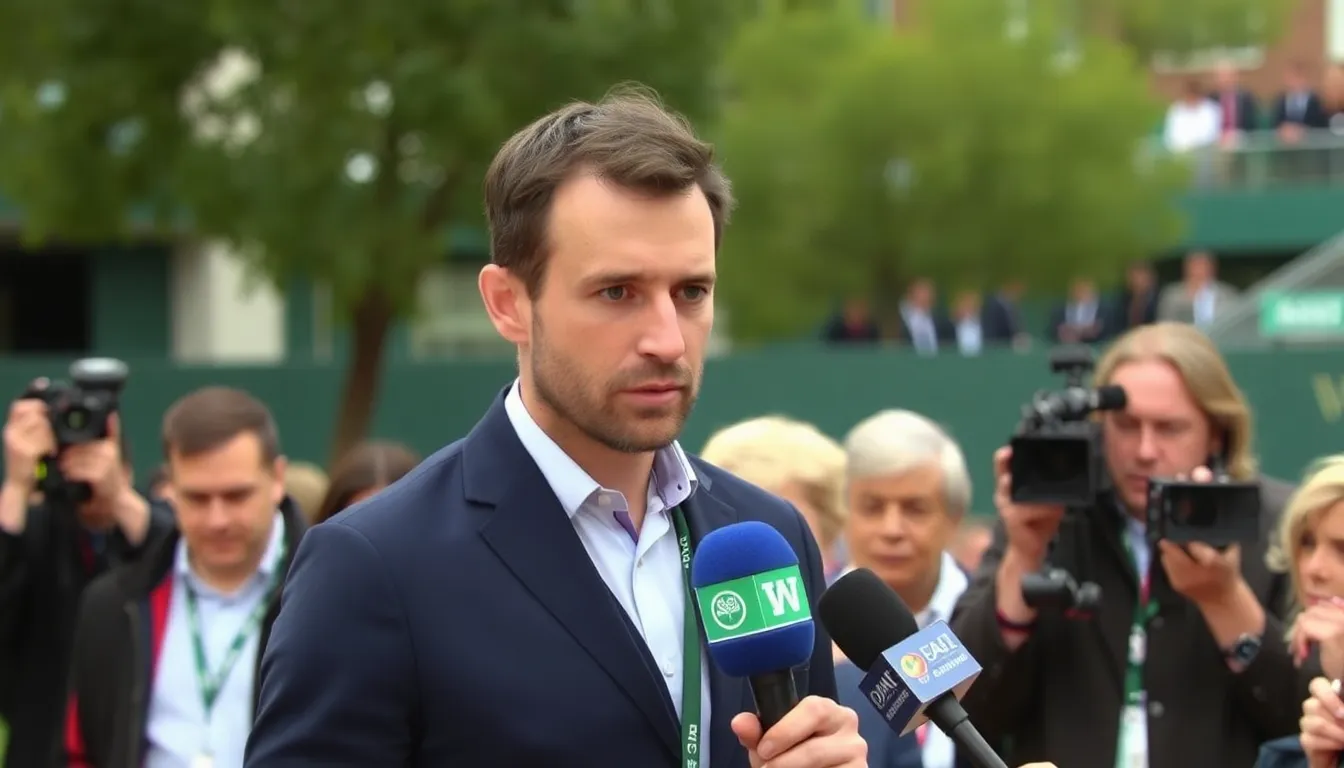
Frequently asked questions about Draper’s injury
Looking ahead: What this means for Draper’s future
As Draper prepares to miss the upcoming Madrid and Rome tournaments due to injury, the implications for his season and overall career trajectory become more pronounced. This absence may hinder his momentum and affect his ranking, but it also presents an opportunity for recovery and strategic planning. The focus will now shift to his rehabilitation and readiness for the subsequent tournaments, where he can potentially regain his form.
Monitoring Draper’s recovery process will be crucial in the coming weeks. His performance upon return will not only affect his immediate standing but also shape his long-term prospects in the competitive landscape of professional tennis. Fans and analysts alike will be keen to see how he adapts after this setback.
- Watch for updates on Draper’s rehabilitation progress and any changes to his training regimen.
- Evaluate the impact of his absence on his ranking and seedings in future tournaments.
- Consider how this injury might influence his performance in the later part of the season.
- Keep an eye on the reactions from the tennis community regarding his potential comeback.
- Assess the strategies Draper and his team might implement to ensure a successful return to the circuit.