


This congestion has been exacerbated by the recent international break, which saw several players representing their national teams. Consequently, City’s squad is experiencing fatigue, and the risk of injuries is increasing as they prepare for crucial encounters in the league and the UEFA Champions League.
Upcoming fixtures include a pivotal league match against Liverpool on October 28, followed by a Champions League clash with RB Leipzig just three days later. The team will also have to navigate the busy November schedule, which features multiple games in quick succession, further straining their resources and escalating concerns about player fatigue.
Manager Pep Guardiola has expressed his concerns regarding the impact of this fixture pile-up on player performance and overall team morale. With the club’s ambitions to compete on multiple fronts, the ability to effectively manage player fitness and rotation will be critical in the coming weeks.
Understanding the background of fixture scheduling in football
Fixture scheduling in football has long been a contentious issue, particularly for clubs competing in multiple competitions. The increasing number of tournaments, including domestic leagues, domestic cups, and European competitions, has resulted in a congested calendar that often leaves teams struggling to manage player fatigue and injuries. This situation has been exacerbated by the global pandemic, which forced leagues to adapt their schedules, leading to a backlog of matches.
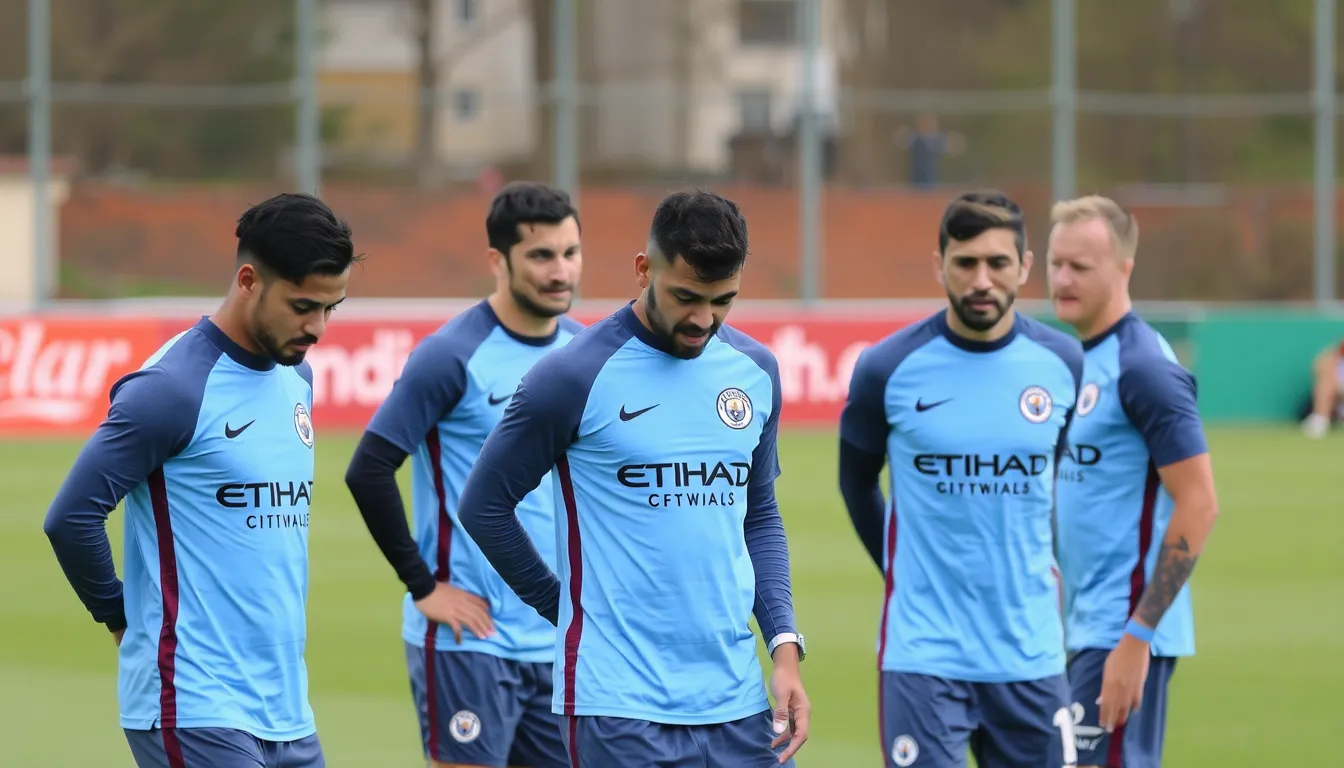
Historically, football fixtures were more straightforward, with clubs typically participating in a single league and a couple of cup competitions. However, the commercialization of the sport and the rise of international tournaments have led to an expanded calendar. The introduction of the UEFA Champions League in 1992 marked a significant turning point, as it allowed clubs to compete at a higher level but also added pressure on their schedules.
In recent years, the issue of fixture congestion has become more pronounced, particularly for elite clubs like Manchester City, who often find themselves competing on multiple fronts. The club’s success in domestic and European competitions means they frequently face a demanding schedule, which can lead to player burnout and impact overall performance. This has raised questions about the fairness of current scheduling practices and the need for reforms.
The impact of international breaks
International breaks further complicate fixture scheduling, as they disrupt club commitments and can lead to players returning from international duty fatigued or injured. These breaks often result in a backlog of fixtures, especially during crucial parts of the season. For clubs like Manchester City, which boasts a squad filled with international talent, the cumulative effect of these breaks can be particularly frustrating, leading to increased risk of injuries.
Key issues surrounding fixture congestion for Manchester City
Manchester City, one of the premier clubs in English football, finds itself grappling with the challenges posed by a congested fixture schedule. This issue not only impacts the team’s performance on the pitch but also raises concerns among various stakeholders including players, management, fans, and governing bodies.
At the heart of the matter are the players, whose physical and mental well-being is at stake. The increased number of matches can lead to fatigue and a higher risk of injuries, which ultimately affects the team’s competitiveness. Additionally, the management team must navigate these challenges while maintaining squad morale and performance levels.

Another critical actor in this scenario is the Premier League and its governing bodies, which face pressure to balance commercial interests with the welfare of players. The lucrative broadcasting deals and sponsorships tied to match schedules often take precedence, leading to a conflict between financial gains and the sporting integrity of the league.
Moreover, fans play a vital role in this equation, as fixture congestion can lead to increased travel costs and scheduling conflicts, impacting attendance and overall fan engagement. The emotional investment of supporters is significant, and their frustrations can lead to broader discussions about the sustainability of the current football calendar.
- Player Welfare: Increased risk of injuries and fatigue due to tight schedules.
- Commercial Pressures: Financial incentives for clubs and leagues to maximize match days.
- Fan Engagement: Potential decline in attendance and support due to scheduling conflicts.
- Competitive Fairness: Unequal advantages for teams with deeper squads.
- Regulatory Scrutiny: Possible interventions from governing bodies to address concerns.
The impact of fixture pile-up on players and team performance
The recent fixture pile-up faced by Manchester City has significant repercussions not only for the team but also for various stakeholders, including players, fans, and local businesses. The congested schedule can lead to player fatigue and increased risk of injuries, which can affect team performance on the pitch. This situation creates a ripple effect that extends beyond the football field.
Fans are directly impacted as well, as rescheduled matches may clash with personal commitments or travel plans, leading to frustration and disappointment. For local businesses, particularly those reliant on match-day revenues, a disrupted schedule can mean fluctuating income and uncertainty. The hospitality industry, including restaurants and hotels, may see a decline in bookings if match attendance is affected.

- Players: Increased risk of injuries and burnout.
- Fans: Disruption of plans and potential loss of interest.
- Local businesses: Unpredictable revenue streams and operational challenges.
In the mid-term, the implications of fixture congestion could prompt a reevaluation of scheduling practices within the league. This may lead to policy changes aimed at better managing player workloads and improving overall team performance. Alternatively, teams may be forced to adapt by developing deeper squads, which could create opportunities for younger players to gain experience.
While the immediate risks are evident, there are potential opportunities as well. Clubs may innovate in training and recovery techniques to mitigate the effects of a packed schedule. Additionally, this situation could foster greater community support as fans rally behind their teams, potentially enhancing loyalty and engagement in the long run.
A: The fixture pile-up is primarily due to overlapping domestic and international competitions, including league matches and cup tournaments. This has resulted in a congested schedule that is difficult to manage. A: Fixture congestion can lead to player fatigue and increased risk of injuries, as players are required to perform at high levels with less recovery time. This can impact overall team performance and results. A: Possible measures include rescheduling certain matches, increasing squad rotation, and ensuring better communication between leagues and governing bodies to create a more balanced fixture calendar. A: Yes, Manchester City has previously raised concerns regarding fixture congestion, particularly during busy periods of the season, as it affects their ability to compete effectively. A: Long-term effects may include diminished player performance, higher injury rates, and potential burnout among key players, which could hinder the team’s success in both domestic and international competitions.
Frequently asked questions about fixture congestion
Outlook on Manchester City’s situation and future fixtures
Manchester City’s current predicament with a congested fixture schedule highlights the challenges elite clubs face in balancing domestic and international commitments. As they navigate through a series of crucial matches, the impact on player fitness and performance becomes increasingly significant. The club must strategize effectively to ensure they maintain their competitive edge while mitigating the risk of injuries and fatigue.
Looking ahead, the management’s decisions regarding squad rotation and tactical adjustments will be pivotal. Observing how City adapts to this demanding schedule will provide insights into their resilience and depth as they aim for success on multiple fronts.
- Monitor player rotation strategies to prevent injuries and burnout.
- Watch for tactical changes in key matches as a response to fixture congestion.
- Evaluate the impact of fixture pile-up on their performance in domestic vs. European competitions.
- Consider the psychological effects on players dealing with a packed schedule.
- Assess the potential need for squad reinforcements in the January transfer window.