


The tariffs, which were initially implemented in 2018, aimed to protect American manufacturers by taxing foreign imports. However, GM has argued that these tariffs have adversely affected its operations and profitability. With the anticipated refund, the company hopes to alleviate some of the financial pressures it has faced in recent years.
This refund could significantly enhance GM’s earnings forecast, providing the company with additional resources to invest in electric vehicle development and other strategic initiatives. Analysts suggest that the influx of funds may also improve investor confidence in GM’s long-term growth prospects.
As GM navigates a rapidly changing automotive landscape, the resolution of tariff-related issues underscores the ongoing impact of trade policies on major corporations. The outcome of this situation may influence not only GM’s financial health but also the broader industry as it adapts to evolving market conditions.
Understanding the background of the Trump tariffs
The Trump administration implemented a series of tariffs on imported steel and aluminum in 2018, citing national security concerns under Section 232 of the Trade Expansion Act of 1962. This move was part of a broader strategy to revitalize American manufacturing and protect domestic industries from foreign competition. The tariffs, which imposed a 25% duty on steel and a 10% duty on aluminum, were met with widespread criticism from various sectors, including automotive manufacturers like General Motors (GM), who argued that the increased costs would ultimately be passed on to consumers.

As trade tensions escalated, GM and other automakers sought exemptions from the tariffs, arguing that they relied heavily on imported metals to produce vehicles. The company highlighted that the tariffs would hinder its competitiveness against foreign manufacturers that were not subject to the same duties. In response to these concerns, the U.S. government established a process through which companies could apply for tariff exclusions, but the process was often seen as cumbersome and inconsistent.
Recently, GM announced that it expects to receive a refund of approximately $500 million related to these tariffs, a development that has significant implications for its financial outlook, particularly as it looks ahead to its 2026 earnings projections.
The Impact of Tariffs on the Automotive Industry
The automotive industry has been one of the most affected sectors by the Trump tariffs, with many manufacturers facing increased production costs. For GM, the potential refund represents not only a financial boon but also a vindication of its long-standing position against the tariffs. As the company prepares to capitalize on this unexpected windfall, it underscores the broader implications of trade policy on the economic landscape and the importance of navigating international trade relationships in an increasingly complex global market.
Analyzing the implications for GM and the automotive industry
General Motors (GM) is set to receive a significant financial boost, with expectations of a $500 million refund from tariffs imposed during the Trump administration, potentially influencing the broader automotive industry and its stakeholders, including those interested in economic relationships.
The primary actors in this scenario include GM, the U.S. government, and consumers. GM’s interest lies in improving its financial performance and maintaining competitiveness in a rapidly evolving market. The government, on the other hand, is focused on trade policies that support domestic manufacturing while balancing international relations.
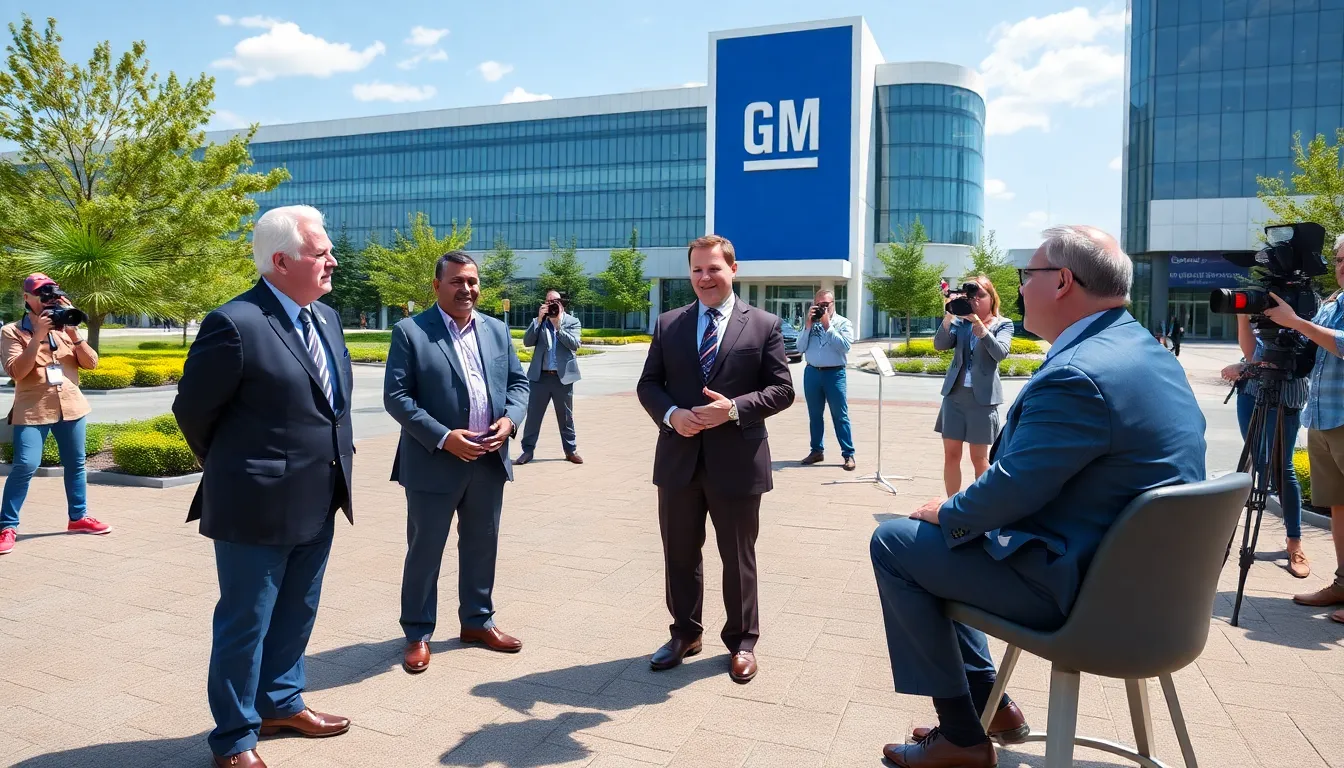
There are several key issues that arise from this situation:
- Legal Challenges: The refund is a result of legal battles over the tariffs, highlighting the complexities of trade law and the potential for future disputes.
- Economic Impact: The influx of funds could allow GM to invest in new technologies and electric vehicles, aligning with industry trends towards sustainability.
- Market Dynamics: A stronger GM could shift market dynamics, affecting competitors who may not benefit from similar refunds or financial support.
- Consumer Prices: The resolution of tariff issues may influence vehicle pricing, potentially benefiting consumers if costs decrease.
- Political Ramifications: This situation may also affect political relations, as trade policies are often a contentious topic in U.S. politics.
As GM navigates this financial opportunity, the implications for stakeholders will be significant. The company’s ability to leverage this refund could have far-reaching effects on its strategic direction and the overall health of the automotive sector.
Impact of the tariff refund on GM’s financial health
The anticipated $500 million refund from tariffs imposed during the Trump administration is set to significantly affect General Motors (GM) and its stakeholders. This refund not only improves GM’s financial outlook but also has broader implications for various groups, industries, and regions connected to the automotive sector.
Key groups impacted include GM employees, suppliers, and consumers. Employees may benefit from increased job security and potential wage growth as the company strengthens its financial position. Suppliers could see a ripple effect in demand for parts and services, while consumers might experience more stable vehicle prices as GM’s cost structure improves.
In the short term, GM’s financial boost could lead to increased investments in new technologies and electric vehicles, aligning with the industry’s shift towards sustainability. This could create opportunities for innovation and job creation within the tech and manufacturing sectors. However, there are risks associated with over-reliance on tariff refunds, particularly if future trade policies change.
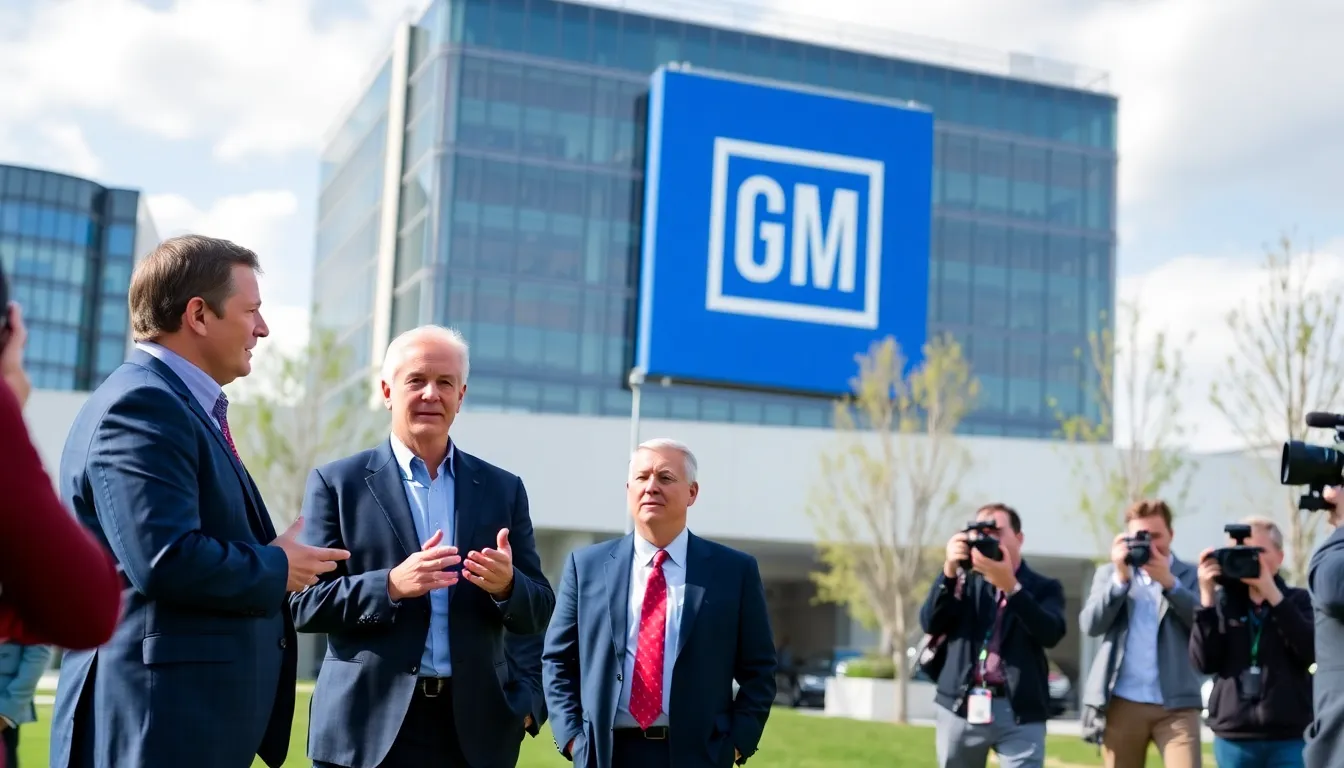
- Short-term impacts: Increased investment in R&D and potential job stability.
- Mid-term impacts: Enhanced competitive positioning in the EV market.
- Risks: Vulnerability to changing trade policies and tariffs.
- Opportunities: Expansion of supplier networks and growth in related industries.
Regions with a strong automotive presence, such as the Midwest, may see localized economic benefits as GM reinvests in its facilities and workforce. Conversely, any shifts in trade policies could create uncertainty, affecting not just GM but the entire automotive supply chain and its associated workers.
A: The $500 million refund is expected to provide a substantial boost to GM’s earnings, allowing the company to invest more in future projects and enhance its financial stability. A: The Trump tariffs imposed additional costs on imported materials, impacting GM’s production expenses and overall profitability during their implementation. A: While the exact timeline for the refund is not specified, GM is optimistic about receiving it in the near future, which will positively influence their financial planning. A: Potential risks include changes in trade policies or legal challenges that could delay or reduce the expected refund amount, impacting GM’s financial projections. A: If the refund is received as anticipated, it could lead to a positive reaction in GM’s stock performance, as investors may view the financial boost favorably.
Frequently asked questions about GM’s tariff refund
Key takeaways and future outlook for GM
General Motors’ anticipation of a $500 million refund from Trump-era tariffs is a significant development that could enhance its financial position heading into 2026. This expected refund not only provides a boost to GM’s earnings outlook but also reflects broader implications for the automotive industry as companies navigate the complexities of trade policies and tariffs. As GM leverages this financial relief, its strategic decisions in production, investment, and pricing could be influenced, potentially reshaping its competitive landscape.
Investors and industry analysts should monitor how GM allocates this newfound capital and the impact on its operational strategies. The recovery from tariffs may also signal a shift in the company’s approach to global markets, particularly as it seeks to innovate and expand its electric vehicle offerings.
- Watch for GM’s strategic investments in electric vehicle technology, which may be accelerated by the tariff refund.
- Monitor changes in GM’s pricing strategies and how they affect market competitiveness, especially in the EV segment.
- Consider the potential for increased shareholder returns as GM’s earnings outlook improves due to the anticipated refund.
- Observe the broader implications for the automotive industry regarding tariff policies and trade relations under the current administration.
- Stay tuned for GM’s updates on production adjustments and operational efficiencies that may arise from this financial boost.