


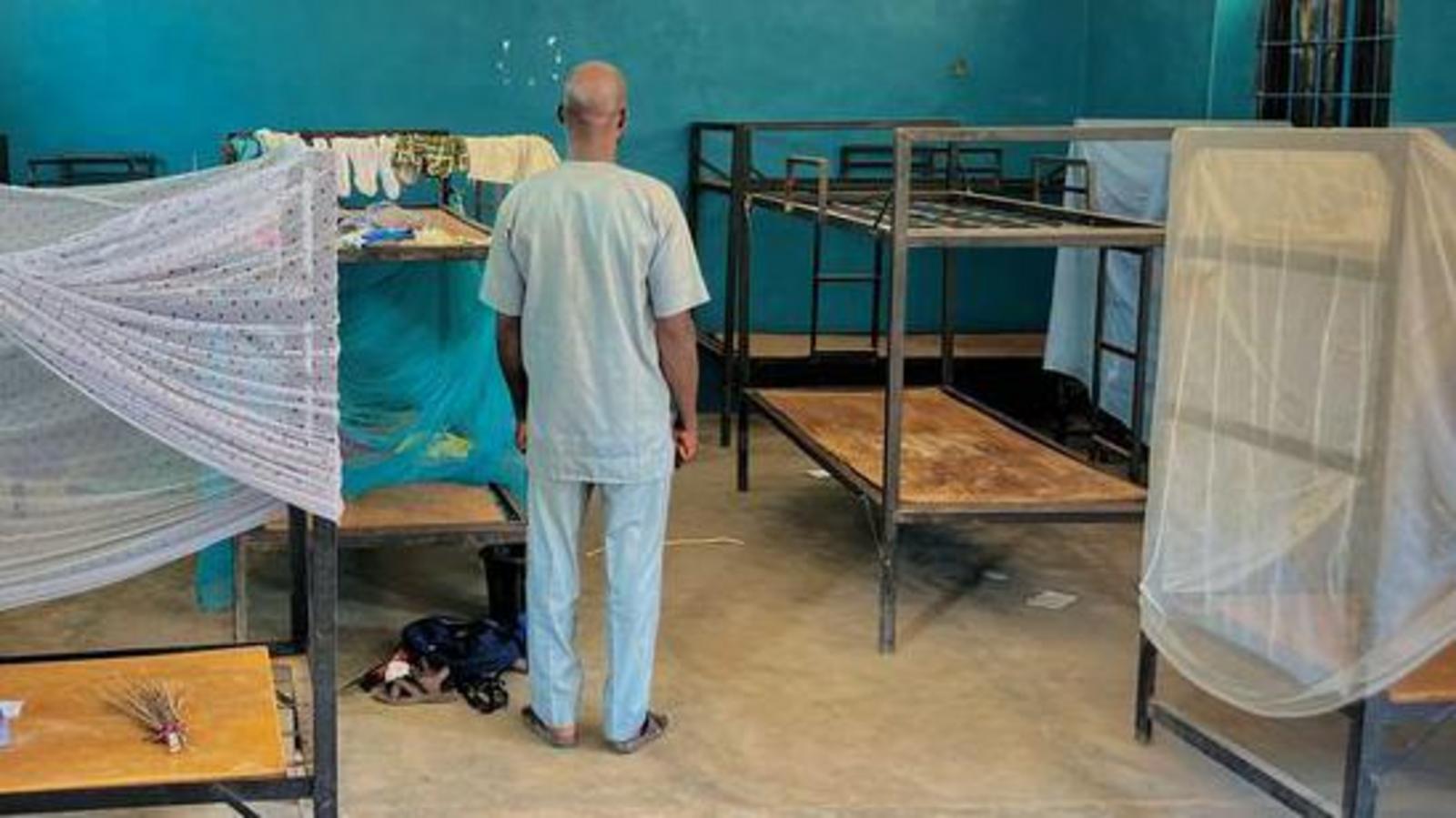
The attack occurred in the early hours of the morning, when the assailants took advantage of inadequate security measures in the area. Local authorities confirmed that at least ten students were taken, prompting an immediate outcry from parents and community leaders who are demanding increased protection for educational institutions, similar to the measures discussed in our article on increasing safety in schools. This incident has reignited fears among parents about sending their children to school.
Since 2020, Nigeria has seen a surge in school kidnappings, with hundreds of students abducted for ransom. The government has faced criticism for its inability to effectively combat this growing menace, which not only jeopardizes the safety of students but also disrupts their education. As families grapple with the emotional toll of these events, the call for more robust security measures and a comprehensive strategy to address the root causes of violence remains urgent.
The international community is also paying attention to the situation, with various human rights organizations urging the Nigerian government to take immediate action to protect children. The psychological impact on survivors and families affected by these kidnappings is profound, raising questions about the long-term implications for education and community stability in the region. As the search for the abducted students continues, the need for a coordinated response to ensure their safe return is paramount.

Understanding the background of school kidnappings in Nigeria
In recent years, Nigeria has witnessed a disturbing trend of school kidnappings, particularly in the northern regions of the country. This alarming phenomenon is rooted in a complex interplay of historical, political, and socio-economic factors that have plagued Nigeria for decades. The rise of militant groups, coupled with widespread poverty and inadequate security measures, has created an environment where such heinous acts have become increasingly prevalent.
The origins of the current wave of school kidnappings can be traced back to the rise of Boko Haram, an Islamist extremist group that emerged in the early 2000s. Initially focused on opposing Western education, Boko Haram’s activities escalated into violent insurgency, leading to numerous attacks on schools and the abduction of students. The 2014 kidnapping of 276 schoolgirls from Chibok brought international attention to the issue and highlighted the vulnerabilities of educational institutions in conflict-affected areas, underscoring the importance of security reforms in preventing such tragedies.
In addition to Boko Haram, other criminal elements have exploited the chaos and insecurity in the region. Kidnapping for ransom has become a lucrative business for various armed groups, with schools often targeted due to their perceived lack of security. This has instilled fear in parents and students alike, leading to decreased school attendance and a significant disruption of education in affected areas.
The socio-economic impact of insecurity
The socio-economic ramifications of these kidnappings are profound. Many families, already struggling with poverty, find themselves further burdened by the costs associated with ransoms and the loss of educational opportunities for their children. The Nigerian government has faced criticism for its inability to effectively address the security challenges, leading to calls for reform and increased investment in education and safety measures, similar to those outlined in discussions about improving community safety. As the cycle of violence continues, the future of Nigeria’s youth hangs in the balance, with education being a critical factor in the nation’s development.

Examining the stakeholders involved in the Nigerian kidnapping crisis
The recent kidnapping of schoolchildren in Nigeria has highlighted a complex web of stakeholders, each with their own interests and concerns. At the forefront are the families of the victims, who are grappling with trauma and loss, as exemplified by the heart-wrenching account of a father witnessing the abduction of his son. Their primary interest lies in the safe return of their children and the assurance of their future safety.
Another crucial actor in this scenario is the Nigerian government, which faces immense pressure to respond effectively to the ongoing security crisis. The government’s interests include restoring public confidence, maintaining law and order, and addressing the underlying issues of poverty and lack of education that contribute to such incidents. However, the government’s response has often been criticized as inadequate, leading to a cycle of mistrust between the authorities and the citizens.
In addition to families and the government, non-governmental organizations (NGOs) play a significant role in this crisis. Many NGOs focus on children’s rights, education, and community safety, advocating for better policies and support systems to prevent future kidnappings. Their interests are aligned with those of the families, but they also face challenges in mobilizing resources and influencing government action amidst a backdrop of political instability.
- Security Forces: Tasked with combating kidnapping and ensuring public safety, they face criticism for their effectiveness and resource allocation.
- Local Communities: Often caught in the crossfire, they seek stability and protection while dealing with the economic impacts of violence.
- International Organizations: Engaged in humanitarian efforts, they aim to provide support but must navigate the complexities of local governance and security issues.
Moreover, the economic implications of the kidnapping crisis cannot be overlooked. The fear generated by such incidents can deter investment and tourism, further exacerbating the economic challenges faced by local communities. This creates a trade-off between immediate security measures and long-term economic development strategies that need to be addressed by all stakeholders involved.

The impact of school kidnappings on families and communities
The recent school kidnapping in Nigeria has left families shattered and communities in fear. Parents, like the father who witnessed the abduction of his son, are grappling with the trauma of losing their children to violence. This incident not only affects the immediate families involved but also resonates throughout the community, instilling a sense of vulnerability and insecurity.
In the short term, the impact on daily life is profound. Parents may become overly protective, choosing to keep their children at home rather than risk sending them to school. This leads to disruptions in education, with children missing critical learning opportunities. Businesses in the vicinity of schools may also suffer as foot traffic decreases, affecting local economies.
In the mid-term, there could be significant changes in policy as the government and educational institutions respond to the crisis. Increased security measures, such as armed guards at schools and enhanced surveillance, may be implemented. While these measures aim to protect students, they could also lead to a militarized environment that may not be conducive to learning.
- Heightened fear and anxiety among parents and children.
- Potential decline in school enrollment and attendance.
- Economic strain on local businesses due to reduced community activity.
- Increased government spending on security measures.
Despite the risks, there may also be opportunities for community solidarity and advocacy. Grassroots movements may emerge, pushing for better safety protocols and government accountability. Additionally, businesses that provide security solutions could see increased demand, potentially leading to innovation in safety technologies tailored for educational environments.
A: The Nigerian government is implementing various security protocols, including increased police presence around schools and community engagement initiatives to protect students. A: Kidnappings for ransom have become increasingly common in Nigeria, particularly in northern regions, with numerous incidents reported over the past few years. A: Parents are advised to stay informed about local security situations, engage with school authorities, and participate in community safety programs. A: Yes, various NGOs and government agencies provide psychological support and resources for families affected by such traumatic events. A: The international community has expressed concern and is urging the Nigerian government to take stronger actions to ensure the safety of children in schools.
Frequently asked questions about school kidnappings in Nigeria
Key points and future outlook on school safety in Nigeria
The recent kidnapping incident highlights the ongoing security challenges faced by educational institutions in Nigeria. As families grapple with the trauma of such events, it becomes increasingly clear that immediate and long-term strategies are required to enhance the safety of schools. This situation underscores the urgent need for collaboration among government, security forces, and local communities to create a safer environment for students.
Looking ahead, it is essential to monitor the effectiveness of proposed security measures and community engagement initiatives. The response to this crisis will likely shape future policies and influence public perception of safety in educational settings.
- Increased security measures: Schools may implement more robust security protocols, including surveillance systems and trained personnel.
- Community involvement: Engaging local communities in safety initiatives can foster a collaborative approach to preventing future incidents.
- Government accountability: There may be heightened scrutiny on government actions and policies aimed at protecting schools and ensuring student safety.
- Support for affected families: Providing psychological and financial support for families impacted by such tragedies will be crucial in the healing process.
- Awareness campaigns: Increasing awareness about the risks and safety measures can empower parents and students to advocate for their own protection.