


The claimants, representing communities affected by pollution, argue that the company’s activities have led to widespread contamination of land and water sources. They are seeking compensation for the environmental damage and health issues that have arisen as a result. The hearing is scheduled to begin on November 15, 2023, and is expected to draw considerable public and media attention. This case is reminiscent of previous claims, such as the sewage spill in Potomac, where communities faced similar challenges.
This legal battle underscores the growing concern over corporate environmental practices and the impact of industrial activities on communities. As more individuals and groups take legal action against companies for environmental harm, the outcome of this case could influence future claims and regulatory policies in the UK. The implications of the ruling could resonate far beyond this specific case, affecting how businesses approach environmental responsibilities, much like the recent findings on school conditions in England.
Furthermore, the case highlights the increasing importance of environmental justice, as affected communities seek to hold corporations accountable for their actions. With climate change and pollution becoming pressing global issues, this claim reflects a broader movement towards demanding corporate transparency and sustainability. The High Court’s decision may serve as a critical turning point in the fight for environmental protection in the UK, potentially paralleling efforts discussed in contemporary discussions about corporate accountability.
Understanding the background of environmental pollution claims in the UK
The issue of environmental pollution in the UK has a long and complex history, deeply intertwined with industrial development and regulatory frameworks. The Industrial Revolution marked a significant turning point, as rapid urbanization and factory expansion led to increased emissions and waste. This period set the stage for ongoing environmental challenges, as communities began to grapple with the health and ecological impacts of pollution.
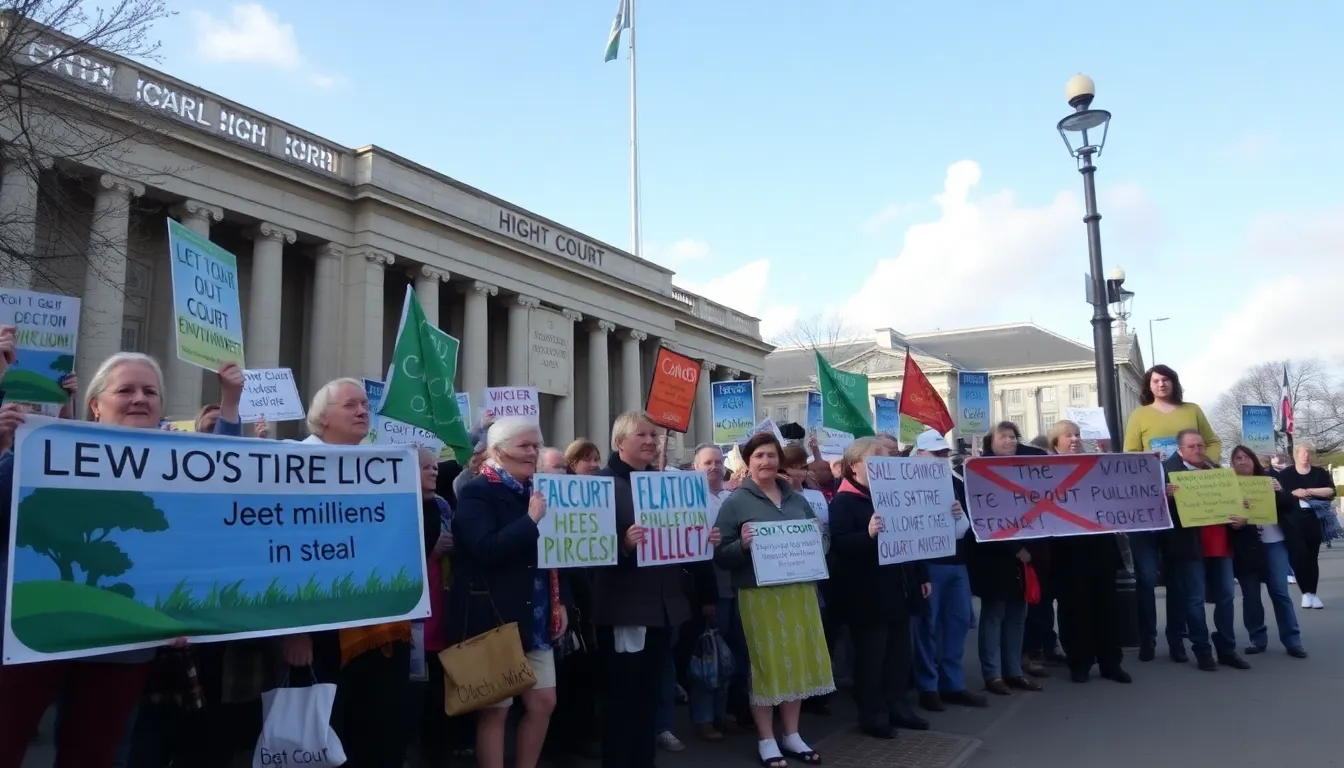
Throughout the 20th century, public awareness of environmental issues grew, culminating in significant legislative changes. The establishment of the Clean Air Act in 1956 followed a series of smog events that highlighted the dangers of air pollution. This act was a landmark in environmental policy, laying the groundwork for future regulations aimed at reducing pollution and protecting public health.
In recent years, the UK has seen a rise in environmental litigation, with citizens and organizations increasingly holding corporations accountable for pollution. High-profile cases have emerged, such as those involving water contamination and air quality violations. These cases often hinge on the interpretation of existing environmental laws and the extent to which companies can be held liable for their environmental impact.
The Role of Climate Change in Environmental Claims
As climate change has become a pressing global issue, its implications for environmental pollution claims have gained prominence. The UK government has committed to ambitious climate goals, which necessitate a transition away from fossil fuels and towards sustainable practices. This shift has prompted legal challenges against companies that contribute significantly to greenhouse gas emissions, reflecting a growing recognition of the interconnectedness of pollution and climate change.
The current case, which represents the UK’s biggest ever environmental pollution claim, is a culmination of these historical and contemporary factors. It not only highlights the legal complexities surrounding pollution claims but also underscores the societal demand for accountability and environmental justice in an era increasingly defined by ecological awareness.
Key stakeholders and issues surrounding the pollution claim
The recent environmental pollution claim in the UK has attracted significant attention, involving various stakeholders with differing interests. Key actors include affected communities, environmental advocacy groups, the corporations implicated in the pollution, and governmental bodies responsible for environmental regulation and public health.
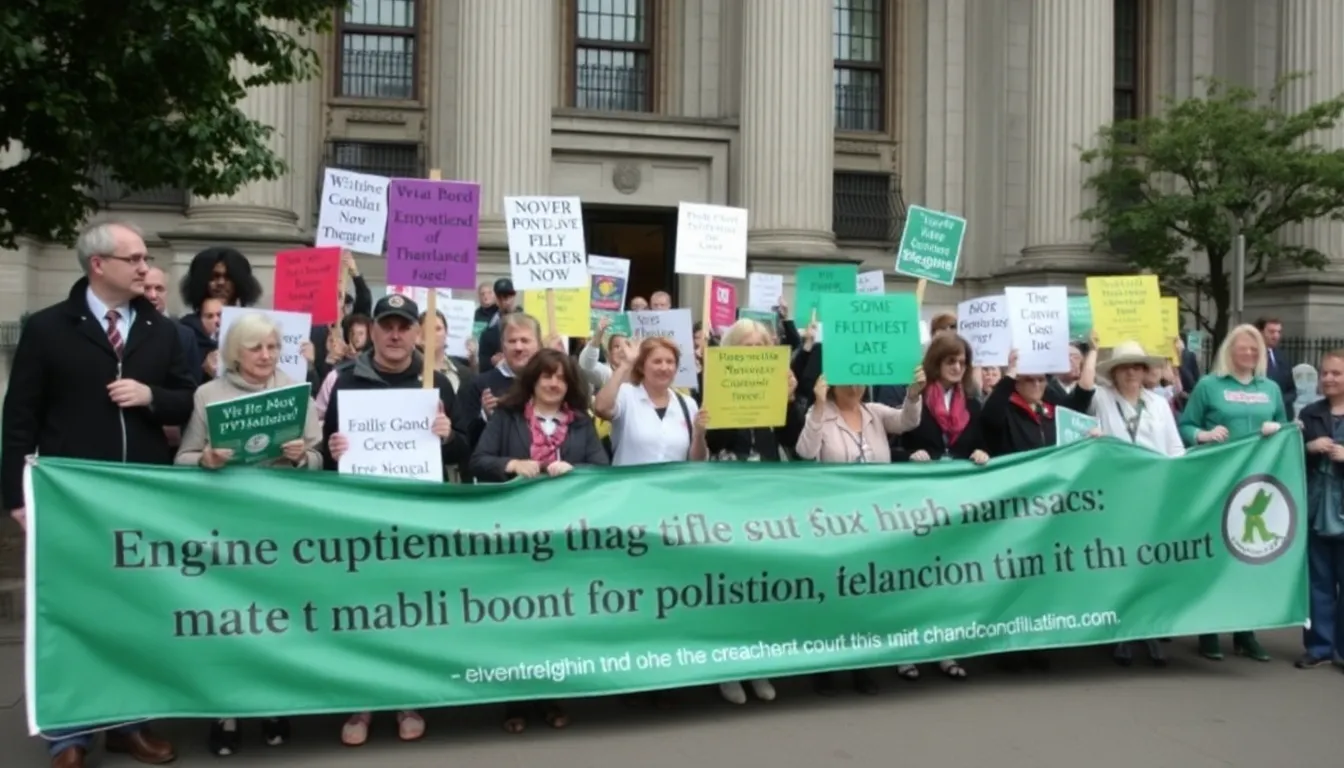
Affected communities are at the forefront of this issue, as they seek restitution for damages incurred due to environmental degradation. Their primary interest lies in securing compensation for health impacts and property devaluation caused by pollution. Environmental advocacy groups support these communities, aiming to hold corporations accountable and push for stricter regulations to prevent future incidents.
On the corporate side, companies implicated in the pollution claim have vested interests in minimizing financial liability and maintaining their public image. The outcome of this case could set a precedent for how environmental claims are handled in the future, potentially leading to increased scrutiny and regulation of their operations.
Governmental bodies, including local and national environmental agencies, play a crucial role in overseeing the situation. They are tasked with enforcing environmental laws and ensuring public safety, but they also face pressure to balance economic interests and regulatory compliance. This creates a complex landscape where trade-offs must be navigated carefully.
- Potential for increased regulatory measures affecting corporate operations.
- Legal precedents that could influence future environmental litigation.
- Economic implications for the affected communities and corporations involved.
- Public health concerns that may arise from prolonged exposure to pollutants.
- The role of media in shaping public perception and awareness of environmental issues.
Potential impacts on communities and the environment
The UK’s largest environmental pollution claim has the potential to affect various groups, including local communities, environmental organizations, and industries such as agriculture and tourism. Regions near the pollution sites may experience direct consequences, including health risks and economic challenges.
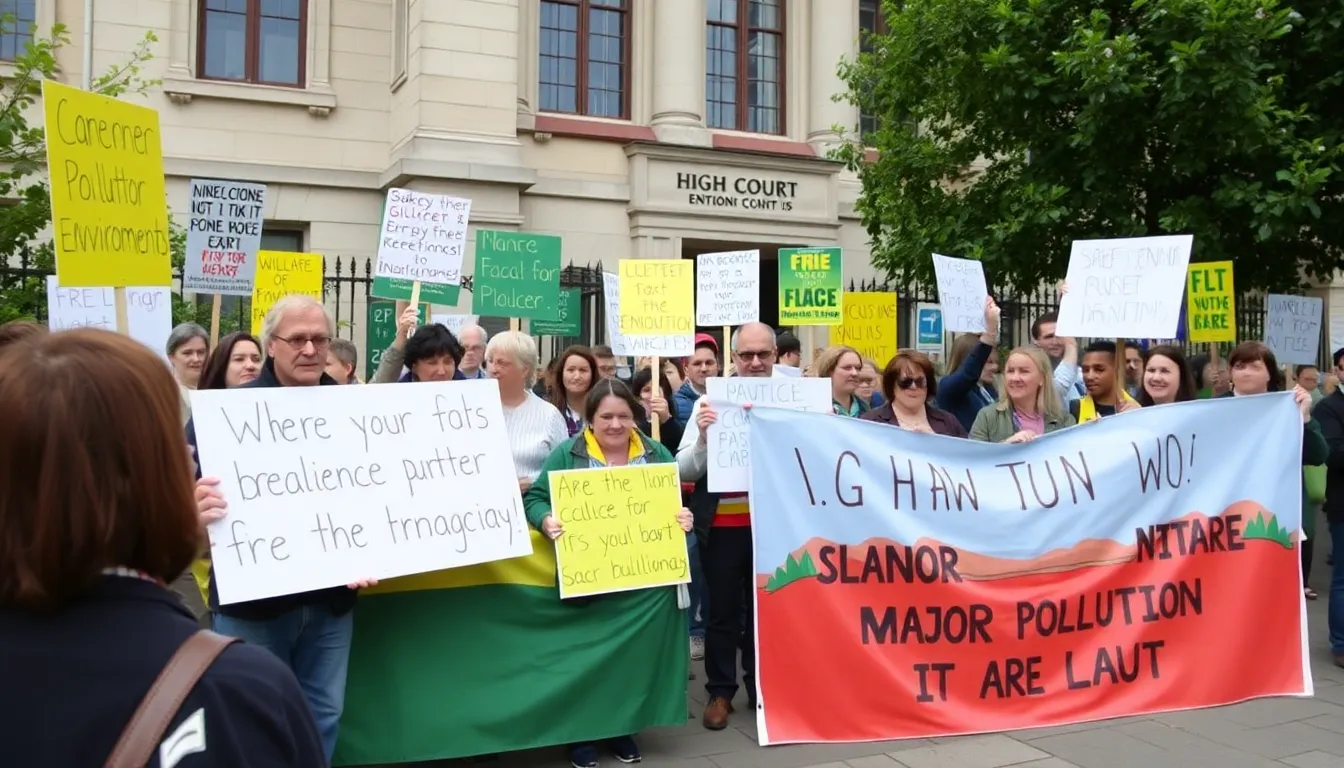
In the short term, communities may face increased health concerns due to exposure to pollutants. This can lead to a rise in healthcare costs and a demand for more resources to address public health issues. Additionally, businesses in the affected areas might see a decline in customer confidence, impacting their revenue and operations.
In the mid-term, the claim could prompt changes in environmental policy, leading to stricter regulations on pollution and waste management. This may benefit communities by improving air and water quality, but it could also pose challenges for industries that rely on less stringent regulations. The agricultural sector, for example, may need to adapt to new practices that could increase operational costs.
- Health Risks: Increased respiratory and other health issues among residents.
- Economic Impact: Decline in local businesses due to reduced customer trust.
- Policy Changes: Stricter environmental regulations affecting various industries.
- Opportunities: Potential for green technology and sustainable practices to emerge.
While the immediate effects may be challenging, there is an opportunity for innovation in sustainability. Companies may invest in cleaner technologies and practices, creating jobs and potentially leading to a greener economy in the long run. Communities could benefit from improved environmental conditions, fostering a healthier living environment.
A: The claim is based on allegations of significant environmental damage caused by industrial activities, affecting local communities and ecosystems. A: The case involves various stakeholders, including affected residents, environmental groups, and the companies accused of causing the pollution. A: Possible outcomes include financial compensation for affected parties, stricter regulations on pollution, or a dismissal of the claims. A: This case could set a precedent for future environmental claims, potentially making it easier for communities to seek justice. A: The timeline for a decision is uncertain, but the court proceedings are expected to unfold over several months.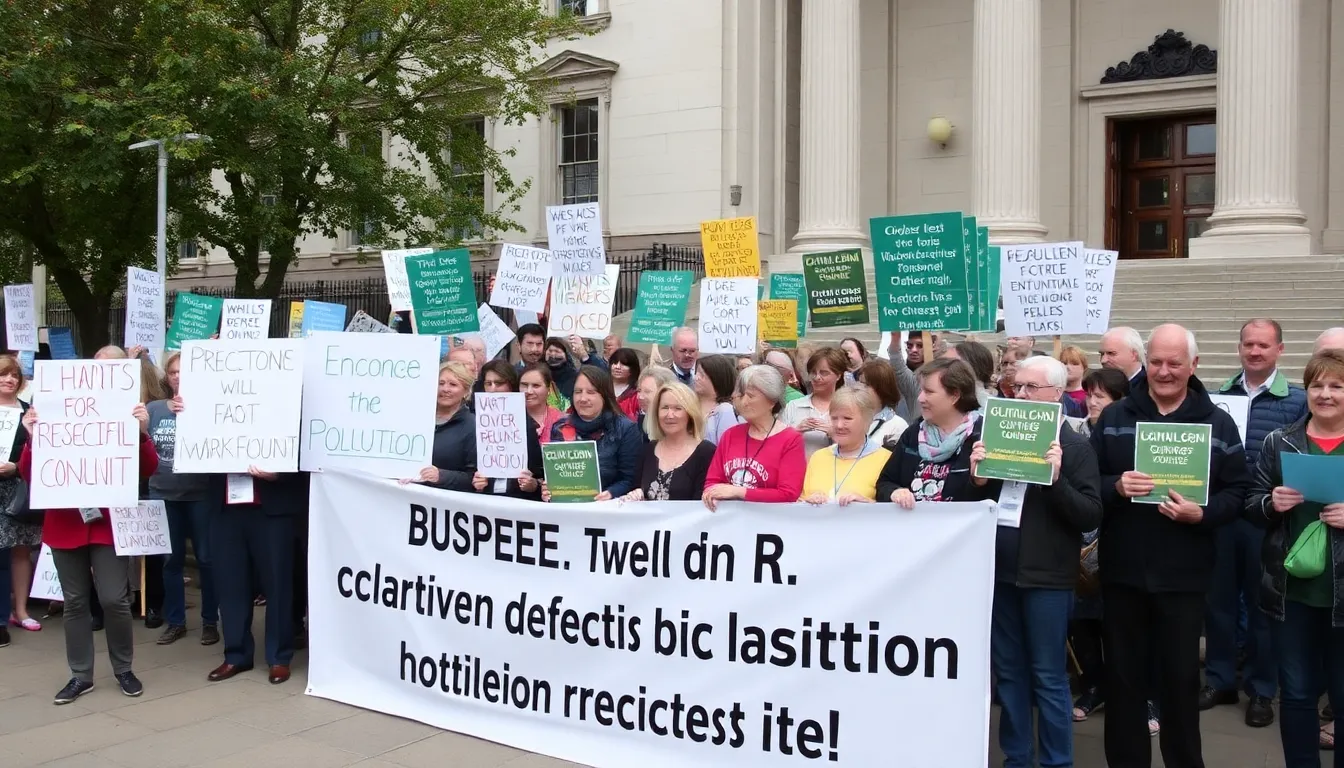
Frequently asked questions about the environmental claim
Key takeaways and future outlook on the case
The High Court’s involvement in the UK’s largest environmental pollution claim marks a pivotal moment in the intersection of corporate accountability and environmental protection. As the case unfolds, it is expected to set significant legal precedents that could influence future environmental litigation and corporate practices. Stakeholders across various sectors will be closely monitoring the outcomes, which may redefine liability standards and regulatory frameworks in the UK.
Moreover, the case shines a spotlight on the growing public awareness and concern regarding environmental issues. As communities demand greater corporate responsibility, companies may need to reassess their environmental policies and practices to mitigate risks and align with evolving societal expectations.
- The outcome of this case could lead to stricter regulations on environmental practices for corporations operating in the UK.
- Increased scrutiny and potential liability for companies may drive innovation in sustainable practices and technologies.
- This case may inspire similar claims in other jurisdictions, potentially leading to a wave of environmental litigation across Europe.
- Public engagement and activism surrounding environmental issues are likely to increase, influencing corporate governance and accountability.
- Investors may prioritize companies with robust environmental policies, impacting funding and stock performance in the long term.