


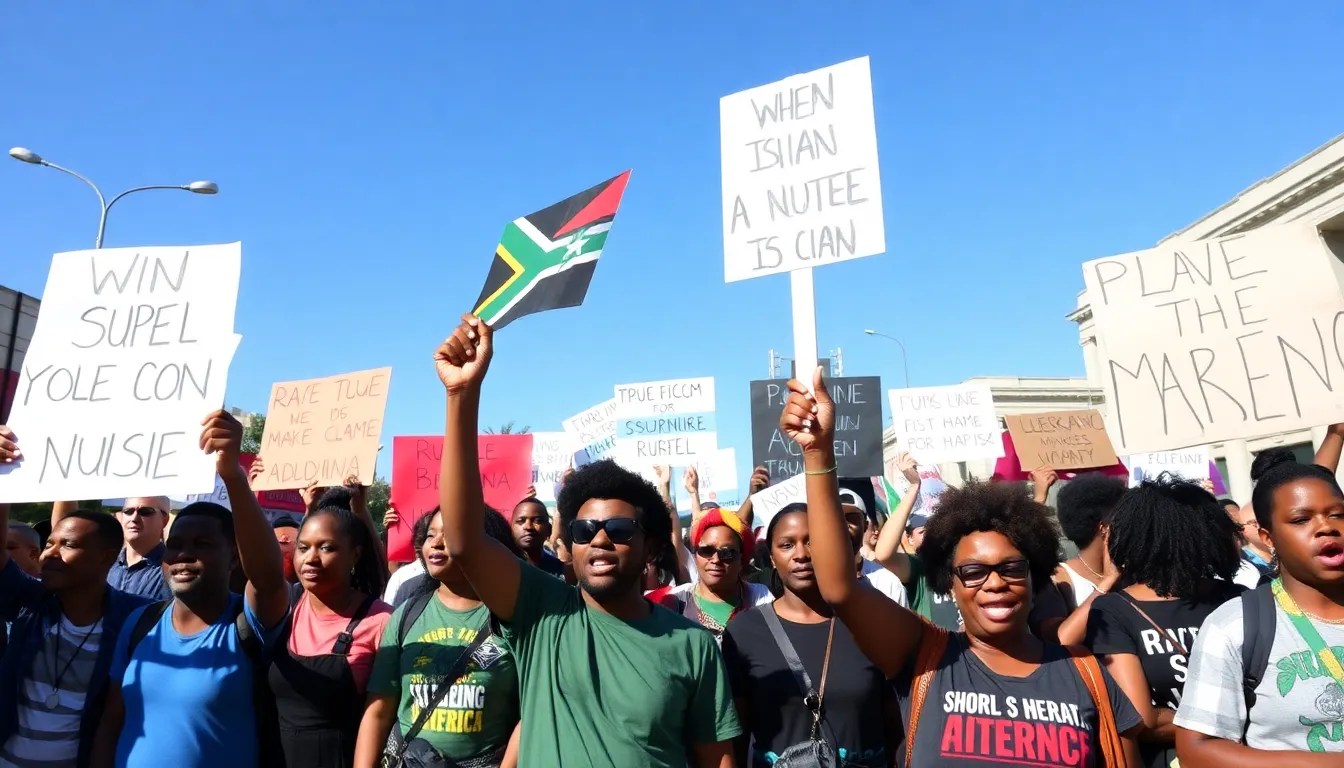
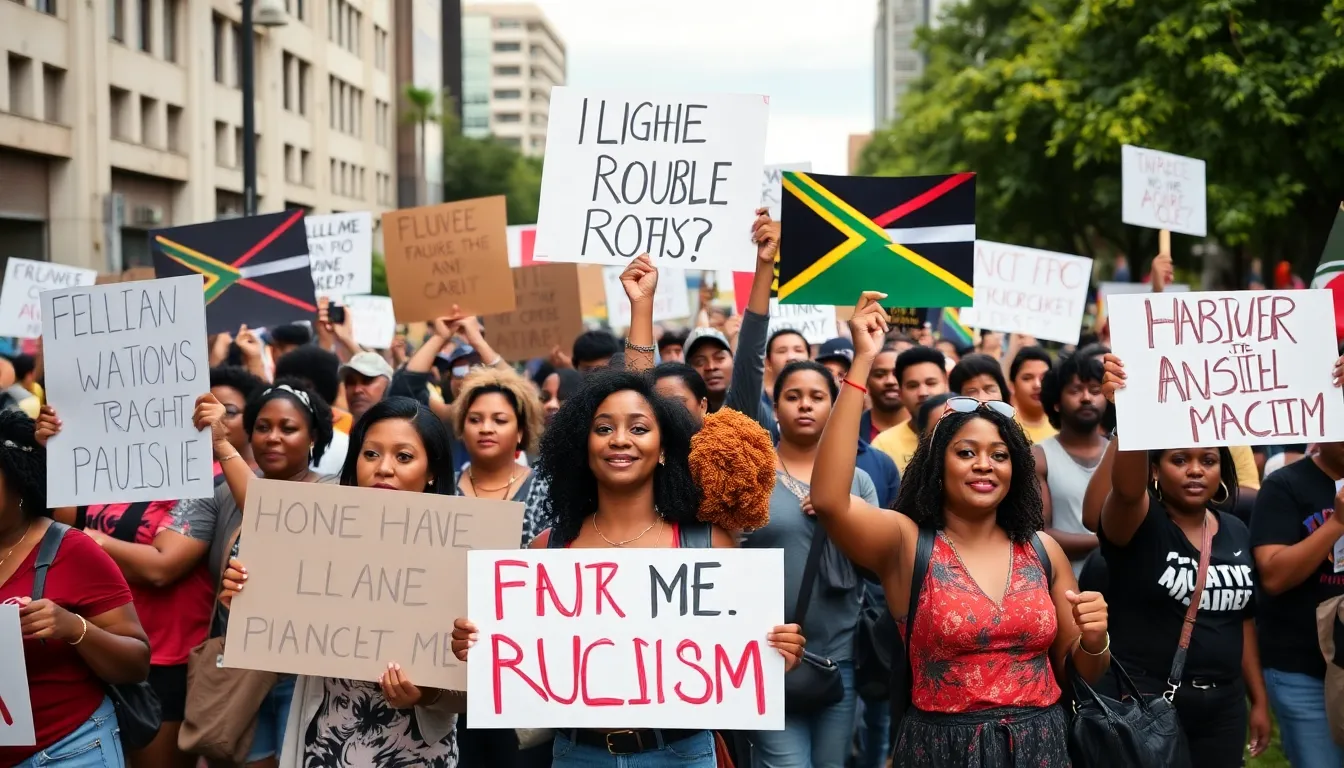
Notably, a series of protests erupted in July 2023, sparked by the alleged police brutality against a member of a marginalized ethnic group. These demonstrations highlighted the growing discontent among citizens regarding systemic inequalities that persist within the nation, prompting calls for governmental accountability and reform. For further insights into societal impacts, see our analysis on social movements.
International observers and human rights organizations have also expressed concern, citing data from a 2022 survey that revealed a significant percentage of respondents experiencing or witnessing racial discrimination. This has led to increased pressure on the government to address these issues comprehensively and to ensure that the principles of pan-Africanism are genuinely upheld. Understanding these dynamics can be crucial; explore our related content on the impact of social consciousness in modern culture.
The political landscape is further complicated by upcoming elections scheduled for early 2024, as candidates are now being scrutinized for their positions on race relations. The discourse surrounding these elections may either exacerbate tensions or pave the way for meaningful dialogue and policy changes aimed at fostering a more equitable society. This political arena is evolving, and our discussion on the intersection of politics and ethics may provide additional context.
Historical context of pan-Africanism and its ideals
Pan-Africanism emerged in the late 19th and early 20th centuries as a response to colonialism and the systemic oppression of African peoples. The movement sought to unite people of African descent worldwide, emphasizing shared experiences of discrimination and the need for solidarity against colonial powers. Leaders such as W.E.B. Du Bois and Marcus Garvey played pivotal roles in articulating the goals of pan-Africanism, advocating for political, economic, and cultural unity among Africans and the African diaspora.
Throughout the 20th century, the movement gained momentum, particularly during the decolonization period following World War II. Newly independent African nations embraced pan-African ideals, with the formation of the Organization of African Unity (OAU) in 1963 serving as a key milestone. The OAU aimed to promote unity and cooperation among African states, while also addressing issues of colonialism and apartheid. This period marked a significant shift in the political landscape of Africa, as nations sought to define their identities free from colonial legacies.
Despite these advancements, the ideals of pan-Africanism have faced challenges, particularly concerning issues of racism and ethnic division within African nations. The complexities of post-colonial governance have led to situations where the principles of pan-Africanism are tested by internal conflicts, often rooted in historical grievances and socio-economic disparities. Countries like Rwanda and Sudan exemplify how ethnic tensions can undermine the pan-African vision of unity, raising questions about the effectiveness of these ideals in practice.
The impact of globalization on pan-African ideals
In recent decades, globalization has added another layer of complexity to the pan-African narrative. Economic integration and the rise of multinational corporations have created opportunities for some, while exacerbating inequalities for others. As African nations navigate the global economy, the challenge remains to balance national interests with the collective goals of pan-Africanism. This dynamic has sparked debates about whether the movement can adapt to contemporary realities, particularly in addressing issues of racism and social justice within and beyond national borders.
Key stakeholders and the complexities of racial issues
The discourse surrounding racism in a nation founded on pan-African principles is multifaceted, involving various stakeholders with differing interests. At the forefront are government entities that are tasked with implementing policies aimed at promoting equality and social cohesion. These bodies often face pressure from civil rights organizations advocating for marginalized communities, pushing for reforms that address systemic racism.
Additionally, local communities play a pivotal role in this landscape. Grassroots organizations and activists work tirelessly to highlight instances of racial discrimination and advocate for change. Their interests often align with those of international human rights organizations, which monitor compliance with global standards and provide support in the fight against racism.
Economic factors also contribute to the complexities of racial issues. Businesses, especially those owned by individuals from diverse backgrounds, seek to thrive in an environment that supports inclusivity. However, they may encounter challenges related to access to funding and market opportunities, which can be influenced by prevailing racial attitudes.
- Government policies: The effectiveness of laws aimed at combating racism can vary, leading to debates about their implementation and enforcement.
- Activism: Grassroots movements often clash with institutional responses, revealing a tension between community needs and governmental action.
- Economic disparities: Racial inequalities in employment and business opportunities can exacerbate tensions, highlighting the need for economic reforms.
- International scrutiny: Global organizations may impose pressure on the nation to align with international human rights standards, affecting local policies.
- Cultural narratives: The portrayal of racial issues in media and education shapes public perception and can either promote understanding or fuel division.
The impact of racism on society and the economy
The ongoing discourse surrounding racism in a nation founded on pan-African principles raises significant concerns across various demographics. Communities of color, particularly those of African descent, are directly affected by systemic inequalities that permeate social and economic structures. This has implications not only for individuals but also for entire industries that rely on a diverse workforce.
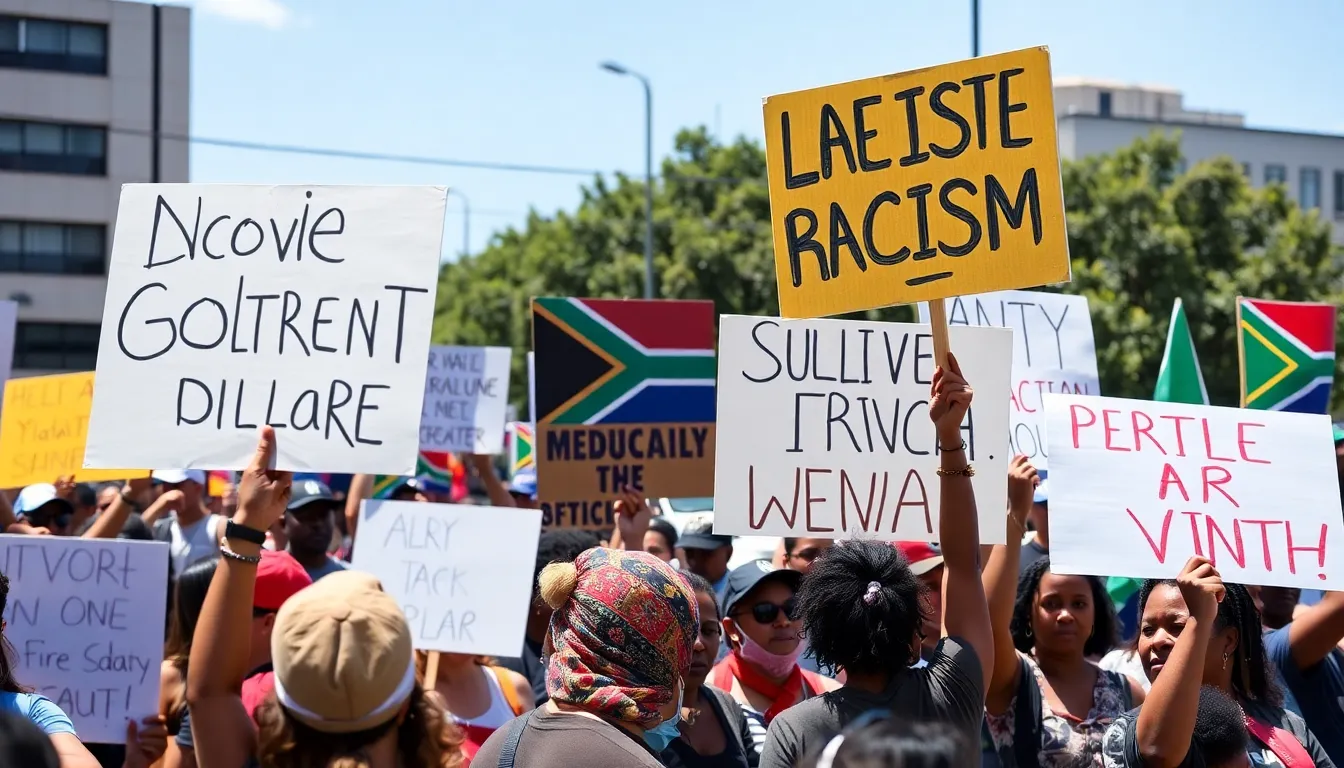
In the short term, businesses may experience disruptions as protests and movements advocating for racial equality gain momentum. Retail sectors, hospitality, and tourism may see a decline in consumer confidence, leading to reduced sales and employment opportunities. Conversely, industries such as social media and technology that promote inclusivity may find increased engagement and support from consumers seeking to align with brands that reflect their values.
In the mid-term, policy shifts could emerge as governments respond to public outcry. This may include reforms in education, law enforcement, and employment practices aimed at fostering equality. However, such changes could also lead to backlash from sectors resistant to change, potentially creating a divide that affects social cohesion.
- Risks: Increased social unrest, potential economic downturns in affected sectors, and resistance to policy changes.
- Opportunities: Growth in diversity-focused businesses, enhanced community engagement, and potential for innovation in policies promoting equity.
Regions with a higher concentration of minority populations may face unique challenges, including heightened scrutiny and the need for targeted support. However, these areas also have the potential to become hubs of cultural and economic revitalization, attracting investments aimed at fostering inclusivity and diversity.
A: Pan-Africanism promotes unity and solidarity among African nations and peoples, emphasizing shared cultural, historical, and political ties. A: Racism can manifest through systemic discrimination, social inequalities, and cultural biases that contradict the foundational principles of pan-Africanism. A: The consequences of racism include social unrest, economic disparities, and a fractured national identity, undermining the unity that pan-Africanism seeks to promote. A: Yes, various grassroots movements and organizations are actively working to combat racism and promote equality within pan-African nations. A: Education can foster awareness, promote cultural understanding, and challenge stereotypes, playing a crucial role in addressing racism effectively.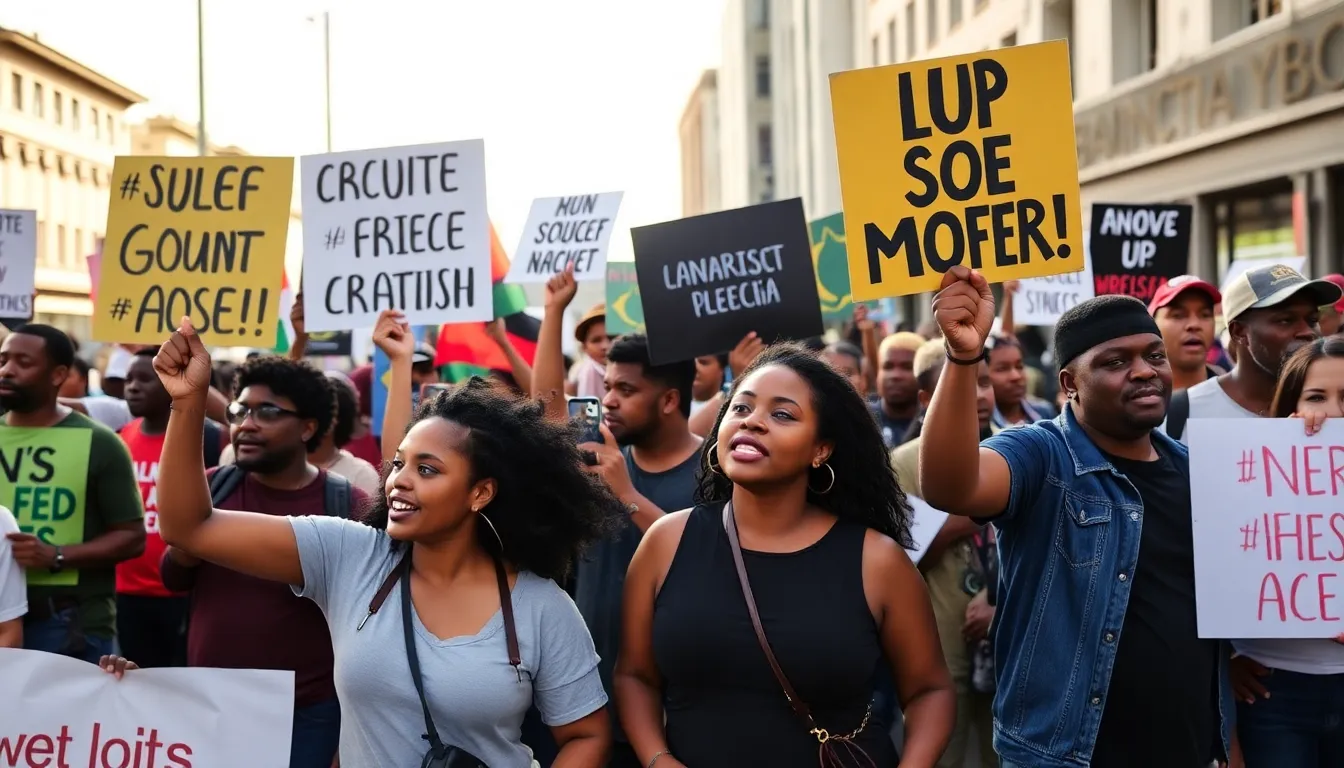
Frequently asked questions about racism in a pan-African context
Insights and future outlook on racism and pan-Africanism
The ongoing discourse surrounding racism within a nation that prides itself on pan-African principles highlights the complexities of national identity and social cohesion. As the country grapples with these challenges, it becomes increasingly important to examine the underlying factors that contribute to racial tensions and to explore pathways toward a more inclusive society.
Moving forward, the interplay between pan-African ideals and the realities of racism will shape the nation’s trajectory. Engaging in open dialogues, fostering education on racial issues, and implementing policies that promote equality will be crucial in addressing these challenges and ensuring that the nation lives up to its foundational principles.
- Continued advocacy for education on the history and impact of racism will be essential in shaping public perception and policy.
- Monitoring the effectiveness of policies aimed at promoting racial equality can provide insights into their real-world impact and areas needing improvement.
- Community engagement initiatives that foster dialogue among diverse groups can help bridge gaps and build understanding.
- The role of leadership in addressing racial issues will be critical; leaders must embody and promote the values of inclusivity and respect.
- Observing the international response to the nation’s challenges can offer valuable lessons and strategies for addressing similar issues at home.