


Notable brands such as Prada, Versace, and Balenciaga have incorporated color blocking into their spring 2026 collections, highlighting its versatility across various styles. The trend has been embraced by celebrities and influencers alike, who are seen donning these eye-catching ensembles on social media platforms. For a deeper look into the intersection of technology and fashion, you can read about the dynamics of tech life. This widespread visibility is helping to solidify color blocking as a key trend for the season.
Retailers are responding to consumer interest by featuring color-blocked pieces prominently in their spring collections. Stores are reporting increased sales of items that utilize this bold aesthetic, indicating a growing demand for vibrant, statement-making fashion. As spring approaches, fashion enthusiasts are eager to experiment with this trend, signaling its potential longevity beyond the season.
The revival of primary color blocking is also significant in the context of the ongoing conversation about sustainability in fashion. Many designers are focusing on eco-friendly materials while still delivering bold designs, merging style with conscious consumerism. As the industry navigates these challenges, the return of such a playful trend offers a refreshing perspective on modern fashion.
The evolution of color blocking in fashion history
Color blocking, a technique that involves combining solid blocks of color in a single outfit, has its roots in the art movements of the early 20th century, particularly the works of artists like Piet Mondrian and the Bauhaus school. These movements emphasized simplicity and bold color contrasts, which laid the groundwork for color blocking’s eventual emergence in fashion. To understand more about the influence of culture on modern styles, consider exploring the dark side of Hollywood through literary thrillers. The technique first gained popularity in the 1960s, when designers like Yves Saint Laurent and André Courrèges embraced bright hues and geometric shapes, reflecting the vibrant spirit of the era.
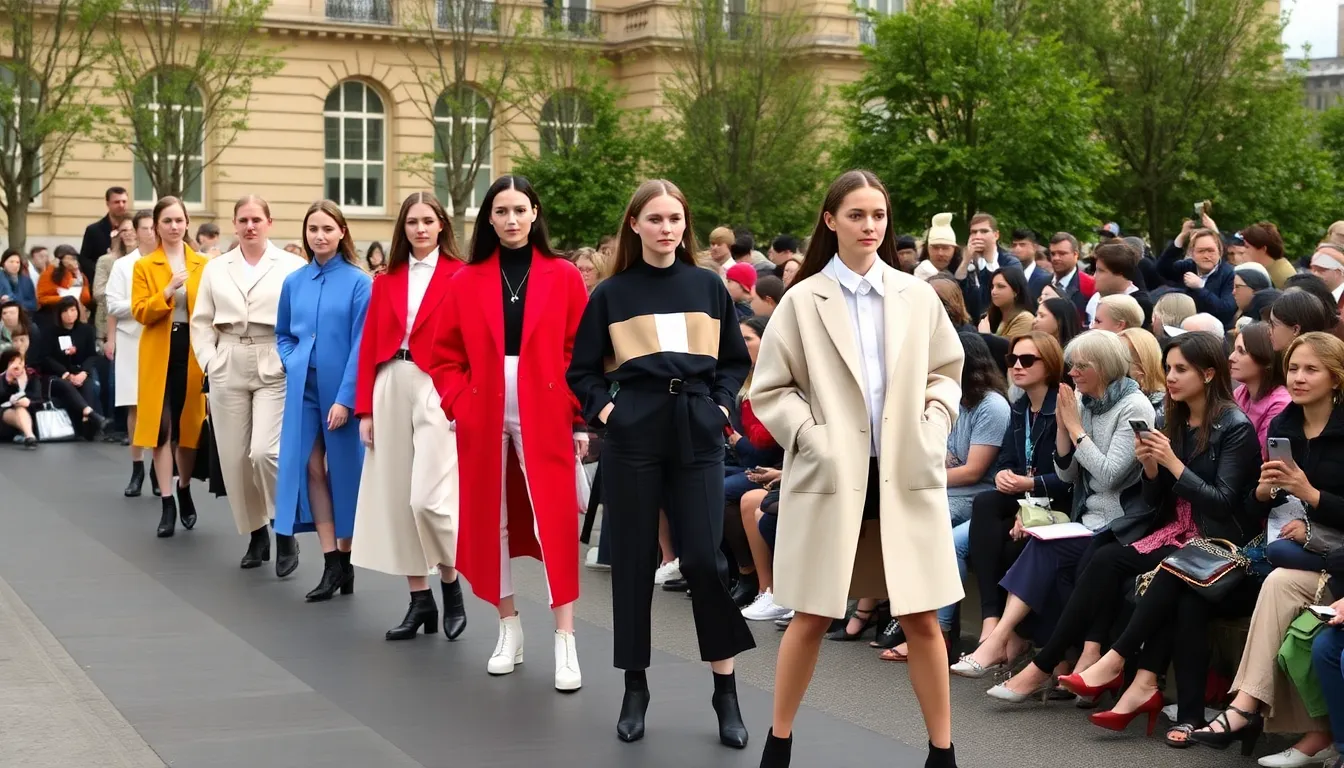
Throughout the 1980s, color blocking experienced a resurgence, driven by the rise of pop culture and the influence of music icons such as Madonna and Prince. This period saw the introduction of neon colors and oversized silhouettes, as fashion became a form of self-expression and rebellion. Designers like Gianni Versace and Jean-Paul Gaultier incorporated bold color combinations into their collections, making color blocking synonymous with the exuberance of the decade.
Social and Economic Influences
The social landscape of the late 20th century played a crucial role in the acceptance of color blocking. The feminist movement and the push for individuality encouraged people to break away from traditional fashion norms. Economically, the rise of fast fashion in the early 2000s made bold styles more accessible, allowing consumers to experiment with color without a significant financial investment. This democratization of fashion paved the way for color blocking to enter mainstream consciousness.
As we moved into the 2010s, color blocking began to evolve once more, influenced by the digital age and social media. Influencers and fashion bloggers showcased their unique interpretations of the trend, leading to a renewed interest in vibrant, eye-catching ensembles. For those interested in how innovations like AI are shaping the future, Brian Cox discusses these topics in relation to various industries here. The ability to share and discover new styles online has made color blocking a staple in contemporary wardrobes, setting the stage for its anticipated comeback in Spring 2026.
Looking ahead, the cyclical nature of fashion suggests that the bold use of primary colors will resonate with a generation seeking both nostalgia and innovation. As society continues to navigate complex challenges, the simplicity and optimism associated with primary color blocking may serve as a refreshing antidote, reinforcing its status as a key style trend for the upcoming season.
Key players and trends shaping the color blocking phenomenon
The resurgence of color blocking as a significant style trend for Spring 2026 is influenced by various stakeholders, including fashion designers, retail brands, and consumers. Each of these actors has distinct interests that shape how this trend evolves in the marketplace.
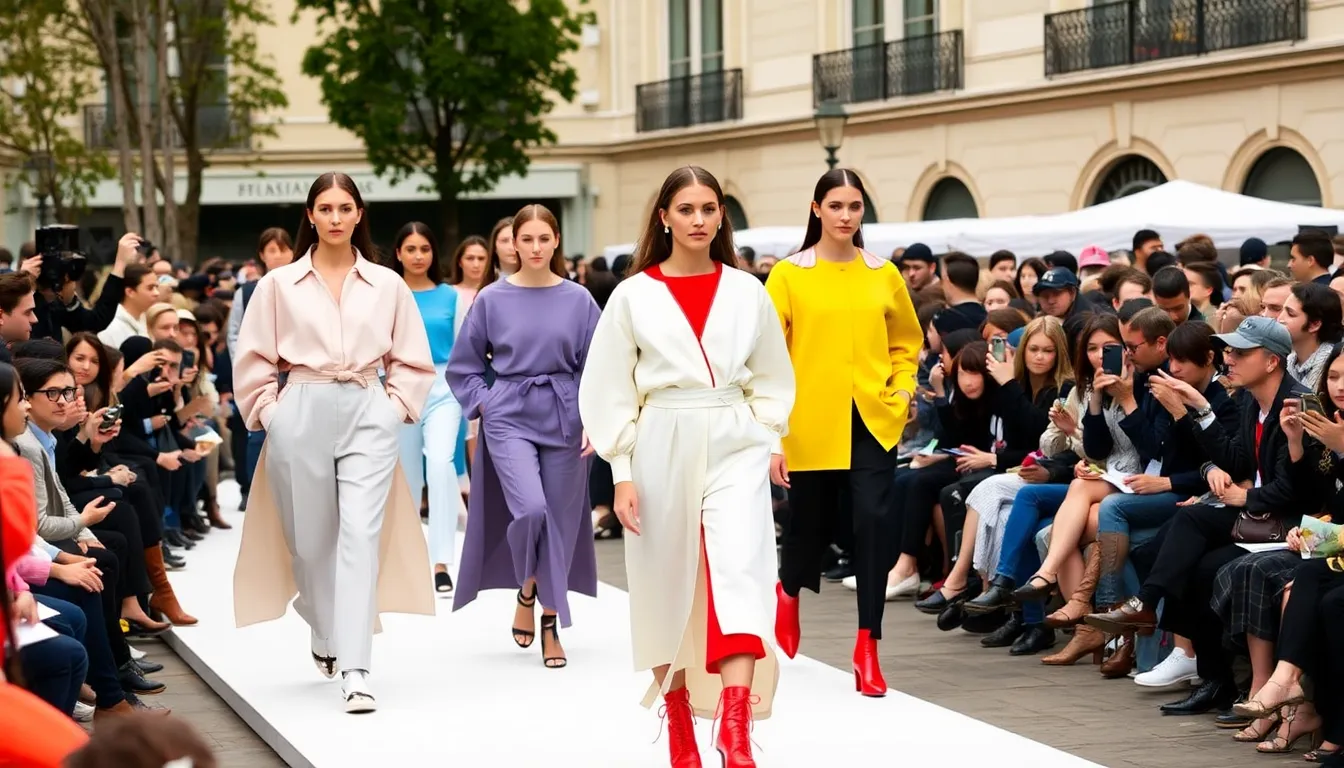
Fashion designers are at the forefront of this trend, experimenting with bold combinations of primary colors to create visually striking collections. Their interest lies in setting the tone for the season and capturing the attention of fashion enthusiasts. Retail brands, on the other hand, are focused on translating these designer visions into accessible products for the mass market, aiming to boost sales and enhance brand visibility.
Consumers play a critical role as well, as their preferences and purchasing decisions ultimately dictate the success of color blocking in retail. The growing demand for individuality and self-expression in fashion has led to an increased interest in vibrant, eye-catching styles. However, this trend also raises questions about sustainability and ethical production practices, as the fast fashion industry often struggles to balance trend-driven production with environmental responsibility.
- Trade-offs: Retailers may face challenges in sourcing sustainable materials while keeping prices competitive.
- Conflicts: The clash between high-fashion aesthetics and mass-market production can lead to dilution of the original design intent.
- Legal issues: Intellectual property disputes may arise as designers seek to protect their unique color combinations and patterns.
- Economic factors: Fluctuations in material costs can impact the pricing of color-blocked apparel, influencing consumer accessibility.
- Cultural considerations: Global variations in color perception may affect how color blocking is received in different markets.
How this trend will influence consumers and the fashion market
The rise of primary color blocking in Spring 2026 is set to impact a diverse range of groups and industries. Fashion designers, retailers, and consumers will be at the forefront of this trend, but it will also resonate with artists, interior decorators, and marketers looking to capitalize on vibrant aesthetics. Regions with a strong fashion presence, such as New York, Paris, and Milan, will likely experience the most significant influences.
In the short term, consumers may find themselves drawn to bold, colorful pieces that challenge traditional style norms. Retailers could see an uptick in sales as shoppers embrace the trend, leading to increased foot traffic in stores and higher online engagement. Additionally, fashion brands will need to adapt their marketing strategies to highlight these vibrant styles, creating new advertising campaigns that resonate with the color-blocking aesthetic.
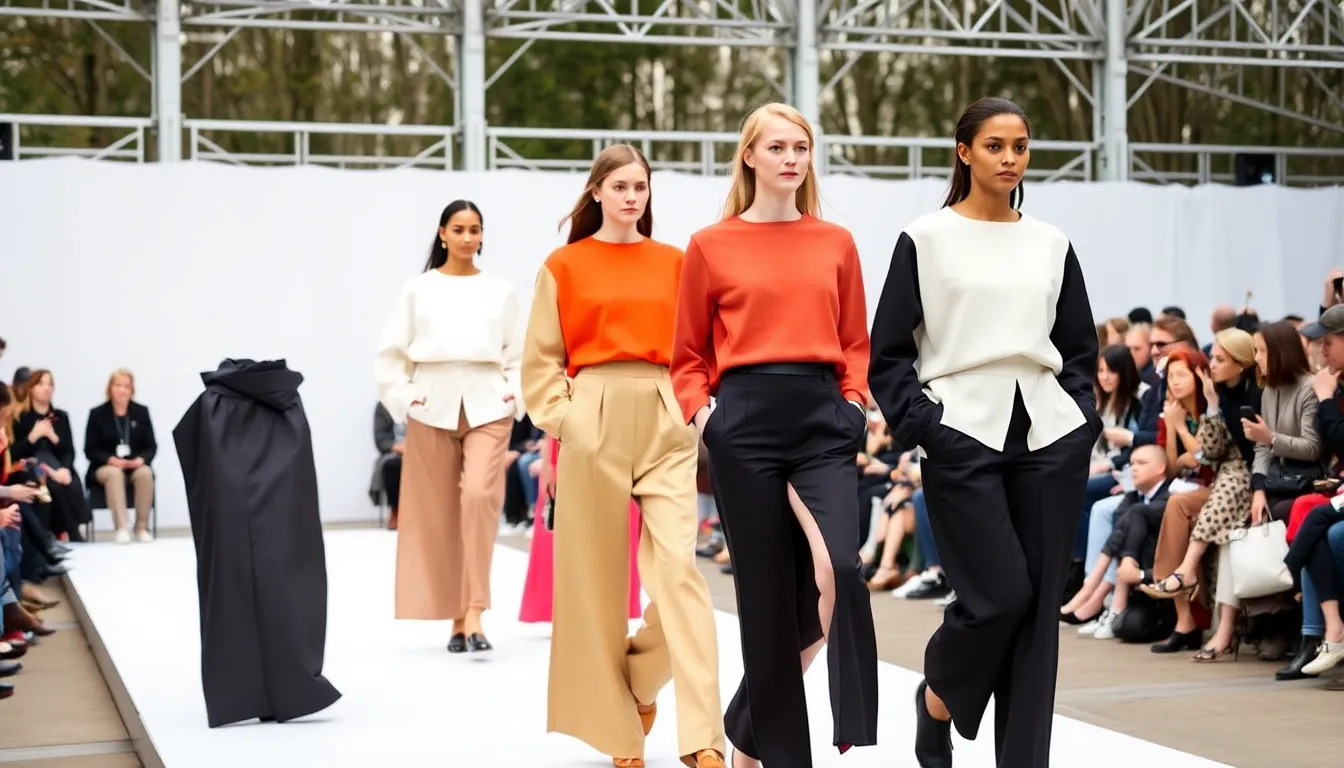
In the mid-term, businesses that successfully integrate primary color blocking into their offerings may establish themselves as trend leaders, gaining competitive advantages. However, there are risks involved; brands that fail to embrace this trend might struggle to attract customers or may be perceived as outdated. Furthermore, the over-saturation of the market with similar styles could lead to consumer fatigue.
- Opportunities: Increased sales for retailers and brands embracing the trend.
- Risks: Potential backlash from consumers if the trend is overexposed.
- Impact on Marketing: Need for innovative advertising strategies to highlight vibrant styles.
Overall, the primary color blocking trend will not only shape consumer preferences but also redefine the landscape of the fashion market, encouraging both creativity and strategic adaptation among businesses. As the trend evolves, its influence will ripple through various sectors, underscoring the interconnectedness of fashion and lifestyle choices in today’s society.
A: Primary color blocking involves combining bold, solid colors like red, blue, and yellow in a single outfit. This style emphasizes vibrant contrasts and is designed to make a statement. A: You can start by mixing different solid-colored pieces, such as pairing a bright yellow top with blue trousers. Accessories in primary colors can also enhance your look. A: While it can be adapted for various settings, it’s best suited for casual and creative environments. For formal occasions, consider more subtle combinations. A: Several designers are embracing primary color blocking, including renowned names like Balenciaga and Prada, who showcase these bold styles in their latest collections. A: Fashion trends often evolve, but the boldness of primary color blocking suggests it may have a lasting impact, influencing future seasons.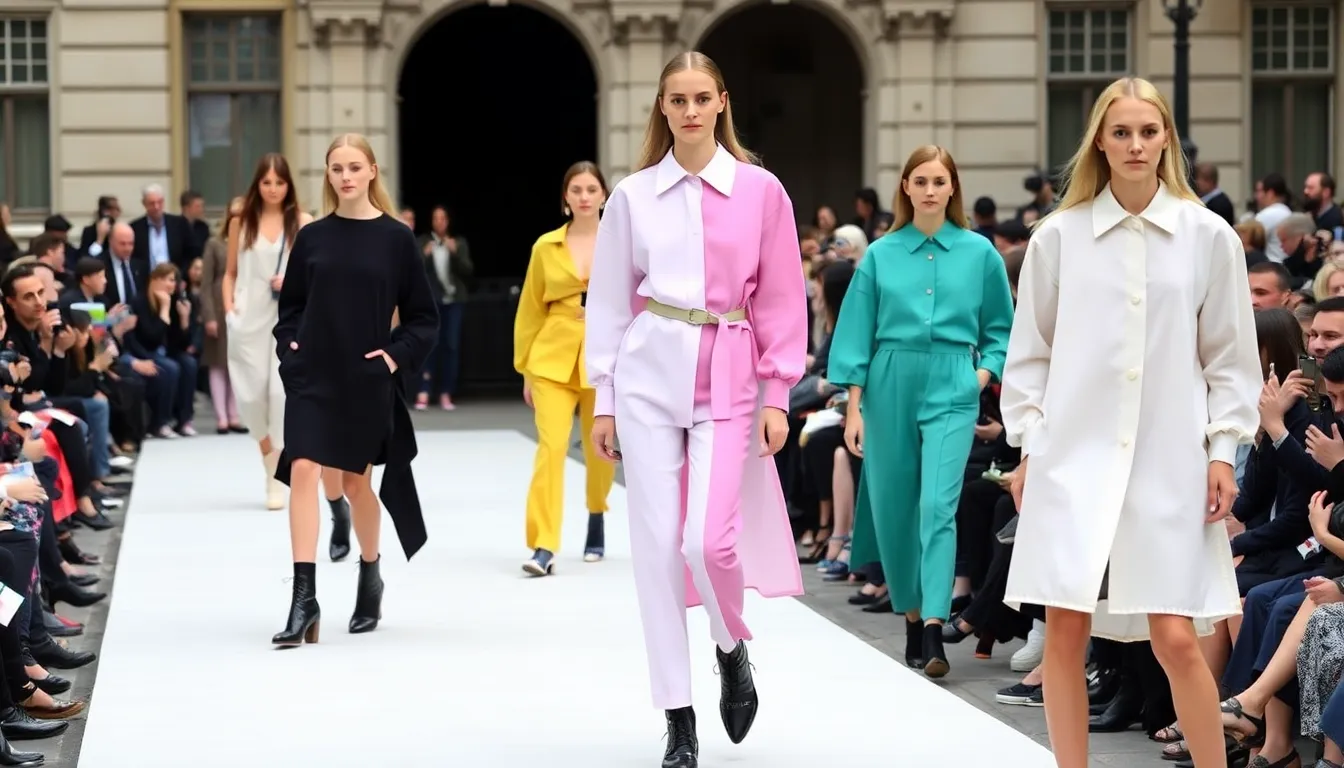
Frequently Asked Questions about Primary Color Blocking
Looking ahead at the future of primary color blocking in fashion
The emergence of primary color blocking as a dominant trend in Spring 2026 reflects a broader shift towards bold, expressive fashion choices. This trend not only emphasizes simplicity and vibrancy but also invites individuals to embrace their personal style with confidence. As we observe the impact of this trend on various sectors, from retail to social media, it becomes clear that color plays a crucial role in shaping consumer behavior and brand identity.
Fashion designers and retailers will need to adapt to this trend by incorporating primary colors into their collections and marketing strategies. The interplay of colors can evoke emotions and create a sense of individuality, making it essential for brands to understand their target audience’s preferences. As consumers increasingly seek unique expressions of style, primary color blocking will likely influence both casual wear and high-fashion designs.
- Monitor consumer engagement: Brands should track how audiences respond to primary color palettes, as this can inform future collections and marketing tactics.
- Explore collaborations: Expect partnerships between fashion designers and artists to create unique pieces that highlight the vibrancy of color blocking.
- Adapt to sustainability: As the trend evolves, there may be a push for sustainable materials in primary color designs, appealing to environmentally conscious consumers.
- Utilize digital platforms: Brands should leverage social media to showcase how to style primary color blocks, encouraging user-generated content and community engagement.
- Emphasize versatility: Highlighting the versatility of primary color blocking can attract a diverse consumer base, appealing to both casual and formal wear markets.