


As of the current season, the split is set to occur on the weekend of April 13-14, 2024, following the conclusion of the 33rd round of fixtures. Teams are closely monitoring their positions in the league table, as the split will determine their fortunes for the remainder of the season. The stakes are high, with teams vying for European qualification or battling relegation, making every match crucial. For more on how this affects team strategies, see our article on team performance.
The split system has its critics and supporters, with some arguing that it enhances excitement by keeping more teams in contention for longer. However, others believe it can lead to a lack of predictability in the league standings. As the season progresses, the debate over the effectiveness of the split continues, with clubs and fans alike eager to see how it will impact their teams’ outcomes.
Key players and managers are also affected by the split, as they prepare for the heightened pressure of the final matches. The performance in the last few games before the split can significantly influence a team’s morale and strategy moving forward. As the league approaches this pivotal moment, the focus will be on how well teams can adapt to the challenges presented by the split.
The historical context of the split in Scottish football
The Scottish Premiership split is a unique feature of the league’s structure, designed to enhance competitive balance and maintain viewer interest towards the end of the season. This system stems from historical challenges faced by Scottish football, particularly the dominance of a few clubs, which often led to predictable outcomes and dwindling spectator engagement. Understanding this structure can provide better insight into the current league dynamics.
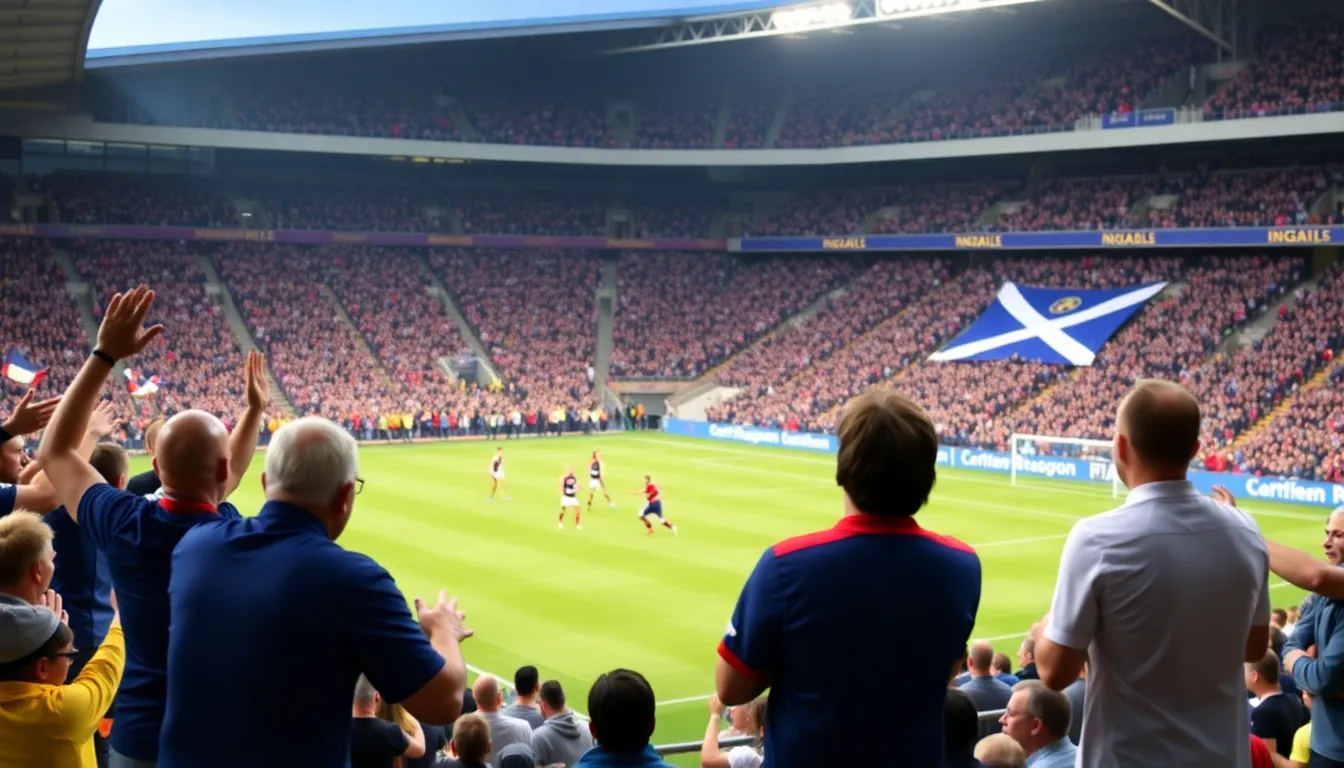
Prior to the introduction of the split, the Scottish league system operated on a straightforward format where each team played every other team twice, resulting in a 38-match season. However, by the late 1990s, it became evident that the league was increasingly dominated by a handful of teams, primarily Celtic and Rangers. This dominance not only affected the competitive integrity of the league but also impacted the financial viability of other clubs and the overall appeal of the league to fans.
Key milestones leading to the split
The pivotal moment came in 2000 when the Scottish Premier League (SPL) implemented the split system. After 33 matches, the league would divide into two sections: the top six clubs competing for the title and European qualification, while the bottom six would battle against relegation. This change aimed to create more meaningful matches in the final weeks of the season, fostering rivalry and increasing attendance.
Over the years, the split has undergone various adjustments. For instance, the introduction of the play-off system in 2013 added another layer of excitement, allowing clubs from lower divisions a chance to compete for promotion. Despite criticisms regarding its effectiveness, the split remains a defining characteristic of the Scottish Premiership, shaping the league’s narrative and influencing club strategies.
Understanding the historical context of the split is crucial for grasping its implications on Scottish football today. It reflects not only the evolution of the league but also the ongoing challenges clubs face in balancing competitiveness with financial sustainability in a sport that is increasingly commercialized.
Key stakeholders and issues surrounding the split
The Scottish Premiership split, a unique feature of the league structure, involves various stakeholders with differing interests. The primary actors include the Scottish Professional Football League (SPFL), individual clubs, players, and fans. Each group has its own perspective on how the split impacts competition, revenue distribution, and fan engagement.
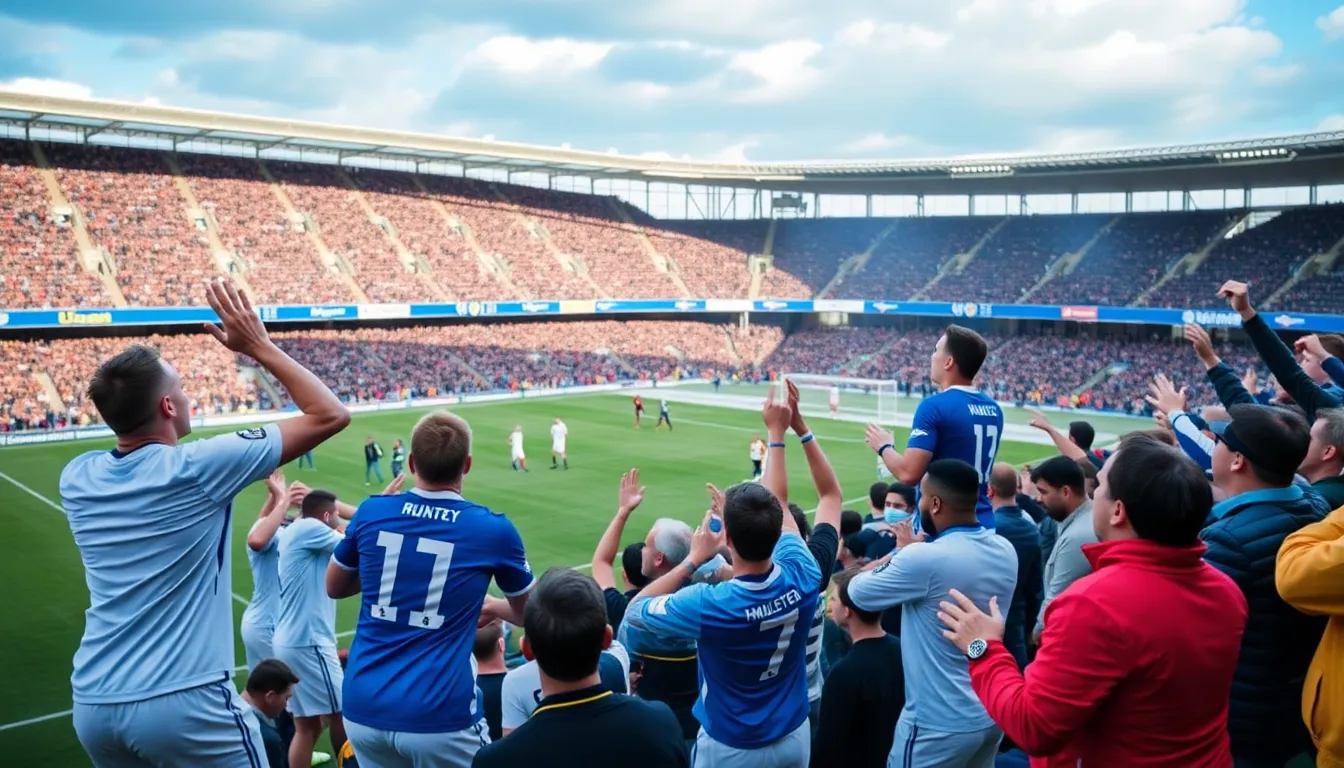
Clubs at the top of the table, such as Celtic and Rangers, often favor the split as it allows them to secure more lucrative matches against rivals in the final phase of the season. This can lead to increased ticket sales and heightened media attention. Conversely, clubs at the bottom of the league may view the split as a threat to their survival, as it can lead to relegation and significant financial implications.
Players are another critical stakeholder group, as the split affects their contracts, job security, and career progression. For those on teams fighting relegation, the pressure intensifies during the split, potentially impacting performance. Fans, too, have varied opinions; while many enjoy the heightened rivalry in the final matches, others feel that the split diminishes the overall integrity of the league.
- Revenue Distribution: The split can lead to disparities in financial resources, with top clubs benefiting from increased gate receipts and broadcasting income.
- Competitive Balance: The structure raises questions about fairness, as teams in the lower half may struggle to compete against stronger opponents.
- Fan Engagement: The split can either enhance or diminish fan interest, depending on the performance of their respective clubs during the final matches.
- Legal Considerations: Any changes to the split format would require extensive negotiation among clubs and could face legal challenges from those adversely affected.
- Long-term Viability: The sustainability of the split format is often debated, with stakeholders concerned about its impact on the overall health of Scottish football.
How the split affects teams and fan engagement
The Scottish Premiership split, which occurs after the first 33 matches of the season, significantly impacts various stakeholders, including teams, fans, and local businesses. The top six teams compete for the title and European qualification, while the bottom six fight to avoid relegation. This division creates a competitive atmosphere that can alter the dynamics of fan engagement and local economies, especially with the upcoming changes discussed in recent updates.
In the short term, teams in the top half benefit from increased visibility and potential revenue from higher attendance at matches. Fans of these clubs are likely to experience heightened excitement as their teams vie for prestigious titles and European spots. Conversely, clubs in the bottom half may face anxiety as they struggle to secure their place in the league, leading to a more stressful environment for their supporters.
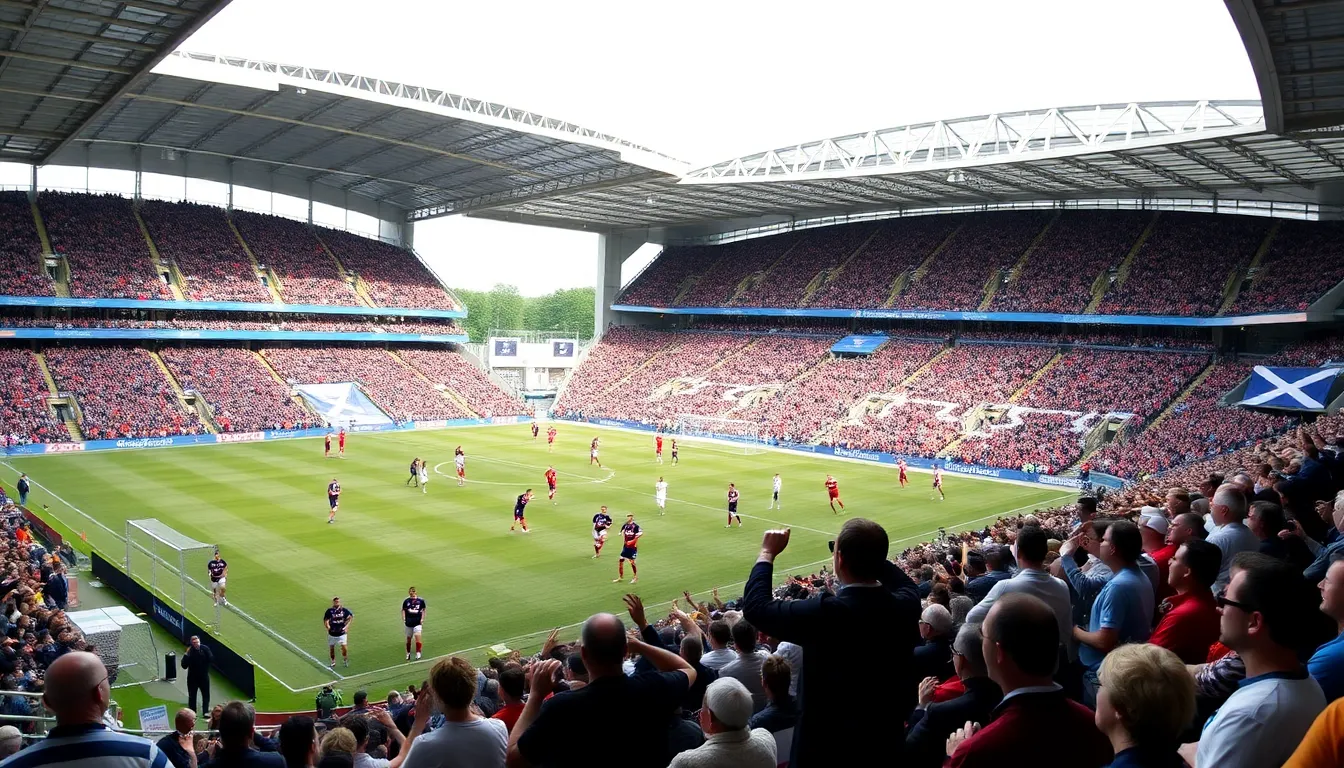
In the mid-term, the split can influence local businesses, particularly those reliant on matchday revenue. Pubs, restaurants, and shops near stadiums may see fluctuations in sales depending on the success of local teams. For example, a top-performing team can drive increased foot traffic, while a struggling team may lead to decreased patronage. This variability poses both risks and opportunities for local economies.
- Risks: Potential decline in attendance for lower-performing teams, impacting local businesses.
- Opportunities: Increased engagement and spending from passionate fans of successful teams.
- Fan Engagement: Enhanced rivalries and community spirit as teams battle for survival or glory.
Moreover, the split can influence club policies regarding player acquisitions and development strategies. Teams at risk of relegation may prioritize short-term results, while those competing for titles might invest in long-term talent development. This strategic shift can reshape the landscape of Scottish football, affecting the overall quality of the league and its appeal to fans and sponsors alike.
A: The split occurs after the regular season where the league is divided into two groups of six teams. The top six teams compete for the championship, while the bottom six fight to avoid relegation. A: The split was introduced to maintain competitive balance and ensure that teams have meaningful matches at the end of the season, regardless of their standings. A: After the split, each team plays five additional matches against the teams in their group, leading to a total of 38 matches in the season. A: Yes, the bottom six teams compete for points to avoid relegation, making the final matches crucial for their survival in the league. A: The teams are determined based on their standings after 30 matches in the regular season, with the top six and bottom six being separated.
Frequently asked questions about the split
Key points and future outlook on the split system
The Scottish Premiership’s split system, which divides the league into two groups of teams after the regular season, serves multiple purposes. It not only maintains competitive balance but also enhances the excitement of the final matches. As teams vie for European qualification or strive to avoid relegation, the stakes become significantly higher, influencing both player performance and fan engagement.
Looking ahead, the implications of this system could lead to shifts in team strategies, especially for those on the cusp of relegation or European spots. Clubs may invest more in player development and scouting to ensure they remain competitive during the crucial split phase. Furthermore, the financial ramifications of league positioning will likely drive clubs to adapt their approaches in the transfer market and overall team management.
- Increased competition: The split intensifies rivalries, making every match critical for teams fighting for their season objectives.
- Strategic planning: Clubs will need to focus on long-term strategies to ensure they are not only competitive during the regular season but also in the split.
- Fan engagement: The heightened stakes during the split phase can lead to increased attendance and viewership, impacting club revenues positively.
- Player performance: Athletes may exhibit improved performances as the pressure mounts, which could affect transfer valuations and contracts.