


The game’s unique blend of roguelike mechanics and traditional coin pusher gameplay has resonated with a wide audience, leading to its rapid ascent in the Steam rankings. Developed by a small team of independent creators, Raccoin has effectively leveraged social media and influencer marketing to generate buzz prior to its launch, contributing to its impressive sales figures. For more on similar games, check out our article on the Xbox Game Pass list for April.
Industry experts are closely monitoring Raccoin’s performance, as it may signal a shift in consumer preferences towards innovative gameplay experiences. The success of this title could inspire other developers to explore unconventional game mechanics, potentially reshaping the landscape of casual gaming, much like the upcoming Game of Thrones mobile game.
As Raccoin continues to gain traction, its impact on the gaming market will likely be further analyzed in the coming weeks. The game’s success not only reflects the potential for indie developers to thrive but also emphasizes the importance of engaging gameplay in attracting a diverse player base.
Understanding the rise of coin pusher games
The phenomenon of coin pusher games has roots that stretch back decades, originating from traditional arcade machines that captivated players with their simple yet addictive mechanics. These machines, often found in amusement parks and arcades, challenged players to drop coins in hopes of pushing other coins off the edge, creating a sense of anticipation and reward. Over the years, this concept has evolved, integrating digital elements and expanding into various forms of entertainment, including mobile apps and online gaming platforms.
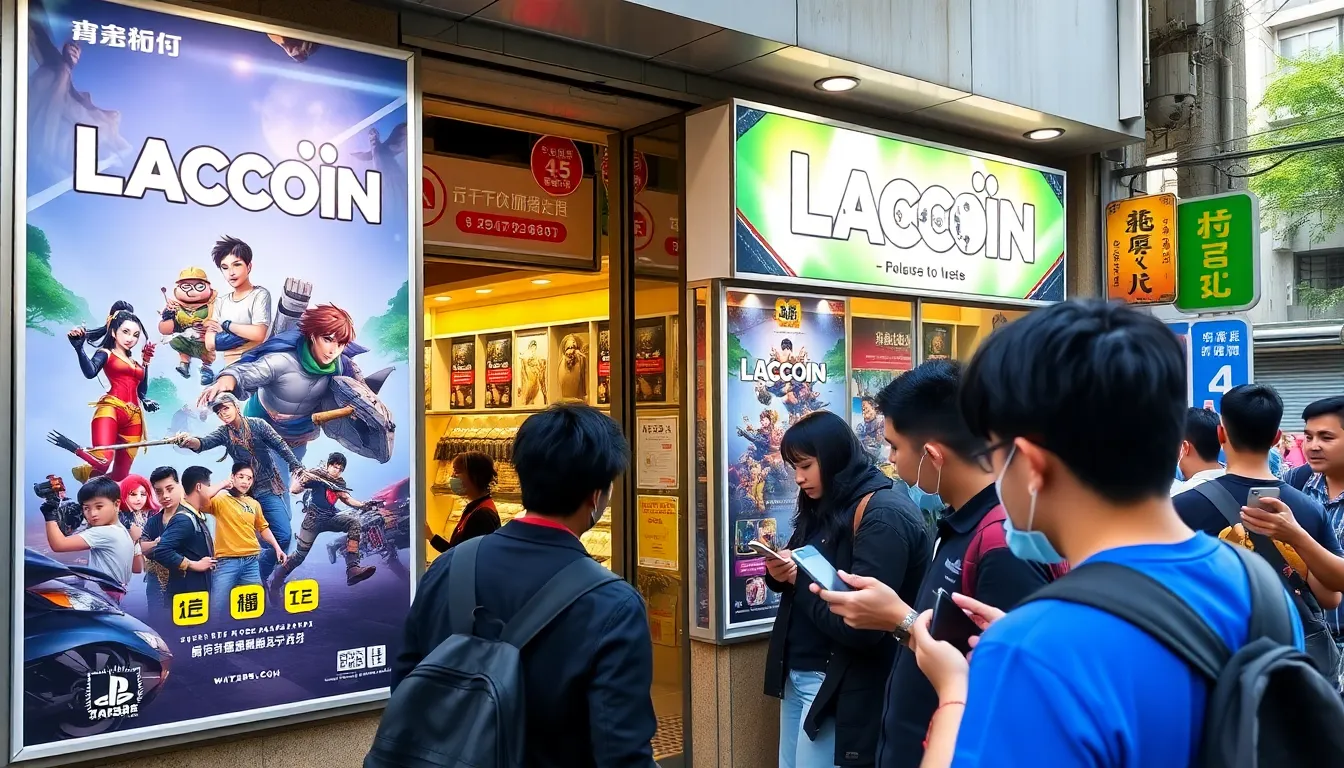
The transition from physical coin pushers to digital formats has been significantly influenced by advancements in technology. With the rise of smartphones and gaming consoles, developers have been able to create more immersive experiences that not only replicate the thrill of coin pushing but also introduce new gameplay elements. This evolution has allowed games like “Raccoin” to tap into nostalgia while appealing to a new generation of players who crave instant gratification and engaging gameplay.
Economically, the gaming industry has witnessed a substantial shift towards microtransactions and in-game purchases, which has fueled the popularity of coin pusher games. Players are often drawn to the low barrier of entry and the potential for quick rewards, making these games highly accessible. The success of “Raccoin,” which sold over 100,000 units on Steam within 24 hours, highlights this trend and underscores the lucrative nature of casual gaming.
The impact of social media and streaming
Another critical factor in the rise of coin pusher games is the influence of social media and streaming platforms. Gamers and influencers share their experiences, creating buzz and excitement around new releases. The visibility provided by platforms like Twitch and YouTube allows games such as “Raccoin” to reach wider audiences quickly. Players are not just consumers; they become part of a community that shares tips, strategies, and experiences, further driving interest and engagement, which echoes the discussions found in our article on solving riddles.
In summary, the convergence of historical gaming mechanics, technological advancements, economic trends, and social media dynamics has paved the way for the remarkable success of coin pusher games like “Raccoin.” This unique blend of factors has not only revitalized a classic gaming format but also positioned it at the forefront of the modern gaming landscape.
Examining the factors behind Raccoin’s success
The recent launch of the “Coin pusher roguelike” game Raccoin on Steam has garnered significant attention, selling over 100,000 units within the first 24 hours. This remarkable achievement highlights the interests of various stakeholders involved in the gaming ecosystem, including developers, publishers, gamers, and regulatory bodies.

At the center of this phenomenon are the developers of Raccoin, who aim to capitalize on the growing popularity of roguelike games. Their interest lies in not only achieving high sales figures but also in establishing a loyal player base that can lead to future expansions and sequels. Additionally, the game’s unique mechanics and engaging gameplay are designed to attract players looking for innovative experiences in the gaming market.
Publishers and distributors also play a crucial role in this success story. Their interests revolve around maximizing revenue and market share in the competitive gaming industry. The swift sales of Raccoin may prompt these entities to invest more in similar titles, thereby influencing the types of games that are developed and promoted in the future. This could lead to a trend where unique and niche genres receive more attention, altering the landscape of game publishing.
However, the launch of Raccoin is not without its challenges. Key issues include potential regulatory scrutiny regarding monetization practices, particularly if the game incorporates elements that could be perceived as gambling. Moreover, the rapid sales could lead to server strain and customer dissatisfaction if the infrastructure cannot handle the influx of players. Developers must navigate these conflicts, balancing innovation with compliance and player expectations.
- Developer interests: Focus on innovation and player engagement.
- Publisher interests: Maximizing revenue and exploring new market opportunities.
- Regulatory challenges: Potential scrutiny over game mechanics related to gambling.
- Infrastructure concerns: Ensuring server capabilities to handle high player volumes.
- Market trends: Influence on future game development based on Raccoin’s success.
The impact of Raccoin’s sales on the gaming industry
The rapid success of Raccoin, with over 100K units sold on Steam within just 24 hours, has significant implications for various groups and industries. Primarily, the gaming industry is witnessing a surge in interest towards innovative game mechanics, particularly the “coin pusher” genre. This trend could influence game developers to explore similar concepts, potentially leading to a wave of new titles that capitalize on this unique gameplay style.
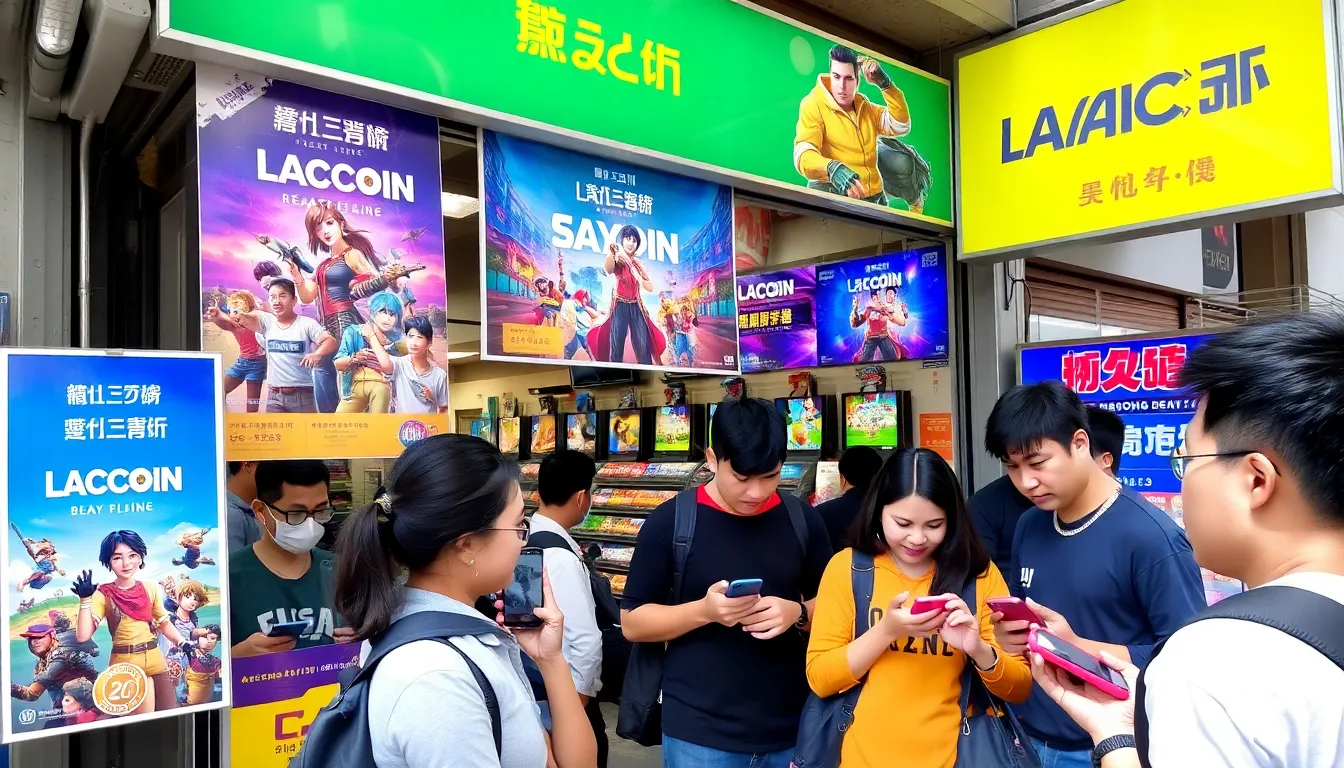
Moreover, players and gaming communities are directly affected by the popularity of Raccoin. The influx of new players can invigorate online forums and social media discussions, creating a vibrant community around the game. This engagement can lead to increased sales of related merchandise and in-game purchases, benefiting not only the developers but also third-party vendors and content creators.
In the short term, businesses associated with the gaming industry, such as streaming platforms and esports organizations, may experience a boost in traffic and engagement as Raccoin garners attention. This could result in increased sponsorship opportunities and advertising revenue, as brands seek to capitalize on the game’s popularity. However, there are risks involved, including market saturation if too many similar games are released in quick succession, potentially leading to consumer fatigue.
- Opportunities: Increased revenue for developers and related businesses.
- Risks: Potential market saturation and consumer fatigue.
- Impact on community: Growth of player engagement and content creation.
In the mid-term, the success of Raccoin could influence gaming policy discussions, particularly regarding monetization strategies and consumer protection. As more games adopt similar mechanics, regulators may scrutinize these practices, leading to potential changes in how in-game purchases are handled. This could have lasting effects on the industry, shaping how developers approach game design and monetization moving forward.
A: Raccoin is a new coin pusher roguelike game that combines traditional arcade mechanics with roguelike elements, offering players a unique gaming experience. A: The game’s innovative mechanics, effective marketing strategies, and positive early reviews have contributed to its rapid sales growth. A: Currently, Raccoin is exclusively available on Steam, but there are plans for potential releases on other platforms in the future. A: Yes, Raccoin includes optional in-game purchases that enhance the gaming experience but are not necessary to progress in the game. A: Raccoin stands out due to its roguelike elements, which add depth and replayability, differentiating it from traditional coin pusher games.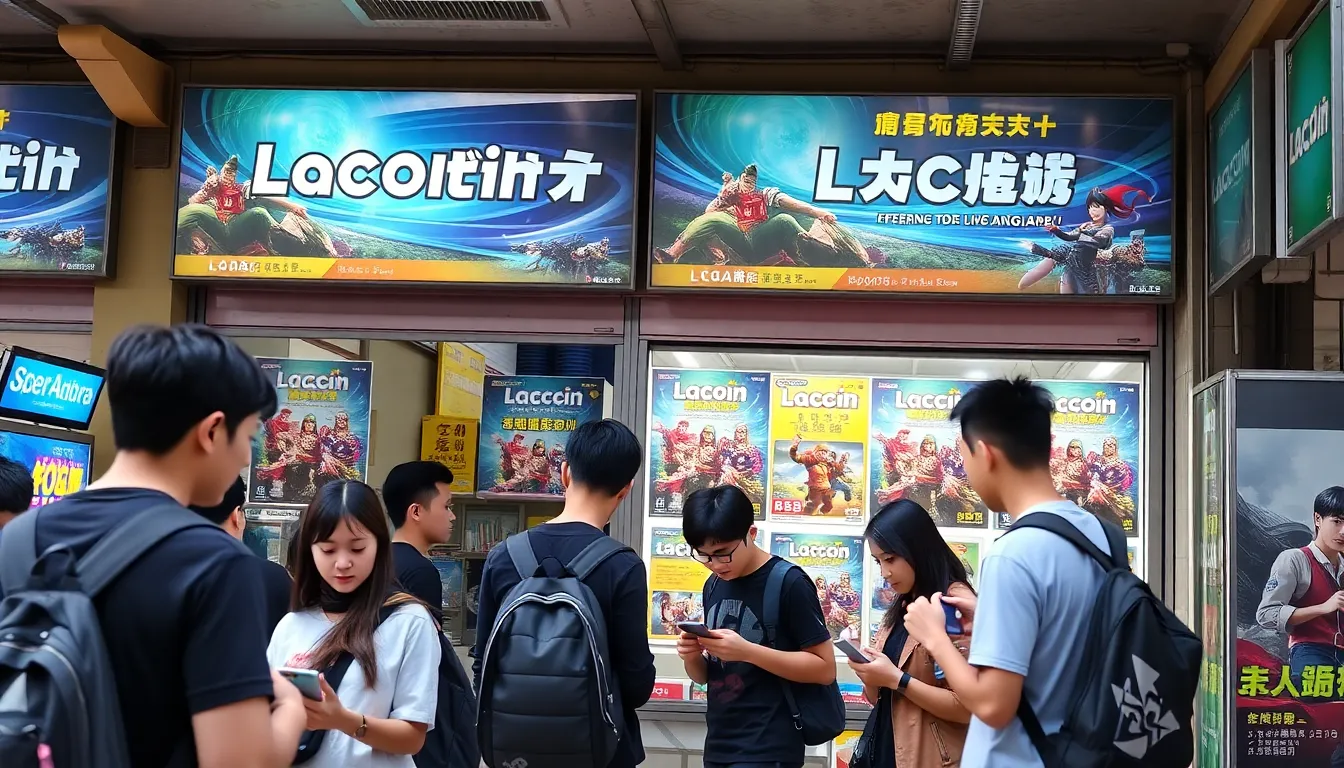
Frequently asked questions about Raccoin
Insights on the future of Raccoin and its genre
The remarkable success of Raccoin, achieving over 100,000 units sold on Steam within just 24 hours, highlights a significant interest in the coin pusher roguelike genre. This surge in sales not only reflects the game’s unique mechanics and engaging gameplay but also points to a growing demand for innovative takes on traditional gaming concepts. As players seek fresh experiences, developers may find opportunities to explore and expand upon this genre.
Looking ahead, the performance of Raccoin could influence both market trends and the development strategies of other game creators. The game’s reception may encourage similar titles to emerge, fostering a competitive landscape where creativity and player engagement become paramount. Observing how Raccoin evolves post-launch will be essential for understanding the long-term viability of this genre.
- Monitor player feedback: The ongoing reception of Raccoin will provide insights into player preferences and potential areas for improvement.
- Watch for genre expansion: Success may inspire other developers to explore and innovate within the coin pusher roguelike framework.
- Evaluate marketing strategies: The game’s launch tactics could serve as a case study for effective promotional approaches in the gaming industry.
- Consider community engagement: Building a strong player community may be crucial for sustaining interest and driving future updates or expansions.