


Notable figures such as Leonardo DiCaprio, Jennifer Aniston, and Tom Hanks have publicly shared their concerns, citing the potential risks to artistic integrity and diversity in storytelling. The merger, which is currently under regulatory review, has raised alarms about the increasing concentration of media power in the hands of a few corporations.
The merger discussions gained momentum in early October 2023, prompting a series of public statements from the coalition of actors. They argue that such a merger would not only stifle competition but also limit the variety of content available to audiences, ultimately impacting the cultural landscape.
As negotiations continue, industry analysts are closely monitoring the situation, highlighting the importance of preserving a diverse and vibrant film industry. With the voices of Hollywood’s elite rallying against the merger, the outcome could have lasting implications for the future of film and television production.
Understanding the background of the merger
The proposed merger between Paramount and Warner Bros Discovery has sparked significant controversy within the entertainment industry, particularly among Hollywood stars who fear the implications for creative freedom and job security. Historically, the consolidation of major studios has been a recurring theme in Hollywood, often driven by the need for companies to compete in an increasingly globalized market. This merger represents a culmination of years of strategic acquisitions and partnerships aimed at creating larger media entities capable of producing and distributing content across multiple platforms.
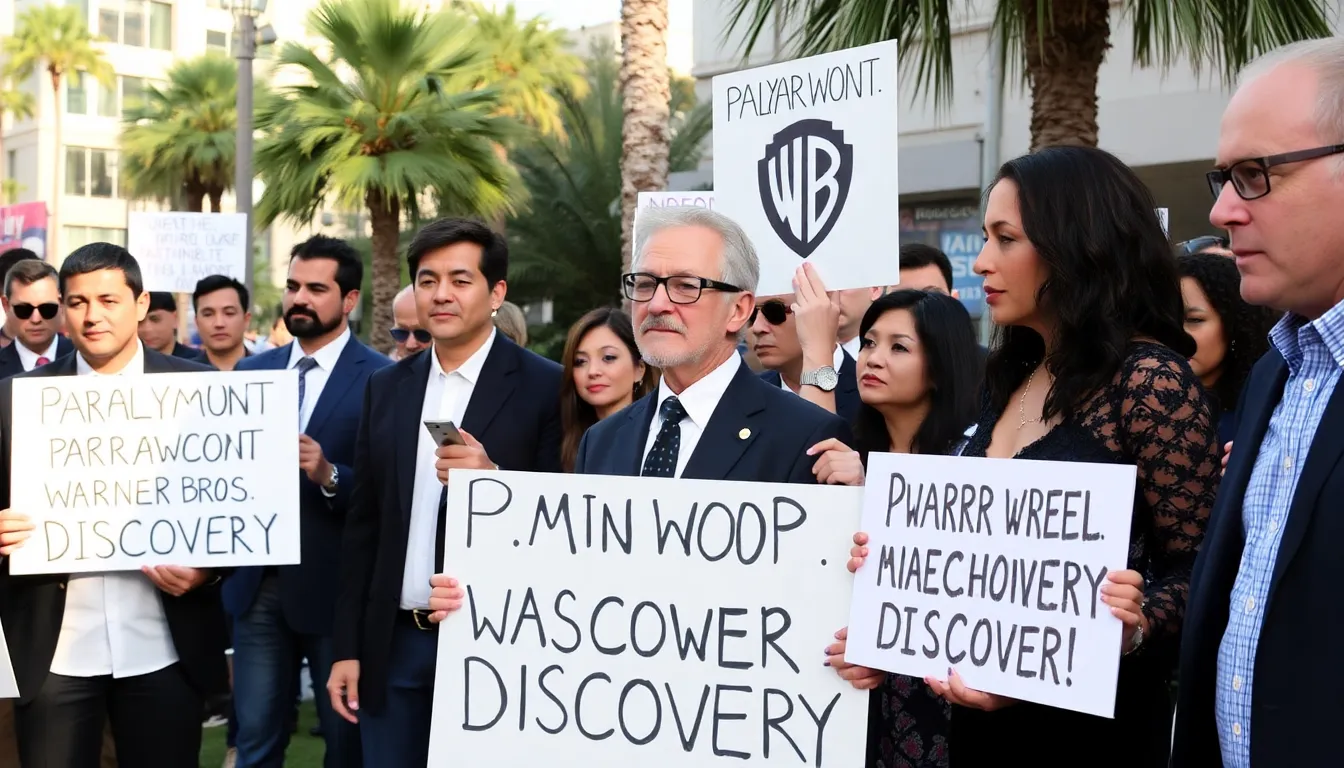
In the past decade, the media landscape has undergone a seismic shift with the rise of streaming services like Netflix and Disney+. These platforms have not only changed how audiences consume content but have also intensified competition among traditional studios. The merger between Paramount and Warner Bros Discovery is seen by many as a defensive move to maintain relevance in an era dominated by tech giants. However, this consolidation raises concerns about reduced diversity in storytelling and the potential for monopolistic practices in the industry.
Historical Context of Mergers in Hollywood
Hollywood has a long history of mergers and acquisitions that have reshaped the industry. Notable examples include the merger of Disney and Pixar in 2006, which resulted in a powerhouse of animated films, and the acquisition of 21st Century Fox by Disney in 2019, which significantly expanded Disney’s content library. These mergers often promise increased efficiency and creativity but can also lead to a homogenization of content as fewer voices control the narrative. The current opposition from Hollywood stars reflects a growing awareness of these dynamics and a desire to protect the artistic integrity of the industry.
As the merger discussions unfold, the voices of influential actors and filmmakers are becoming increasingly prominent. Many are advocating for a more equitable industry that prioritizes diverse storytelling and fair labor practices. The outcome of this merger will not only impact the companies involved but also set a precedent for future consolidations in the entertainment sector, making it a critical moment in Hollywood’s ongoing evolution.
Key stakeholders and issues at play
The proposed merger between Paramount and Warner Bros Discovery has sparked significant opposition from various Hollywood stars and industry stakeholders. These actors not only represent a powerful voice within the entertainment industry but also have vested interests in the implications of such a consolidation. Their concerns primarily revolve around issues of creative control, job security, and the overall impact on the diversity of content produced.
Among the key stakeholders are:
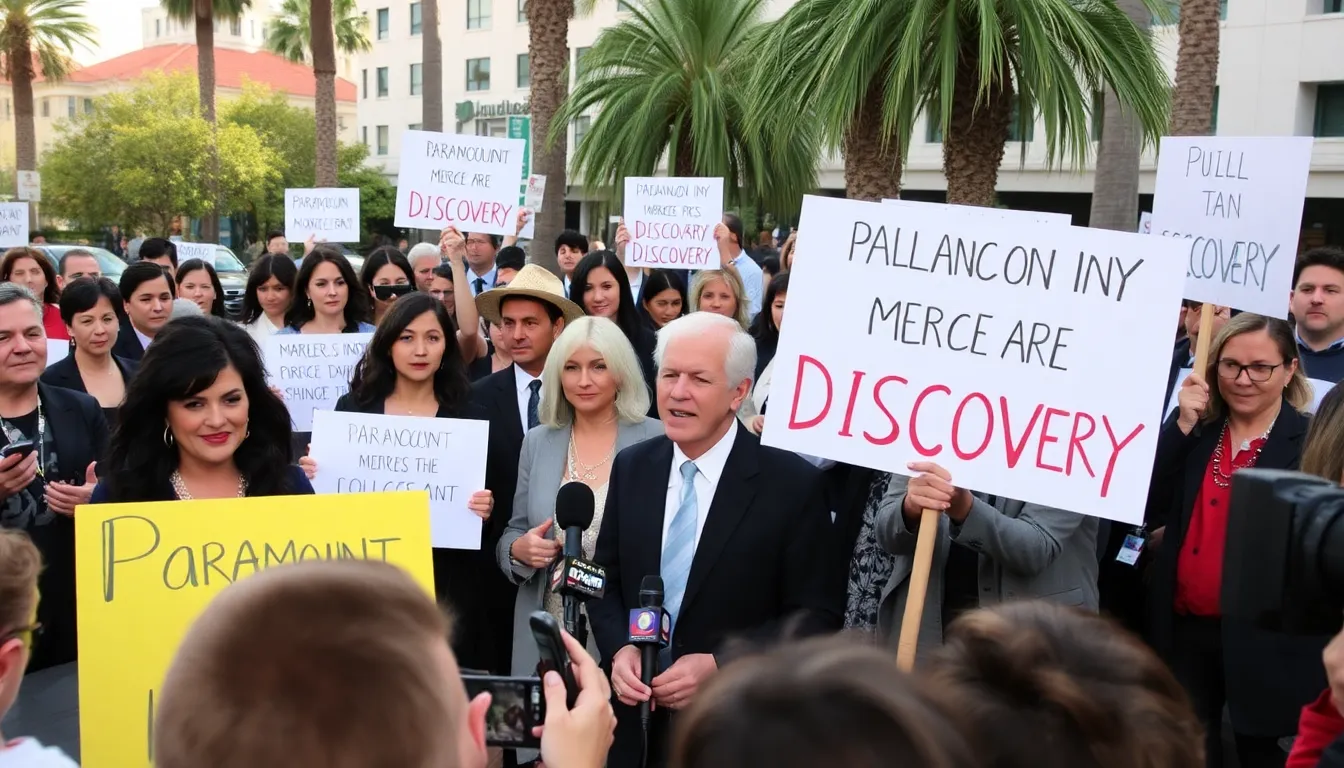
- Hollywood Stars: Actors and filmmakers who fear that the merger may lead to reduced opportunities for diverse storytelling and limit artistic freedoms.
- Production Companies: Smaller studios that may face increased competition and pressure from a more dominant merged entity, potentially affecting their survival.
- Regulatory Bodies: Government organizations that assess the merger’s compliance with antitrust laws and its potential impact on market competition.
One of the central conflicts arises from the balance between economic efficiency and creative integrity. Proponents of the merger argue that it can lead to cost savings and enhanced competitiveness on a global scale. However, critics contend that such a consolidation could stifle innovation and lead to a homogenization of content, ultimately harming the artistic landscape of Hollywood.
Additionally, legal issues surrounding antitrust regulations are significant. The merger will likely undergo scrutiny from regulators who will evaluate its potential to create a monopoly in the entertainment sector. This legal examination could delay the merger process and influence the negotiating power of both companies involved.
Ultimately, the ongoing debate reflects broader concerns within the entertainment industry about the future of media consolidation and its ramifications for stakeholders across the board. As Hollywood stars rally against the merger, their voices highlight the complexities and trade-offs inherent in such significant corporate maneuvers.
Potential effects on the film industry and audiences
The proposed merger between Paramount and Warner Bros Discovery stands to significantly impact various groups within the film industry and the broader audience. Key stakeholders include filmmakers, actors, production crews, and distribution channels. Additionally, audiences who rely on diverse content offerings may also feel the repercussions of this consolidation.
In the short term, the merger could lead to a reduction in the variety of films produced, as the combined entity may prioritize blockbuster franchises over niche projects. This shift might limit opportunities for independent filmmakers and reduce the diversity of storytelling available to viewers. Moreover, the workforce in affected regions, particularly in Hollywood and its surrounding areas, could face job insecurity as companies streamline operations.
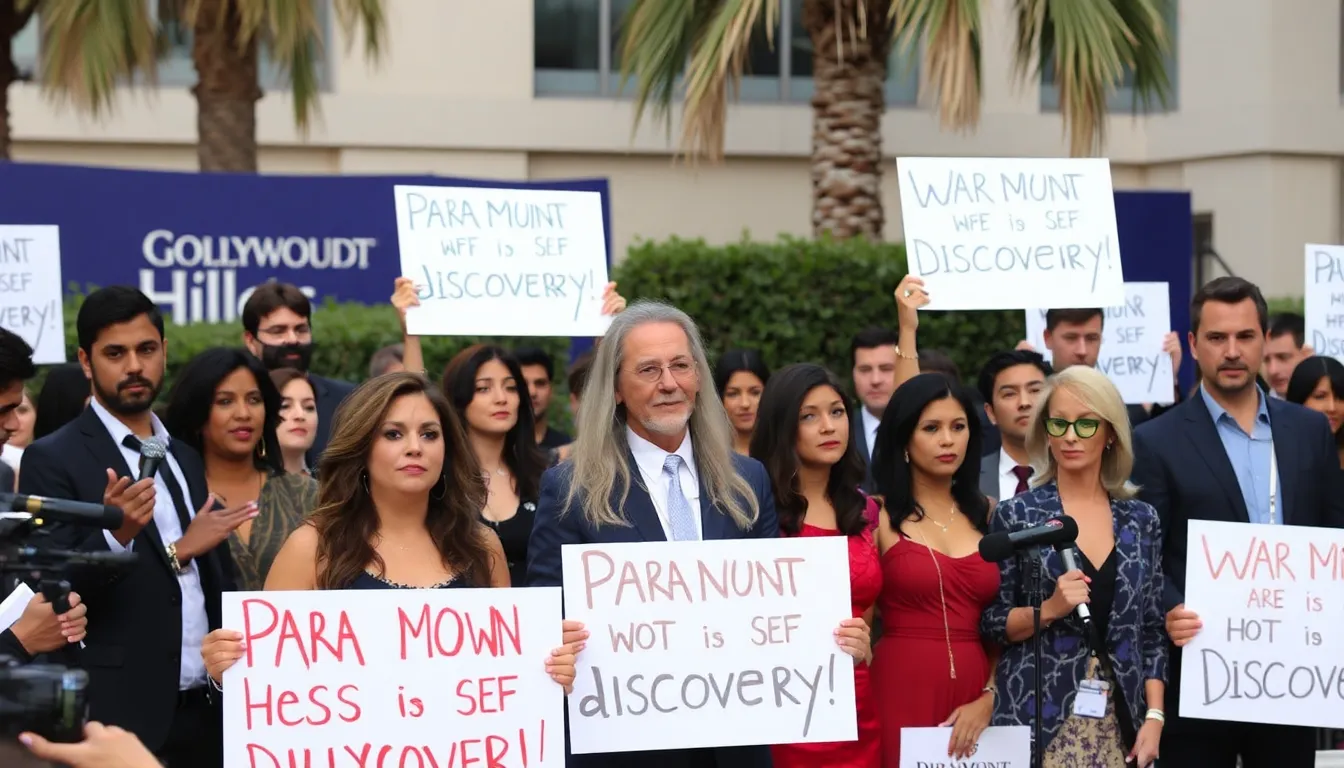
Mid-term impacts may involve changes in content distribution strategies, which could affect streaming services and traditional theaters. As the merged companies seek to optimize their portfolios, audiences might experience a shift in available content on streaming platforms, leading to potential dissatisfaction among subscribers. Additionally, the consolidation could influence pricing strategies, resulting in higher subscription costs for consumers.
- Risks: Job losses in production and distribution, reduced film diversity, potential increase in subscription prices.
- Opportunities: Streamlined operations may lead to higher-quality productions, potential for cross-promotion of franchises, and increased investment in technology for content delivery.
Ultimately, the merger will reshape the landscape of the film industry, with both risks and opportunities for those involved. As Hollywood stars rally against this consolidation, the outcome will likely influence not only the industry but also the viewing experience for millions of fans worldwide.
A: Hollywood stars are concerned that the merger will lead to reduced creative opportunities and increased corporate control over content, potentially stifling diversity in storytelling. A: The merger could lead to significant consolidation in the industry, impacting competition and possibly resulting in fewer choices for consumers. A: Currently, there are discussions about potential legal challenges, as industry advocates may seek to block the merger on antitrust grounds. A: Industry analysts are divided; some believe it could create efficiencies, while others warn it may harm the creative landscape. A: Fans can voice their opinions on social media, support independent films, and engage in discussions about the importance of diverse storytelling.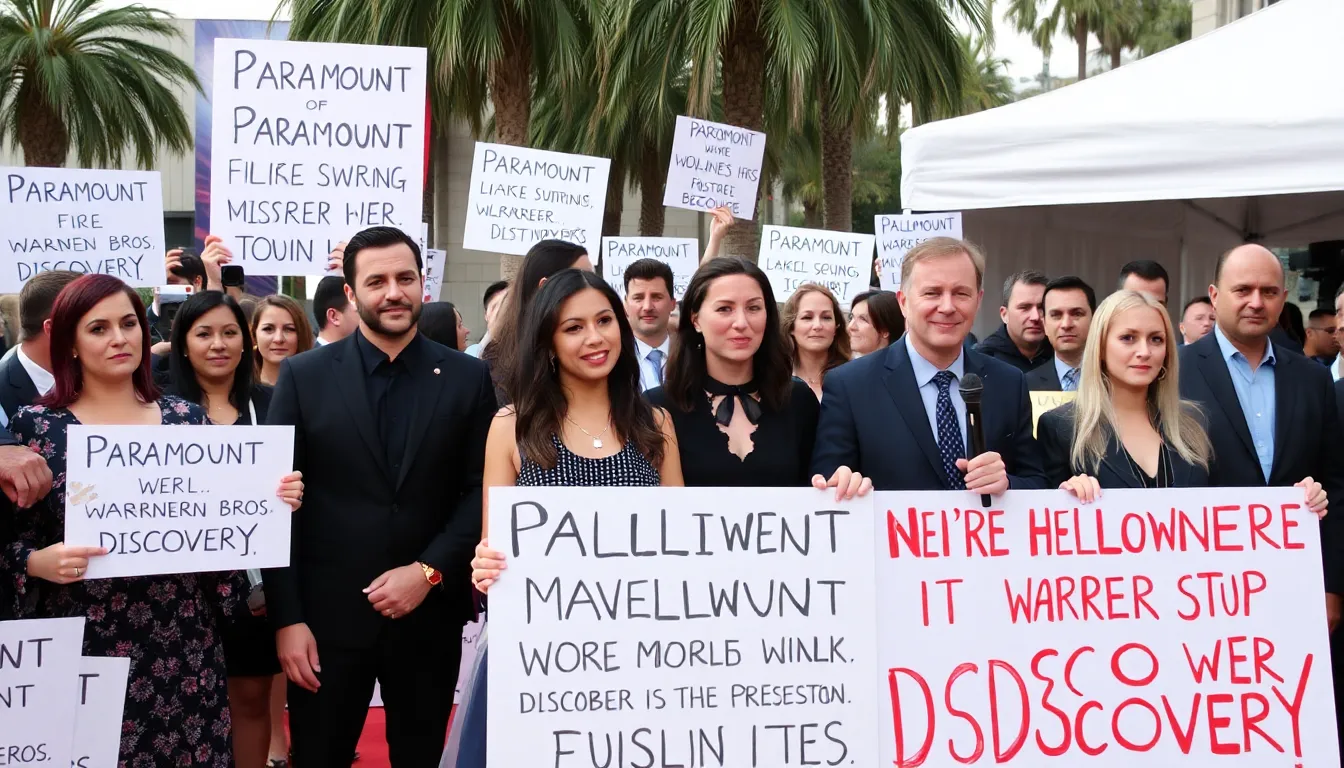
Frequently asked questions about the merger
Key takeaways and future outlook on the merger
The opposition from Hollywood stars to the proposed merger between Paramount and Warner Bros Discovery highlights a significant shift in the entertainment landscape. As these influential figures voice their concerns, it reflects deeper apprehensions about the concentration of power within the industry and its potential impact on creative freedom and diversity. The outcome of this merger could reshape not only the companies involved but also the broader dynamics of content creation and distribution.
Moving forward, stakeholders should closely monitor the responses from regulatory bodies and the potential for public sentiment to influence corporate decisions. The reaction from the creative community may also set a precedent for future mergers in the industry, emphasizing the importance of maintaining a balance between business interests and artistic integrity.
- The merger could face increased scrutiny from regulators, potentially delaying or altering its terms.
- Hollywood’s vocal opposition may inspire other artists and creators to engage in advocacy regarding industry practices.
- Future mergers may need to consider public perception and the impact on creative diversity more seriously.
- The evolving landscape may lead to new models of collaboration or competition among studios.
- Investors will be watching closely to gauge how this merger affects stock performance and market stability.