


In the United Kingdom, junior doctors staged a series of strikes throughout 2023, culminating in a three-day walkout in July that garnered significant media attention. The British Medical Association (BMA) reported that the strikes were necessary to address long-standing issues related to pay erosion and excessive workloads. Meanwhile, similar movements have been observed in countries like the United States and Australia, where doctors are advocating for changes in healthcare policy and compensation structures.
The impact of these strikes extends beyond immediate disruptions to healthcare services. Some studies suggest that such actions can lead to improved working conditions and enhanced patient care in the long run. For instance, after previous strikes, hospitals in certain regions reported better staffing levels and reduced burnout among healthcare workers. However, the question remains whether these benefits are sustainable or merely temporary fixes.
As the strikes continue, public opinion remains divided. While many support the doctors’ right to protest for better conditions, others express concern about the potential risks to patient safety and access to care. This ongoing debate highlights the complex relationship between healthcare providers and the systems in which they operate, raising questions about the future of healthcare delivery in the face of such labor actions.
Recommended Articles
- Girl group Flo enters their bombastic confident strong era
- Idaho cuts services for people with schizophrenia leading to tragic outcomes
- Incontinence issues affecting athletes during competition
- Can you solve it R y clvr ngh t rd ths sntnc
- Balamory is back with Miss Hoolie and PC Plum revealing what to expect
- Girl group Flo enters their bombastic confident strong era
- Idaho cuts services for people with schizophrenia leading to tragic outcomes
- Incontinence issues affecting athletes during competition
- Can you solve it R y clvr ngh t rd ths sntnc
- Balamory is back with Miss Hoolie and PC Plum revealing what to expect
Exploring the historical background of healthcare strikes
The phenomenon of healthcare strikes is not new; it has roots that extend back several decades. In many countries, doctors and healthcare professionals have taken to the streets to voice their frustrations over working conditions, pay, and the overall state of the healthcare system. The 1970s and 1980s saw significant labor movements in the healthcare sector, particularly in the United States and the United Kingdom, where physicians began to organize for better wages and improved working conditions.
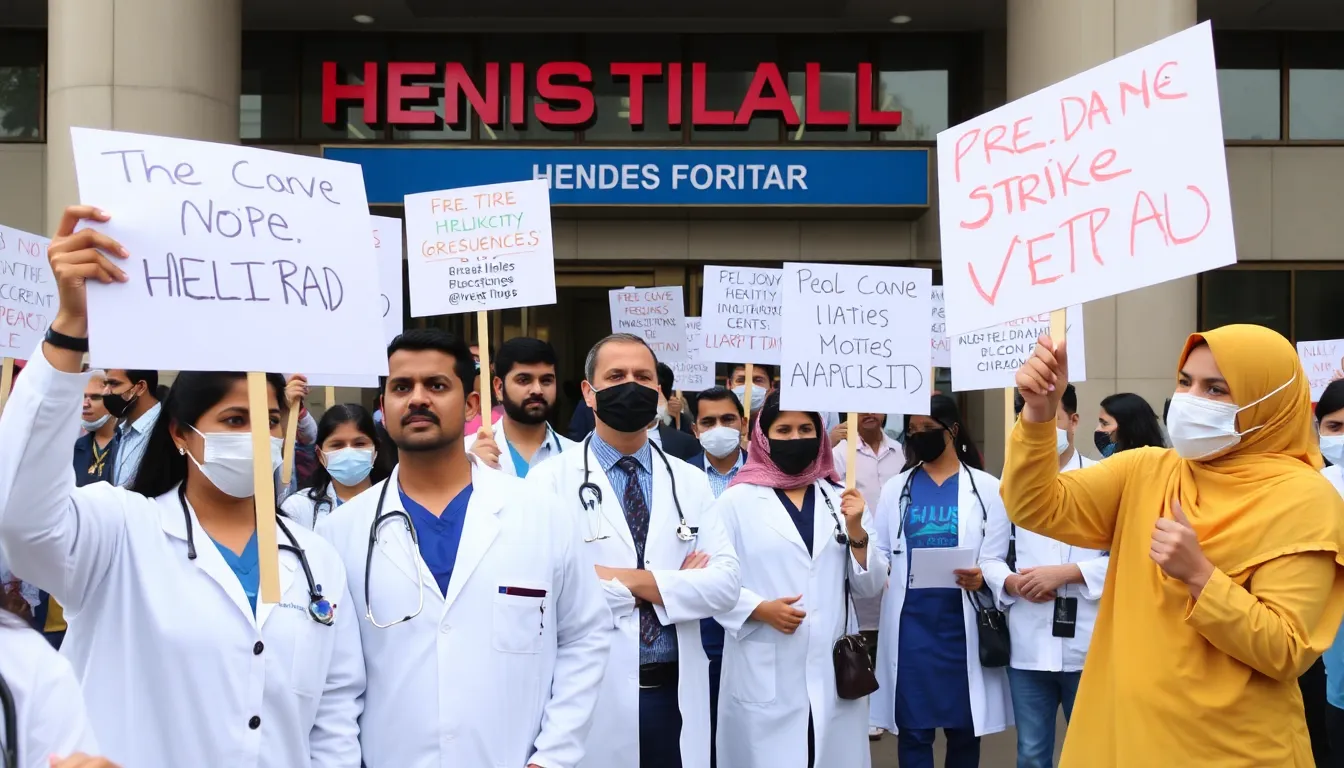
One of the pivotal moments in the history of healthcare strikes occurred in the UK in 1975, when junior doctors went on strike for better pay and working hours. This event set a precedent for future actions, highlighting the power of collective bargaining in the healthcare industry. The strike not only brought attention to the plight of junior doctors but also sparked discussions about the sustainability of the National Health Service (NHS) and its ability to meet the needs of both its workforce and patients.
The economic factors influencing healthcare strikes
Economic factors have consistently played a critical role in driving healthcare professionals to strike. Budget cuts, rising operational costs, and stagnant wages have created an environment where many doctors feel undervalued and overworked. In recent years, the COVID-19 pandemic exacerbated these issues, as healthcare systems around the world faced unprecedented pressure. Many doctors reported burnout and dissatisfaction, leading to increased calls for action.
Moreover, the economic landscape has shifted dramatically in the past few decades, with many countries facing challenges related to healthcare funding. As governments grapple with limited resources, healthcare workers often find themselves fighting for a larger share of the budget. This ongoing struggle has led to a cycle of strikes and negotiations, with varying degrees of success in achieving long-term improvements.
In addition to economic pressures, social factors have also contributed to the rise of healthcare strikes. Public sentiment towards healthcare workers has shifted, with many citizens expressing support for doctors who advocate for better working conditions. This growing public awareness has sometimes resulted in surprising benefits for the striking professionals, as community support can bolster their negotiating power and lead to more favorable outcomes.
Analyzing the key stakeholders involved in doctors’ strikes
Doctors’ strikes involve a variety of stakeholders, each with distinct interests and perspectives. The primary actors include healthcare professionals, government bodies, hospital administrations, patients, and advocacy organizations. Understanding their motivations is crucial for analyzing the broader implications of such strikes.
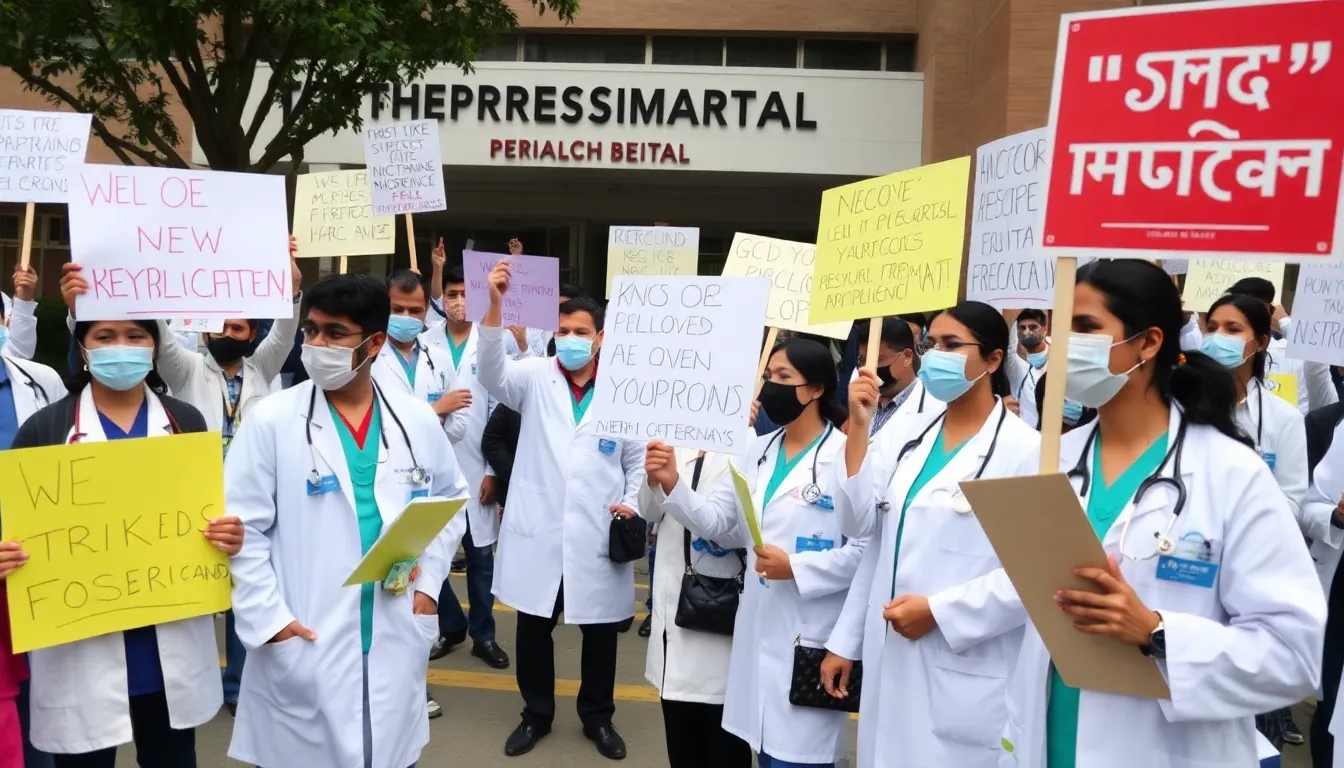
Healthcare professionals, particularly doctors, are often driven by concerns over working conditions, pay, and patient care standards. They seek to negotiate better contracts that reflect their expertise and the demands of their roles. Strikes serve as a powerful tool for these professionals to voice their grievances and push for necessary reforms.
On the other hand, government bodies and hospital administrations have to balance budget constraints with the need to maintain quality healthcare services. Their interests often conflict with those of doctors, as they may prioritize cost-cutting measures or policies that do not align with the demands of medical staff. This can lead to tensions that escalate during strike actions.
Patients are also key stakeholders, as they are directly affected by the disruptions caused by strikes. Their interests lie in accessing timely and effective healthcare. Strikes can lead to delays in treatment and a backlog of medical services, which raises ethical concerns regarding patient care and safety. However, some patients may support the strikes if they believe they will lead to improved healthcare in the long run.
- Trade-offs: The immediate impact of strikes may result in compromised patient care, but they can also lead to long-term improvements in healthcare systems.
- Legal issues: Strikes can raise legal questions regarding labor laws, the right to protest, and the obligations of healthcare providers to ensure patient safety during industrial action.
- Economic implications: Prolonged strikes can strain healthcare budgets and impact the economy, raising concerns about the sustainability of such actions.
Assessing the impact on patients and the healthcare market
The ongoing strikes by doctors have significant repercussions for various groups, particularly patients, healthcare providers, and the broader healthcare market. Patients are often the most directly affected, facing delays in treatment, postponed surgeries, and limited access to routine care. This disruption can lead to worsening health conditions, increased anxiety, and a growing backlog in healthcare services.
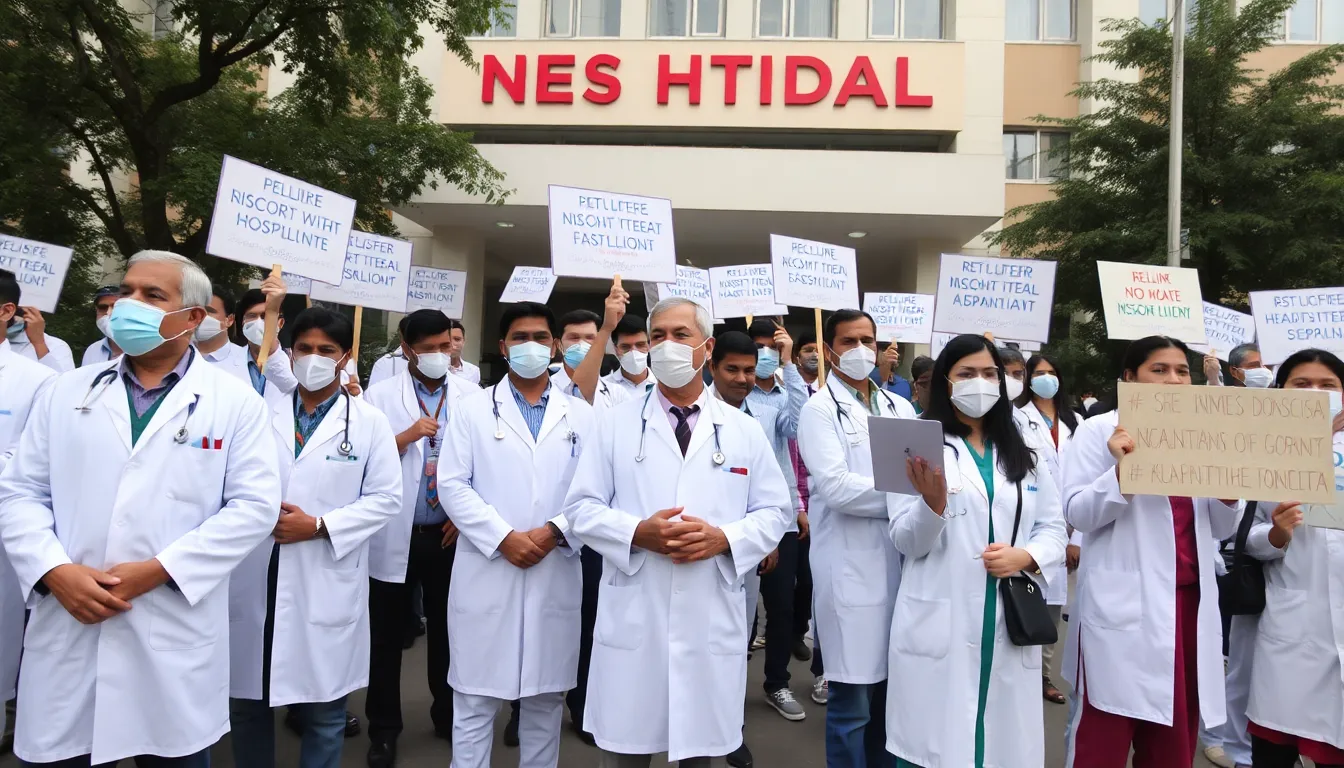
In the short term, the strikes can lead to immediate challenges for patients, including longer wait times and reduced availability of medical staff. Many individuals may find themselves seeking alternative care options, which could strain urgent care facilities and emergency rooms. Additionally, patients with chronic conditions may experience interruptions in their treatment plans, leading to potential health complications.
From a mid-term perspective, the strikes can also influence healthcare policies and funding. As the public becomes more aware of the challenges faced by doctors, there may be increased pressure on governments to address the underlying issues that lead to such strikes. This could result in policy changes that prioritize healthcare funding, workforce recruitment, and retention strategies.
- Risks: Increased patient health risks, potential for burnout among remaining healthcare staff, and a backlog of medical procedures.
- Opportunities: Enhanced public awareness of healthcare issues, potential reforms in healthcare policy, and increased investment in healthcare infrastructure.
Regions with a high concentration of healthcare facilities may see a more pronounced impact, as the strikes could disrupt the balance of care available to the community. Rural areas, in particular, may struggle more than urban centers due to fewer alternative options for care. As healthcare systems navigate these challenges, the long-term sustainability of the benefits gained from these strikes will depend on the willingness of stakeholders to engage in meaningful dialogue and implement necessary changes.
A: Doctors often strike due to issues like inadequate pay, poor working conditions, and lack of resources. These strikes aim to draw attention to systemic problems within the healthcare system. A: While strikes can disrupt services, they may also highlight the need for better healthcare policies that ultimately benefit patients. However, the immediate impact can lead to delayed treatments and increased wait times. A: Yes, strikes can lead to negotiations that improve working conditions and pay for doctors, which can enhance the overall quality of care in the long run. A: The sustainability of benefits depends on the willingness of healthcare systems to implement changes post-strike. Without ongoing dialogue and reform, improvements may be temporary. A: Proactive measures such as regular negotiations, better resource allocation, and addressing doctors’ concerns can help prevent strikes and ensure a more stable healthcare environment.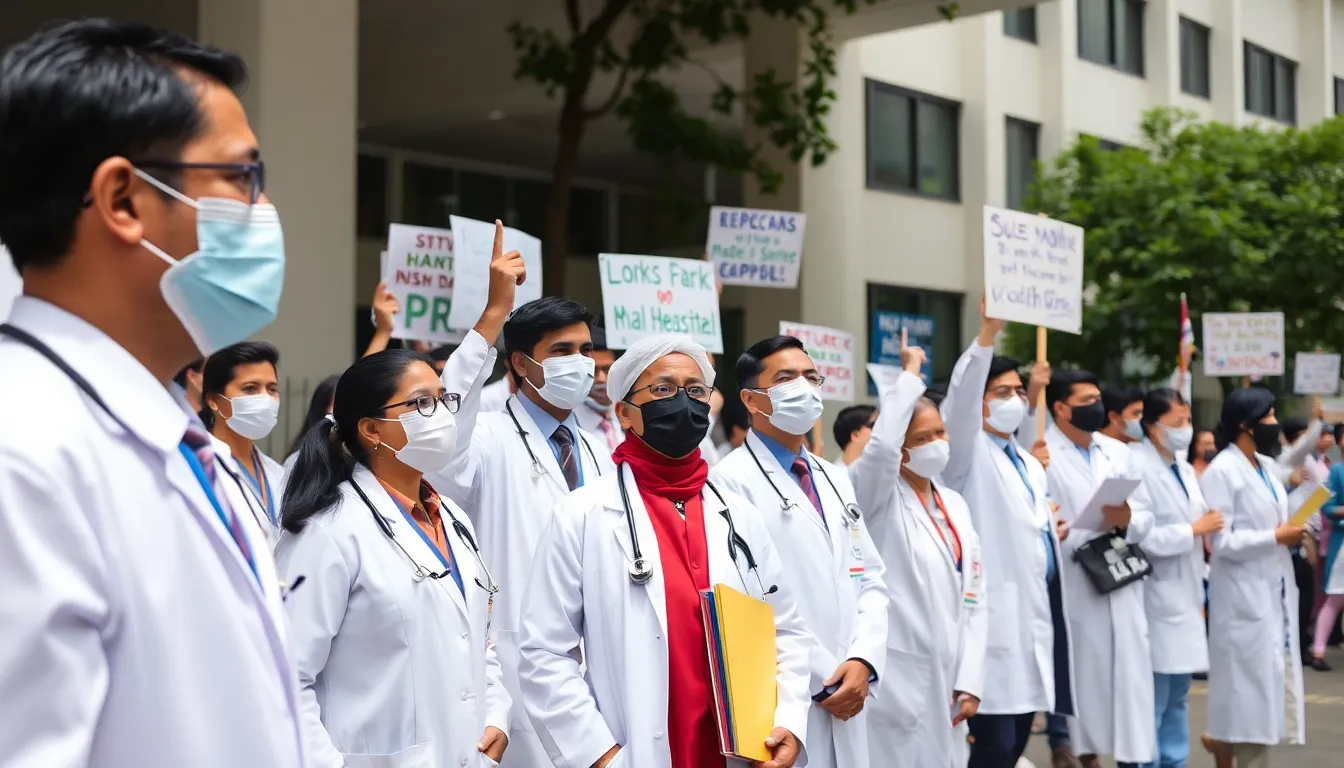
Frequently asked questions about doctors’ strikes
Key insights and future outlook on doctors’ strikes
The recent wave of doctors’ strikes has illuminated not only the challenges faced by healthcare professionals but also the potential for positive change within the system. While the immediate disruptions to patient care are evident, these strikes often catalyze necessary discussions about healthcare funding, working conditions, and patient rights. Observing the outcomes of these actions can provide valuable insights into the sustainability of such movements and their long-term effects on the healthcare landscape.
As the healthcare sector evolves, it will be crucial to monitor how these strikes influence policy reforms and the overall morale of medical professionals. The balance between advocating for better conditions and maintaining uninterrupted patient care will remain a key challenge for stakeholders.
- Increased awareness: Strikes can highlight systemic issues, prompting public and governmental attention to healthcare funding and policy changes.
- Impact on patient care: Short-term disruptions may lead to long-term improvements in working conditions, ultimately benefiting patient outcomes.
- Potential for reform: Successful negotiations post-strike can pave the way for more sustainable practices and equitable treatment of healthcare workers.
- Public support: Ongoing public sentiment towards doctors’ strikes can influence future actions and the willingness of healthcare professionals to advocate for their rights.
- Monitoring outcomes: Tracking the long-term effects of these strikes will be essential to understanding their true impact on the healthcare system.