


The misinterpretation quickly went viral on social media, prompting discussions about cultural sensitivity and the importance of understanding diverse traditions. Critics argued that such a mistake not only disrespects the culture represented but also highlights a broader issue of cultural appropriation in the entertainment industry. For more on this topic, check out our article on cultural appreciation.
In response to the backlash, Carpenter issued a public apology, acknowledging that she “could have handled it better.” She expressed regret for her comments and emphasized her intention to celebrate all cultures through her music, underscoring her commitment to learning from the experience.
This incident has sparked a wider conversation about the responsibilities of artists in representing cultural elements accurately and respectfully. As the festival continues to garner attention, the implications of Carpenter’s remarks may influence how performers approach cultural themes in their work moving forward.
Understanding the cultural significance of the Arabic celebration call
The Arabic celebration call, known as “Zaghareet,” is a traditional vocal expression used in various cultural celebrations across the Arab world. It is characterized by a series of high-pitched trills and is often employed during joyous occasions such as weddings, births, and festivals. This form of expression is deeply rooted in the social fabric of many Arab communities, symbolizing happiness and communal unity.
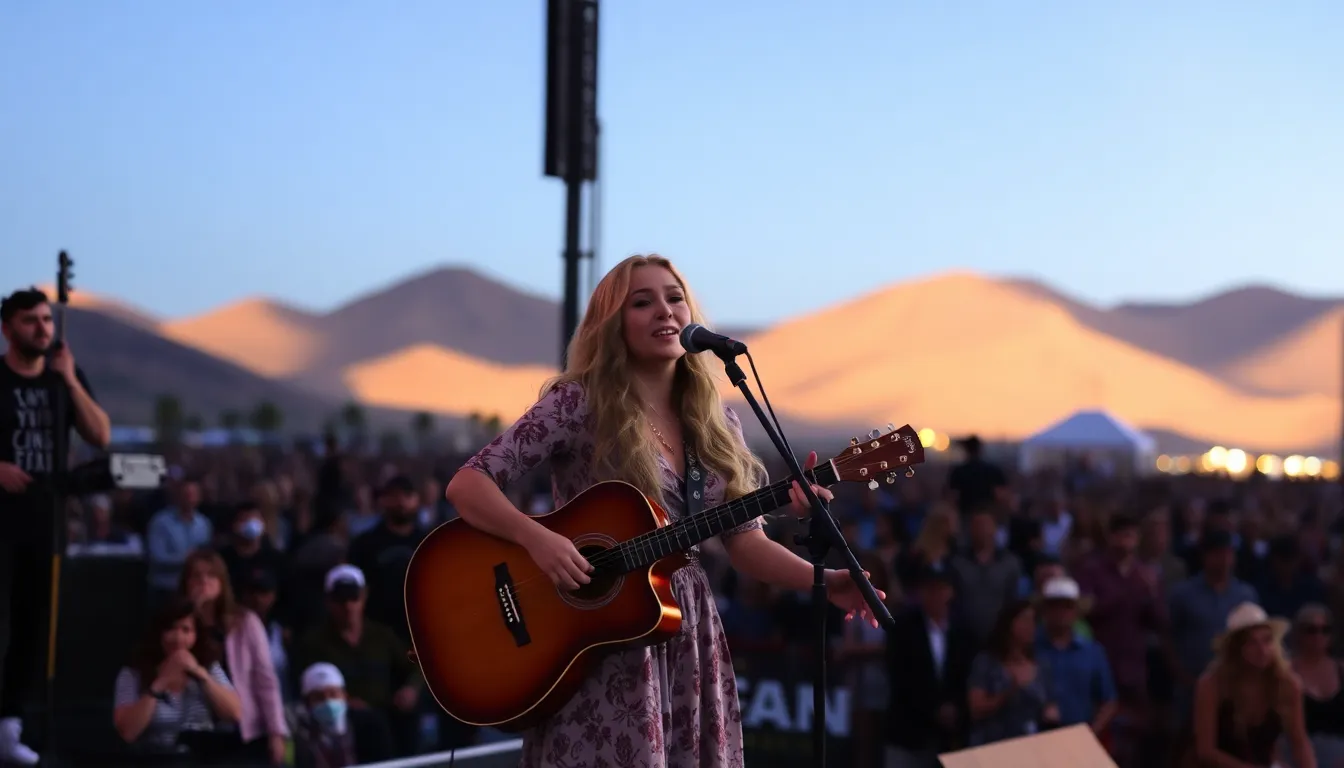
Historically, the Zaghareet has been a means of connecting generations, as older women often teach younger ones how to perform it, passing down the tradition. This vocal art form transcends mere sound; it embodies the spirit of celebration and the collective identity of the community. Misinterpretations of such cultural expressions can lead to misunderstandings and highlight the importance of cultural sensitivity in a globalized world. For more insights, you may find our review on You, Me & Tuscany interesting.
In recent years, the representation of diverse cultures in mainstream media and entertainment has gained increased scrutiny. Artists and performers, particularly those in high-profile platforms like Coachella, are expected to be aware of the cultural significance of the elements they encounter. This expectation is rooted in a broader social movement advocating for cultural appreciation over appropriation, urging individuals to engage with and respect the traditions of others.
The impact of social media on cultural sensitivity
Social media plays a crucial role in amplifying voices and perspectives on cultural issues. Incidents like Sabrina Carpenter’s misunderstanding can quickly become viral, leading to widespread discussion and critique. The rapid dissemination of information allows for immediate feedback, which can serve as both a learning opportunity and a source of backlash for public figures. In this case, Carpenter’s apology reflects an awareness of the impact her actions had on the Arab community, illustrating the ongoing dialogue about cultural respect in the entertainment industry. This highlights the potential influence of social media on public perception.
Exploring the implications of cultural misunderstandings in entertainment
The recent incident involving Sabrina Carpenter at Coachella highlights the complexities of cultural representation in the entertainment industry. As a prominent figure, Carpenter’s actions during her performance sparked a significant backlash, raising questions about the responsibilities of artists when engaging with diverse cultures.
Key stakeholders in this scenario include Sabrina Carpenter herself, her management team, the audience at Coachella, and the broader Arab community. Carpenter’s interest lies in maintaining her public image and ensuring her performances resonate positively with fans. In contrast, the Arab community seeks respect and accurate representation of their cultural practices, which can be overshadowed by misunderstandings.
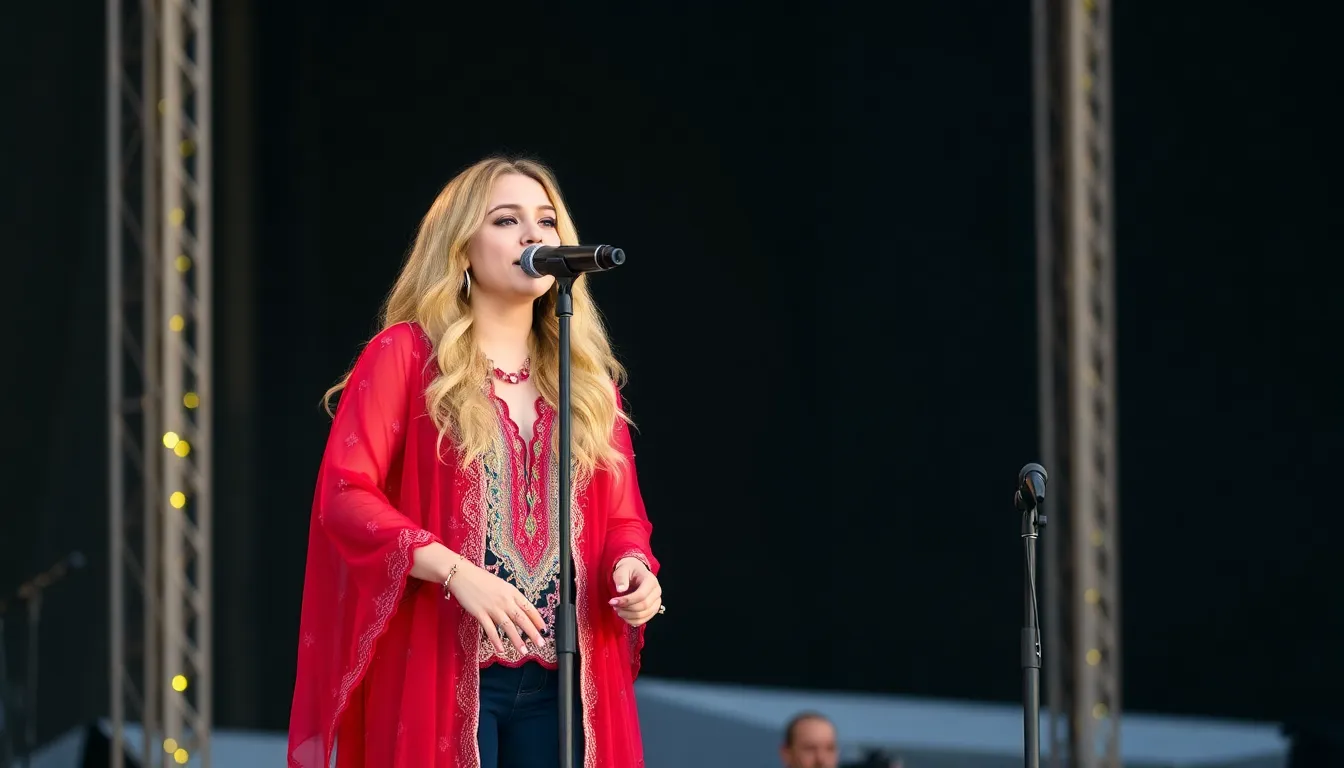
This incident underscores the potential for conflict when cultural elements are misrepresented. Misinterpretations can lead to feelings of disrespect and alienation among cultural groups. Furthermore, the economic implications for artists like Carpenter can be significant, as backlash may affect ticket sales, sponsorships, and overall career trajectory.
- Cultural Sensitivity: Artists must navigate the fine line between artistic expression and cultural appropriation.
- Public Reaction: Social media amplifies audience responses, which can lead to swift consequences for public figures.
- Legal Concerns: Misrepresentation can lead to potential legal challenges regarding cultural appropriation and copyright issues.
- Economic Impact: Backlash can affect an artist’s financial success and brand partnerships.
- Educational Opportunities: Incidents like this can serve as learning moments for artists and their audiences about cultural appreciation.
In summary, the incident serves as a reminder of the intricate dynamics at play in the entertainment industry, where cultural sensitivity and representation are crucial for fostering understanding and respect among diverse audiences.
Reactions from fans and cultural communities following the incident
The recent incident involving Sabrina Carpenter at Coachella has sparked significant reactions from various groups, particularly among fans and cultural communities. The misunderstanding of an Arabic celebration call as yodeling has raised concerns about cultural sensitivity and representation in the entertainment industry. This incident highlights the importance of understanding and respecting diverse cultural expressions, particularly in a globalized festival setting.
In the short term, the fallout from Carpenter’s comments may lead to heightened scrutiny of artists’ performances, particularly those that incorporate elements from different cultures. Fans and cultural advocates are calling for greater awareness and education among performers about the cultural significance of various traditions. This could result in increased demand for cultural consultants within the music industry to help artists navigate these complexities.
Mid-term impacts may include changes in how festivals like Coachella curate their lineups and programming. There may be a push for more inclusive representation of cultural acts and a greater emphasis on educating attendees about the cultural significance behind performances. This could also lead to collaborations between artists from different backgrounds, fostering a more inclusive environment that celebrates diversity.
- Risks: Potential backlash from fans and cultural communities, leading to reputational damage for artists.
- Opportunities: Increased awareness and education about cultural sensitivity, leading to more thoughtful performances.
- Industry Impact: Potential changes in festival programming and artist collaborations.
Ultimately, while the incident has sparked controversy, it also presents an opportunity for growth and learning within the music industry. By addressing these cultural missteps, artists and festivals can contribute to a more respectful and inclusive entertainment landscape.
A: During her Coachella performance, Sabrina Carpenter mistakenly referred to an Arabic celebration call as yodeling, which led to significant backlash. A: Sabrina Carpenter issued an apology acknowledging her mistake and expressed that she could have handled the situation better. A: The Arabic celebration call, often used in various cultural festivities, holds deep cultural significance and is a form of expression that should be respected. A: Reactions have been mixed, with some fans supporting her while others criticized her lack of cultural awareness. A: Artists can educate themselves about different cultures and seek to understand the significance of various expressions before incorporating them into their performances.
Frequently asked questions about the incident
Key takeaways and future considerations for artists
Sabrina Carpenter’s recent incident at Coachella highlights the delicate nature of cultural expressions in the entertainment industry. Artists are increasingly expected to navigate diverse cultural landscapes with sensitivity and awareness. This event serves as a reminder of the importance of cultural competence in performances, particularly in multicultural settings.
As artists continue to engage with global audiences, the implications of their actions can resonate far beyond the stage. This situation underscores the need for thoughtful preparation and understanding of cultural significance, which can enhance the overall performance experience and foster greater audience connection.
- Cultural Sensitivity: Artists should invest time in understanding the cultural backgrounds of their audience to avoid misinterpretations and foster inclusivity.
- Public Apologies: A well-crafted apology can help mitigate backlash and demonstrate accountability, but it should also reflect genuine understanding of the issue.
- Engagement with Cultural Experts: Collaborating with cultural consultants can provide valuable insights and enhance the authenticity of performances.
- Audience Education: Artists can use their platform to educate their audience about cultural traditions, promoting awareness and appreciation.
- Future Performances: Artists should consider incorporating diverse cultural elements thoughtfully, ensuring respect and accuracy in representation.