


The performance featured a mix of classic songs and recent tracks, highlighting Springsteen’s evolution as a songwriter. With a setlist that included favorites like “Born to Run” and “Dancing in the Dark,” the show also introduced new works that reflect contemporary social issues, making the evening both a celebration and a call to action. For more on how artists like Springsteen integrate social commentary into their music, check out this article on Flo’s confident era.
Springsteen’s engagement with the audience was particularly notable, as he shared personal anecdotes and reflections on the current state of America. His commentary on themes of hope and resistance resonated with many attendees, who viewed the concert as a unifying experience amid ongoing societal challenges. This mirrors the way current events shape storytelling in music and beyond.
This concert not only reinforced Springsteen’s status as a musical icon but also underscored the role of live performances in fostering community and dialogue. As fans left the Forum, they carried with them a renewed sense of purpose and connection, emblematic of the artist’s enduring impact on American culture.
The significance of Springsteen’s music in American culture
Bruce Springsteen, often referred to as “The Boss,” has been a pivotal figure in American music since the 1970s. His songs resonate deeply with themes of working-class struggles, social justice, and the American dream, reflecting the complexities of life in the United States. Springsteen’s ability to weave personal narratives with broader societal issues has earned him a loyal following and a unique place in the cultural landscape.
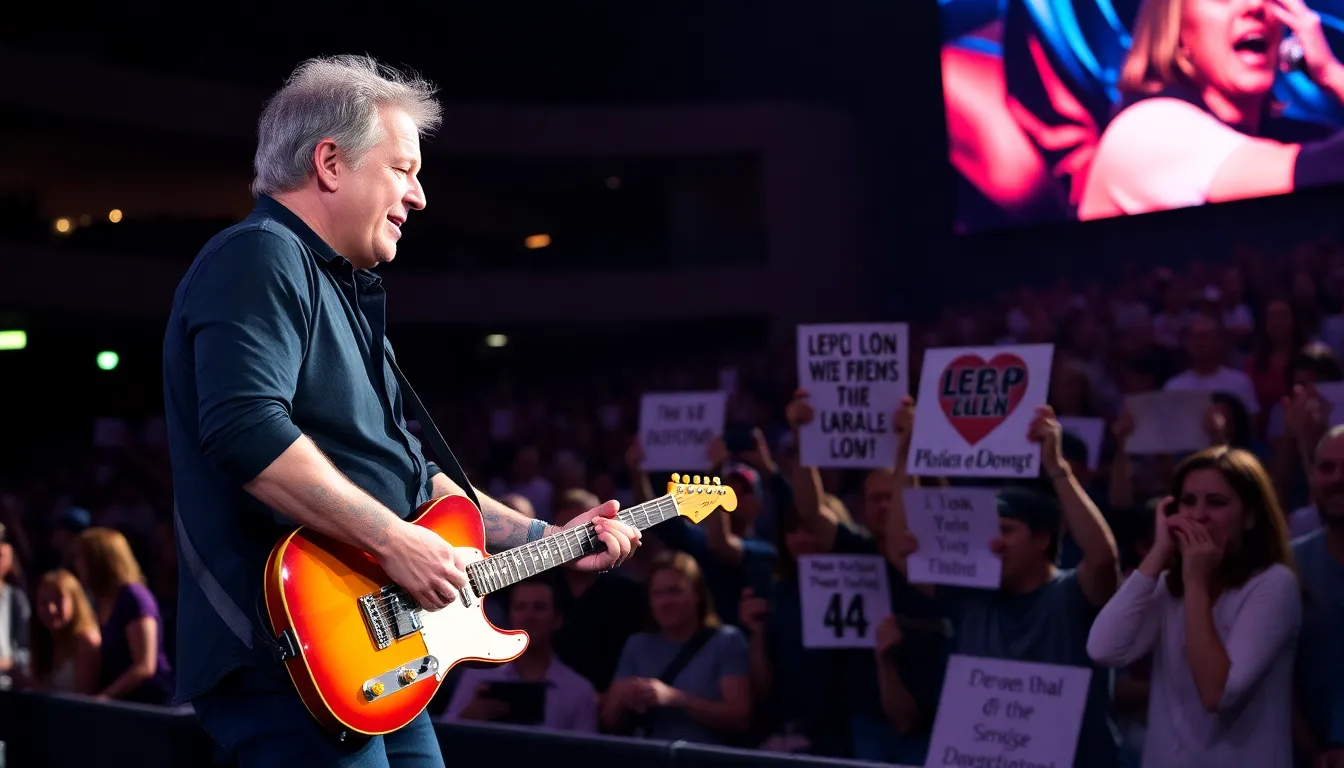
Historically, Springsteen emerged during a time of significant socio-political upheaval in America. The 1970s were marked by economic challenges, including the oil crisis and rising unemployment, alongside a backdrop of civil rights movements and anti-war protests. His music often served as a voice for the marginalized, capturing the essence of American resilience and the quest for identity amidst chaos.
Key milestones in Springsteen’s career, such as the release of “Born to Run” in 1975, helped solidify his reputation as a storyteller of the American experience. This album, along with others like “Darkness on the Edge of Town” and “The River,” not only showcased his musical prowess but also highlighted the struggles of the working class, making him an emblem of American resistance through art.
The evolution of Springsteen’s themes
Over the decades, Springsteen’s themes have evolved, reflecting the changing landscape of American society. From the hopeful anthems of the 70s to the more introspective and critical narratives of the 80s and 90s, his work has consistently addressed the American experience. Recent albums, such as “Western Stars” and “Letter to You,” showcase a more contemplative side, yet still resonate with the urgency of social issues, reinforcing his role as a cultural commentator.
As Springsteen takes the stage at L.A.’s Forum, his blend of American resistance and rapture serves not only as entertainment but as a reminder of the ongoing struggles faced by many. His concerts have become communal experiences, where fans gather not just to enjoy music, but to engage with the powerful messages that Springsteen continues to deliver, making each performance a significant moment in the ongoing narrative of American culture. Similar sentiments can be felt in the mass media landscape, where creators seek to connect with audiences through relevant themes.
Exploring the themes of resistance and hope in Springsteen’s concert
Bruce Springsteen’s recent performance at L.A.’s Forum not only showcased his musical prowess but also highlighted significant social themes that resonate with a wide audience. The concert served as a platform for Springsteen to address various stakeholders, including fans, social activists, and the music industry, each with their own interests in the messages conveyed through his music.
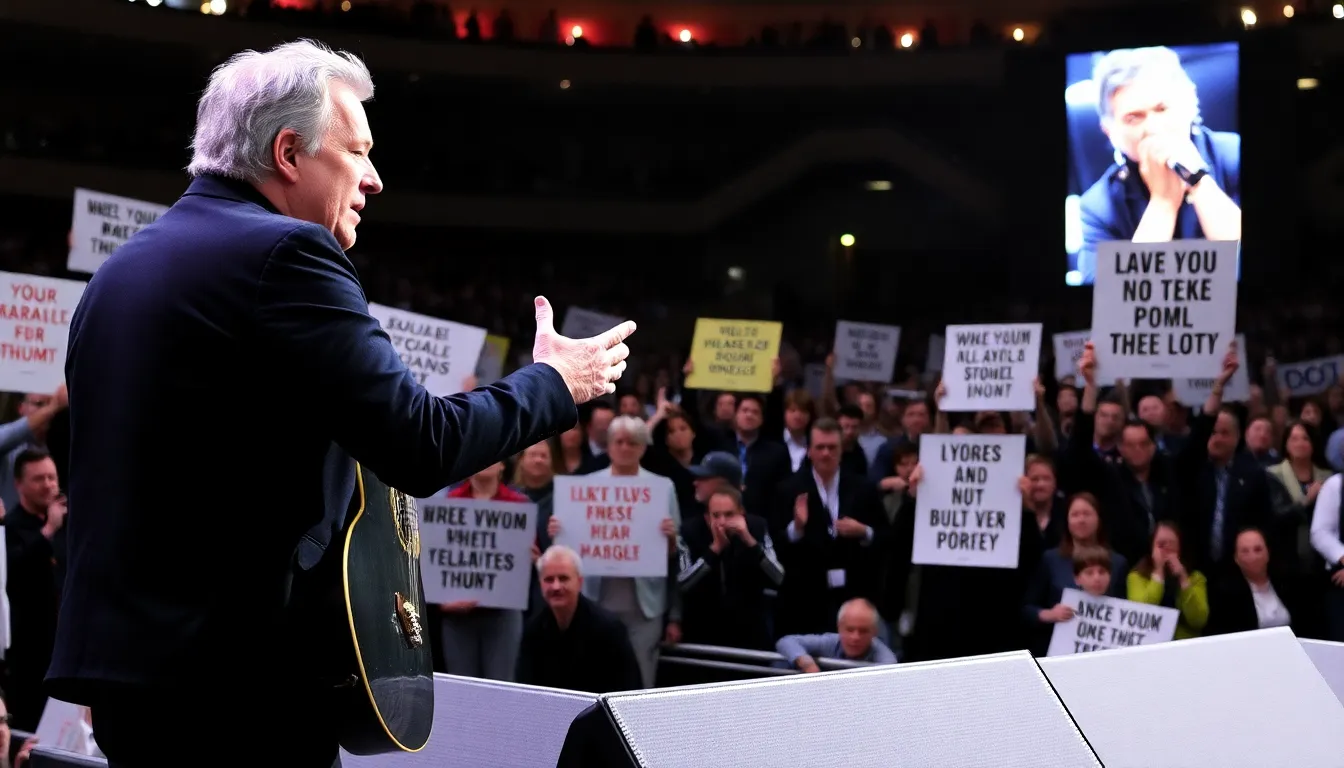
Among the main actors are the fans who seek a sense of community and connection through Springsteen’s lyrics, which often reflect struggles against societal issues. Additionally, social justice organizations view his work as an opportunity to amplify their causes, leveraging his influence to reach broader audiences. The music industry, particularly venues like the Forum, has a vested interest in the commercial success of such performances, which often intersect with cultural movements.
Conflicts arise as the concert’s themes of resistance challenge the status quo, prompting discussions about economic inequality, political dissent, and civil rights. Springsteen’s ability to blend rapture with resistance creates a unique tension, as it invites audiences to reflect on their own roles within these pressing issues. The trade-offs are evident: while the concert promotes important messages, it also risks alienating segments of the audience who may not align with Springsteen’s views.
- Economic Impact: The concert generates significant revenue for the venue and local businesses while highlighting economic disparities addressed in Springsteen’s music.
- Political Engagement: Springsteen’s performance encourages political discourse and mobilization among fans, aligning with various activist groups.
- Cultural Reflection: The concert serves as a mirror for societal issues, prompting audiences to engage with the current socio-political landscape.
- Artistic Expression vs. Commercial Interests: Balancing artistic integrity with commercial success poses ongoing challenges for artists like Springsteen.
In summary, Springsteen’s concert at the Forum exemplifies a complex interplay between entertainment and activism, where various stakeholders navigate their interests amid broader societal conversations. The resulting dialogue not only enriches the concert experience but also fosters a deeper understanding of the issues at hand.
The concert’s influence on fans and the music industry
Bruce Springsteen’s recent concert at L.A.’s Forum has resonated deeply with a diverse audience, impacting not only fans but also various sectors within the music industry. The event attracted a wide demographic, from long-time followers of Springsteen to younger fans discovering his music for the first time. This cross-generational appeal underscores the enduring relevance of his artistry and the communal experience of live music.
In the short term, local businesses surrounding the Forum, such as restaurants, hotels, and transportation services, experienced a surge in activity. Concert-goers often seek dining and lodging options before and after events, providing a significant boost to the local economy. Additionally, the influx of visitors contributes to increased sales tax revenue for the city, showcasing the immediate financial benefits of hosting large-scale concerts.
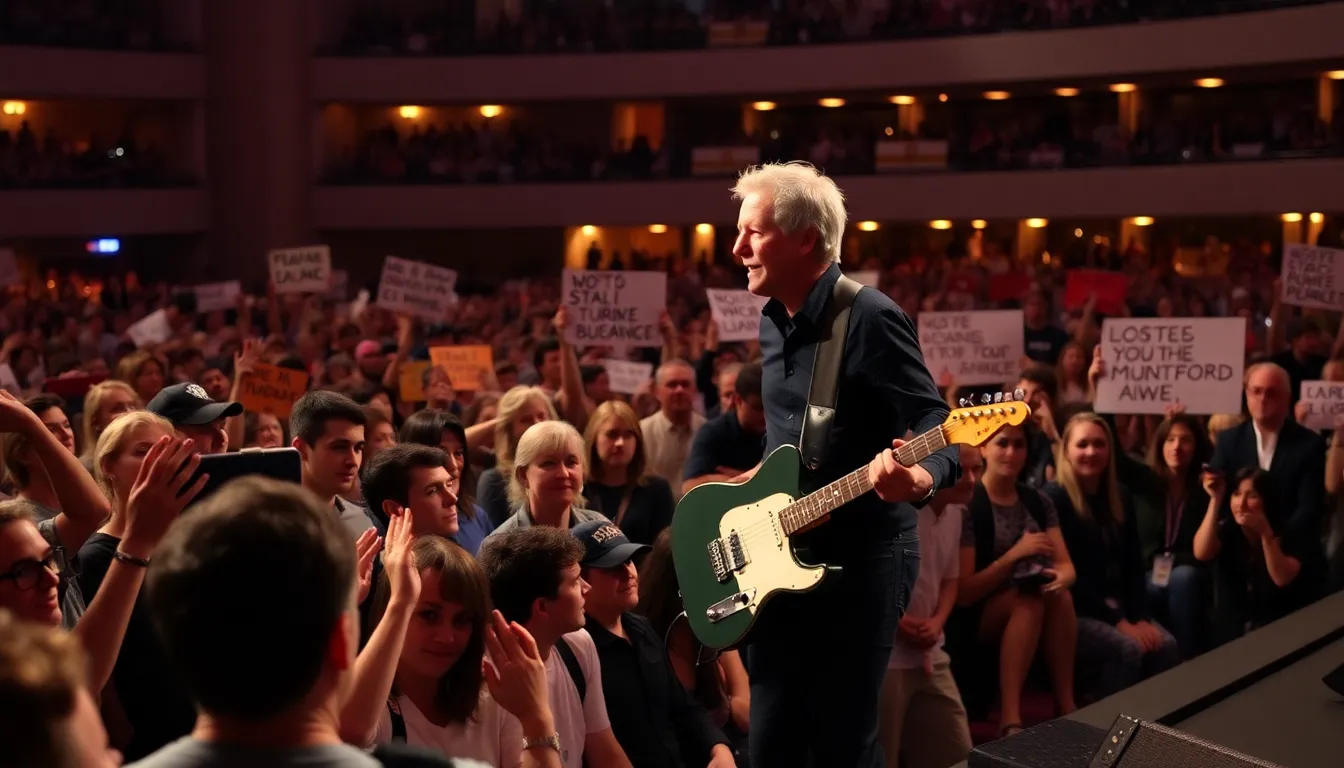
In the mid-term, the concert may influence policy decisions regarding venue operations and city regulations related to live events. As cities look to revitalize their economies post-pandemic, successful concerts like Springsteen’s could encourage more live performances and festivals, leading to a potential policy shift favoring the arts and entertainment sectors. However, this also raises concerns about noise regulations and crowd management, which local authorities will need to address.
While the concert presents numerous opportunities, there are inherent risks as well. The potential for overcrowding and safety issues is a concern for both attendees and city officials. Additionally, as more artists seek to tour and perform, the strain on local infrastructure and resources could lead to challenges in accommodating large audiences consistently.
- Boost to local businesses and economy
- Increased sales tax revenue for the city
- Potential policy shifts favoring live events
- Concerns regarding safety and crowd management
- Strain on local infrastructure from increased tourism
A: The concert featured several standout moments, including a powerful rendition of ‘Born to Run’ and an emotional tribute to past struggles. Fans were particularly moved by Springsteen’s storytelling and connection with the audience. A: The audience was highly engaged, singing along and cheering throughout the show. Many expressed that the concert felt like a communal experience, uniting fans through shared emotions and memories. A: Springsteen emphasized themes of resilience, hope, and the American spirit. His songs often reflected on social issues and personal struggles, resonating deeply with the audience. A: Yes, this concert is part of Springsteen’s ongoing tour, which aims to reach various cities and connect with fans across the country. Each performance is unique, reflecting local sentiments. A: While specific dates have not been announced yet, there is a possibility of additional shows in Los Angeles due to high demand and the success of this concert.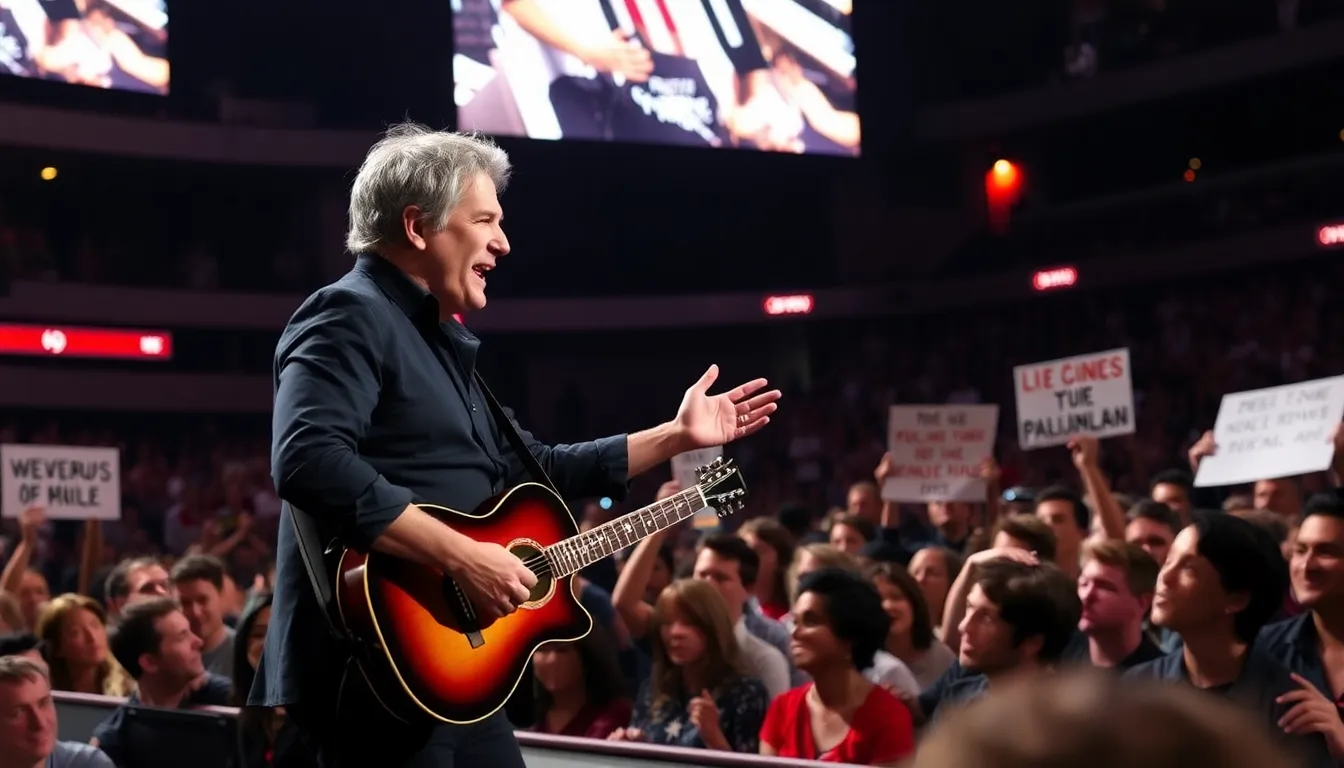
Frequently Asked Questions about the concert
Key takeaways from Springsteen’s performance and its implications
Bruce Springsteen’s recent concert at L.A.’s Forum not only showcased his enduring musical prowess but also served as a poignant reflection of the current socio-political landscape. The blend of themes such as resistance and rapture resonated deeply with the audience, highlighting the transformative power of music in times of uncertainty. This performance underscores the role of artists as both entertainers and commentators on societal issues, suggesting a continued relevance of live music as a platform for expression and connection.
As we look to the future, the implications of Springsteen’s show extend beyond mere entertainment. It raises important questions about the responsibilities of artists and the ways in which their work can influence public sentiment and foster community engagement. Observers should pay attention to how this concert may inspire other artists to tackle similar themes in their performances and the potential for increased audience engagement around social issues.
- Expect a rise in socially conscious performances as artists seek to connect with audiences on deeper levels.
- Monitor how Springsteen’s approach may influence the next generation of musicians in addressing contemporary issues.
- Watch for increased collaboration between artists and social movements, using music as a rallying cry for change.
- Consider the evolving role of venues like the Forum in hosting events that blend entertainment with activism.