


Additionally, the rise of gender-neutral restrooms has prompted a reevaluation of urinal placement and accessibility. In 2020, several cities, including San Francisco and New York, began implementing policies to create more inclusive restroom facilities, reflecting a broader trend towards recognizing diverse gender identities. This change not only promotes equality but also addresses the practical needs of all users. For more insights on the impact of these policies, check out our article on cultural perceptions in public design.
Technological advancements are also influencing urinal design, with smart urinals equipped with sensors and self-cleaning mechanisms gaining popularity. These innovations, which began to appear in the market around 2021, aim to enhance user experience and maintain hygiene standards in high-traffic areas. The integration of technology in restroom facilities signifies a move towards modernizing public spaces, reminiscent of the technological shifts in gaming with the recent PS5 UI update.
Moreover, the COVID-19 pandemic has heightened the focus on cleanliness and sanitation in public restrooms, leading to increased demand for touchless fixtures and improved ventilation systems. Facilities are now prioritizing designs that minimize contact and promote better airflow, which has become a key consideration in restroom planning and renovation since 2020. This response to health concerns underscores the importance of adaptable and forward-thinking restroom designs.
Historical background of urinals and their development
The evolution of urinals reflects broader societal changes regarding hygiene, public health, and gender roles. The earliest recorded use of urinals dates back to ancient civilizations, where rudimentary forms were often communal and located in public spaces. In ancient Rome, for instance, public latrines included stone seats with holes, serving as a precursor to modern urinals while emphasizing the importance of sanitation in urban planning.
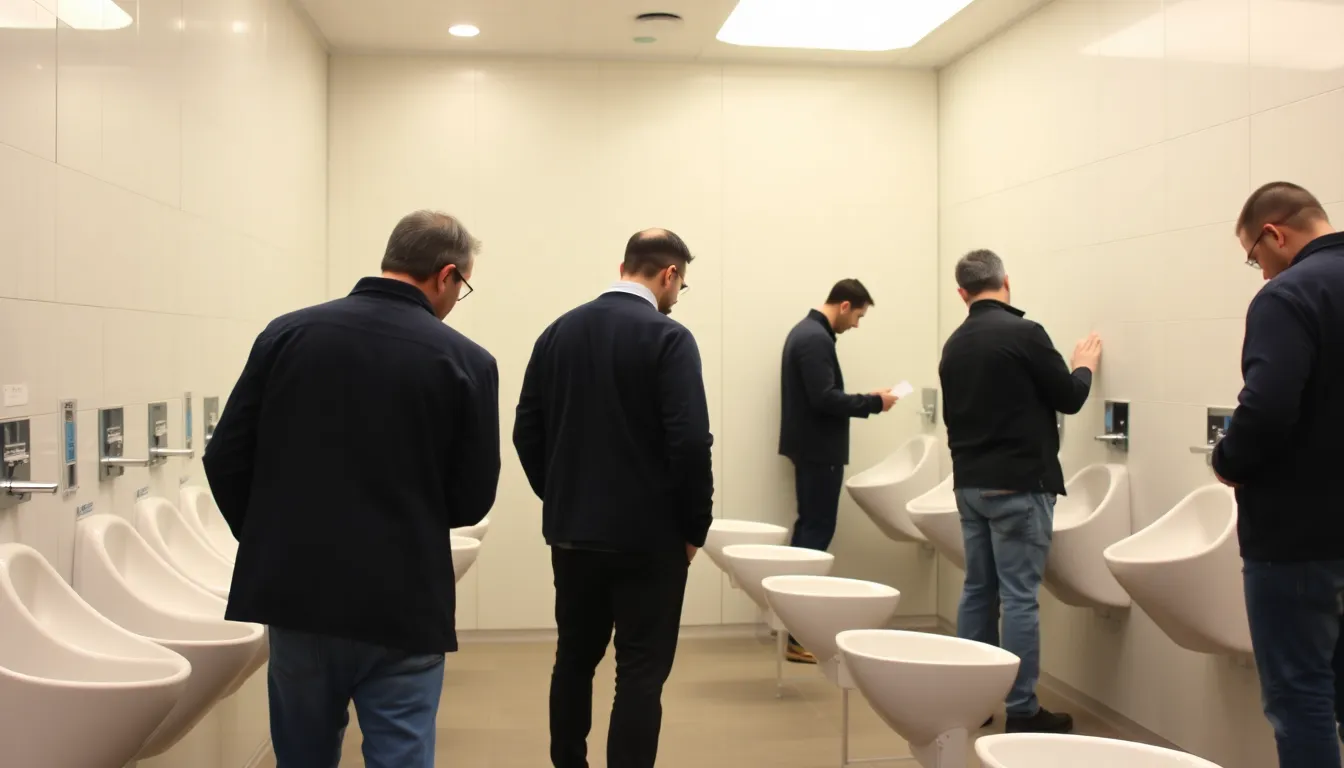
During the Middle Ages, the concept of sanitation regressed in many parts of Europe, leading to the use of chamber pots and the absence of public restroom facilities. However, the Renaissance sparked a renewed interest in hygiene and public health, leading to the development of more sophisticated waste disposal systems. This period saw the introduction of the first flush toilets, which would eventually lay the groundwork for the modern urinal.
19th Century Innovations
The 19th century marked a significant turning point in the design and implementation of urinals. The Industrial Revolution brought about rapid urbanization, resulting in overcrowded cities that necessitated improved sanitation solutions. The invention of the siphon flush urinal in the late 1800s represented a major advancement, allowing for better hygiene and odor control. This innovation was crucial in public health campaigns aimed at reducing disease transmission in densely populated areas, similar to how modern managers face challenges in adapting to changing environments.
By the early 20th century, urinals began to diversify in design and functionality. The introduction of gender-specific facilities reflected changing social attitudes towards gender and public space. Furthermore, the rise of modern plumbing technology enabled the widespread installation of urinals in both public and private settings, making them a standard feature in restrooms across the globe.
In recent decades, the focus has shifted towards sustainability and accessibility. Innovations such as waterless urinals and gender-neutral designs have emerged in response to environmental concerns and the push for inclusivity. These developments highlight the ongoing evolution of urinals as they adapt to contemporary societal values and technological advancements.
Key issues surrounding urinal designs and public perceptions
The evolution of urinal designs has been influenced by various stakeholders, including manufacturers, architects, urban planners, and the general public. Each group has distinct interests that shape the discourse around functionality, aesthetics, and hygiene. For manufacturers, the primary goal is to innovate and produce products that meet the demands of modern facilities while ensuring cost-effectiveness. Architects and urban planners focus on integrating these designs into public spaces, emphasizing accessibility and user experience.
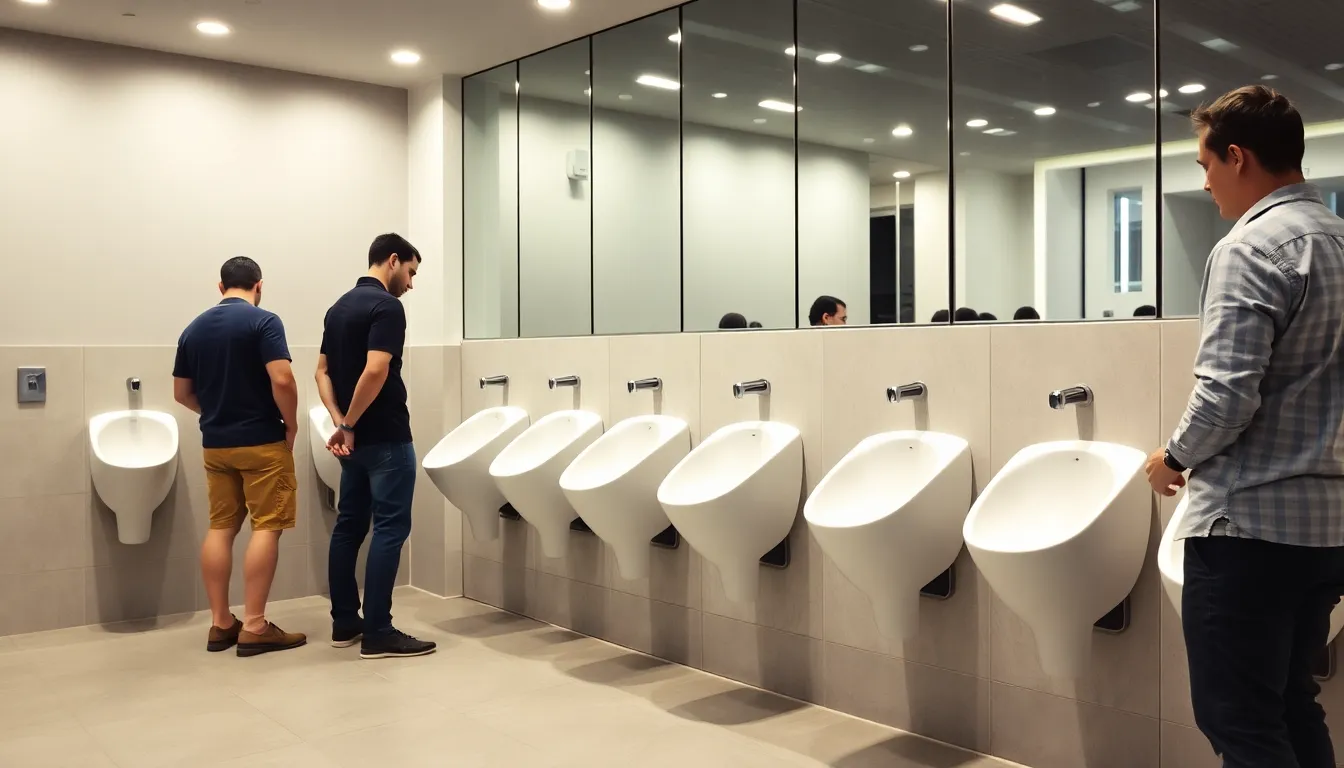
Public perception of urinals is often shaped by cultural norms and societal attitudes toward gender and privacy. This has led to debates surrounding gender-neutral facilities and the need for inclusive designs that cater to all users. The conflict arises when traditional views clash with progressive ideas, leading to tensions among stakeholders who advocate for different approaches to public restroom design.
Legal and economic issues also play a significant role in the discussion of urinal designs. For instance, regulations surrounding public restroom accessibility can affect the types of urinals that can be installed in new buildings. Additionally, economic considerations, such as the cost of installation and maintenance, can influence decisions made by facility managers and city planners. These factors create trade-offs between compliance with legal standards and the desire for aesthetic or innovative designs.
- Innovation vs. Tradition: The push for modern designs often conflicts with established norms.
- Gender Inclusivity: The debate over gender-neutral restrooms highlights the need for designs that accommodate all users.
- Regulatory Compliance: Legal requirements can limit design choices, impacting overall functionality.
- Cost Considerations: Budget constraints can affect the adoption of new technologies and designs.
As stakeholders navigate these complexities, the outcome will significantly influence future designs and public perceptions of urinals. Understanding these dynamics is essential for fostering dialogue and promoting solutions that address the needs of diverse communities.
The impact of urinal design on public health and sanitation
The evolution of urinal design has far-reaching implications for various groups, including public health officials, urban planners, and the general populace. Regions with outdated facilities may experience increased health risks, while those investing in modern designs can enhance sanitation and hygiene standards.
In the short term, businesses in the hospitality and public sectors may face pressure to upgrade facilities to meet rising health and safety expectations. This can lead to increased operational costs, but also presents an opportunity for companies to attract more customers by offering cleaner, more efficient amenities.
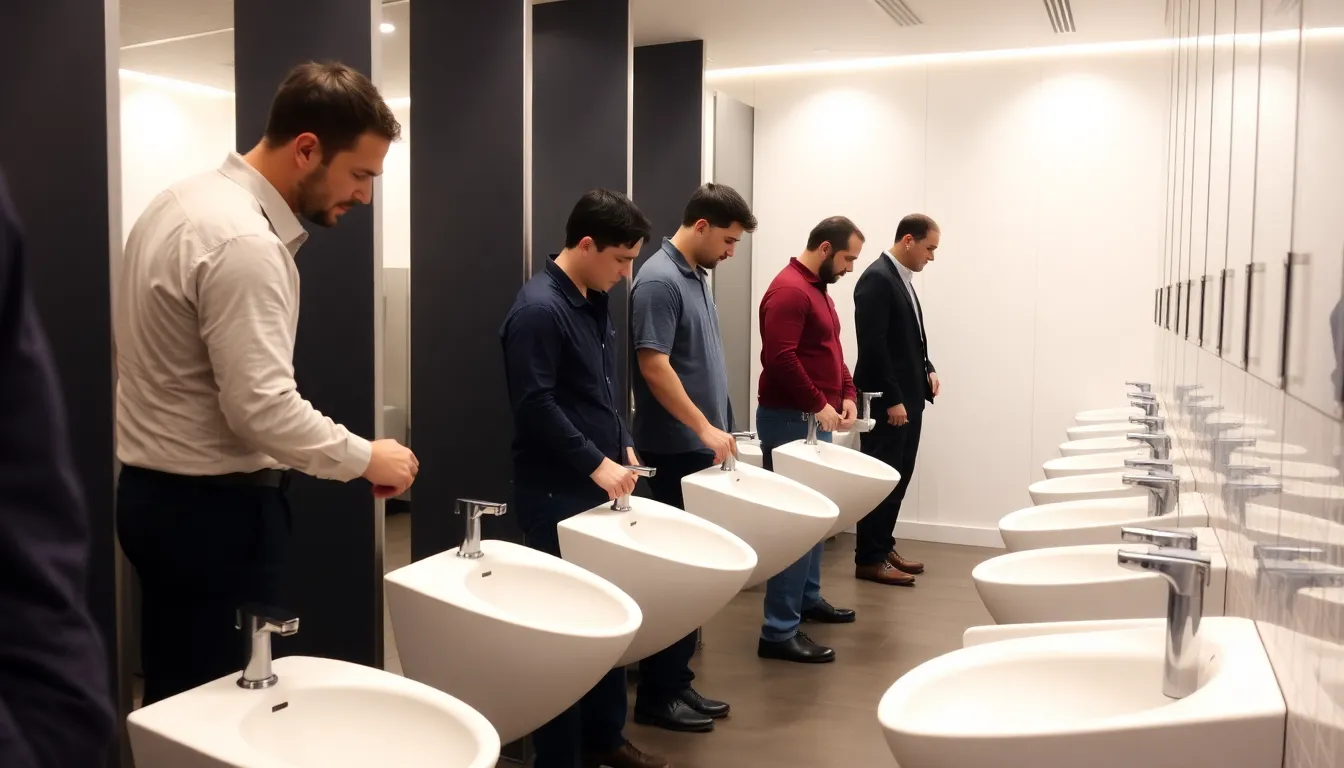
Mid-term impacts may include shifts in urban planning policies, as municipalities recognize the importance of public restrooms in promoting community health. There is potential for increased funding for public sanitation projects, which can stimulate local economies and create jobs in construction and maintenance.
- Public Health: Improved hygiene can decrease the spread of diseases.
- Business Opportunities: Renovation projects can boost local economies.
- Urban Planning: New policies may prioritize sanitation infrastructure.
- Environmental Impact: Sustainable designs can reduce water usage.
However, there are risks associated with the transition. Inadequate funding or resistance to change can hinder progress, leaving some communities behind. Additionally, poorly designed facilities can exacerbate existing issues rather than alleviate them, underscoring the need for thoughtful implementation.
A: Modern urinals are typically made from materials such as porcelain, stainless steel, and plastic. These materials are chosen for their durability and ease of cleaning. A: Urinals have evolved from simple troughs in ancient civilizations to sophisticated designs with water-saving technologies. This evolution reflects changes in hygiene standards and public health awareness. A: Yes, there are various types of urinals including wall-mounted, floor-mounted, and waterless urinals. Each type serves different needs and spaces. A: Waterless urinals are gaining popularity due to their environmental benefits, as they conserve water and reduce plumbing costs. They also require less maintenance. A: Urinals can reflect cultural attitudes towards gender and public space. Their design and placement often spark discussions about inclusivity and accessibility.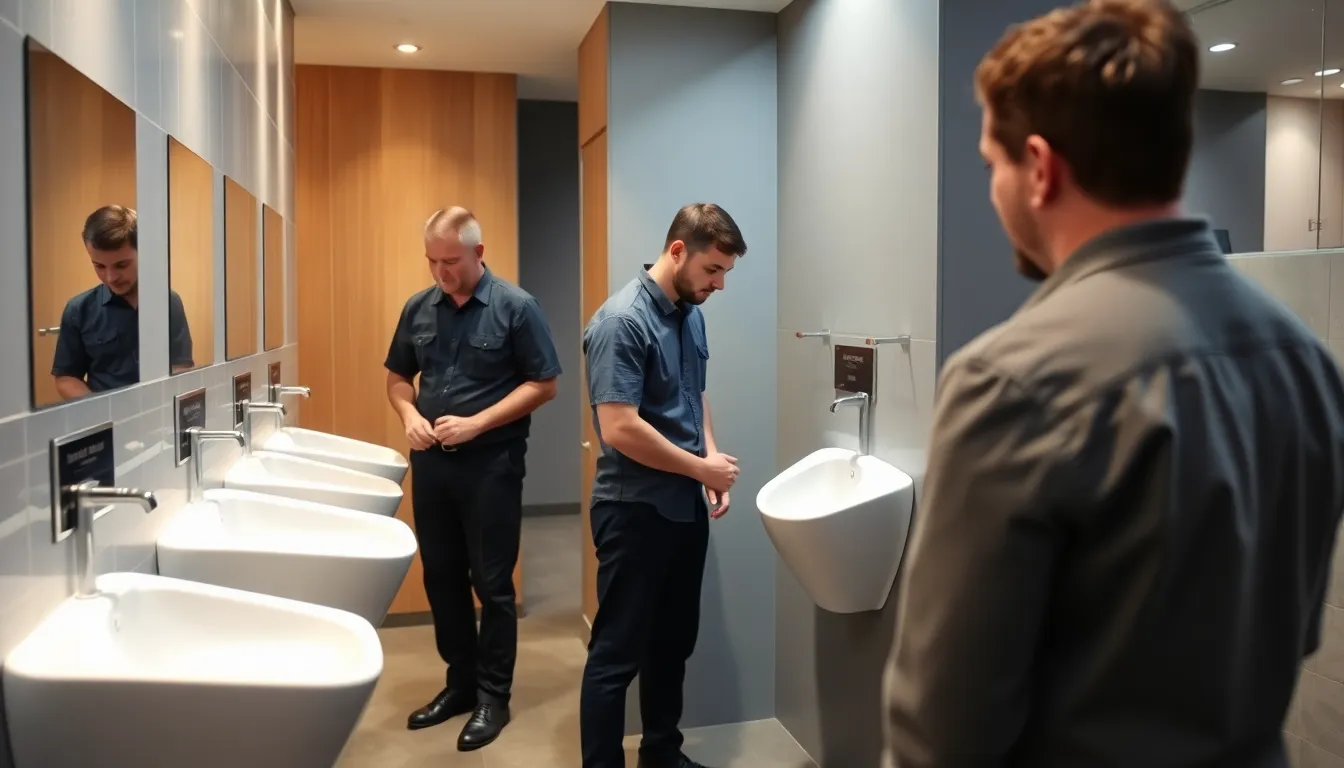
Frequently asked questions about urinals
Key takeaways and future outlook on urinal innovations
The evolution of urinals reflects broader societal changes, from basic sanitation needs to modern design considerations that prioritize user experience and environmental sustainability. As we move forward, the integration of technology and innovative materials will likely play a pivotal role in shaping the future of restroom facilities.
Monitoring trends in urinal design can provide valuable insights into public health, resource management, and user preferences. As urban areas continue to grow, the demand for efficient and hygienic restroom solutions will only increase, making it essential for manufacturers and municipalities to adapt accordingly.
- Expect increased adoption of water-saving technologies as sustainability becomes a key focus in public facilities.
- Smart urinals equipped with sensors may enhance hygiene and user experience, paving the way for more interactive restroom solutions.
- Design innovations will likely prioritize inclusivity, catering to diverse user needs and preferences.
- Public awareness of hygiene and cleanliness will continue to influence the design and maintenance of urinals.
- Collaboration between designers, architects, and urban planners will be crucial in creating effective restroom solutions in densely populated areas.