


According to a study published in June 2023, approximately 30% of female athletes experience some form of urinary incontinence, particularly during high-impact sports. The research underscores the need for greater awareness and support systems within sports organizations to address this issue, as highlighted in this related article. Notably, the conversation has been amplified by prominent athletes sharing their personal experiences, advocating for more understanding and resources.
Sports governing bodies are beginning to recognize the importance of this issue, with some implementing policies aimed at providing better healthcare support for athletes. In July 2023, the International Olympic Committee announced plans to conduct workshops focused on women’s health, including incontinence. This initiative marks a significant step toward destigmatizing the condition and encouraging open discussions among athletes.
As the dialogue around incontinence continues to evolve, it is crucial for coaches, trainers, and sports organizations to foster an environment where athletes feel comfortable discussing their challenges. By addressing incontinence openly, the sports community can promote inclusivity and ensure that all athletes can compete at their best without fear of embarrassment or stigma.
Exploring the background of incontinence in sports
Incontinence, often perceived as a taboo subject, has long been a silent struggle for many athletes, particularly women. Historically, the conversation surrounding bodily functions in sports has been limited, leading to a lack of awareness and support for those affected. This silence can be traced back to societal norms that discourage open discussions about personal health issues, particularly those related to the pelvic floor and urinary control.

In recent years, however, there has been a gradual shift in how incontinence is viewed within the sporting community. The rise of female participation in competitive sports has brought to light various health issues that affect women, including incontinence. This shift is not merely a social phenomenon; it is also influenced by broader movements advocating for women’s rights and health awareness, which have encouraged athletes to speak out about their experiences, making the need for support as urgent as discussed in public health initiatives.
The Impact of Major Sporting Events
Key milestones, such as the inclusion of women in the Olympics and the establishment of professional women’s leagues, have played a significant role in changing perceptions. For instance, the 2012 London Olympics marked a historic moment as it was the first time that every participating country included female athletes. This not only showcased women’s athletic capabilities but also highlighted the need for appropriate health resources, including those addressing incontinence.
Moreover, the economic implications of incontinence in sports cannot be overlooked. Sponsorship deals and endorsements are increasingly focused on the health and well-being of athletes. Brands are beginning to recognize the importance of catering to athletes who face incontinence, leading to the development of specialized products and services aimed at improving their performance and comfort.
As awareness continues to grow, it is essential for sports organizations, coaches, and athletes to foster an environment where discussing incontinence is normalized. By addressing this issue openly, the sporting community can ensure that all athletes have the support and resources they need to compete at their highest level without the fear of stigma or embarrassment.
Analyzing the key issues and stakeholders involved
The issue of incontinence among athletes, particularly during competitive events, brings together various stakeholders including athletes, sports organizations, healthcare providers, and governing bodies. Each of these groups has distinct interests that influence their perspectives on the problem.

Athletes experiencing incontinence face significant challenges, including embarrassment and potential loss of competitive edge. Their primary interest lies in finding effective solutions that allow them to perform at their best without the fear of leakage. This personal struggle is compounded by the stigma surrounding incontinence, which can deter open discussions about the issue.
Sports organizations, such as national federations and event organizers, have a vested interest in maintaining the integrity and image of their sports. They may be concerned about how incontinence issues could impact athlete performance and the overall perception of their events, aligning with the growing understanding of health-related challenges discussed in other areas of athlete well-being. These organizations might also seek to promote inclusivity and support for all athletes, which includes addressing health-related challenges.
Healthcare providers play a crucial role in this scenario, as they are responsible for diagnosing and treating incontinence. Their interest lies in advancing research and developing products that can help athletes manage their conditions effectively. However, they also face challenges in ensuring that these solutions are accessible and affordable for all athletes.
- Stigma and Awareness: The stigma surrounding incontinence can prevent athletes from seeking help or discussing their issues openly.
- Product Development: Innovations in medical products and treatments are essential for providing athletes with effective management options.
- Policy and Regulation: Governing bodies may need to establish policies that address health issues like incontinence, ensuring athlete welfare.
- Economic Impact: The financial implications of incontinence management can affect athletes’ ability to compete, particularly for those with limited resources.
- Support Systems: There is a need for more comprehensive support systems within sports organizations to assist athletes dealing with incontinence.
Assessing the impact of incontinence on athletes and sports
Incontinence issues are not only a personal health concern but also a significant barrier for many athletes across various sports. This condition affects individuals regardless of age, gender, or skill level, with a notable prevalence among female athletes and older competitors. Additionally, it impacts coaches, trainers, and sports organizations that must adapt to these challenges.

The short-term effects of incontinence can be profound, leading to decreased performance and increased anxiety during competitions. Athletes may experience embarrassment and fear of leakage, which can hinder their focus and overall enjoyment of the sport. This mental strain can also discourage participation, particularly among those who might otherwise be inclined to engage in physical activities.
In the mid-term, the implications extend beyond individual athletes to the broader sports community. Sports organizations may face increased scrutiny regarding their inclusivity and support for athletes with health issues. This could lead to policy changes aimed at providing better resources, such as specialized training for coaches and access to healthcare professionals who can offer guidance and support.
- Risks: Decreased participation in sports, mental health challenges for athletes, potential reputational damage for organizations.
- Opportunities: Development of innovative athletic wear, increased awareness leading to more supportive policies, and potential growth in markets focused on health and wellness products.
Regions with a strong emphasis on sports culture may see a heightened impact as they grapple with these issues. Areas with limited resources for athletes may struggle more, highlighting the need for comprehensive support systems. The conversation surrounding incontinence in sports can also spark broader discussions about health awareness and accessibility, paving the way for positive change in the athletic community.
A: Incontinence in athletes can be caused by various factors including physical strain, hormonal changes, and underlying medical conditions. High-impact sports often exacerbate these issues, leading to leakage during competition. A: Incontinence is more common than many realize, affecting both male and female athletes across various sports. Studies suggest that up to 25% of athletes may experience some form of incontinence. A: Athletes can manage incontinence through pelvic floor exercises, dietary changes, and using specialized products designed for discreet protection. Consulting with healthcare professionals is also recommended. A: Sports that involve high levels of physical exertion, such as running, gymnastics, and weightlifting, tend to see higher instances of incontinence. However, it can affect athletes in any sport. A: Many sports organizations are beginning to recognize the issue and offer support through counseling, educational resources, and access to medical professionals specializing in pelvic health.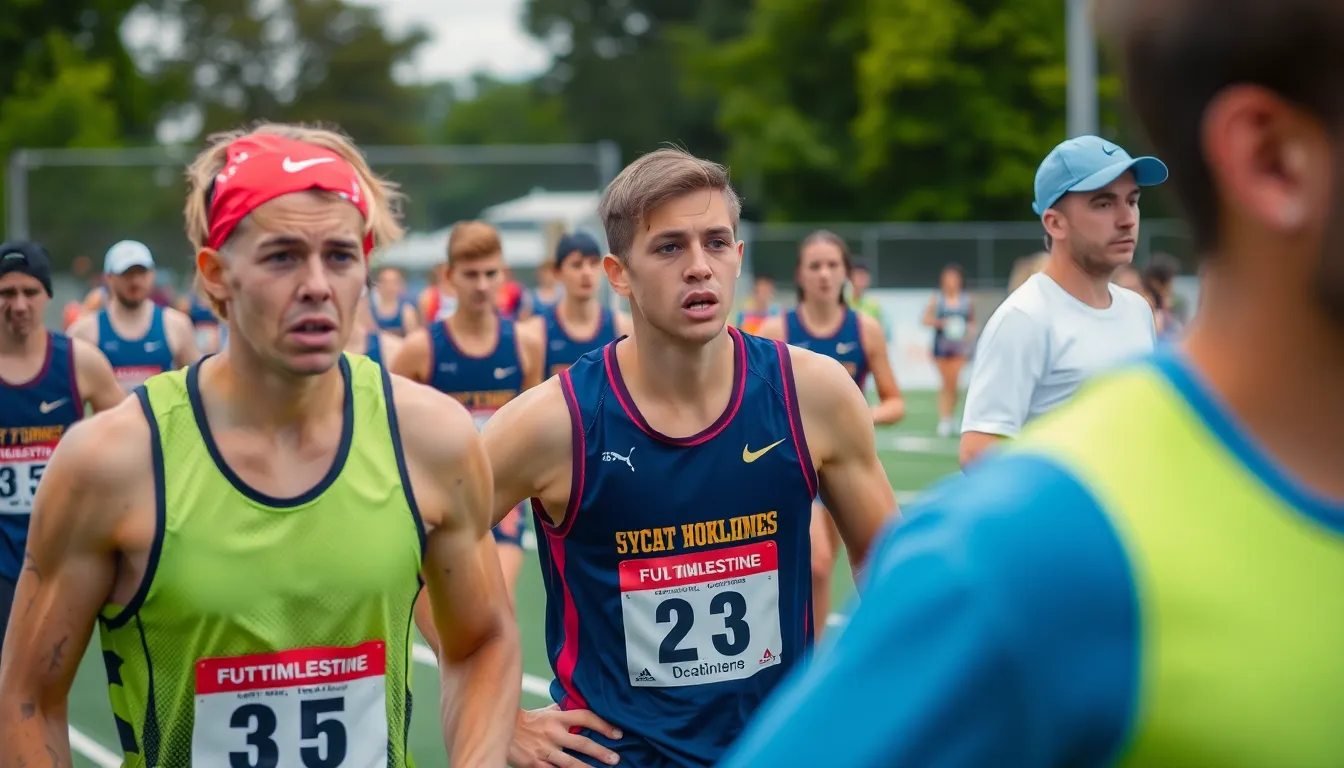
Frequently asked questions about incontinence in sports
Key insights and future outlook on incontinence in athletics
The challenges of incontinence among athletes highlight a critical area that demands attention and understanding within the sports community. As more athletes share their experiences, it becomes evident that this issue is not merely a personal struggle but a systemic concern that affects performance and mental well-being. Addressing these challenges can lead to better support systems and resources for those affected, ultimately fostering a more inclusive environment in competitive sports.
Looking ahead, the conversation around incontinence in athletics is likely to evolve, encouraging innovations in both medical solutions and community support. By prioritizing awareness and education, the athletic community can help remove the stigma associated with these conditions, paving the way for athletes to compete without fear of embarrassment or limitation.
- Increased Awareness: As more athletes speak out, awareness about incontinence can lead to better resources and support systems within sports organizations.
- Innovative Solutions: The demand for effective products and treatments may drive research and development in medical technology focused on incontinence.
- Support Networks: Establishing peer support groups can provide athletes with a safe space to share experiences and coping strategies.
- Education Initiatives: Implementing educational programs for coaches and trainers can help them recognize and support athletes dealing with incontinence.
- Policy Changes: Advocacy for policy changes in sports organizations could lead to more inclusive practices and accommodations for athletes facing these challenges.