


The significance of Ahmed’s statements lies in their reflection of the current socio-political climate in the UK. As the nation grapples with various challenges, including economic uncertainty and social unrest, his words highlight a growing sentiment among citizens who may find solace in humor during tough times. The comedic approach to serious issues has long been a staple of British culture, and Ahmed’s monologue tapped into this tradition.
Furthermore, Ahmed’s appearance marks a notable moment for representation in mainstream media, a topic that has been increasingly relevant in discussions about diversity in entertainment.
The reactions to Ahmed’s monologue have been mixed, with some praising his boldness and others critiquing his approach. Social media platforms have become a battleground for opinions, reflecting the divided nature of public sentiment regarding national identity and humor. As discussions continue, Ahmed’s performance may serve as a catalyst for broader conversations about cultural expectations and the role of comedy in addressing societal issues.
Understanding the significance of SNL in British comedy
Saturday Night Live (SNL) has long been a cornerstone of American comedy, known for its sharp political satire and cultural commentary. The show’s influence has extended beyond the United States, inspiring various international adaptations, including the recent launch of ‘Saturday Night Live U.K.’ This adaptation aims to capture the essence of British humor while reflecting the unique social and political landscape of the UK.
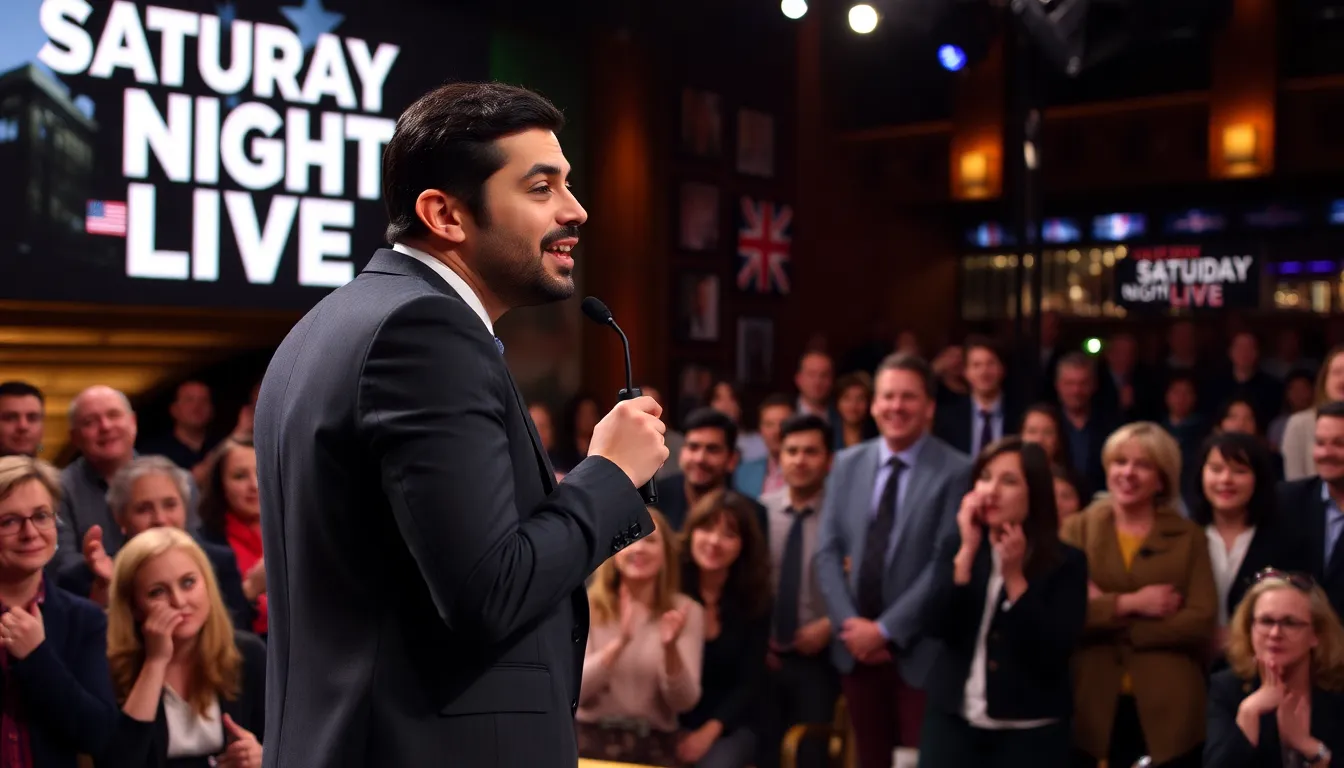
The historical context of British comedy is rich and varied, characterized by a blend of wit, irony, and social critique, much like what can be observed in the works of satire discussed in our article about the Covid inquiry.
Ahmed’s remark, “We like it when things are a little bit crap,” reflects a broader cultural attitude in the UK, where resilience and humor are often intertwined. This sentiment can be traced back to historical events such as the Blitz during World War II, where humor served as a coping mechanism for the British public. The ability to laugh in the face of hardship has become a defining feature of British identity, influencing generations of comedians and writers.
Milestones in British Comedy
Key milestones in British comedy have paved the way for current comedic expressions, echoing trends seen in the football quiz challenge format that embraces both local and global narratives.
As the UK continues to grapple with complex issues such as Brexit, social inequality, and cultural identity, the role of comedy in addressing these topics becomes increasingly important. Ahmed’s monologue serves not only as entertainment but also as a reflection of the current zeitgeist, showcasing how humor can act as both a mirror and a commentary on society.
Exploring the themes and reactions to Ahmed’s monologue
Riz Ahmed’s opening monologue on ‘Saturday Night Live U.K.’ has sparked a wave of reactions from various stakeholders, including audiences, media critics, and cultural commentators. His remarks about British culture and the acceptance of imperfection resonate with many, but they also raise questions about national identity and the role of satire in contemporary discourse.
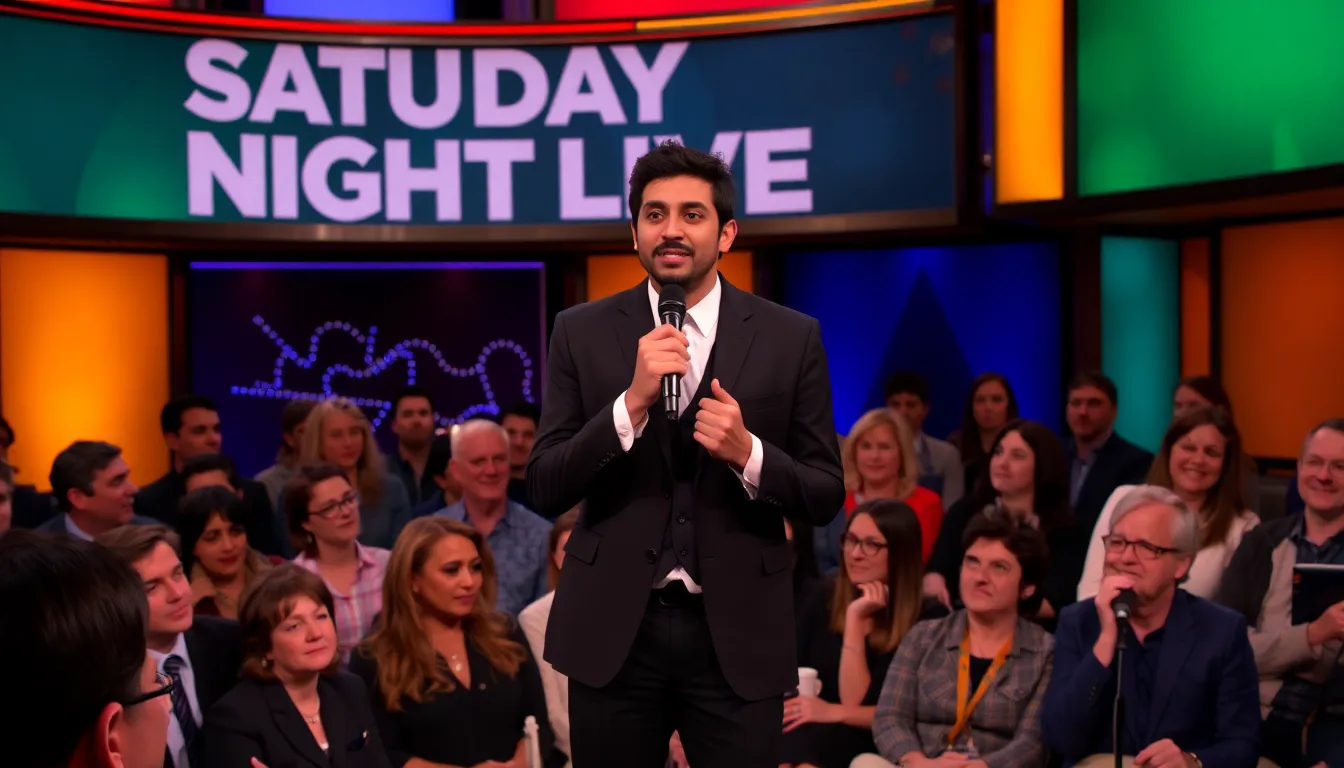
One of the primary actors in this scenario is Riz Ahmed himself, whose career as an actor and musician has positioned him as a prominent voice in discussions about representation and cultural critique. By addressing the British public directly, Ahmed aims to challenge perceptions and provoke thought on the nuances of British life, particularly in the context of societal expectations.
Media organizations and critics are also significant stakeholders, as they play a crucial role in shaping public perception of Ahmed’s commentary. The media’s interpretation of his words can either amplify his message or frame it in a negative light, influencing how audiences receive and react to his commentary. This dynamic can lead to conflicts over narrative control, particularly in a politically charged environment.
- Public Reaction: The audience’s response can vary widely, from support for Ahmed’s candidness to backlash from those who feel offended by his critique.
- Cultural Identity: Ahmed’s monologue touches on the complexities of British identity, raising questions about what it means to be British in a diverse society.
- Satire vs. Sensitivity: The balance between humor and respect for cultural sensitivities is a recurring issue in comedy, especially in a globalized context.
- Media Influence: How media outlets choose to report on Ahmed’s comments can significantly impact public discourse and understanding of the issues raised.
- Economic Interests: The entertainment industry, including shows like ‘Saturday Night Live U.K.,’ has a vested interest in engaging with contemporary issues to attract viewership.
Moreover, the legal implications of satire and free speech are at play, as comedians navigate the fine line between humor and potential offense. This raises important questions about the boundaries of expression and the responsibilities of public figures in addressing societal issues.
How Ahmed’s remarks resonate with the British public
Riz Ahmed’s opening monologue on ‘Saturday Night Live U.K.’ has sparked conversations across various demographics in the UK. His candid commentary about the British penchant for embracing the less-than-perfect aspects of life resonates particularly with younger audiences, who often find solace in humor during challenging times. This demographic, alongside the broader public, is likely to reflect on their national identity and cultural quirks.
The entertainment industry, especially television and comedy, is poised to feel the effects of Ahmed’s remarks. Comedians and writers may find new inspiration in his approach, leading to a wave of content that embraces British eccentricities and imperfections. This could result in a shift in programming, with networks seeking to capitalize on the trend of self-deprecating humor that Ahmed exemplified.
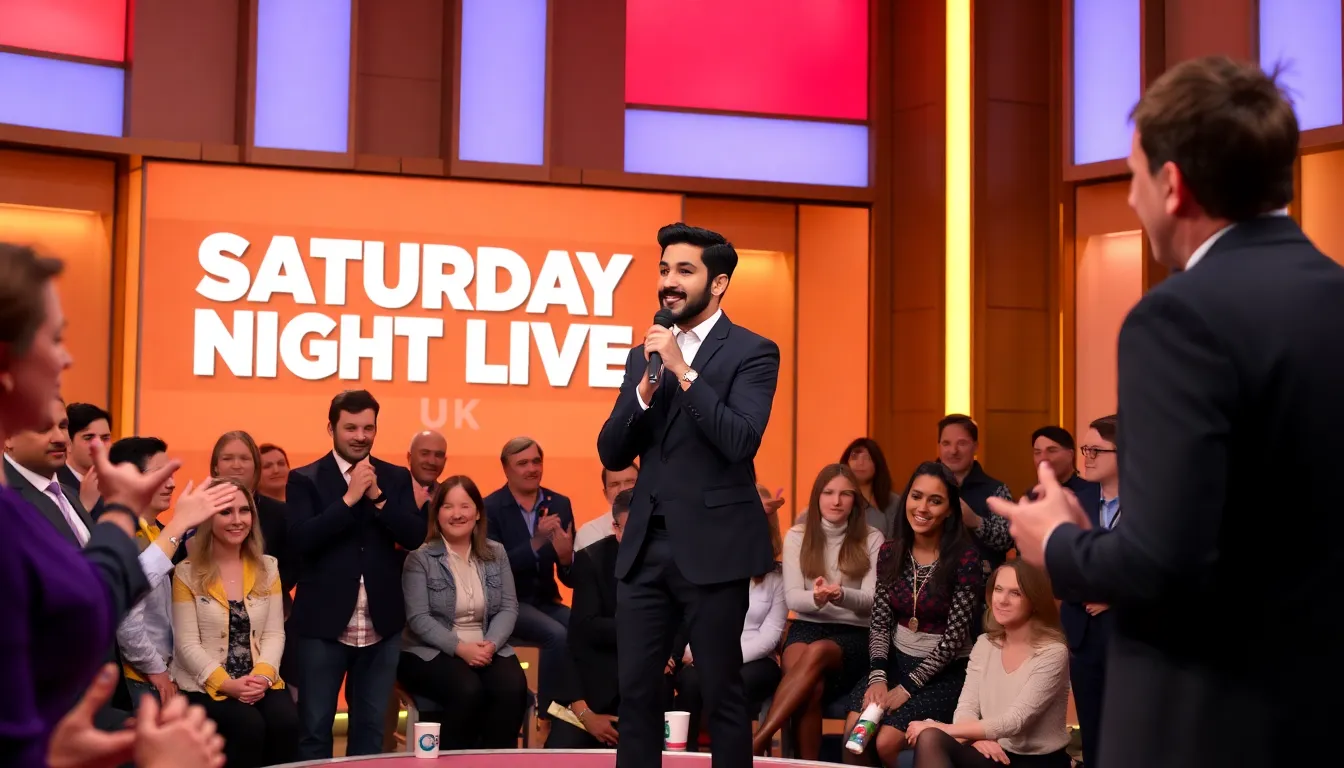
In the short term, Ahmed’s comments may lead to increased viewership for ‘Saturday Night Live U.K.’ and similar shows, as audiences seek relatable content that mirrors their own experiences. In the mid-term, this could encourage a broader cultural acceptance of flaws, potentially influencing advertising strategies that lean into authenticity rather than perfection.
- Short-term impacts: Increased viewership and engagement with comedy shows.
- Mid-term impacts: Shift in content creation towards themes of authenticity and relatability.
- Risks: Potential backlash from audiences who prefer traditional comedic styles.
- Opportunities: New avenues for brands to connect with consumers through relatable marketing campaigns.
Regions with a strong comedic tradition, such as London and Manchester, may see a rise in live performances and comedy festivals focusing on similar themes. This could bolster local economies as venues attract larger crowds, creating a vibrant atmosphere that celebrates the unique British spirit. Ultimately, Ahmed’s remarks may catalyze a cultural shift that encourages people to embrace their imperfections, fostering a sense of community and shared experience.
A: Riz Ahmed humorously critiqued British culture, stating that ‘we like it when things are a little bit crap,’ which resonated with many viewers. A: The monologue is significant as it showcases a blend of humor and social commentary, reflecting cultural attitudes in the UK. A: Audience reactions were mixed, with many appreciating the humor while others felt it was a bold critique of British norms. A: No, Riz Ahmed has appeared on SNL before, but this was his debut on the UK version of the show. A: Common themes in his comedy include cultural identity, social issues, and the absurdities of everyday life.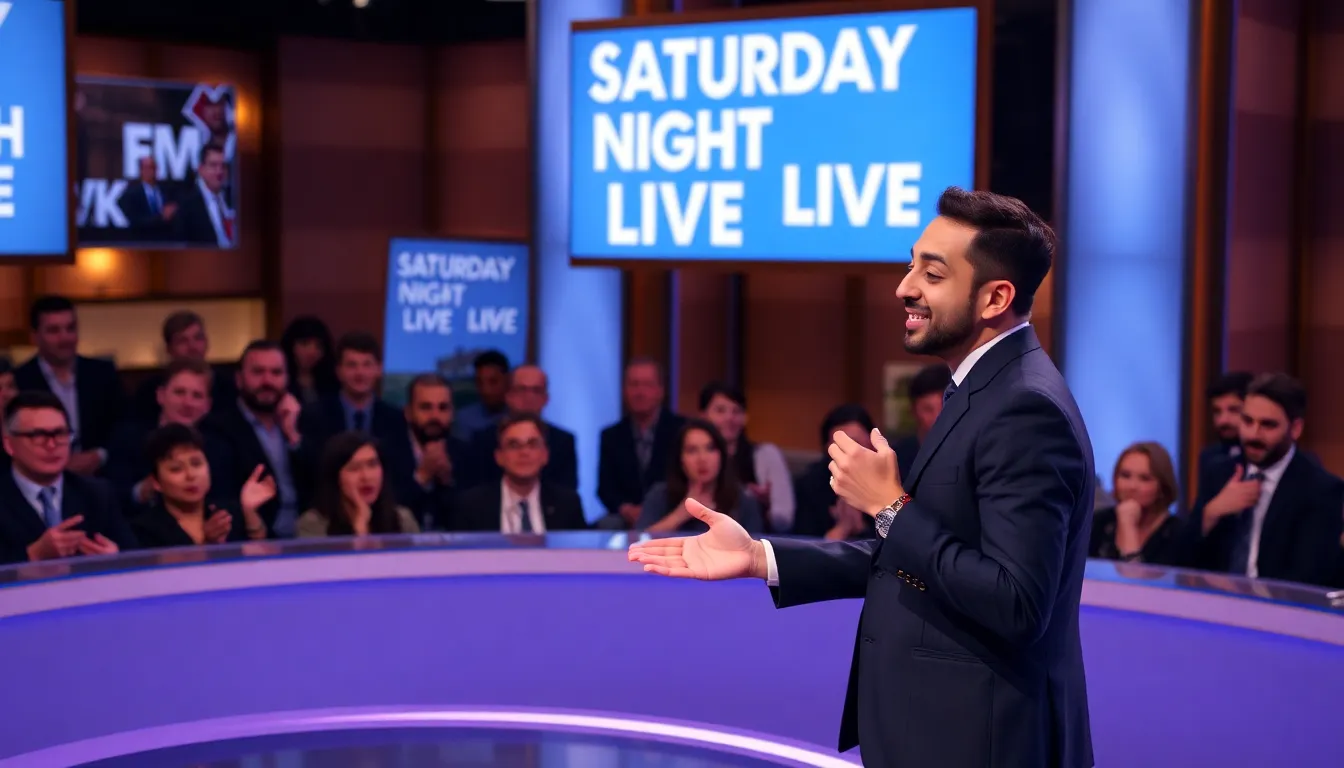
Frequently Asked Questions about Riz Ahmed’s Monologue
Key takeaways from Riz Ahmed’s performance and its implications
Riz Ahmed’s opening monologue on ‘Saturday Night Live U.K.’ serves as a critical reflection on British culture and humor, highlighting an appreciation for the imperfections that characterize societal experiences. His candid remarks not only entertain but also prompt viewers to reconsider their perspectives on national identity and resilience. The blend of humor and introspection in his delivery suggests a growing trend in comedy that embraces authenticity over idealism.
As audiences continue to engage with content that mirrors their realities, the implications of Ahmed’s performance extend beyond mere entertainment. It signals a shift towards a more relatable and self-aware form of comedy that resonates with a diverse demographic, encouraging a dialogue about cultural narratives and shared experiences.
- Expect a rise in comedic performances that challenge traditional narratives and embrace authenticity.
- Watch for increased discussions around national identity as comedians tackle complex societal issues.
- Consider the impact of celebrity platforms in shaping public discourse on cultural resilience.
- Anticipate a shift in audience preferences towards content that reflects everyday realities rather than idealized versions of life.