


Events like the COVID-19 pandemic have further exacerbated these disparities, leading to a decline in routine healthcare services for women. A study released in early 2022 indicated that many women postponed essential health screenings and treatments during the pandemic, resulting in delayed diagnoses and worsening health outcomes. This situation draws parallels to the way the COVID inquiry has highlighted the broader healthcare challenges we face.
Moreover, advocacy groups have raised concerns about the lack of representation of women in clinical trials, which can lead to inadequate understanding of how various treatments affect women differently. A 2020 analysis revealed that only 38% of clinical trial participants were women, underscoring the need for more inclusive research practices. This reflects ongoing disparities in healthcare that require urgent attention.
Legislative efforts are also underway to address these issues, with several countries introducing policies aimed at improving women’s health services. For instance, in 2023, the U.S. Congress proposed a bill to allocate more funding for women’s health research and ensure equitable access to healthcare services across different demographics. Such initiatives are essential to combat the deeply rooted challenges that have persisted for decades.
As awareness grows, it is crucial for policymakers, healthcare providers, and communities to prioritize women’s health. The ongoing dialogue surrounding these issues is essential to drive meaningful change and ensure that women’s health is treated with the urgency it deserves.
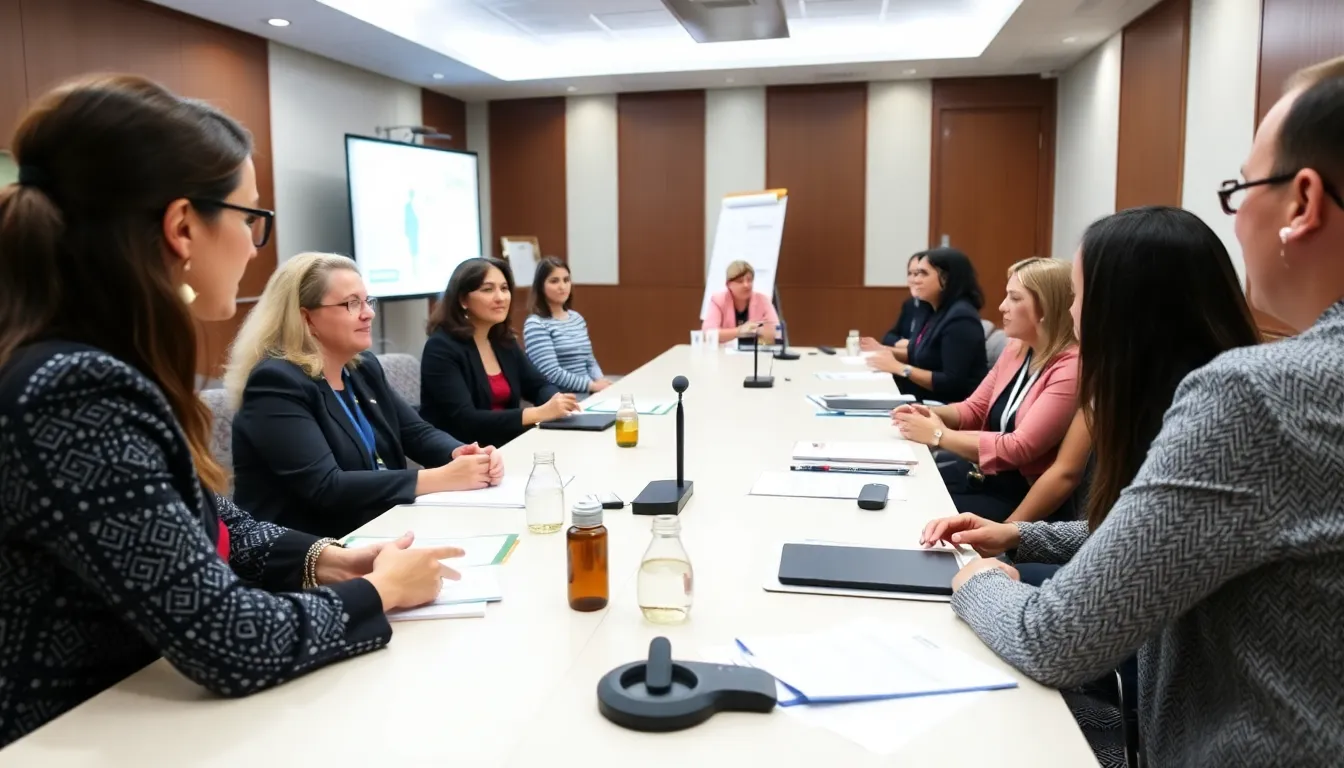
Understanding the Historical Context of Women’s Health
Women’s health has often been marginalized in the broader context of healthcare, a trend that can be traced back through centuries of societal norms and medical practices. Historically, women’s health issues were frequently misunderstood or overlooked, with many medical practitioners focusing predominantly on male patients. This lack of attention can be linked to the prevailing patriarchal structures that deemed women’s health as secondary, often relegating it to the realm of reproductive health alone.
The political landscape has also played a significant role in shaping women’s health. In the early 20th century, the women’s suffrage movement began to highlight the need for women’s voices in all areas, including health. However, it wasn’t until the late 1960s and early 1970s that significant strides were made, with the feminist movement advocating for comprehensive healthcare that addressed women’s unique needs. This period saw the establishment of organizations and legislation aimed at improving women’s health, such as the Women’s Health Equity Act of 1990.
Economic Factors Influencing Women’s Health
Economic disparities have further complicated the issue of women’s health. Women have historically faced barriers to accessing quality healthcare due to financial constraints, lack of insurance, and systemic inequities in the workforce. The gender pay gap, which persists in many countries, has left women with fewer resources to invest in their health. Additionally, the economic burden of caregiving responsibilities often falls disproportionately on women, further limiting their ability to seek medical attention.
Key milestones in the fight for women’s health rights include the introduction of the contraceptive pill in the 1960s, which revolutionized women’s autonomy over their reproductive health, and the establishment of the Office on Women’s Health in the United States in 1991. These events marked a turning point, leading to increased awareness and advocacy for women’s health issues. Despite these advancements, a significant gap remains in research, funding, and policy that addresses the full spectrum of women’s health needs.
As we navigate the complexities of women’s health today, it is crucial to recognize the historical context that has shaped current perceptions and policies. By understanding the past, we can better advocate for a future where women’s health is prioritized and treated with the seriousness it deserves.

Key Stakeholders and Issues in Women’s Health
Women’s health is a multifaceted issue that involves a variety of stakeholders, each with their own interests and perspectives. Key actors include governmental health agencies, non-governmental organizations (NGOs), healthcare providers, and advocacy groups. These stakeholders play pivotal roles in shaping policies, funding research, and delivering healthcare services aimed at improving women’s health outcomes.
Governments are often at the forefront of women’s health initiatives, as they are responsible for public health policy and funding. Their interests typically lie in reducing healthcare costs, improving population health, and ensuring equitable access to healthcare services. However, conflicting priorities can arise, especially when budget constraints limit the availability of resources dedicated to women’s health programs.
Non-governmental organizations and advocacy groups, such as women’s health coalitions, focus on raising awareness and promoting specific health issues, such as reproductive rights, maternal health, and access to contraception. These organizations often highlight disparities in healthcare access and outcomes, advocating for changes in policy and funding to address these inequities. Their efforts can sometimes clash with governmental policies or social norms, leading to tensions in the implementation of women’s health initiatives.
- Legal Issues: Women’s health policies may face legal challenges, particularly around reproductive rights, which can create significant barriers to access.
- Economic Factors: Funding for women’s health programs is often limited, leading to trade-offs in prioritizing which services receive support.
- Public Awareness: There is a need for greater public awareness of women’s health issues, which can influence both policy and funding decisions.
- Healthcare Provider Perspectives: Healthcare providers may have varying views on women’s health needs, influenced by their training and the resources available to them.
- Global Disparities: Women’s health issues are not uniform across the globe; disparities exist based on geography, culture, and socioeconomic status.
Ultimately, the interplay between these stakeholders and the issues they face underscores the complexity of advancing women’s health. Understanding these dynamics is crucial for developing effective strategies that address the unique health needs of women and promote equitable access to care.
The Impact of Neglecting Women’s Health
The neglect of women’s health affects a wide range of groups, including women of all ages, healthcare providers, and policymakers. Women, particularly those in marginalized communities, often face barriers to accessing necessary healthcare services, leading to significant health disparities. Industries such as pharmaceuticals and wellness also feel the repercussions, as under-researched areas in women’s health can result in missed market opportunities.

In the short term, the lack of attention to women’s health issues can lead to increased healthcare costs, as untreated conditions may worsen over time. Women may experience diminished quality of life, impacting their ability to work and participate fully in society. Businesses may face productivity losses due to increased absenteeism and healthcare expenditures related to women’s health issues.
In the mid-term, policies that fail to prioritize women’s health can result in systemic inequalities, perpetuating cycles of poverty and health issues. The healthcare system may struggle to meet the unique needs of women, leading to a lack of trust in medical professionals and institutions. This can create a significant gap in health outcomes, particularly in reproductive and mental health.
- Risks: Increased healthcare costs, productivity losses, and systemic inequalities.
- Opportunities: Investment in women’s health research, development of targeted healthcare solutions, and improved workplace policies.
Addressing women’s health not only benefits individuals but also has the potential to stimulate economic growth and foster healthier communities. By recognizing the importance of women’s health, industries can innovate and create products that cater specifically to women’s needs, ultimately leading to a more equitable society.
A: Women’s health has historically been marginalized due to societal norms and biases, leading to a lack of research and funding. This oversight has resulted in significant gaps in healthcare services for women. A: Women often face unique health challenges such as reproductive health issues, autoimmune diseases, and mental health disorders. These conditions can be exacerbated by a lack of awareness and proper medical attention. A: Improving women’s health care requires increased funding for research, better training for healthcare providers, and policies that prioritize women’s health needs. Advocacy and awareness are also crucial. A: Women play a critical role in health decision-making for themselves and their families. Empowering women with knowledge and resources can lead to better health outcomes. A: Yes, many organizations, such as the Women’s Health Initiative and the American College of Obstetricians and Gynecologists, focus on research and advocacy for women’s health issues.
Frequently Asked Questions about Women’s Health
Key Takeaways and Future Directions for Women’s Health
As the conversation around women’s health gains momentum, it is crucial to recognize the systemic changes needed to address long-standing disparities. The integration of women’s health into broader healthcare policies and practices is not just a necessity but a moral imperative. A proactive approach that prioritizes research, education, and access can lead to better health outcomes for women across all demographics.
Moving forward, stakeholders must work collaboratively to ensure that women’s health issues are not sidelined. This includes advocating for increased funding for research specific to women’s health, developing educational programs that raise awareness, and implementing policies that promote equitable access to healthcare services. By focusing on these areas, we can create a healthier future for women everywhere.
- Advocacy for Research Funding: Increased investment in women’s health research is essential to address gaps in knowledge and treatment options.
- Education and Awareness: Programs aimed at educating both healthcare providers and the public about women’s health issues can enhance understanding and reduce stigma.
- Policy Reforms: Implementing policies that ensure equitable access to healthcare services for women will help bridge the existing gaps in care.
- Community Engagement: Encouraging community involvement and support can empower women to take charge of their health and advocate for their needs.
- Holistic Approaches: Emphasizing a holistic approach to women’s health that includes mental, physical, and reproductive health will lead to comprehensive care solutions.