


The actor, known for his roles in action films and television series, has been alive and well, actively engaging with his audience through social media. If you’re interested in more on how public figures manage their online presence, you can read about the challenges highlighted in Exploring the Theme of When I Leave No One Notices.
In a statement released through their representatives, Norris’s family urged the public to be vigilant about the sources of information they consume online. They highlighted the potential dangers of misinformation, particularly in an age where AI technology can easily create convincing yet false narratives. This situation underscores the importance of verifying news before sharing it.
As AI technology continues to advance, the potential for misleading content increases, prompting calls for greater accountability within the digital landscape. This ties into broader discussions on misinformation, much like those surrounding Alex Duong, whose unexpected passing also sparked media scrutiny, as seen in the article Alex Duong, Stand-Up Comedian and Blue Bloods Actor Dies at 42.
Understanding the rise of AI misinformation
In recent years, the proliferation of artificial intelligence has revolutionized content creation, enabling the generation of realistic videos, images, and text. While this technology has many positive applications, it has also given rise to a troubling trend: the spread of misinformation. The ability to create hyper-realistic deepfakes and manipulated content has blurred the lines between reality and fiction, leading to widespread confusion and the dissemination of false narratives.
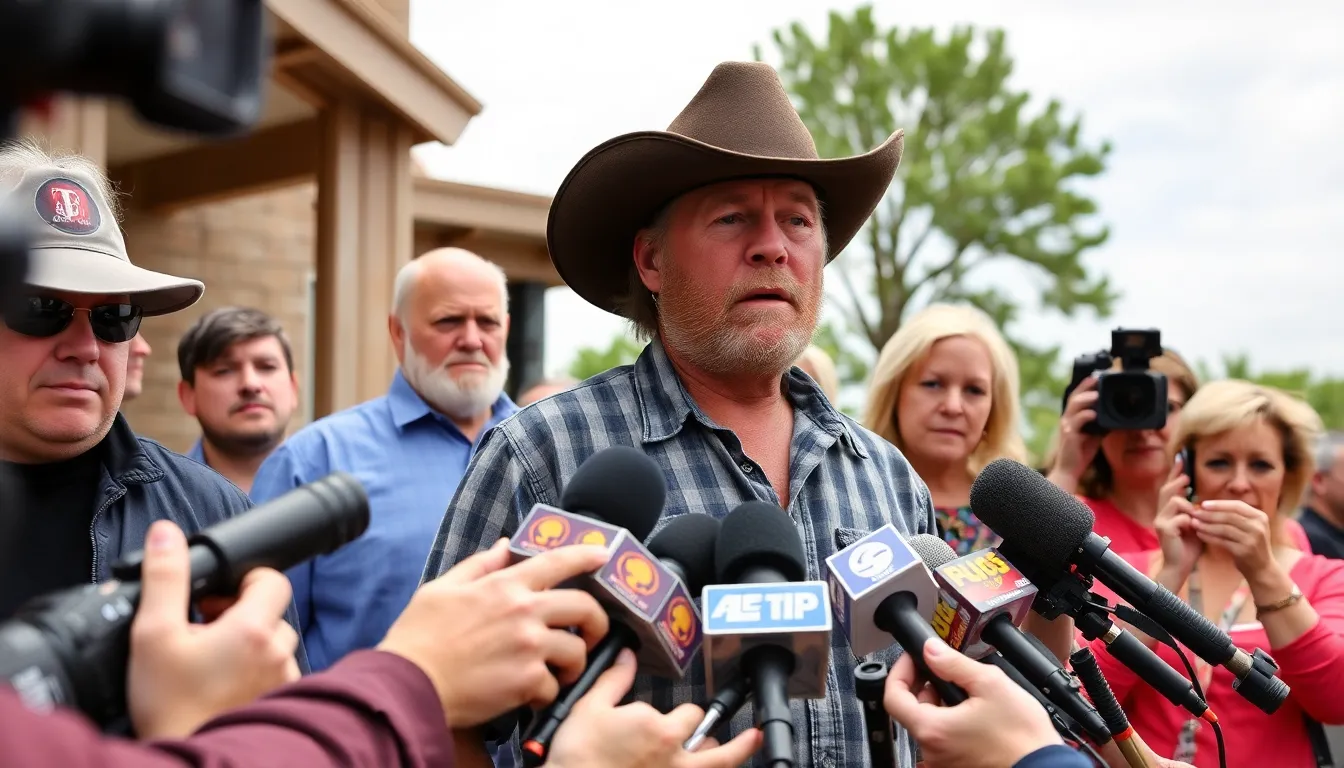
The case of Chuck Norris serves as a poignant example of this phenomenon. The martial arts icon and actor has been the subject of various internet memes and hoaxes for years, but the emergence of AI-generated videos claiming his death has sparked significant concern. Such videos not only mislead the public but also have the potential to harm the reputations and emotional well-being of those involved, including Norris’s family.
The impact of social media
Social media platforms play a crucial role in the rapid spread of misinformation. These platforms, designed for quick sharing and virality, often prioritize sensational content over factual accuracy. As a result, AI-generated falsehoods can gain traction before they are debunked. The ease with which users can share content has made it increasingly difficult for individuals and families to control the narrative surrounding their lives, as seen in the recent uproar from Norris’s family regarding the misleading videos.
Historically, misinformation has always existed, but the rise of digital technology has accelerated its spread. Events such as the 2016 U.S. presidential election highlighted the dangers of fake news, leading to increased scrutiny of online content. In response, many platforms have begun implementing measures to combat misinformation, but the challenge remains significant as new technologies continue to evolve.
As society grapples with the implications of AI and misinformation, it is essential to foster critical thinking and media literacy among audiences to mitigate the impact of false information. In a similar vein, the importance of understanding media impact is also discussed in Pa Salieu discusses the importance of his documentary.
The implications of AI-generated content on public figures
The emergence of AI-generated content has raised significant concerns regarding the authenticity and accuracy of information disseminated about public figures. In the case of Chuck Norris, his family has publicly condemned AI-generated videos that falsely claim he has died. This incident highlights the broader implications of misinformation and the responsibilities of content creators and platforms in managing the integrity of information.

Key stakeholders in this situation include Chuck Norris and his family, who are directly affected by the spread of false information. Their interest lies in protecting their reputation and ensuring accurate representation in the media. Additionally, AI technology companies and social media platforms play a crucial role, as they are responsible for the algorithms that generate and distribute such content. Their interests often revolve around user engagement and content virality, which can sometimes overshadow the importance of fact-checking.
Legal issues also arise from the dissemination of misleading information. The family of Chuck Norris may consider pursuing legal action against those responsible for creating and sharing the AI-generated videos, citing defamation or emotional distress. On the other hand, the creators of such content may argue for freedom of expression, raising questions about the balance between protecting individuals from false narratives and upholding the right to create and share content.
- Misinformation Risks: The potential for AI-generated content to spread false narratives quickly and widely.
- Legal Ramifications: Possible defamation claims and the challenges of proving harm in the digital age.
- Ethical Responsibilities: The obligation of content creators and platforms to ensure accuracy and mitigate harm.
- Public Perception: How misinformation can shape public opinion and impact the lives of those it targets.
- Technological Accountability: The need for AI developers to implement safeguards against the misuse of their technologies.
As this situation unfolds, it underscores the necessity for greater awareness and dialogue surrounding the implications of AI-generated content, particularly concerning the reputations and lives of individuals in the public eye. The balance between innovation and responsibility remains a critical conversation in the digital landscape.
How misinformation affects fans and the media landscape
The recent backlash from Chuck Norris’ family regarding AI-generated videos claiming his death highlights the complex interplay between misinformation, celebrity culture, and media ethics. Fans of Norris, particularly those who grew up watching his films and television shows, are directly affected by such misleading content. These fans often share a deep emotional connection with the actor, making them vulnerable to distress from false reports.
In the short term, the spread of misinformation can lead to a wave of public outcry and confusion. Fans may feel compelled to verify the authenticity of the news, leading to anxiety and a potential backlash against platforms that host such content. This also puts pressure on media outlets to fact-check and provide accurate reporting, which could strain their resources.
In the mid-term, the ramifications extend to the entertainment industry and social media platforms. Businesses that rely on celebrity endorsements or fan engagement may see a decline in trust, affecting marketing strategies and revenue. Moreover, platforms may need to implement stricter policies and technologies to combat misinformation, which could lead to increased operational costs.
- Risks: Erosion of trust in media, emotional distress for fans, potential loss of revenue for related businesses.
- Opportunities: Increased demand for fact-checking services, development of AI tools for misinformation detection, potential for community engagement initiatives.
Regions with a high concentration of Chuck Norris’ fanbase, particularly in the United States, may experience heightened reactions, while the global reach of social media means that misinformation can spread rapidly, impacting international audiences as well. As a result, the conversation around media responsibility and the role of technology in shaping public perception will become increasingly relevant.
A: The family responded to a surge of AI-generated videos falsely claiming that Chuck Norris had died, which they found deeply concerning and misleading. A: Many fans expressed shock and disbelief, while others criticized the spread of misinformation and the role of AI in creating such content. A: AI-generated misinformation can spread rapidly, leading to confusion and emotional distress among fans and the public, as well as damaging the reputations of individuals. A: While Chuck Norris himself has remained silent, his family has taken the initiative to clarify the situation and protect his legacy. A: Increasing media literacy, promoting fact-checking, and encouraging platforms to regulate AI-generated content are essential steps to combat misinformation.
Frequently Asked Questions about Chuck Norris and AI videos
Key takeaways on the impact of AI misinformation
The recent statement from Chuck Norris’ family highlights the growing concern surrounding the spread of misinformation through AI-generated content. As technology evolves, the ability to create realistic yet false narratives poses significant challenges, particularly for public figures and their families. This incident serves as a reminder of the need for vigilance in discerning credible information from misleading content.
As AI continues to advance, the implications for media consumption and public perception are profound. Understanding the effects of such misinformation is crucial for both individuals and society at large, prompting a reevaluation of how we engage with digital content.
- Increased scrutiny on AI-generated content may lead to stricter regulations and guidelines for its use in media.
- Public figures and their families may need to adopt proactive communication strategies to combat misinformation.
- Media literacy programs could become essential in educating the public about distinguishing between credible and misleading information.
- The role of technology companies in monitoring and addressing AI misinformation will likely come under greater examination.
- Future developments in AI may require a collaborative effort between technologists and ethicists to ensure responsible usage.