


As of October 2023, the Artemis I mission, an uncrewed test flight, successfully launched in late 2022 and completed its mission with a splashdown in December. The program has faced challenges, including budget constraints and technical delays, which have fueled Trump’s assertions that the U.S. is falling behind in space exploration. His statements have sparked a debate about the future of NASA’s initiatives and the role of private companies in space travel, as highlighted in the article Exploring the Moon and Mars and the Importance of Nasa’s Mission.
Trump’s commentary has also resonated with his supporters, who view space exploration as a critical area for American leadership. This sentiment is echoed by various stakeholders in the aerospace industry, who emphasize the importance of a clear and ambitious space policy. The upcoming elections in 2024 may further influence discussions around space exploration, as candidates position themselves on issues of national pride and technological advancement.
The discourse surrounding Trump’s remarks highlights the broader implications of U.S. space policy and its impact on global competition. As other nations, including China and Russia, ramp up their lunar missions, the U.S. faces pressure to demonstrate its commitment to maintaining a leadership role in space. The ongoing dialogue reflects not only the political landscape but also the scientific and economic stakes involved in the future of lunar exploration.
Understanding the background of Trump’s space exploration ambitions
Donald Trump’s interest in space exploration was significantly shaped by a combination of historical events, political motivations, and public sentiment towards space travel. The United States has a storied history with space exploration, dating back to the Cold War era when the Space Race spurred technological advancements and national pride. The Apollo missions of the 1960s and 70s, which successfully landed humans on the moon, are often cited as pivotal moments in American history that ignited public interest in space.
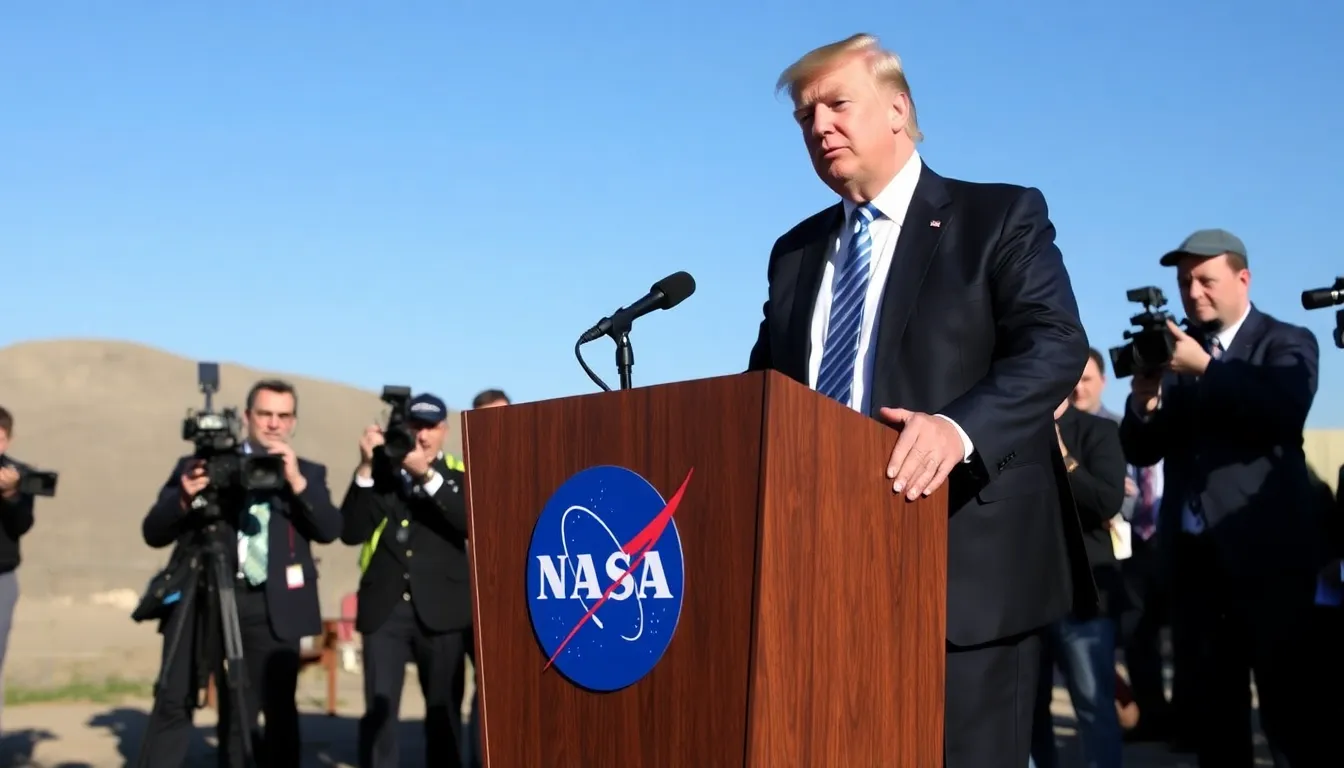
In recent years, the conversation around space has evolved, with private companies like SpaceX and Blue Origin leading the charge in commercial space travel. Trump’s administration sought to capitalize on this momentum, proposing a renewed focus on lunar exploration through the Artemis program, which aimed to return humans to the moon by the mid-2020s. This initiative was not only a nod to past achievements but also an attempt to assert American dominance in space exploration amidst growing competition from nations like China and Russia, as discussed in the article Elon Musk’s SpaceX poised for a $1 trillion valuation with upcoming public listing.
Economically, the push for space exploration under Trump’s leadership was seen as a way to stimulate job creation and innovation in the aerospace sector. The administration argued that investing in space technology could lead to advancements that benefit various industries on Earth, from telecommunications to environmental monitoring. This economic rationale resonated with many Americans who viewed space exploration as a frontier that could yield significant returns.
The Political Landscape
The political landscape surrounding space exploration also played a crucial role in shaping Trump’s ambitions. The space sector has historically enjoyed bipartisan support, but Trump’s approach was marked by a desire to differentiate his administration from previous ones. By prioritizing the moon mission, Trump aimed to rally his base and appeal to nationalistic sentiments, framing the initiative as a matter of American exceptionalism. This strategy was also reflected in his administration’s emphasis on the importance of maintaining leadership in the global space race.
In summary, the confluence of historical achievements, economic incentives, and political strategy laid the groundwork for Trump’s vision of space exploration, particularly the ambitious goal of returning to the moon. As public interest in space continues to grow, the legacy of these initiatives will likely influence future administrations and the direction of American space policy.
Analyzing the key issues and stakeholders in the moon mission debate
The recent cartoon by Ben Jennings, which features Donald Trump in the context of a moon mission, highlights a complex interplay of interests among various stakeholders. This discussion encompasses not only political figures but also organizations and the broader public, reflecting the ongoing themes of Trump’s space policy and its implications.
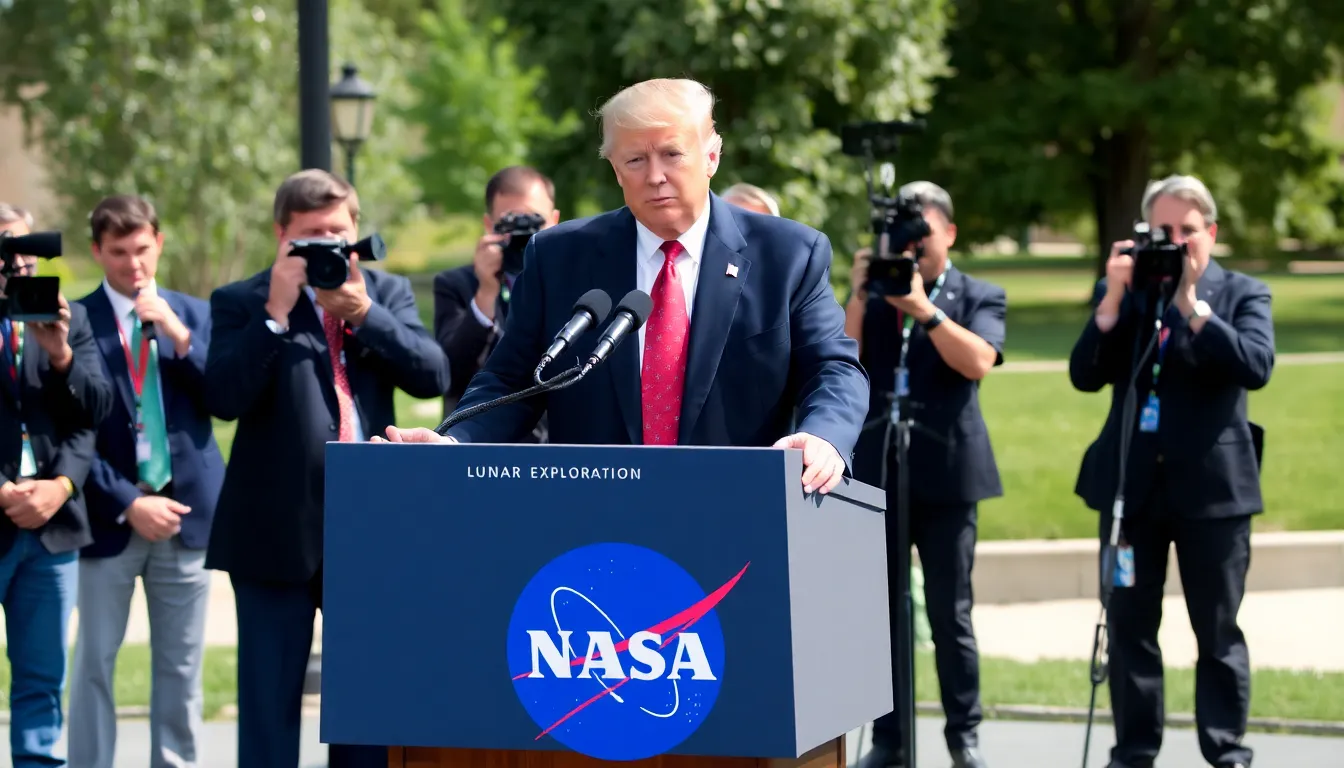
One of the primary stakeholders is the U.S. government, specifically NASA, which aims to advance space exploration and maintain its leadership in the field. The agency’s interests revolve around securing funding, technological advancements, and international partnerships. In contrast, private space companies, such as SpaceX and Blue Origin, are also key players, seeking to capitalize on government contracts while pushing the envelope of commercial space travel.
Donald Trump, as a former president and a vocal advocate for space exploration, represents a political dimension that intertwines with economic interests. His support for a moon mission could rally his base and promote a vision of American exceptionalism in space. However, this perspective may conflict with environmental concerns and the prioritization of funding for social programs on Earth.
- Funding Allocation: The debate over budgetary priorities raises questions about the balance between space exploration and domestic issues.
- Technological Innovation: The moon mission could drive advancements, but it may also divert resources from other critical scientific research.
- International Collaboration: The mission’s success hinges on partnerships with other nations, which may create geopolitical tensions.
- Public Sentiment: Voter opinions on space exploration can influence political support and funding decisions.
- Legal Framework: The mission must navigate existing space treaties and regulations governing lunar activities.
These key issues reflect the multifaceted nature of the moon mission debate, where economic, legal, and social dimensions intersect. Understanding the motivations and conflicts among stakeholders provides insight into the broader implications of pursuing such ambitious goals in space exploration.
Impact of Trump’s statements on public perception and space policy
Donald Trump’s recent statements regarding the moon mission have reverberated across various sectors, influencing both public perception and space policy. The groups most affected include space agencies, private aerospace companies, and the general public, particularly those interested in space exploration and technology. Trump’s comments have sparked renewed interest in lunar exploration, but they also raise concerns about the politicization of space endeavors.
In the short term, Trump’s remarks may lead to increased funding for space missions as lawmakers respond to public interest. This could benefit industries involved in aerospace engineering, satellite technology, and research institutions focusing on space sciences. However, the potential for shifting priorities based on political rhetoric could create instability in long-term planning and investment in space initiatives.
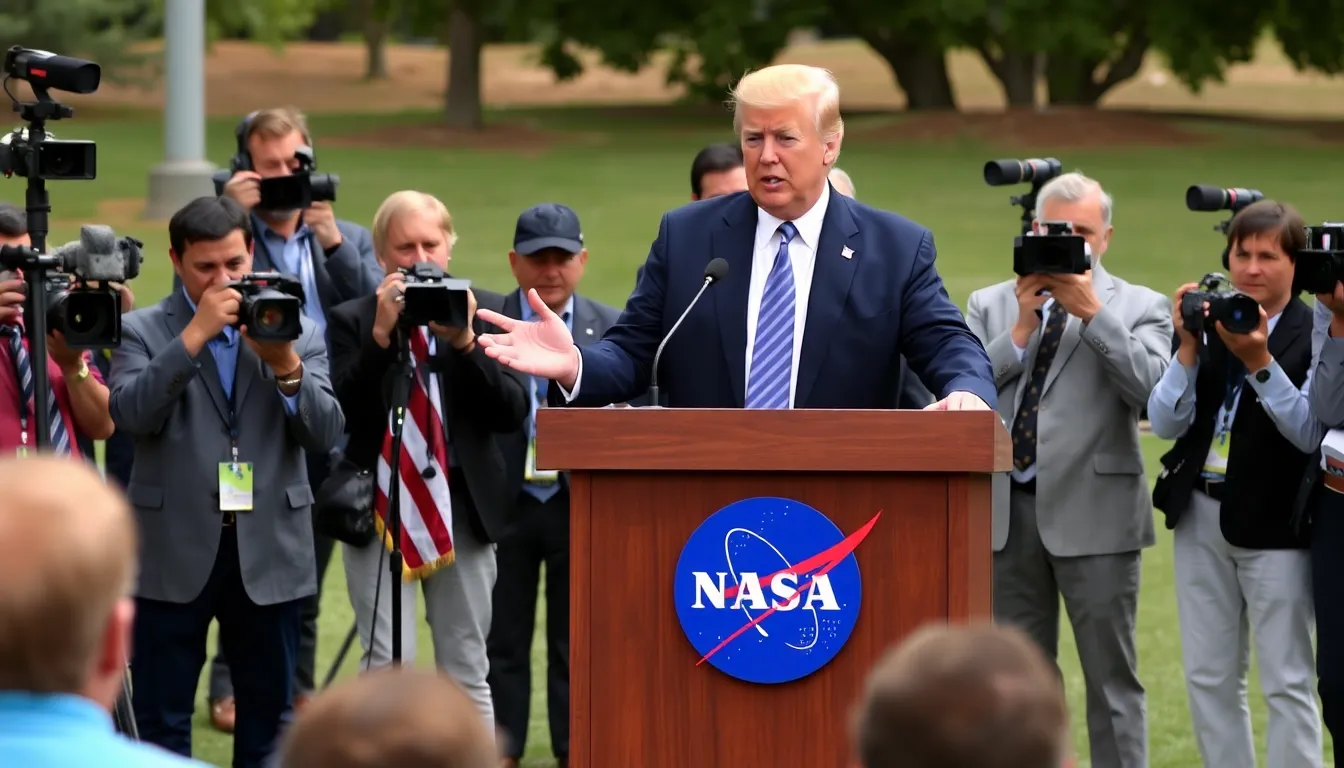
Mid-term impacts on daily life could manifest in educational programs and job creation in STEM fields, as increased funding may lead to new initiatives aimed at inspiring the next generation of scientists and engineers. However, there is a risk that the focus on lunar missions could detract from pressing issues on Earth, such as climate change or public health, leading to public disillusionment.
- Opportunities: Growth in the aerospace sector and job creation in related fields.
- Risks: Potential neglect of Earth-centric issues and instability in space policy.
- Public Engagement: Increased public interest and participation in space exploration initiatives.
Regions with active space programs, such as Florida and Texas, may experience economic boosts, while others may feel left behind if funding is concentrated in politically favorable areas. The overall impact of Trump’s statements will likely depend on how policymakers balance enthusiasm for space exploration with the need to address terrestrial challenges.
A: The cartoon satirizes Donald Trump’s perspective on the moon mission, blending humor with political commentary. A: It captures the polarized views on space exploration, showcasing how Trump’s rhetoric influences public opinion. A: The cartoon has sparked discussions on social media, with mixed reactions from supporters and critics of Trump. A: The moon mission represents not only scientific advancement but also national pride and international competition in space. A: It highlights the intersection of humor and serious political discourse, illustrating how art can comment on current events.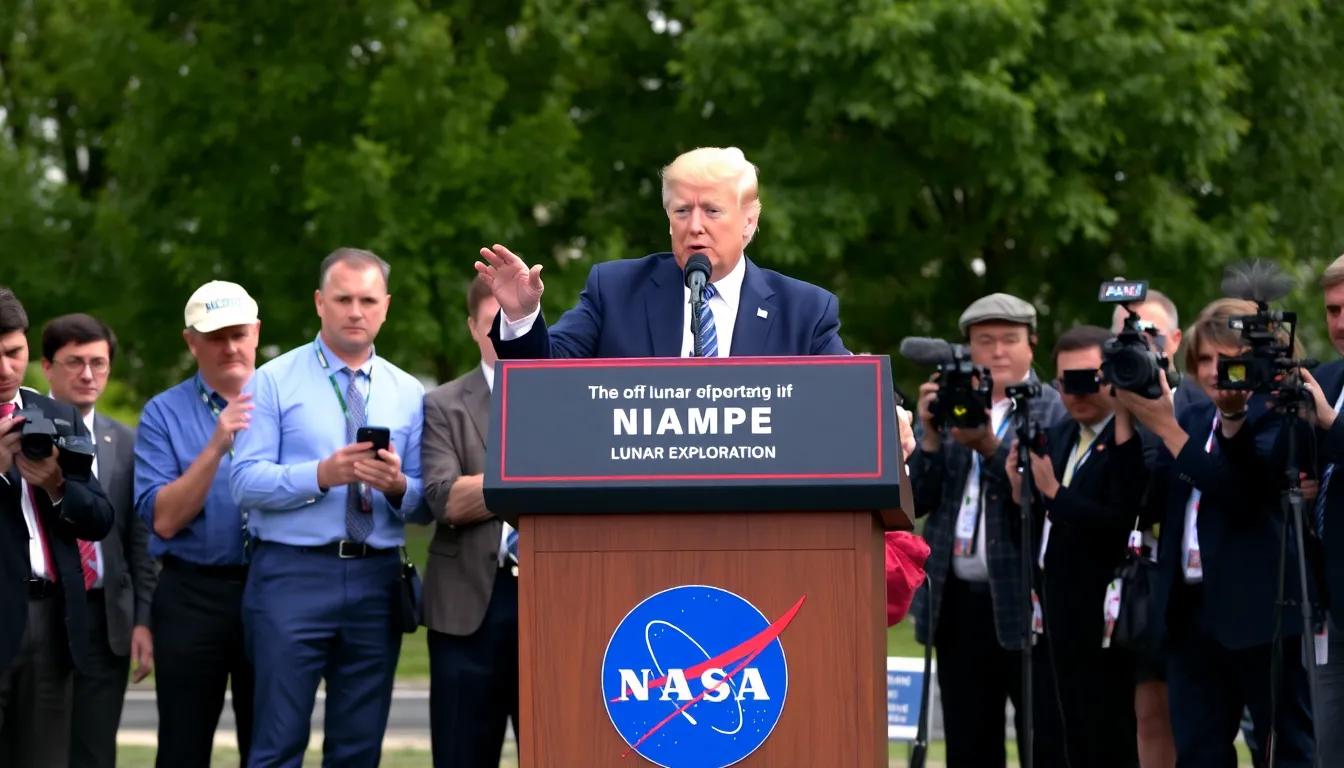
Frequently asked questions about the cartoon and its themes
Key takeaways and future outlook on space exploration and politics
Ben Jennings’ cartoon on Donald Trump and the moon mission encapsulates the intersection of political ambition and space exploration. As the U.S. navigates its space agenda, the implications of political rhetoric and leadership styles on scientific endeavors become increasingly evident. The portrayal serves as a reminder of how political narratives can shape public perception and funding priorities in space exploration.
Looking ahead, the relationship between political leadership and space missions will likely influence not only national but also international collaboration in space. As new leadership emerges, the direction of space policy may shift, impacting both the pace of exploration and the focus on scientific research.
- Monitor how upcoming elections may alter the U.S. space agenda and international partnerships.
- Watch for shifts in public opinion regarding funding for space initiatives as political narratives evolve.
- Consider the role of private companies in space exploration and how they may influence political decisions.
- Pay attention to the potential for renewed interest in lunar missions and their implications for future Mars exploration.
- Evaluate the impact of political satire in shaping public discourse about science and technology initiatives.