


The draft lyrics, dated to the mid-1960s, were found in a copy of Ginsberg’s “The Fall of America.” This period was marked by Dylan’s transition into a more introspective and experimental phase of songwriting, making the discovery particularly noteworthy. Experts believe these lyrics could shed light on the evolution of Dylan’s work during a time of significant cultural change, especially when considering his role as the voice of a generation.
As news of the find spreads, collectors and music historians are eager to assess the significance of these lyrics. The intersection of Dylan’s music with Ginsberg’s poetry reflects the vibrant artistic community of the 1960s, emphasizing the collaborative spirit that defined the era. This discovery not only enriches the understanding of both artists but also highlights the enduring impact of their contributions to American culture, similar to the influence seen in the works of the Beat Generation.
The draft lyrics will be made available for public viewing at an upcoming exhibition, allowing fans to engage with the work firsthand. This event is expected to draw attention from media outlets and enthusiasts, further solidifying the importance of this find in the ongoing narrative of American music and literature. As the excitement builds, the legacy of both Dylan and Ginsberg continues to resonate with new generations, much like the ongoing discussions surrounding the civil rights movement.
Understanding the relationship between Dylan and Ginsberg
The discovery of Bob Dylan’s draft lyrics within a book by Allen Ginsberg highlights the profound connection between two iconic figures of the 20th century American cultural landscape. Both Dylan and Ginsberg emerged during the 1960s, a period marked by significant social upheaval, artistic experimentation, and the rise of counterculture movements. Their works not only reflected the sentiments of the time but also influenced the trajectory of music and literature.
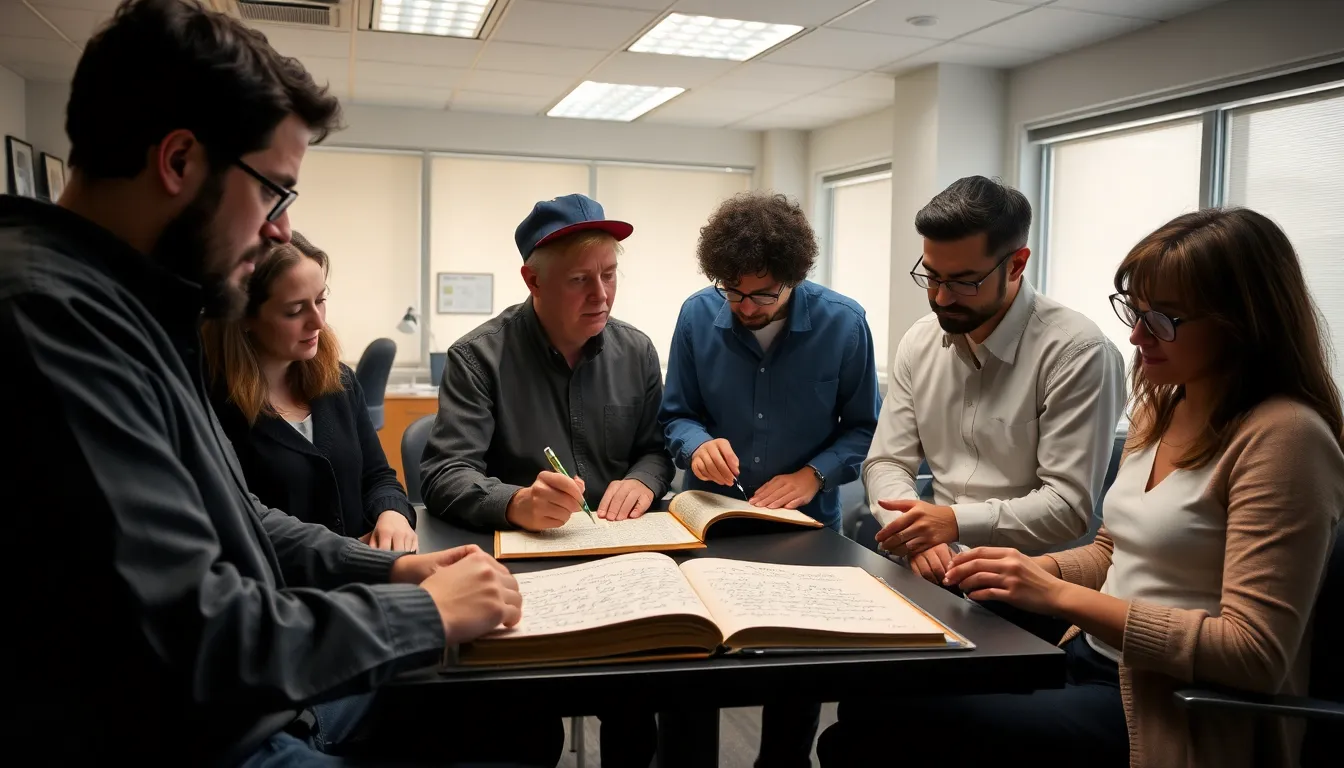
Bob Dylan, often regarded as the voice of a generation, utilized his music to address pressing social issues such as civil rights, war, and personal identity. Similarly, Allen Ginsberg, a leading figure of the Beat Generation, used poetry as a means to challenge societal norms and advocate for freedom of expression. Their relationship was rooted in mutual admiration and shared ideals, with both artists pushing the boundaries of their respective mediums.
The Cultural Context of the 1960s
The 1960s were characterized by a vibrant artistic exchange, where musicians and poets often collaborated or drew inspiration from one another. The civil rights movement, anti-war protests, and the sexual revolution created a fertile ground for creative expression. Dylan and Ginsberg both participated in these movements, with Ginsberg famously reading his poem “Howl” at public demonstrations and Dylan penning songs like “The Times They Are a-Changin’.” This cultural milieu fostered an environment where their works could intersect, making the discovery of Dylan’s lyrics in Ginsberg’s book a significant historical artifact.
The relationship between the two artists was further solidified through their personal interactions. They met in the early 1960s, and their conversations often revolved around poetry, music, and the role of the artist in society. This camaraderie not only enriched their individual works but also contributed to the broader narrative of the era, as they sought to inspire change through their art.
The recent finding of Dylan’s draft lyrics serves as a reminder of the lasting impact that both artists had on American culture. As the world continues to grapple with the issues they addressed, the intersection of their legacies invites a reevaluation of how art can influence social change and the importance of preserving such historical artifacts for future generations.
Implications of the draft lyrics for music and poetry
The discovery of Bob Dylan’s draft lyrics within an Allen Ginsberg book has sparked significant interest among various stakeholders, including music historians, literary scholars, collectors, and fans. Each group has its own motivations for engaging with this find, which could reshape our understanding of both Dylan’s creative process and the relationship between music and poetry.
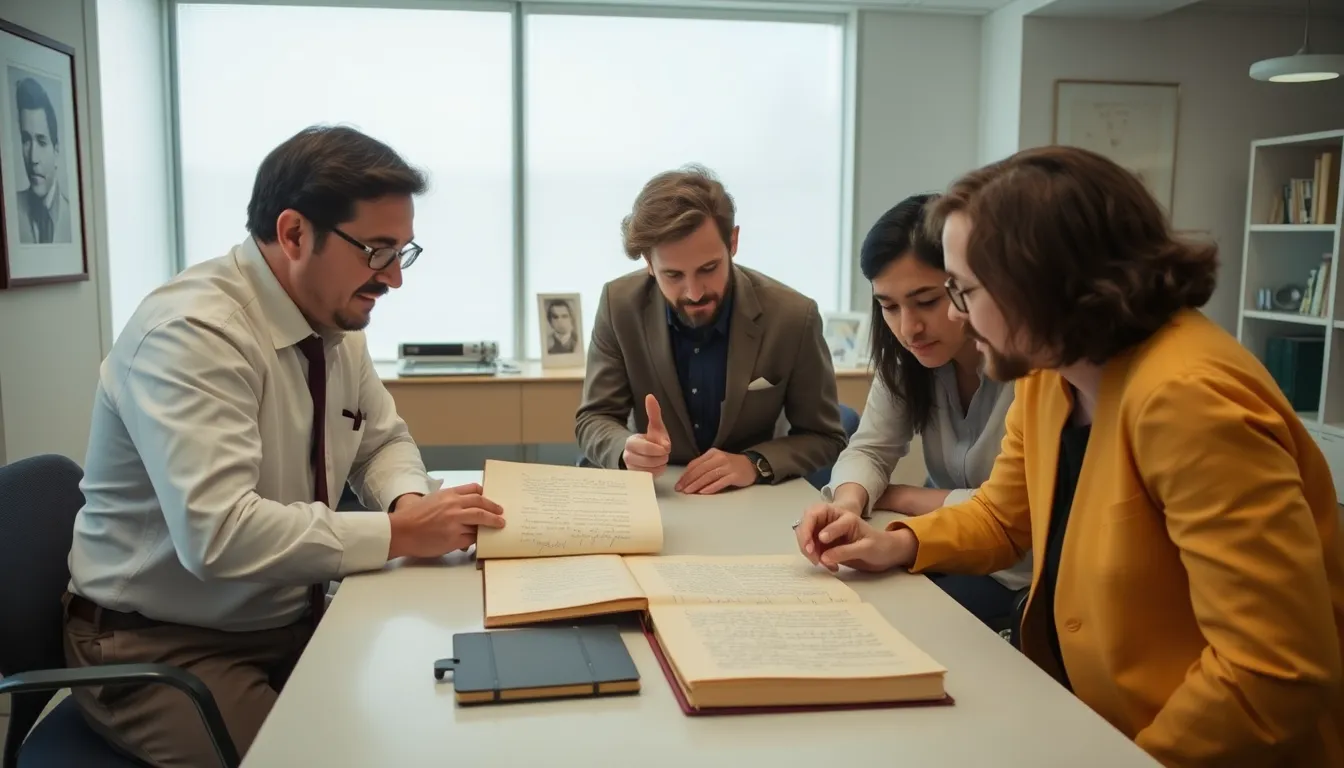
For music historians and scholars, the lyrics offer a rare glimpse into Dylan’s songwriting techniques and the evolution of his work. This could lead to new interpretations of his existing songs and potentially unveil previously unrecognized influences. Literary scholars may also find value in analyzing the interplay between Dylan’s lyrics and Ginsberg’s poetry, highlighting the connections between these two iconic figures of the 20th century.
Collectors and fans, on the other hand, may view the discovery as an opportunity for investment and preservation. The rarity of such artifacts can significantly increase their market value, raising questions about ownership and the ethics of collecting. The potential for commercialization could create tensions between the desire to preserve cultural heritage and the financial motivations of private collectors.
- Intellectual Property Rights: The legal implications surrounding the ownership of the draft lyrics could lead to disputes over copyright and royalties.
- Cultural Significance: The lyrics may impact how both Dylan and Ginsberg are perceived in the literary and musical canon, affecting their legacies.
- Market Dynamics: The discovery may influence the market for memorabilia, with potential implications for auction houses and collectors.
- Academic Research: Scholars may seek to publish new findings based on these lyrics, which could lead to increased academic interest in both artists.
Additionally, the discovery raises broader questions about the preservation of artistic works and the responsibility of institutions to safeguard such materials. As public interest grows, there may be calls for greater transparency in how these artifacts are handled and shared with the community, ensuring that they remain accessible to future generations.
Potential impact on collectors and fans
The recent discovery of Bob Dylan’s draft lyrics within an Allen Ginsberg book has stirred excitement among various groups, particularly collectors, fans, and scholars of music and literature. This find not only contributes to the rich tapestry of cultural history but also has implications for the market surrounding memorabilia and rare literary artifacts.
In the short term, collectors of music memorabilia may see a surge in interest, leading to increased demand for similar items. Auctions and sales of Bob Dylan-related artifacts are likely to experience heightened activity, with prices potentially skyrocketing as enthusiasts vie for ownership of unique pieces. Additionally, fans of both Dylan and Ginsberg may engage more deeply with their works, leading to a revival of interest in their literary and musical contributions.
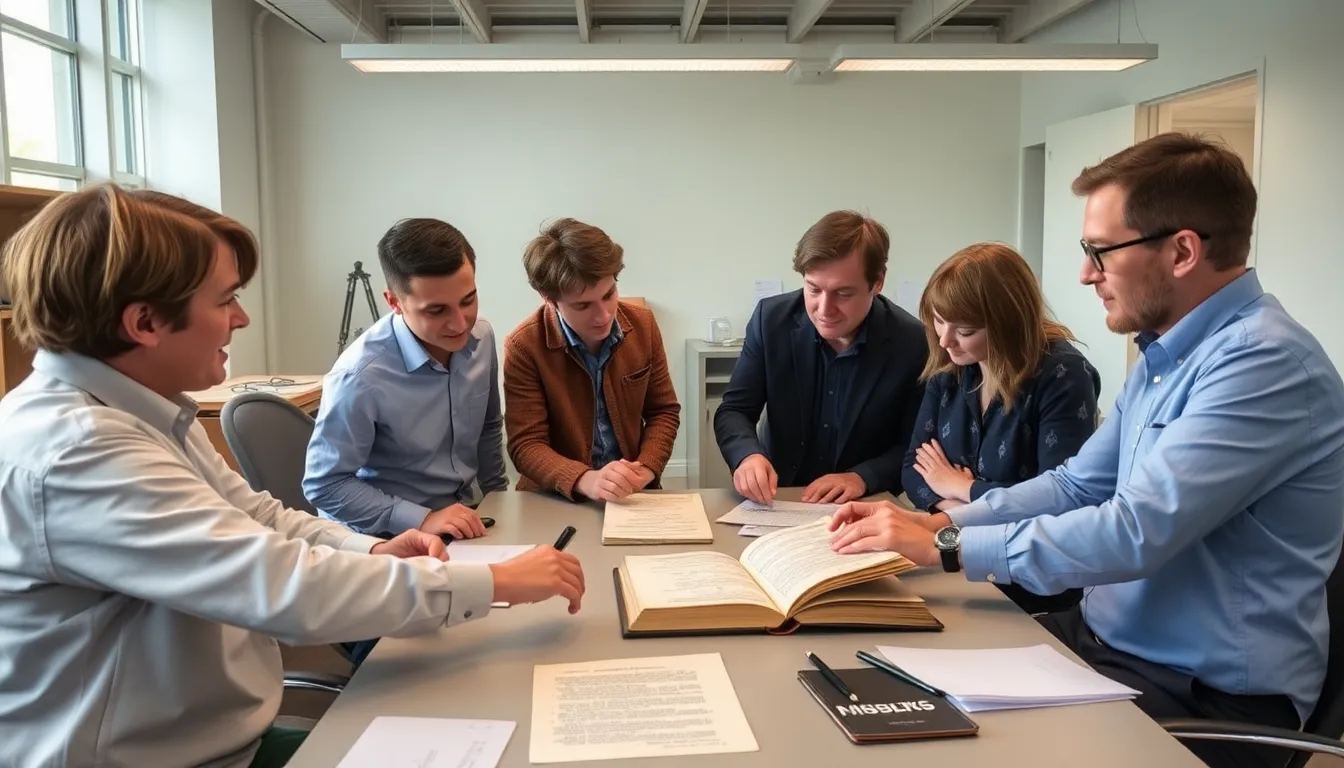
Mid-term impacts may include shifts in how literary and music festivals curate their programming, potentially featuring more panels and discussions on the intersection of poetry and song. Educational institutions might also incorporate the newly discovered lyrics into their curriculum, offering students insights into the creative process of two iconic figures. This could foster a new generation of fans and scholars.
- Increased demand for memorabilia and rare items related to Bob Dylan and Allen Ginsberg.
- Revival of interest in the literary and musical contributions of both artists.
- Potential for new educational content focusing on the relationship between poetry and songwriting.
- Opportunities for auction houses and galleries to showcase rare finds.
However, there are risks associated with this newfound attention. The potential for counterfeit items may rise, as unscrupulous sellers attempt to capitalize on the hype. Collectors must be vigilant in verifying authenticity, which could complicate transactions and lead to distrust in the market. Additionally, the commercialization of these artifacts may dilute their cultural significance, transforming them into mere commodities rather than cherished pieces of history.
A: The discovered lyrics provide insight into Bob Dylan’s creative process and his collaboration with Allen Ginsberg, highlighting the intersection of music and poetry. A: The lyrics were discovered inside a book by Allen Ginsberg, which adds historical context to the artifacts and their connection to the Beat Generation. A: Collectors may see an increase in interest and value for items related to both Dylan and Ginsberg, as this discovery adds a unique piece to their legacies. A: As of now, there are no confirmed plans to publish the lyrics, but discussions within the literary and music communities are ongoing. A: Fans are excited about the discovery, viewing it as a rare glimpse into the artistic minds of two legendary figures in American culture.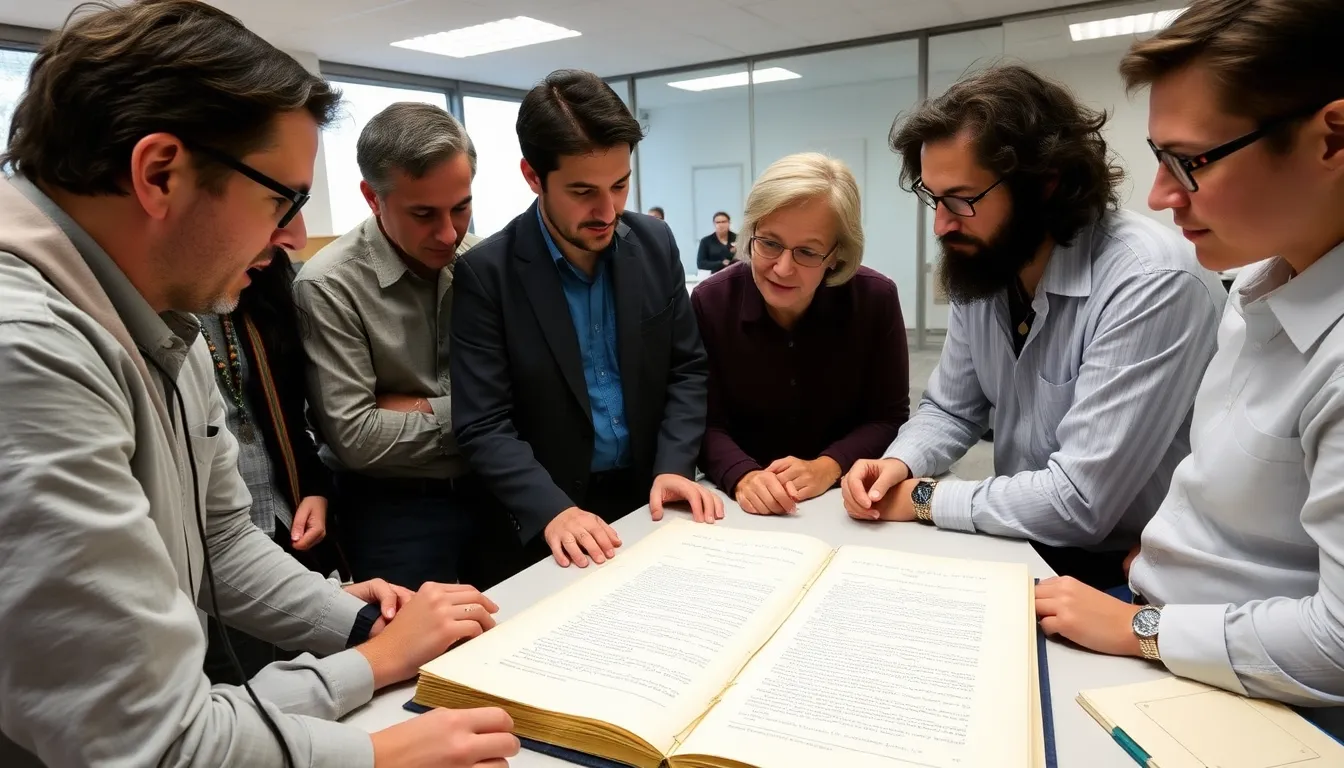
Frequently asked questions about the discovery
Key takeaways from the discovery of the lyrics
The recent discovery of Bob Dylan’s draft lyrics tucked inside a book by Allen Ginsberg not only highlights the intricate relationship between two iconic figures of the 20th century but also opens up new avenues for understanding the creative process behind Dylan’s songwriting. Such artifacts are invaluable for music historians and fans alike, offering insights into the evolution of Dylan’s work and the cultural context in which it was created.
This finding may lead to increased interest in the intersection of literature and music, prompting further exploration of how poets and songwriters influence one another. As more hidden gems from the past surface, they could reshape our understanding of the artistic landscape of the era.
- The discovery may prompt a renewed interest in archival research, encouraging collectors and institutions to delve deeper into personal collections of literary and musical figures.
- It highlights the importance of preserving and cataloging artifacts related to influential artists, as they can provide critical insights into their creative processes.
- This revelation could inspire new discussions around the collaboration between poets and musicians, emphasizing the fluid boundaries of artistic expression.
- As more artifacts are uncovered, there may be a shift in how we approach the study of cultural history, focusing more on interdisciplinary connections.
- Fans and scholars alike should remain alert for future discoveries that could further illuminate the relationship between Dylan and Ginsberg, as well as their impact on contemporary art and culture.