


The Israeli Defense Forces (IDF) have expressed intentions to establish a stronger foothold in Southern Lebanon, citing security threats from Hezbollah, which Israel views as a significant adversary. The IDF’s operations are reportedly aimed at dismantling Hezbollah’s military capabilities, a move that could have far-reaching implications for regional stability and may draw comparisons to past conflicts, such as the 2006 Lebanon War.
International reactions have been mixed, with some countries calling for restraint while others support Israel’s right to defend itself. The United Nations has urged both parties to de-escalate the situation, warning that further military action could lead to a humanitarian crisis in the already volatile area.
The situation remains fluid, with potential for further military engagement as both sides prepare for possible confrontations. Analysts are closely monitoring the developments, as the outcome of this conflict could reshape the geopolitical landscape of the Middle East.
Historical tensions between Israel and Lebanon inform current events
The relationship between Israel and Lebanon has been fraught with conflict since the establishment of the State of Israel in 1948. The creation of Israel led to the displacement of many Palestinians, which in turn fueled resentment and hostility in neighboring Arab countries, including Lebanon. Over the decades, this animosity has been exacerbated by a series of wars, border skirmishes, and the rise of militant groups within Lebanon, notably Hezbollah, which views Israel as an existential threat.
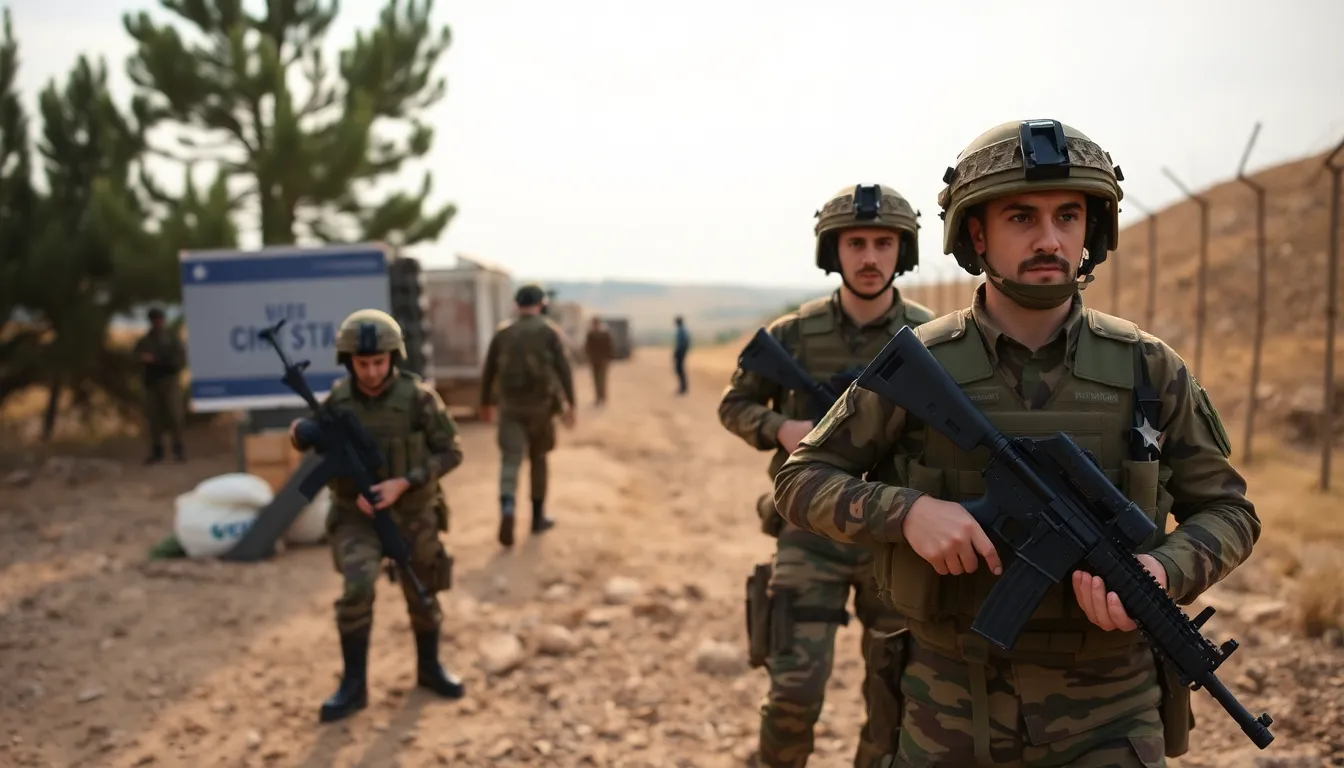
The Lebanese Civil War (1975-1990) marked a significant turning point in the dynamics between the two nations. During this conflict, Israel intervened militarily in Lebanon, aiming to combat Palestinian factions and later Hezbollah, reminiscent of the strategies discussed in historical engagements.
Recent Developments and Escalation
In recent years, tensions have escalated due to a combination of factors, including territorial disputes, military confrontations, and the broader geopolitical landscape of the Middle East. The Syrian Civil War has also had a significant impact, with Hezbollah increasing its influence and military capabilities as it supported the Assad regime. This has raised alarms in Israel, prompting concerns over the potential establishment of a permanent Iranian presence in southern Lebanon.
The 2006 Lebanon War further deepened the divide, with Israel launching extensive military operations against Hezbollah in response to cross-border attacks. The aftermath of the war saw a fragile ceasefire, but sporadic violence has continued, including rocket fire from Lebanon into Israel and retaliatory strikes. The recent signals from Israel regarding potential military action in southern Lebanon indicate a shift towards a more aggressive stance as it seeks to preempt any perceived threats from Hezbollah.
As the situation continues to evolve, the historical context of Israeli-Lebanese relations remains crucial for understanding the motivations behind Israel’s actions. The interplay of local grievances, regional power dynamics, and the legacy of past conflicts shapes the current landscape, suggesting that any military engagement will not only be a response to immediate provocations but also a continuation of a long-standing struggle for security and sovereignty in the region, similar to the challenges faced in various sports contexts identified in recent athletic competitions.
Key stakeholders and their interests in the conflict
The ongoing tensions between Israel and Lebanon have drawn in a variety of stakeholders, each with distinct interests and motivations. The primary actors include the Israeli government, the Lebanese state, Hezbollah, and international organizations. Understanding their positions is crucial to grasping the complexities of the situation.
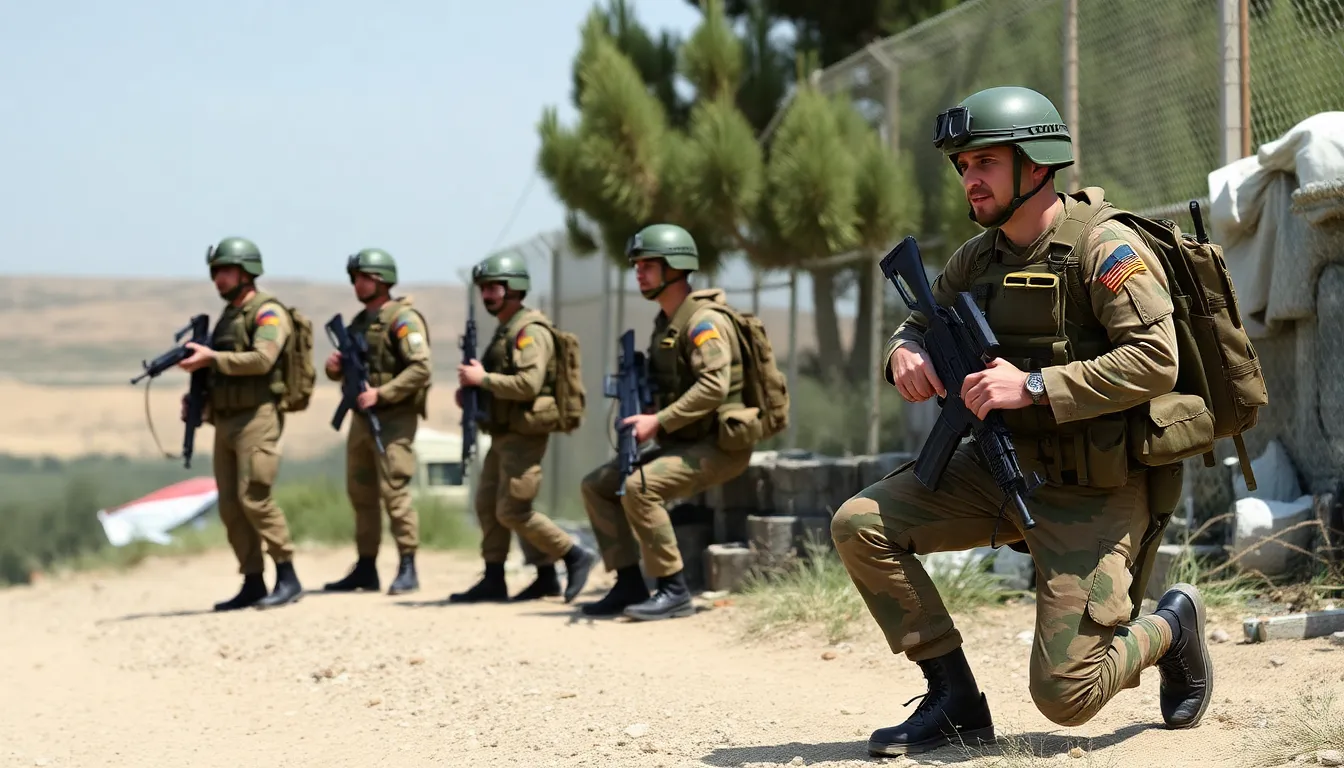
Israel’s government, led by Prime Minister Benjamin Netanyahu, is focused on national security and the elimination of perceived threats from Hezbollah, which it views as a terrorist organization. The Israeli military’s plans to occupy southern Lebanon are seen as a strategy to create a buffer zone that would limit Hezbollah’s operational capabilities. This approach reflects Israel’s long-term goal of maintaining regional dominance and ensuring the safety of its citizens.
The Lebanese government, on the other hand, faces a significant dilemma. While it officially opposes Israeli actions, it struggles with internal divisions and the influence of Hezbollah, which holds considerable power within Lebanon. The Lebanese state is also concerned about the economic implications of a military conflict, particularly given its current economic crisis and the potential for increased displacement of civilians.
Hezbollah, a Shiite militant group backed by Iran, has its own interests in the conflict. It aims to resist Israeli incursions and maintain its status as a key player in Lebanese politics. The group’s leadership may see a confrontation as an opportunity to bolster its support among its base, but it also risks escalating violence that could lead to widespread destruction in Lebanon.
- Israel’s focus on eliminating Hezbollah as a military threat.
- The Lebanese government’s struggle to assert control over Hezbollah while managing economic challenges.
- Hezbollah’s desire to maintain its influence and resist Israeli actions.
- International organizations’ role in mediating tensions and providing humanitarian aid.
- The potential for a broader regional conflict involving Iran and other actors.
Potential humanitarian and geopolitical impacts of occupation
The potential occupation of southern Lebanon by Israel could significantly affect various groups and industries within the region. Primarily, the local population, including Lebanese civilians and displaced individuals, will face immediate humanitarian challenges. Access to basic necessities such as food, water, and healthcare may become severely restricted, exacerbating the ongoing humanitarian crisis.
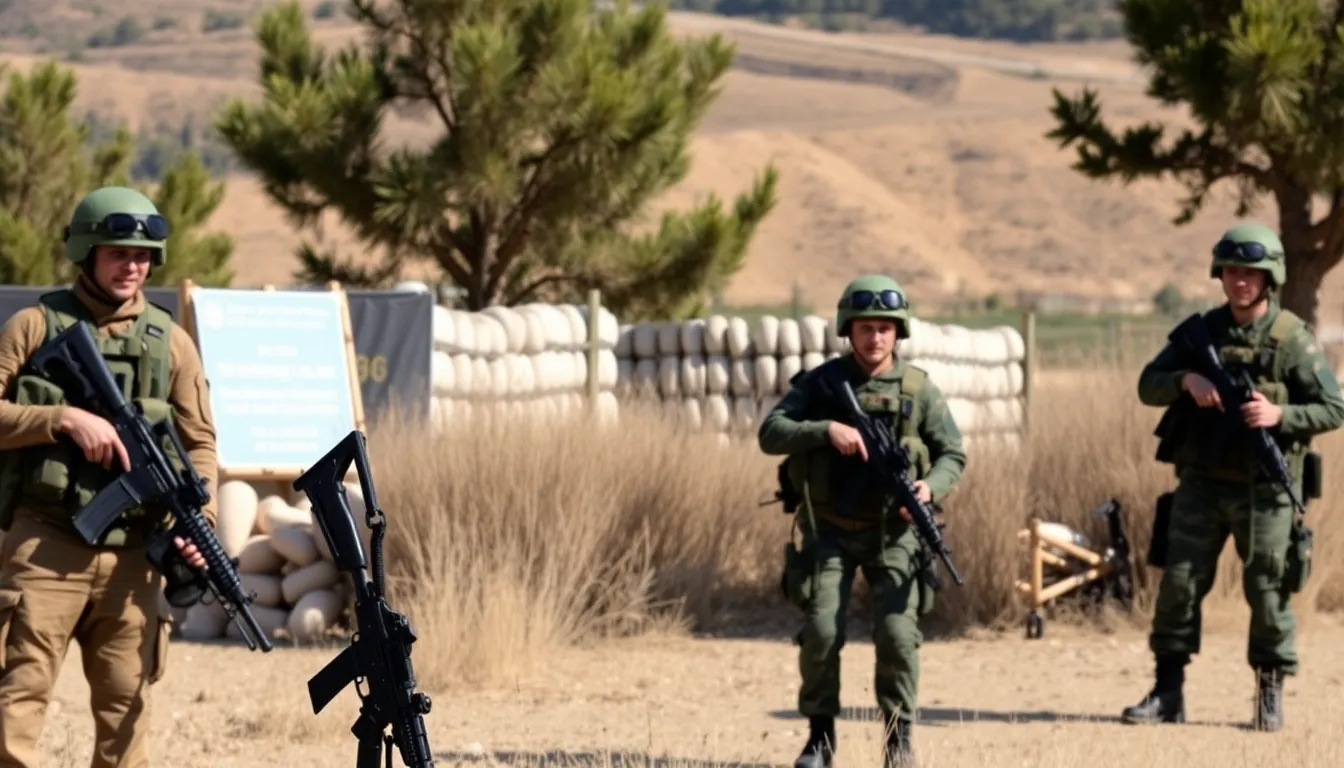
In the short term, businesses in southern Lebanon, particularly those reliant on agriculture and tourism, may suffer due to instability and violence. The disruption of supply chains and the potential for infrastructure damage could lead to increased unemployment and economic decline. Key sectors that may be impacted include:
- Tourism and hospitality
- Agriculture and food production
- Construction and infrastructure development
Mid-term effects could include shifts in regional trade dynamics and foreign investment. Countries may reconsider their involvement with Lebanon, leading to a potential decrease in international aid and investment. However, some industries, such as defense and security, might see an uptick in demand for services and products, creating opportunities for growth amidst the turmoil.
Geopolitically, the occupation could heighten tensions not only between Israel and Lebanon but also among neighboring countries. This could lead to a re-evaluation of foreign policy positions, particularly for nations with vested interests in the region. While risks of escalated conflict are significant, there may also be opportunities for diplomatic engagement and peace-building initiatives aimed at stabilizing the area.
A: Israel’s ground invasion was prompted by ongoing hostilities and perceived threats from militant groups operating in the region, particularly in response to rocket attacks. A: The occupation plan raises serious concerns for civilians, as military operations often lead to displacement, casualties, and disruption of essential services. A: International reactions have been mixed, with some countries condemning the invasion while others express support for Israel’s right to defend itself against threats. A: Long-term consequences could include increased regional instability, a rise in anti-Israel sentiments, and potential retaliatory actions from militant groups.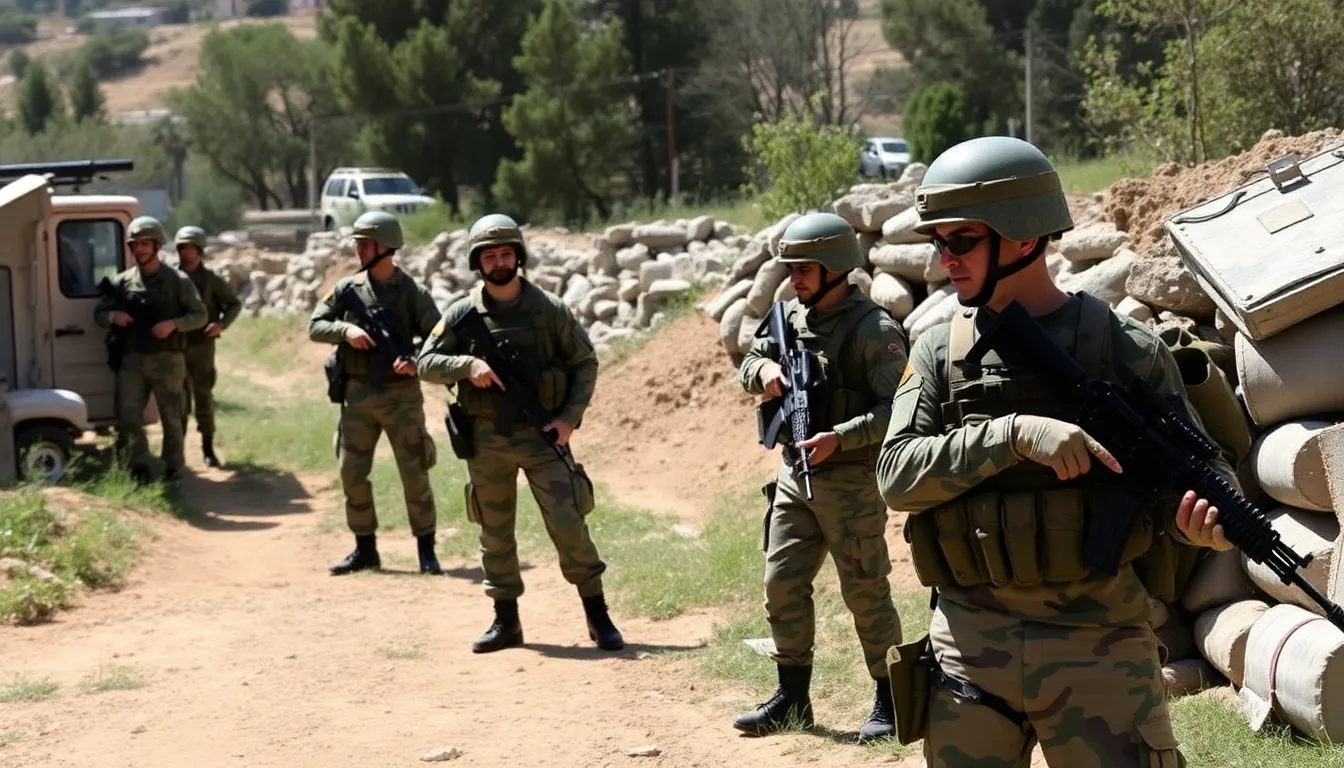
Frequently asked questions about the situation
Outlook on Israel’s plans and regional implications
The recent signals from Israel regarding a potential occupation of southern Lebanon following a ground invasion highlight a significant shift in the regional landscape. This move could provoke a range of responses from neighboring countries and non-state actors, potentially escalating tensions throughout the Middle East. Observers should consider the broader implications for security, diplomacy, and humanitarian conditions in the region as these developments unfold.
As Israel navigates this complex situation, the international community’s reaction will be critical. The potential for increased military engagement in Lebanon raises questions about the stability of the Israeli-Lebanese border and the future of Hezbollah’s role in the region. Stakeholders must remain vigilant to understand how these dynamics will influence both local and global geopolitical strategies.
- Increased Military Presence: Watch for changes in military deployments along the Israeli-Lebanese border, which may signal an escalation or de-escalation of conflict.
- Regional Alliances: Monitor how neighboring countries respond, particularly Iran and Syria, as their actions could influence Hezbollah’s strategy and capabilities.
- Humanitarian Impact: Consider the humanitarian implications for civilians in southern Lebanon, where military operations could lead to displacement and increased suffering.
- International Diplomacy: Pay attention to diplomatic efforts from global powers to mediate tensions, as they may shape the trajectory of the conflict.
- Long-term Stability: Evaluate the potential long-term effects on regional stability, including shifts in public opinion and the rise of new political movements.