


As of October 2023, the inquiry is focusing on the government’s response to the pandemic, including decisions regarding hospital admissions and visitor policies. Many witnesses have expressed their anguish over not being able to be with their relatives in their final moments, a sentiment that resonates deeply across the nation. The inquiry aims to uncover lessons that can be learned to prevent similar tragedies in the future, highlighting the importance of mental health support during crises.
The testimonies are not just personal stories; they reflect broader societal issues related to mental health, healthcare access, and the emotional toll of public health policies. The inquiry has sparked discussions about the adequacy of support systems for families during crises and the importance of compassionate care. These discussions are crucial as the country continues to navigate the aftermath of the pandemic, similar to current events affecting public perception.
Key figures, including healthcare professionals and policymakers, are being called to testify, shedding light on the decisions made during critical moments of the pandemic. Their insights may provide context for understanding the challenges faced by families and the healthcare system. This inquiry is pivotal in shaping future health policies and ensuring that the voices of those affected are heard and respected.
The background of the Covid inquiry and its significance
The Covid-19 pandemic has had profound effects on societies around the world, leading to unprecedented loss of life, economic turmoil, and social upheaval. As nations grappled with the crisis, questions arose regarding the adequacy of governmental responses and the decisions that shaped the trajectory of the pandemic. In this context, the Covid inquiry was established to investigate the actions taken by authorities and to ensure accountability for the decisions made during this critical period.
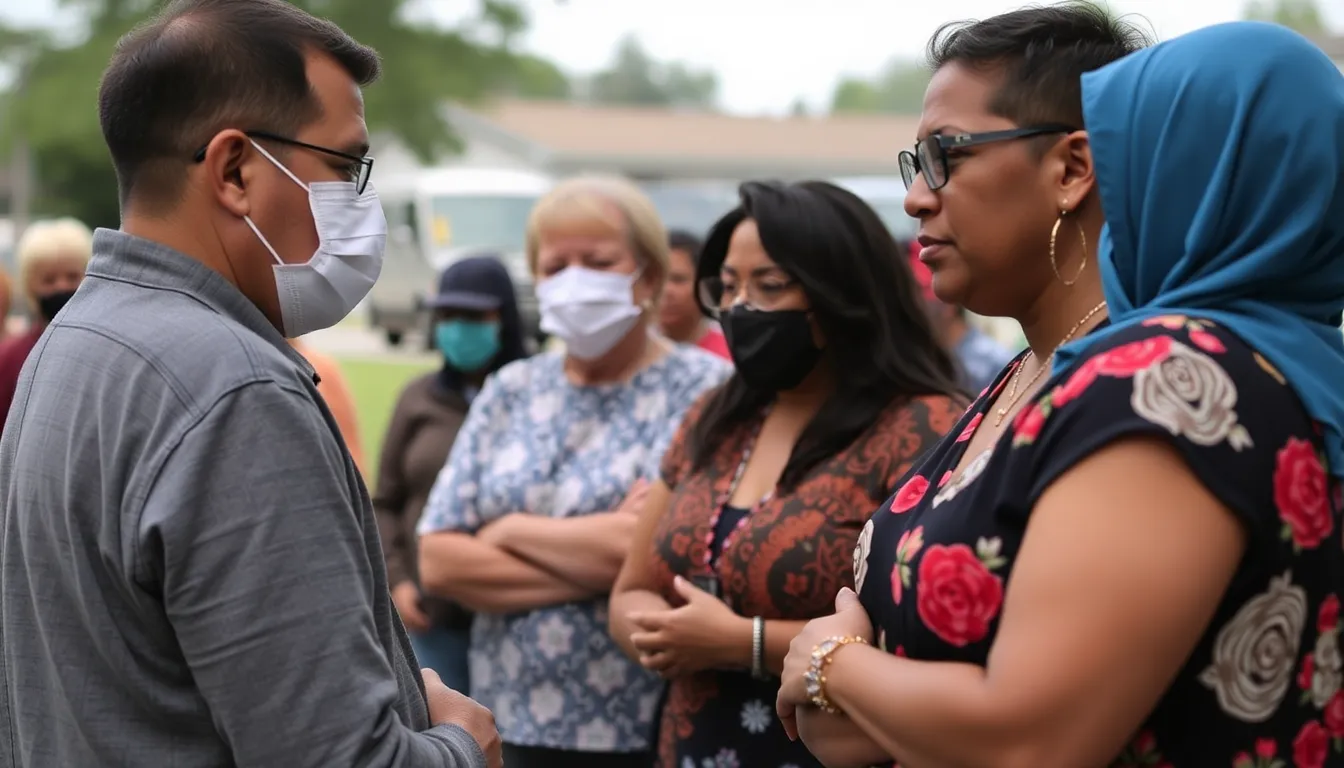
The inquiry aims to uncover the truth behind the management of the pandemic, focusing on key milestones such as the initial response, the implementation of lockdowns, and the distribution of vaccines. These events not only highlight the challenges faced by public health systems but also reveal the political and social dynamics at play during the crisis. The inquiry seeks to give voice to those who suffered, particularly the families of individuals who died alone, often without the support of loved ones due to strict health protocols.
Key milestones in the Covid response
Several significant events marked the timeline of the pandemic response, including the declaration of a global health emergency by the World Health Organization in January 2020, the subsequent nationwide lockdowns, and the race to develop and distribute vaccines by the end of 2020. Each of these milestones brought to light the complexities of crisis management and the varying degrees of effectiveness among different countries. The inquiry will explore how these events were handled and the implications they had on public trust and health outcomes.
Moreover, the inquiry is not just about accountability; it also serves as a critical reflection on the lessons learned from the pandemic. By examining the past, the inquiry aims to inform future public health strategies and ensure that the voices of those affected are heard. The haunting reality that many individuals passed away without the comfort of family underscores the need for a compassionate and thorough investigation into the decisions that led to such tragic outcomes, a topic that is often intertwined with broader governmental accountability issues.
Key stakeholders and issues raised during the inquiry
The Covid inquiry has brought to light a variety of stakeholders, each with distinct interests and perspectives on the pandemic’s management. Key actors include government officials, healthcare professionals, families of victims, and advocacy groups. Their involvement underscores the complex interplay of accountability, policy-making, and public health considerations.
Government officials, particularly those in leadership roles, are primarily concerned with evaluating their response to the pandemic. They face scrutiny over decisions made regarding lockdowns, resource allocation, and public health messaging. This creates a tension between the need for transparency and the desire to maintain public trust.
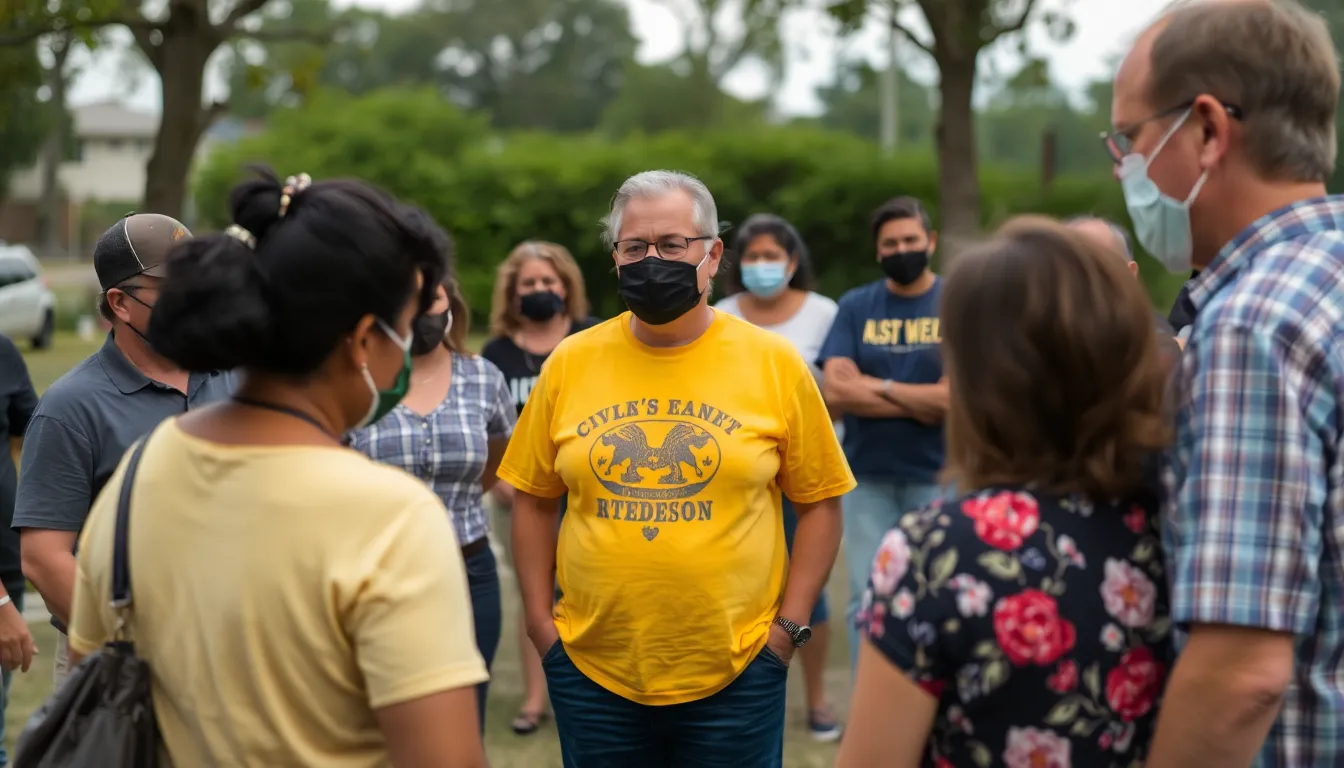
Healthcare professionals, including doctors and nurses, represent the frontline workers who experienced the brunt of the crisis. Their testimonies reveal the challenges faced in managing patient care amidst overwhelming circumstances. This raises critical issues regarding healthcare system preparedness and the adequacy of resources during emergencies.
- Families of victims: They seek justice and answers regarding the circumstances of their loved ones’ deaths, emphasizing the emotional toll of the pandemic.
- Advocacy groups: These organizations aim to ensure that the lessons learned from the inquiry lead to meaningful policy changes and improved public health strategies.
- Legal implications: The inquiry may lead to potential legal actions against government officials or institutions, highlighting the need for accountability.
- Economic considerations: The financial impact of the pandemic on healthcare systems and the economy raises questions about future funding and resource allocation.
Overall, the inquiry serves as a critical platform for addressing these multifaceted issues, revealing the intricate dynamics at play and the necessity for a comprehensive understanding of the pandemic’s impact on society.
The impact of the inquiry on families and society
The Covid inquiry has far-reaching implications for various groups, particularly families who lost loved ones during the pandemic. These families are not just seeking answers but are also grappling with the emotional aftermath of loss. The inquiry brings their experiences to the forefront, highlighting the need for recognition and support.
Industries related to healthcare, mental health, and social services are significantly impacted as the inquiry may lead to changes in policies and practices. The healthcare sector, in particular, faces scrutiny regarding its response to the pandemic, which could result in reforms aimed at improving patient care and emergency preparedness.
In the short term, there is a heightened awareness of the emotional and psychological toll of the pandemic on individuals and families. This could lead to increased demand for mental health services and support systems. In the mid-term, businesses may need to adapt their policies to address employee well-being, fostering a more supportive work environment.
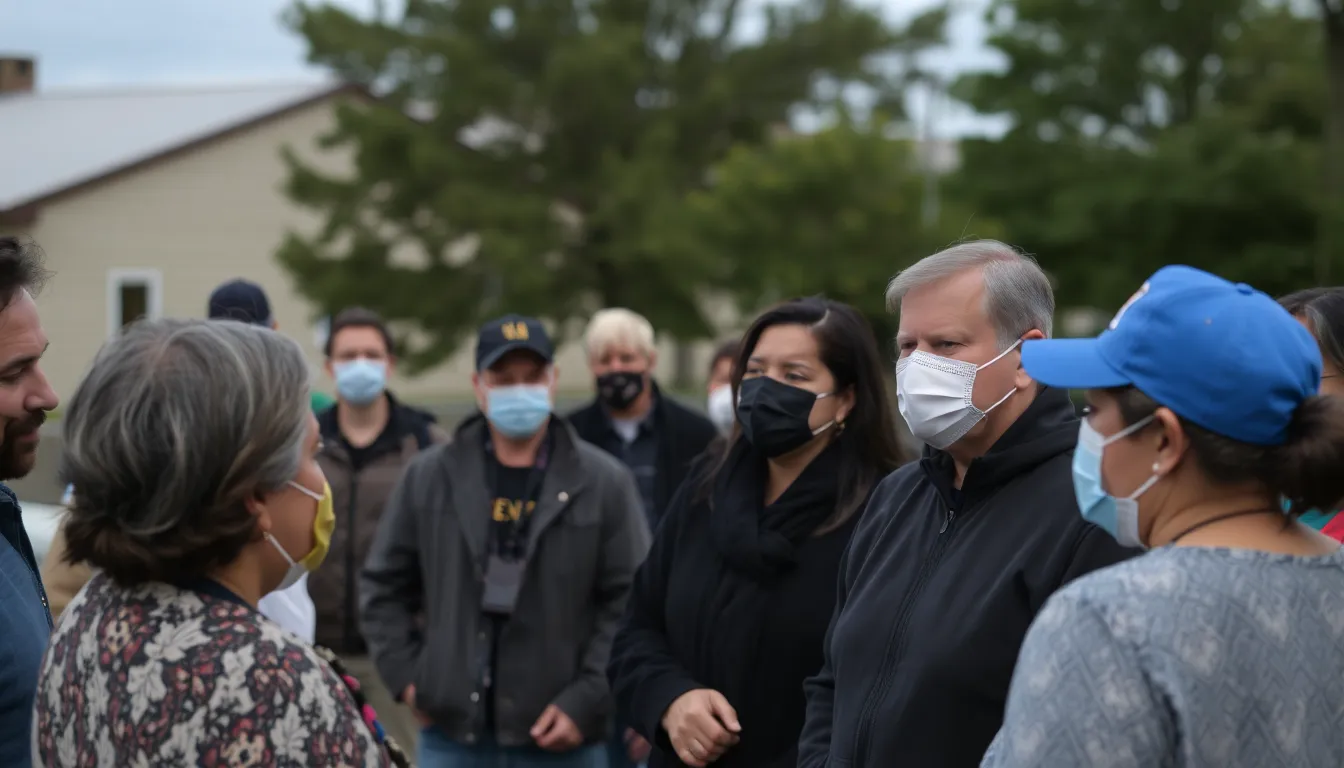
- Increased mental health support: The inquiry may prompt more funding and resources for mental health services.
- Policy reforms: Potential changes in healthcare policies to improve response strategies for future crises.
- Community engagement: Families may become more involved in advocacy, influencing local and national policies.
While the inquiry presents risks, such as potential backlash against healthcare providers, it also offers opportunities for systemic change. By addressing the shortcomings revealed during the pandemic, society can work towards a more resilient future, ensuring that no one has to endure the pain of loss in isolation again.
A: The Covid inquiry is a formal investigation into the government’s handling of the pandemic, focusing on decisions made and their impacts on public health. A: Personal testimonies provide a human perspective on the pandemic’s effects, highlighting the emotional and social consequences faced by individuals and families. A: The public can participate by submitting their experiences and testimonies, which may be considered during the inquiry’s proceedings. A: The inquiry aims to provide recommendations for future pandemic responses, improve public health policies, and ensure accountability. A: The timeline for the inquiry’s conclusion is still being determined, as it depends on the complexity of the testimonies and evidence presented.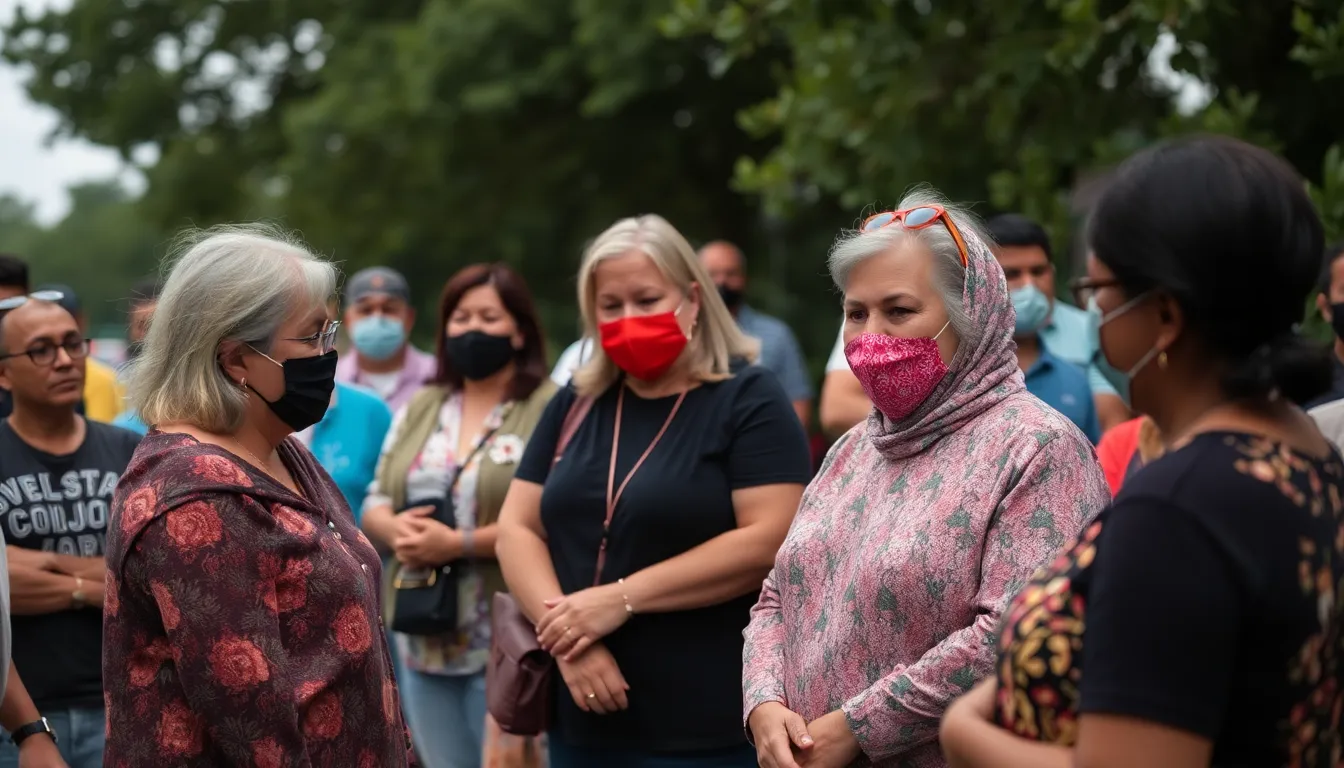
Frequently asked questions about the Covid inquiry
Key takeaways and future implications of the inquiry
The Covid inquiry has unveiled the profound emotional and societal impacts of the pandemic, particularly the experiences of those who lost loved ones in isolation. This reflection on personal stories highlights the need for systemic changes in healthcare and emergency response protocols to ensure that no one faces such solitude in times of crisis again. As we move forward, it is crucial to incorporate these insights into policy-making and community support frameworks.
Furthermore, the inquiry emphasizes the importance of transparent communication and accountability among health officials and government entities. The lessons learned from this experience should serve as a foundation for building resilience in future public health emergencies, ensuring that the voices of the bereaved are not only heard but actively shape future responses.
- Enhanced support systems: Develop robust mental health and community support initiatives for families affected by crises.
- Policy reform: Advocate for changes in healthcare protocols to prioritize patient connection during emergencies.
- Transparent communication: Establish clear lines of communication between health authorities and the public to foster trust and accountability.
- Community engagement: Involve local communities in emergency planning to ensure diverse perspectives are considered.
- Ongoing reflection: Create mechanisms for continuous learning from past experiences to improve future responses.