


Matt Brittin, former head of Google Europe, has been appointed to a key leadership role within the BBC, raising questions about his suitability for the position. His background in technology and digital advertising offers a fresh perspective, but critics argue that he may lack the necessary experience in public service broadcasting. The BBC’s leadership transition comes at a time when trust in the organization is being tested, particularly following recent controversies surrounding its editorial decisions.
As the BBC seeks to redefine its role in the digital age, Brittin’s leadership will be pivotal in addressing these pressing issues. His task will involve not only adapting the BBC’s content strategy to attract younger audiences but also ensuring that the corporation remains a trusted source of news and information. The upcoming months will be critical as Brittin outlines his vision and priorities for the organization amidst ongoing scrutiny from both the public and government officials.
The BBC’s ability to maintain its relevance in a competitive media environment will depend significantly on Brittin’s strategic decisions. Stakeholders are watching closely as he navigates the delicate balance between innovation and preserving the core values that have long defined the BBC. With a potential license fee review on the horizon, the stakes are high for both Brittin and the future of the BBC.
Understanding the background of Matt Brittin’s career
Matt Brittin’s journey in the tech industry began at Google, where he played a pivotal role in shaping the company’s operations in Europe. Joining the tech giant in 2007, he quickly rose through the ranks, eventually becoming the Managing Director of Google UK and Ireland. Under his leadership, Google expanded its advertising business and significantly increased its market share in the digital landscape, which laid the groundwork for his reputation as a skilled executive in the tech sector.

The BBC, on the other hand, has been navigating a complex landscape of public service broadcasting, especially in the face of rapid technological changes and shifting audience preferences. With the rise of streaming services and a growing demand for on-demand content, the BBC has faced increasing pressure to adapt while maintaining its commitment to public service values. This context sets the stage for the debate surrounding Brittin’s potential leadership at the BBC.
The BBC’s Challenges and Opportunities
In recent years, the BBC has encountered numerous challenges, including funding constraints and criticism regarding its relevance in a digital-first world. The introduction of the BBC licence fee and ongoing discussions about its future funding model highlight the institution’s precarious position. As the media landscape evolves, the BBC must find innovative ways to engage audiences while addressing concerns about impartiality and public trust.
As Brittin steps into the conversation about leading the BBC, his experience in the tech industry could provide valuable insights into navigating these challenges. However, critics may question whether his background in a profit-driven environment aligns with the BBC’s mission to serve the public interest. The intersection of technology and traditional media presents both a challenge and an opportunity, making Brittin’s potential leadership a focal point for discussions about the future of the BBC.
Key stakeholders and issues surrounding Brittin’s appointment
Matt Brittin’s appointment as the head of the BBC has sparked significant interest among various stakeholders, each with distinct interests and concerns. The primary actors include the BBC itself, the UK government, media industry competitors, and the general public.
The BBC, as a public service broadcaster, has a vested interest in maintaining its reputation and relevance in a rapidly evolving media landscape. Brittin’s experience at Google suggests a focus on digital innovation and audience engagement, which could align with the BBC’s goals of reaching younger demographics. However, this shift towards digital may raise concerns about the potential dilution of traditional broadcasting values.
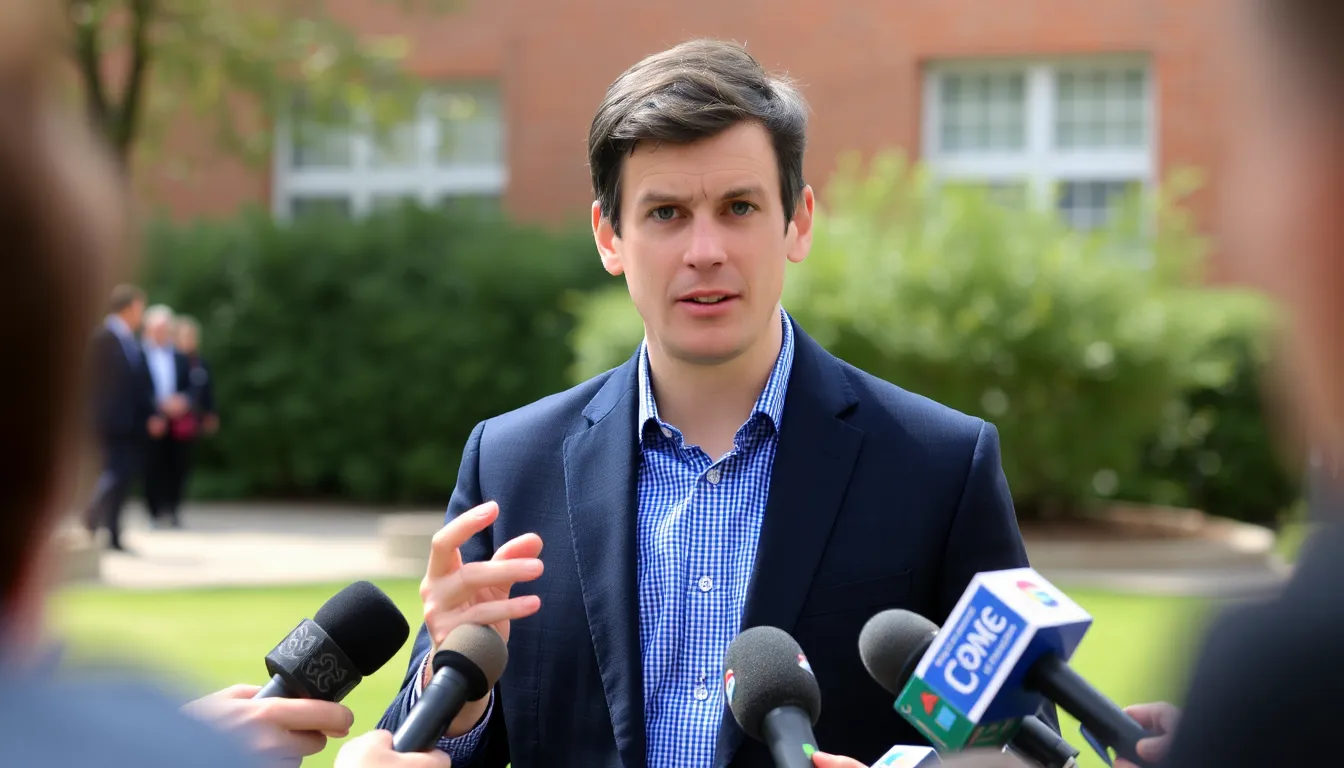
The UK government plays a crucial role in overseeing the BBC, particularly in terms of funding and regulatory frameworks. With the ongoing debate over the BBC’s license fee and its future funding model, the government may view Brittin’s appointment as an opportunity to push for modernization within the organization. This could lead to tensions between maintaining public service commitments and adapting to commercial pressures.
- Public Trust: The BBC must ensure that its leadership fosters public trust, especially in light of recent controversies surrounding media integrity.
- Digital Transition: Brittin’s expertise in technology could facilitate a smoother transition to digital platforms, but risks alienating traditional audiences.
- Regulatory Challenges: Potential conflicts may arise as the BBC navigates regulatory expectations while pursuing innovative strategies under Brittin’s leadership.
- Competition: The appointment comes at a time when competition from streaming services is intensifying, necessitating strategic responses from the BBC.
- Funding Models: The future of the BBC’s funding, particularly the license fee, is a contentious issue that could be influenced by Brittin’s vision for the organization.
Overall, the interplay between these stakeholders and the key issues at hand will shape the trajectory of the BBC under Brittin’s leadership, making it essential to monitor developments closely as they unfold.
Who will be affected by Brittin’s leadership at the BBC
Matt Brittin’s appointment as the head of the BBC is poised to impact a diverse array of groups, industries, and regions. The media landscape, particularly within the UK, will undergo significant changes as Brittin brings his extensive experience from Google to the public broadcasting sector. Stakeholders including content creators, advertisers, and audiences will feel the effects of his leadership style and strategic decisions.
In the short term, the most immediate impact will be felt by BBC employees and content creators. Changes in programming, funding allocations, and digital strategy may lead to a shift in job roles and responsibilities. For audiences, this may translate to new content offerings or alterations in how existing programs are delivered. The shift towards digital-first strategies could also affect traditional viewing habits.
In the mid-term, businesses that rely on advertising and partnerships with the BBC may experience both risks and opportunities. As the BBC adapts to a more commercial model under Brittin’s guidance, advertisers may find new opportunities to engage with audiences, but they may also face increased competition for ad space. This could lead to a re-evaluation of marketing strategies across various sectors.
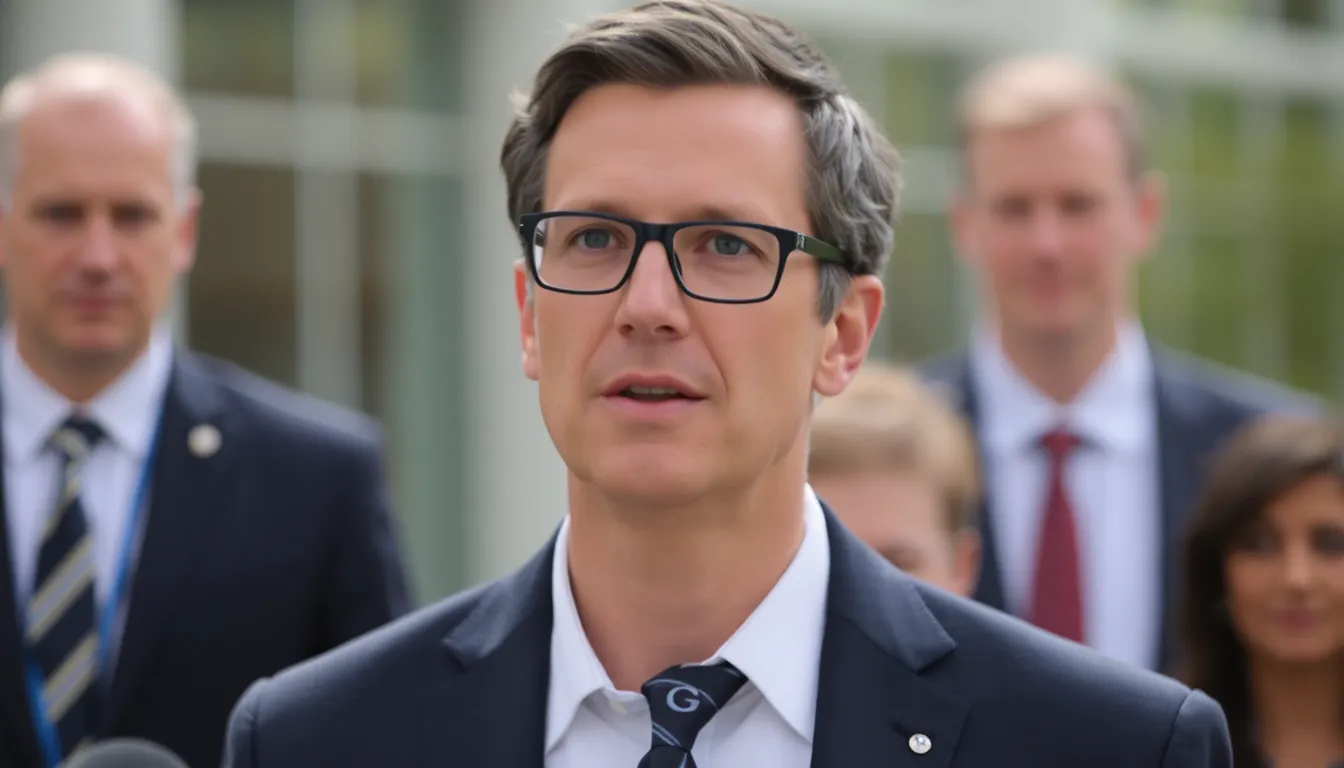
- Media Industry: Potential for increased collaboration or competition with streaming services.
- Advertisers: New advertising models may emerge, leading to both opportunities and challenges.
- Viewers: Changes in content availability and delivery methods may alter viewing experiences.
Furthermore, policy-makers may need to reassess the regulatory framework governing public broadcasting in response to Brittin’s innovative approaches. The potential for a more commercially-driven BBC could spark debates about the role of public service broadcasting in an increasingly digital world, impacting media policy and funding decisions.
A: Matt Brittin has extensive experience in the tech industry, particularly with Google, where he led various initiatives. His background in digital innovation could be beneficial for the BBC’s adaptation to modern media landscapes. A: The BBC is grappling with funding issues, competition from streaming services, and the need to modernize its content delivery. These challenges require strong leadership to navigate effectively. A: Brittin’s leadership style is likely to be more tech-oriented and data-driven, focusing on innovation and audience engagement, which may contrast with traditional approaches at the BBC. A: A tech executive like Brittin can bring fresh perspectives on digital transformation, enhance online presence, and attract younger audiences, which is crucial for the BBC’s future. A: Critics are concerned that Brittin’s background in a profit-driven tech environment may not align with the public service ethos of the BBC, potentially impacting its impartiality and mission.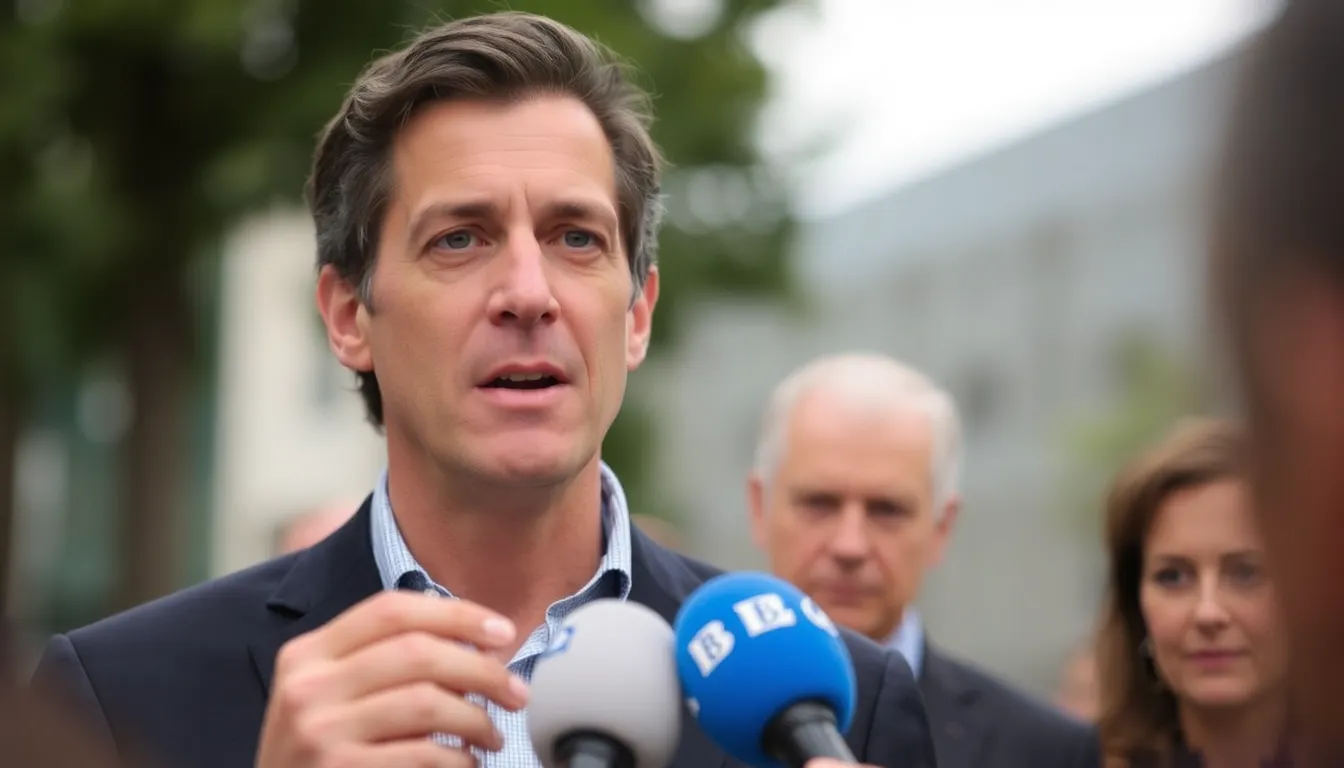
Frequently asked questions about Matt Brittin and the BBC
Looking ahead: key takeaways regarding Brittin’s potential impact
As the BBC navigates the complexities of modern media landscapes, the appointment of Matt Brittin as a leader brings both opportunities and challenges. His extensive experience in the tech sector, particularly at Google, positions him well to leverage digital innovations and audience engagement strategies. However, the transition from a corporate environment to a public service broadcaster will require careful navigation of the BBC’s unique mission and values.
Stakeholders will be closely monitoring how Brittin’s leadership influences the BBC’s approach to content delivery, audience reach, and overall governance. His ability to balance commercial interests with the public service ethos of the BBC will be critical in determining the broadcaster’s future trajectory.
- Watch for Brittin’s strategies in enhancing digital offerings and audience engagement.
- Monitor how he addresses the tension between commercial viability and public service obligations.
- Expect a focus on innovation, particularly in adapting to changing media consumption habits.
- Keep an eye on the response from staff and stakeholders regarding his leadership style and vision.
- Consider the implications of his decisions on the BBC’s reputation and trust with the public.