


The prevalence of diabetes in Africa is projected to continue growing, with estimates suggesting that by 2045, the number of affected individuals could reach 55 million. This alarming trend poses severe health risks, not only to those diagnosed but also to the healthcare systems that struggle to manage the rising burden of chronic diseases. For more insights on public health trends, check our article on health challenges across continents.
Governments and health organizations are increasingly recognizing the urgent need for action. Initiatives such as the WHO’s Global Diabetes Compact aim to improve prevention, diagnosis, and treatment, yet many countries still lack the necessary resources and infrastructure to address this growing health crisis effectively.
Moreover, the social stigma surrounding diabetes often leads to late diagnosis and inadequate management of the condition. Many individuals remain unaware of their health status, contributing to a cycle of complications that could otherwise be prevented with timely intervention.
Understanding the background of diabetes in the African continent
Diabetes has emerged as a significant public health challenge in Africa, a continent historically plagued by infectious diseases. The rise of non-communicable diseases (NCDs), including diabetes, is attributed to a combination of rapid urbanization, changing lifestyles, and dietary shifts. As more Africans move to urban centers, they adopt sedentary lifestyles and diets high in processed foods, contributing to the increasing prevalence of diabetes.
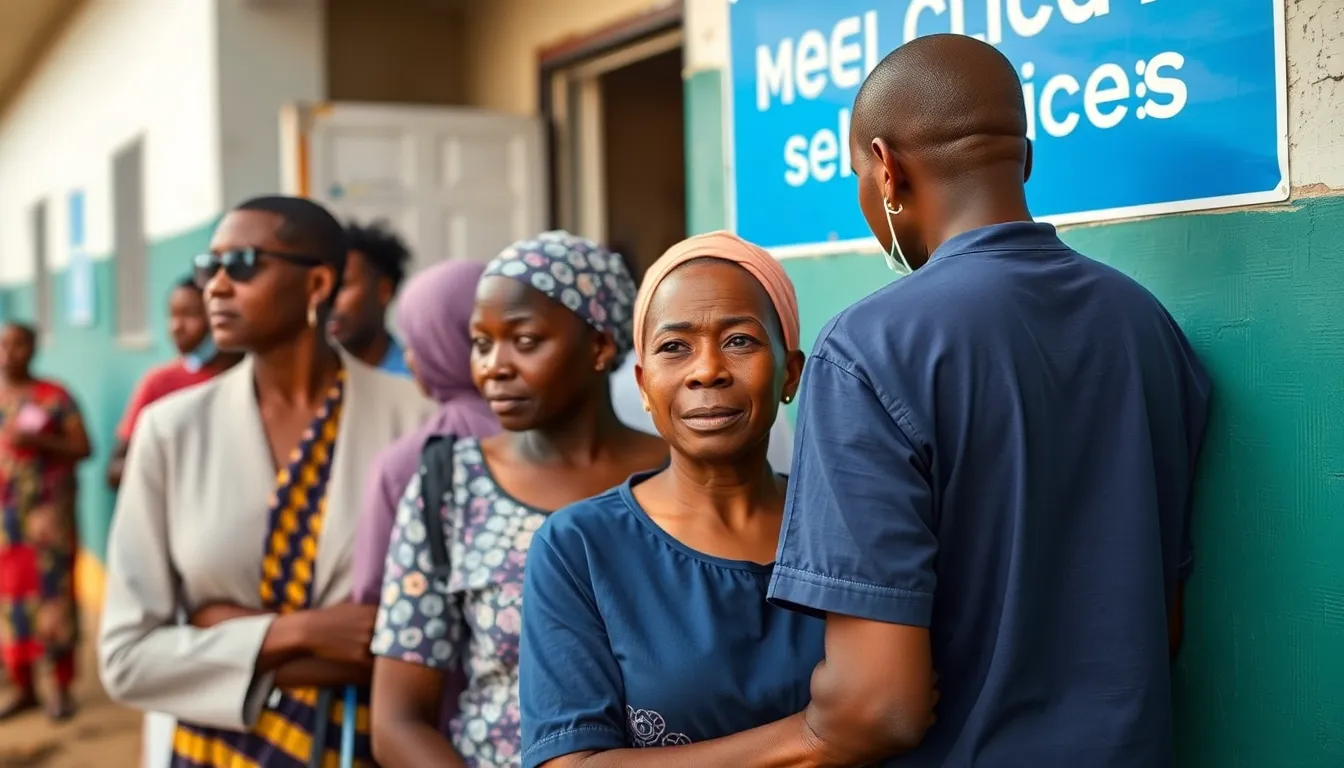
In the past, diabetes was often viewed as a disease of affluence, primarily affecting wealthier populations in developed countries. However, the World Health Organization (WHO) has reported a troubling trend: the number of people with diabetes in Africa is expected to rise dramatically in the coming decades. This shift poses a challenge for healthcare systems that are often under-resourced and ill-equipped to handle the growing burden of chronic diseases. To understand more about the challenges faced by healthcare systems, read our piece on government funding in healthcare.
Historical Milestones in Diabetes Awareness
Key milestones in the recognition of diabetes as a public health issue in Africa include the establishment of the African Diabetes Alliance in the early 2000s, which aimed to raise awareness and promote research on diabetes across the continent. Additionally, the WHO’s Global Action Plan for the Prevention and Control of NCDs, adopted in 2013, highlighted the urgent need for African nations to address the rising tide of diabetes and other NCDs. Despite these efforts, many countries still lack comprehensive diabetes management programs, leading to a public health crisis that remains largely unchecked.
The interplay of political and economic factors has also contributed to the diabetes epidemic. Limited funding for healthcare, inadequate access to essential medicines, and a lack of health education have hindered effective diabetes prevention and management. Furthermore, the stigma associated with diabetes and other NCDs often leads to delayed diagnosis and treatment, exacerbating the health risks for affected individuals. For a deeper understanding of advocacy in healthcare, explore our article discussing the role of NGOs in public health.
As the continent grapples with these challenges, it is crucial to address the social determinants of health that contribute to the diabetes epidemic. Initiatives aimed at improving public health infrastructure, raising awareness, and promoting healthier lifestyles are essential to combat this growing threat. Without concerted efforts, diabetes will continue to pose significant risks to the health and well-being of millions of Africans.
Key stakeholders and issues in diabetes management
Diabetes management in Africa involves a complex interplay of various stakeholders, including governments, healthcare organizations, non-governmental organizations (NGOs), and the affected populations. Each of these actors has distinct interests and responsibilities that shape the landscape of diabetes care and prevention.

Governments play a crucial role in establishing health policies and funding healthcare initiatives. Their interests typically revolve around improving public health outcomes and reducing the economic burden of diabetes. However, many African governments face challenges such as limited resources, inadequate healthcare infrastructure, and competing health priorities, which can hinder effective diabetes management.
Healthcare organizations, including hospitals and clinics, are on the front lines of diabetes care. They are concerned with providing quality treatment and education to patients. However, they often encounter issues such as a lack of trained personnel, insufficient medical supplies, and the need for better data collection and research on diabetes prevalence and management strategies.
Non-governmental organizations (NGOs) also play a significant role in diabetes advocacy and education. They work to raise awareness about the disease, promote healthy lifestyles, and support individuals living with diabetes. Their interests often align with those of the affected populations, but they may face challenges in securing funding and navigating bureaucratic obstacles.
- Resource allocation: Competition for limited healthcare resources can lead to inadequate support for diabetes programs.
- Public awareness: Low levels of awareness about diabetes symptoms and management can result in late diagnoses and complications.
- Access to medication: High costs and supply chain issues can limit access to essential diabetes medications and supplies.
- Policy development: The need for comprehensive diabetes policies that address prevention, treatment, and education is critical.
- Economic burden: Diabetes poses significant economic challenges for individuals and healthcare systems, affecting productivity and healthcare costs.
The impact of unchecked diabetes on communities and healthcare systems
The rise of diabetes in Africa is affecting various groups, including low-income families, urban populations, and the elderly. These demographics often lack access to proper healthcare and nutritious food, which exacerbates the condition. Additionally, healthcare providers and policymakers are challenged to address the increasing prevalence of diabetes, leading to strain on already limited resources.
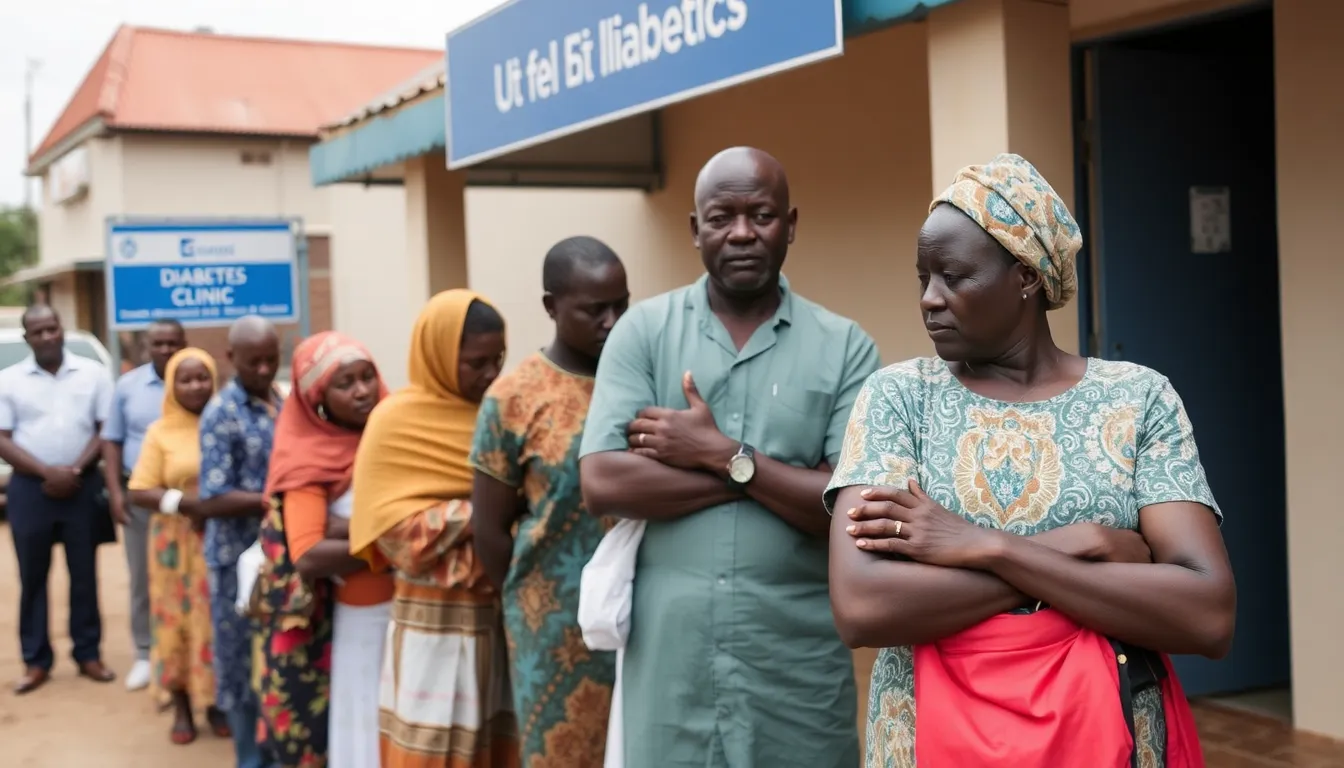
In the short term, individuals with diabetes may face immediate health complications, such as increased hospital visits and higher medical costs. Families may experience financial strain as they seek treatment and manage the disease. Businesses, particularly those in the healthcare sector, may see a surge in demand for diabetes-related services and products, creating both challenges and opportunities.
Mid-term impacts include potential shifts in public health policy as governments recognize the need for comprehensive diabetes management programs. This could lead to increased funding for healthcare initiatives aimed at prevention and education. Moreover, the food industry may adapt by introducing healthier options to cater to the growing diabetic population, thereby influencing market trends.
- Healthcare systems: Increased burden on hospitals and clinics.
- Economic impact: Rising healthcare costs affecting families and businesses.
- Public policy: Potential for new health initiatives and funding.
- Food industry: Opportunities for healthier product lines.
While the risks of unchecked diabetes are substantial, there are also opportunities for innovation and growth within the healthcare and food sectors. By addressing the needs of this population, companies can develop new products and services that not only meet market demands but also contribute to improved health outcomes in affected communities.
A: The main causes include lifestyle changes, urbanization, and genetic factors. Poor diet and lack of physical activity also contribute significantly to the rising rates. A: Prevention can be achieved through public health education, promoting healthier lifestyles, and improving access to healthcare services. Community programs focusing on nutrition and exercise are essential. A: Common symptoms include increased thirst, frequent urination, extreme fatigue, and blurred vision. Early detection is crucial for effective management. A: Treatment typically involves lifestyle changes, medication, and regular monitoring of blood sugar levels. Access to insulin and other medications can be a challenge in many regions. A: Governments can implement health policies, allocate resources for diabetes care, and promote awareness campaigns. Collaboration with international organizations is also vital.
Frequently asked questions about diabetes in Africa
Future outlook and key takeaways on diabetes risks in Africa
The rising prevalence of diabetes in Africa presents a multifaceted challenge that requires urgent attention from healthcare systems, policymakers, and communities. As the continent grapples with rapid urbanization, lifestyle changes, and limited access to healthcare, the implications of unchecked diabetes could extend beyond individual health, impacting economic stability and social well-being. Addressing this crisis necessitates a coordinated approach that emphasizes prevention, education, and resource allocation.
In light of these challenges, stakeholders must remain vigilant and proactive in their efforts to combat diabetes. The path forward involves not only enhancing healthcare infrastructure but also fostering community awareness and engagement to mitigate the risks associated with this growing epidemic.
- Focus on prevention: Implement community-based programs that promote healthy lifestyles and regular screenings to catch diabetes early.
- Strengthen healthcare systems: Invest in training healthcare professionals and improving access to diabetes care in underserved areas.
- Enhance public awareness: Launch educational campaigns to inform the public about diabetes risks, symptoms, and management strategies.
- Encourage policy support: Advocate for policies that address the social determinants of health, ensuring that diabetes prevention and care are prioritized in national health agendas.
- Leverage technology: Utilize mobile health solutions to improve monitoring and management of diabetes, especially in remote regions.